
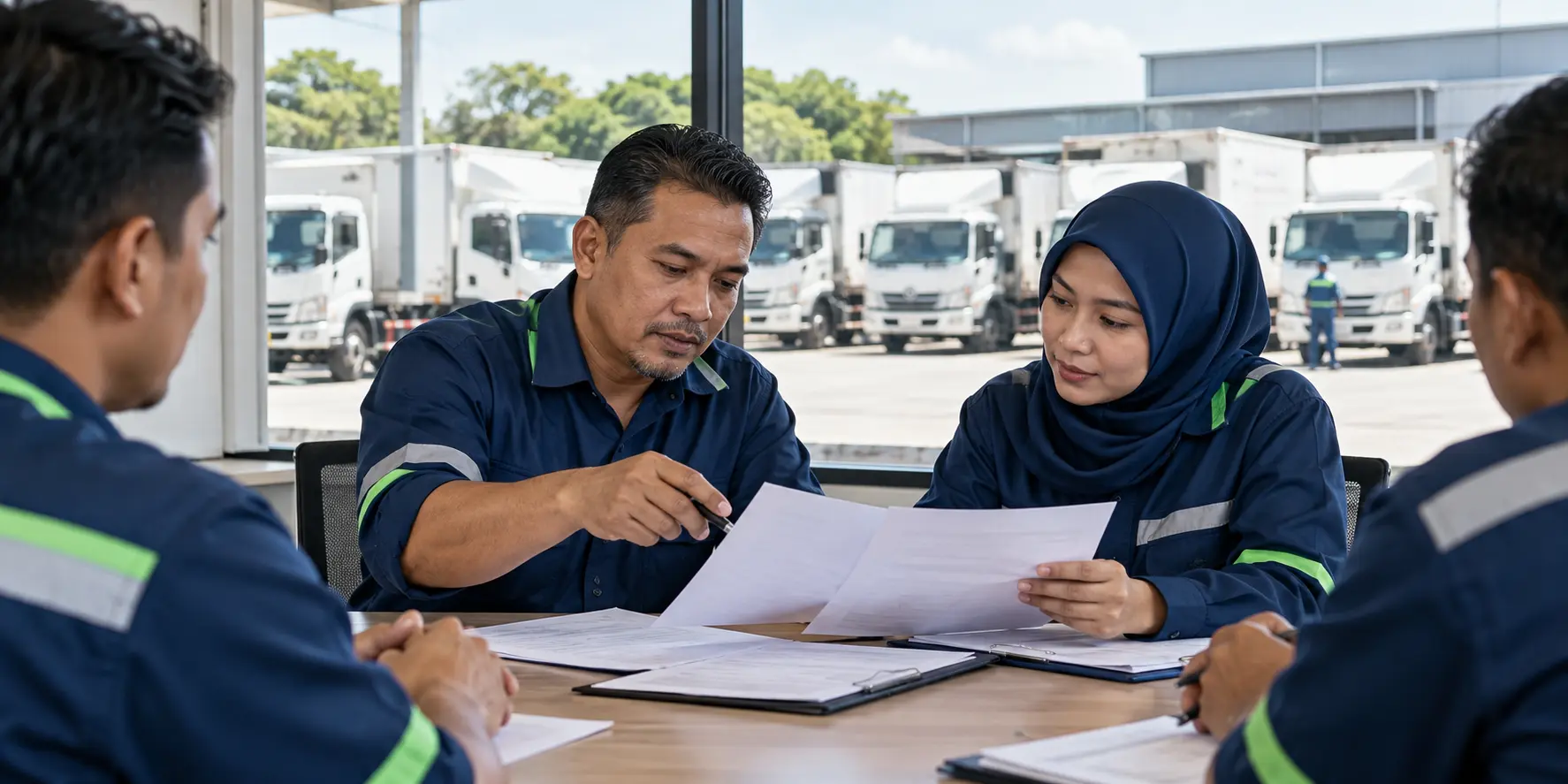
A corporate road safety training programme should prepare employees for the journeys they actually make, then show the company how to check that learning is being applied. A topic list alone is not enough: the programme needs clear outcomes, relevant practice, suitable assessment and a workable handover to supervisors.
For Malaysian employers, this means matching content to business driving exposure. A company-car user visiting clients, a delivery driver and a commercial bus driver share some safety principles, but their vehicle knowledge, tasks and assessment needs differ. This guide helps HR, procurement, safety and fleet teams specify a programme rather than simply book seats on a course.
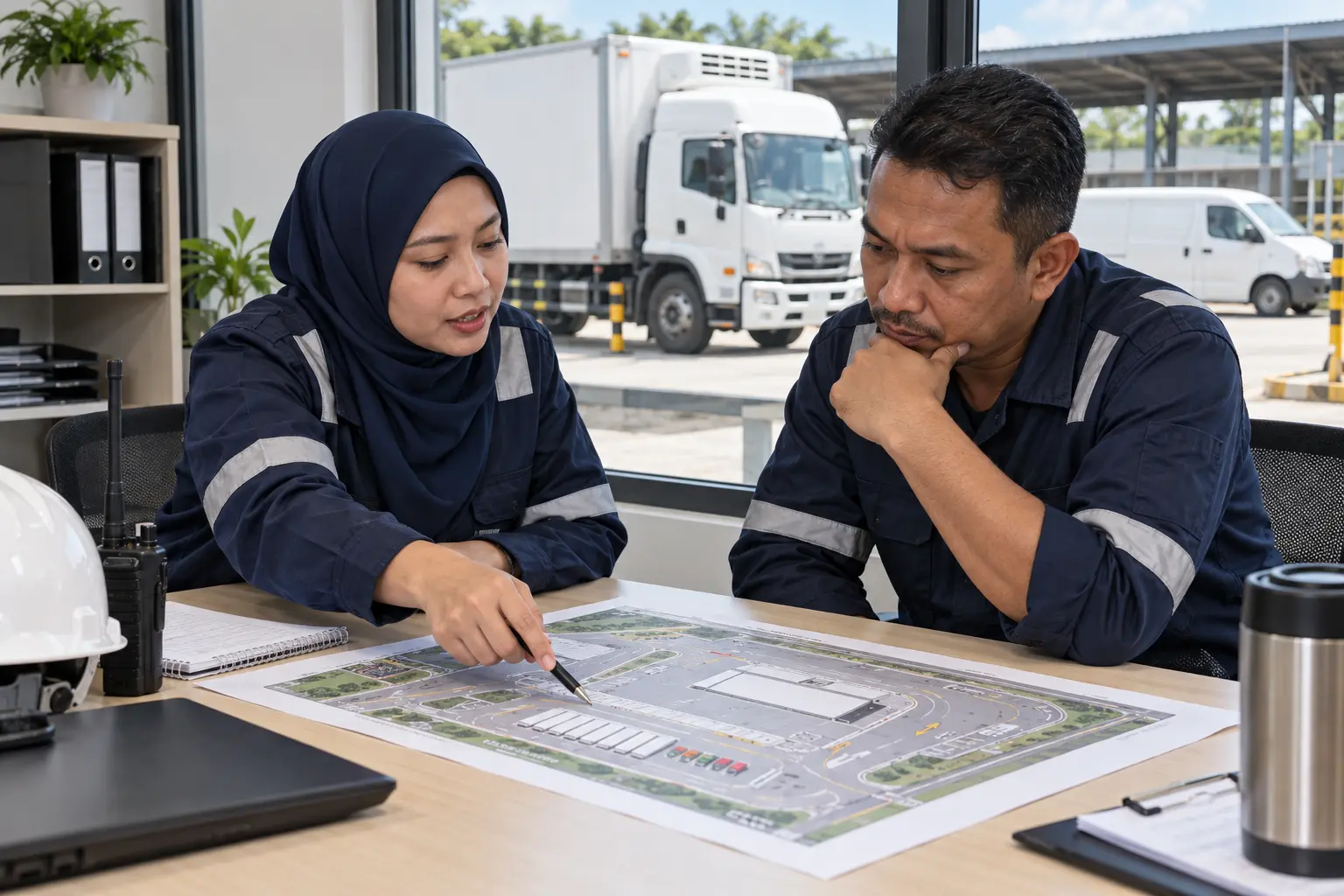
Before agreeing the syllabus, identify who drives for work, which vehicles they use and where difficult decisions arise. Include occasional business drivers and relevant contractor arrangements in your review, not only employees with “driver” in their job title.
Ask for input from drivers and supervisors. Useful evidence includes recurring route problems, vehicle defects, incident and near-miss reports, authorised observations and contextualised fleet data. Do not assume a telematics alert proves a skills gap without reviewing what happened.
HSE’s employer guidance organises driving risk around the driver, vehicle and journey. That is a useful planning framework; its UK legal statements must not be treated as Malaysian requirements. See the HSE driving-for-work overview. Confirm applicable Malaysian legal and sector-specific requirements separately.
A suitable syllabus connects a safety principle to a workplace decision. Ask the provider to explain what each driver should be able to demonstrate, not only which slides they will see.
Include observation ahead, mirror use, developing hazards, junction approaches and anticipation of other road users. Examples should reflect relevant traffic, pedestrians, motorcycles, roadworks and unfamiliar entrances. Drivers should practise explaining when they would adjust speed, create space or wait.
Speed and following-distance discussions should address visibility, weather, traffic, vehicle condition and load. Avoid teaching one spacing figure as sufficient in every situation. The outcome is appropriate judgement within applicable rules, not memorisation of a slogan.
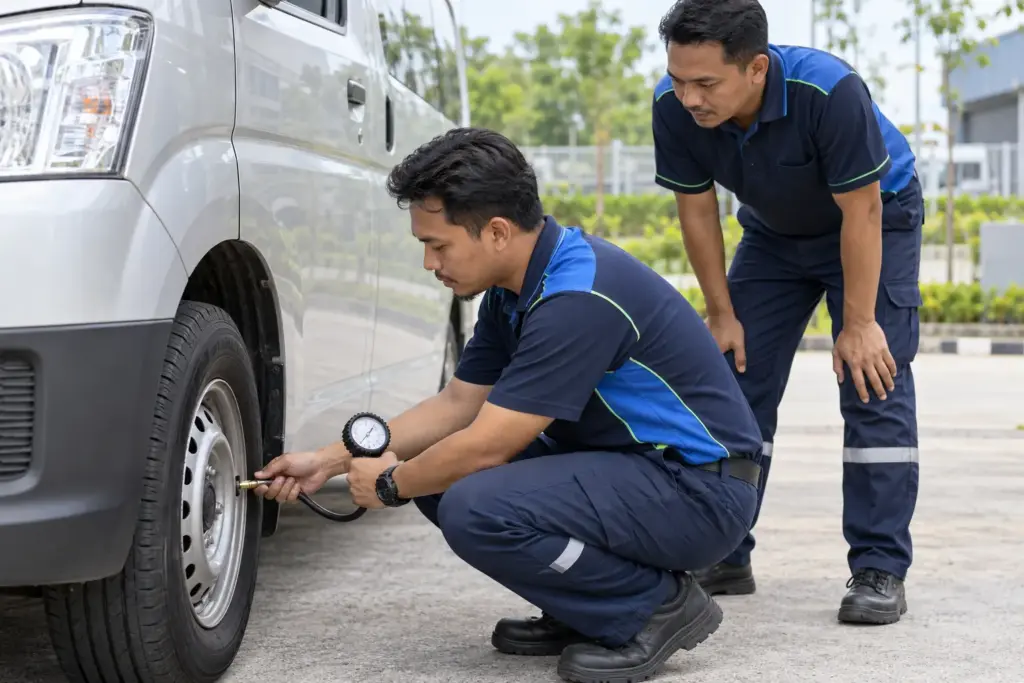
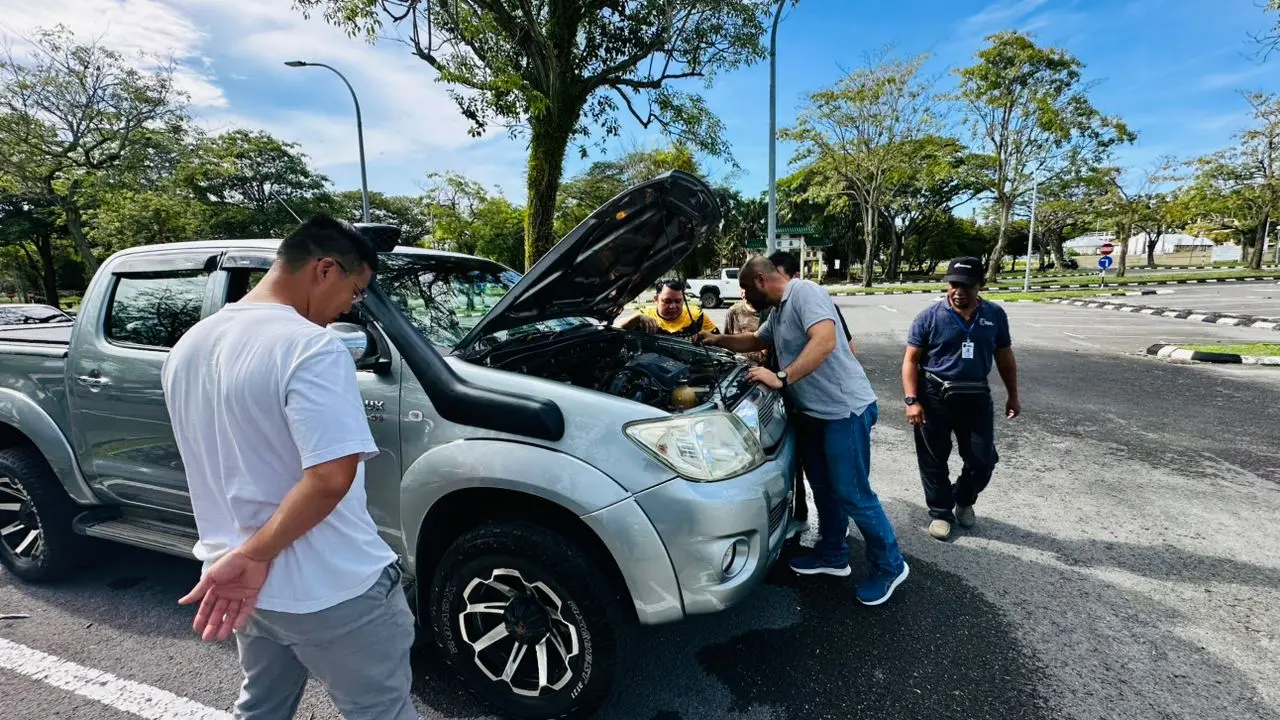
Teach the checks relevant to the vehicle and the company’s defect procedure. Drivers need to know how to report a concern, who decides whether a vehicle can be released and what to do when a replacement is unavailable.
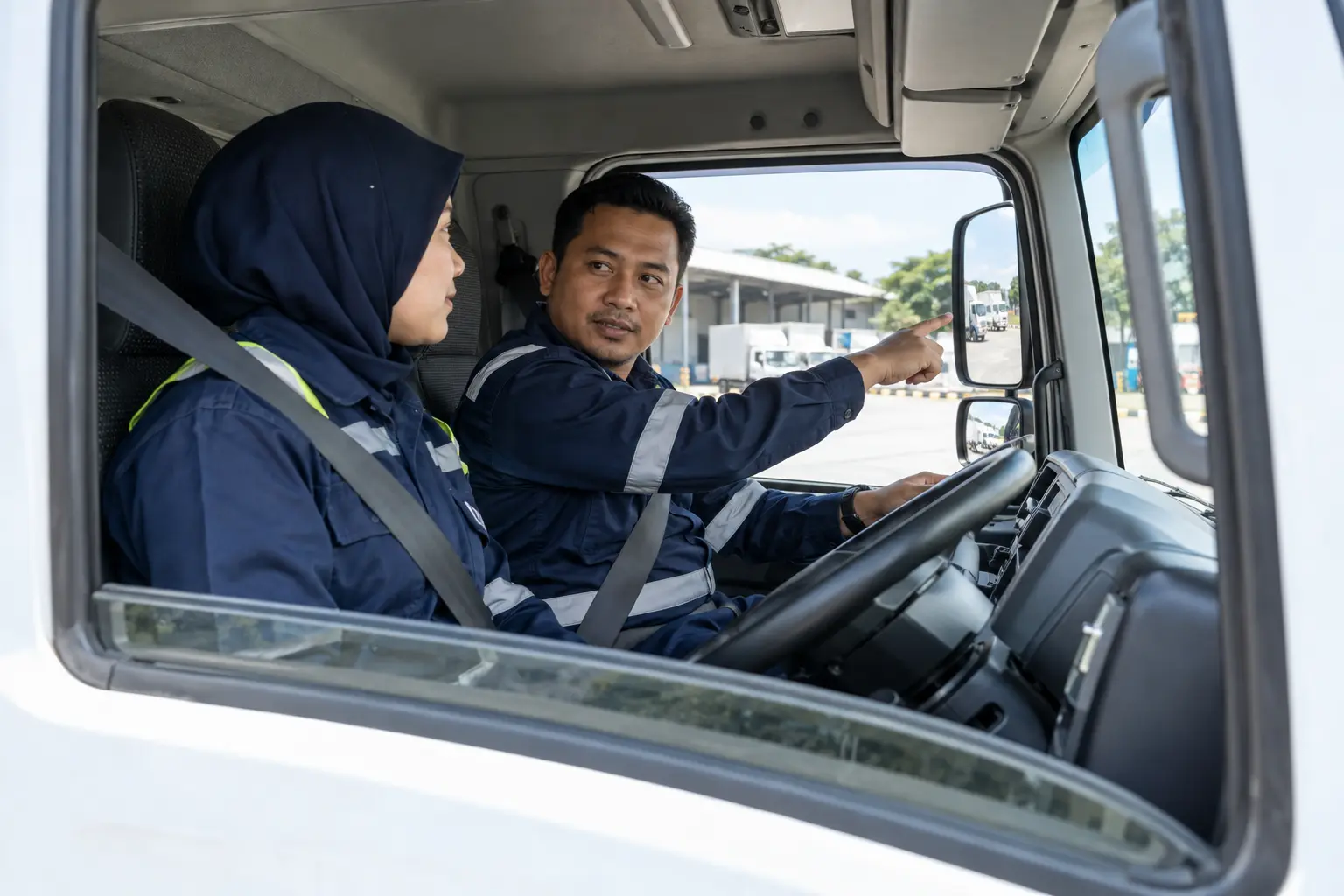
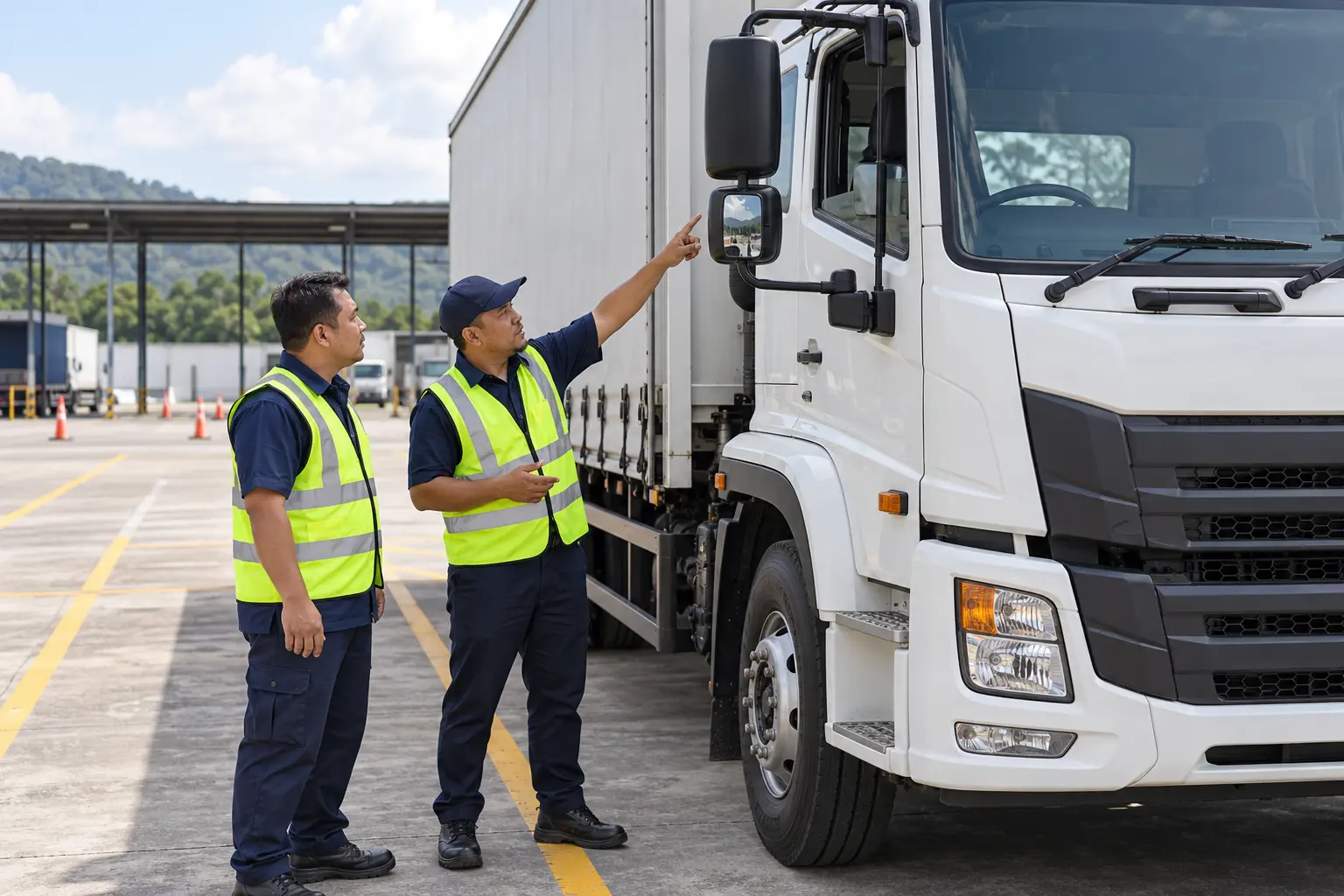
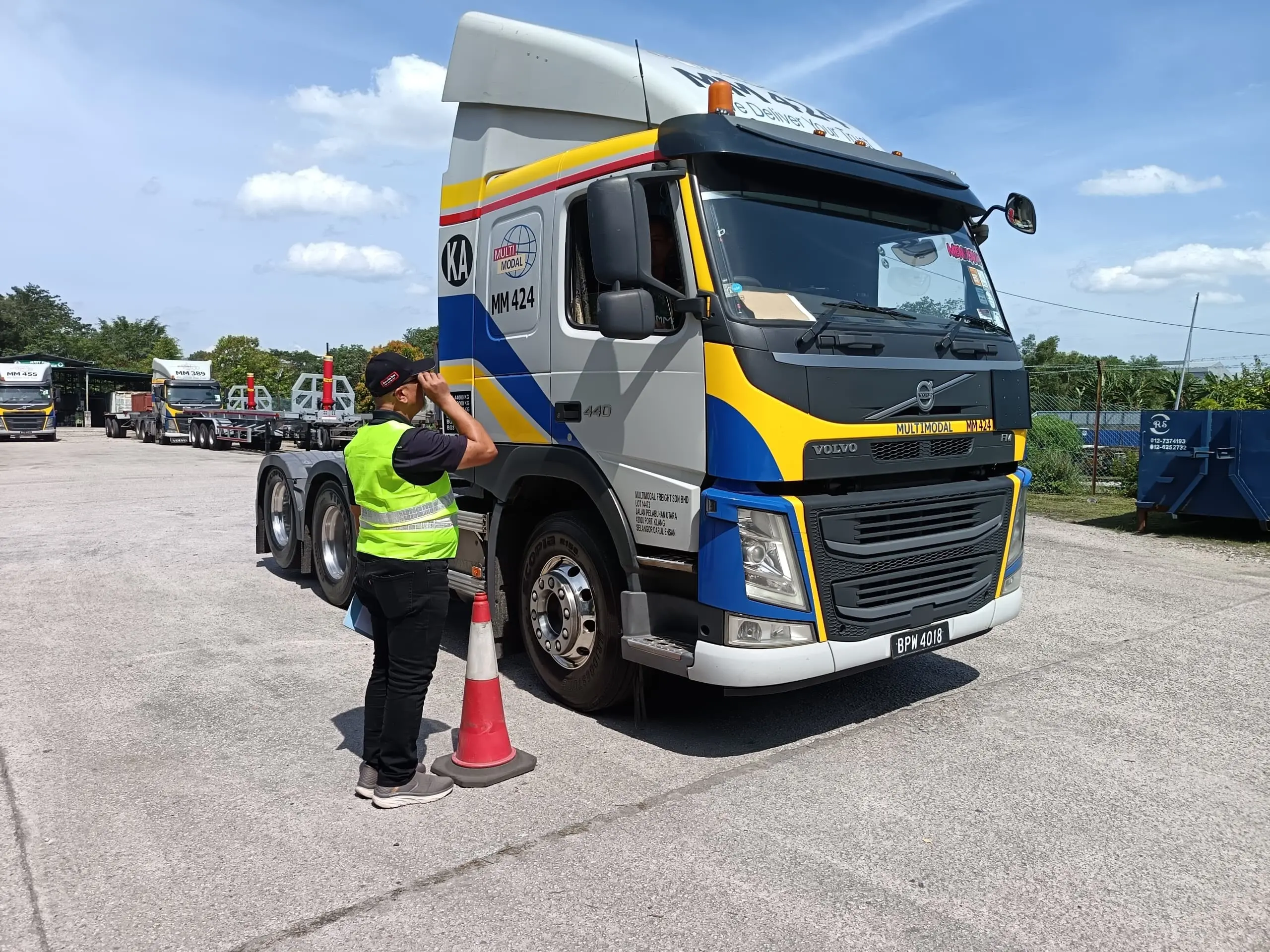
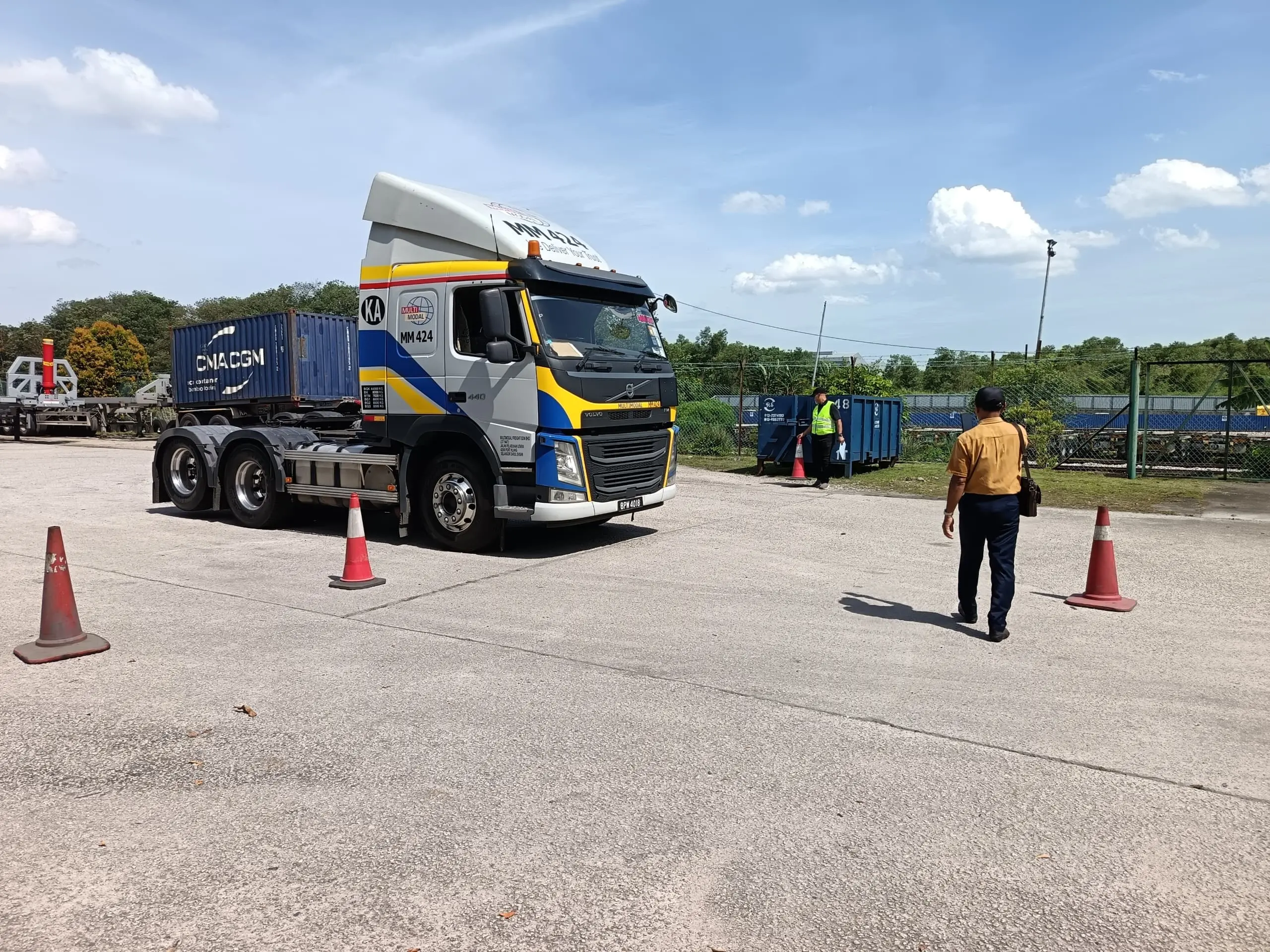
Familiarisation should cover controls, mirrors, visibility limits, restraints and vehicle dimensions. Heavy-vehicle, passenger and specialist operations require appropriate additional content. A classroom discussion about a truck does not establish competence to drive it.
Drivers should recognise when they are not fit to continue safely and know how to seek help. Teach the reporting route and the company’s response to fatigue concerns, rather than relying on willpower or quick-fix advice.
Discuss dispatch calls, navigation setup and safe communication. Set navigation before departure and handle calls or messages after parking safely. Supervisors and dispatchers need compatible expectations so work instructions do not undermine the lesson.
Include route suitability, realistic timing, rest opportunities, destination access and escalation when conditions change. Use scenarios involving heavy rain, congestion or an unsuitable site entrance, and ask who can revise the plan.
For specialist operations, agree relevant modules such as load responsibilities, passenger safety or route restrictions. Define the boundary between this programme and separate qualifications, licensing or specialist instruction.
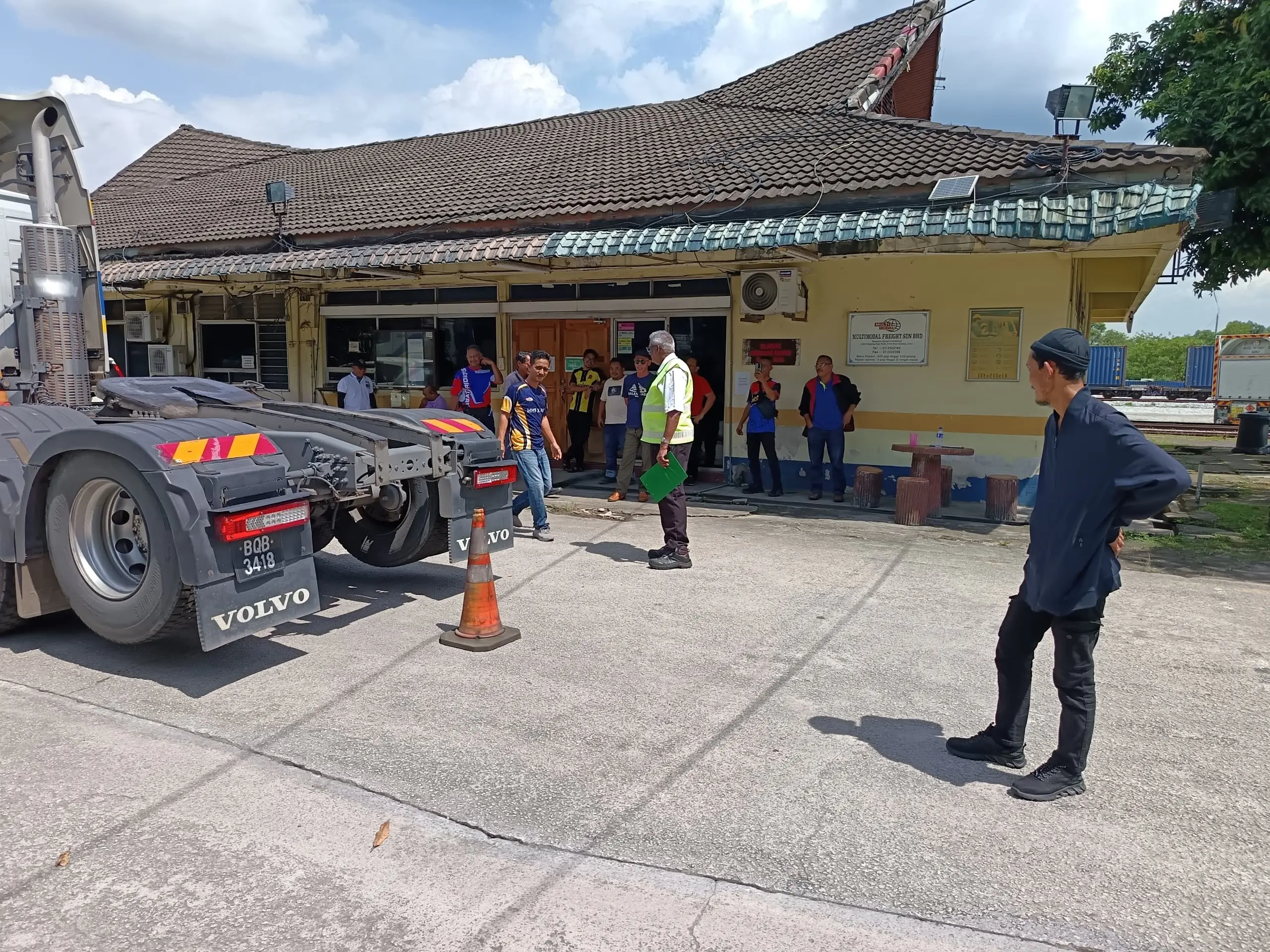
Cover pedestrian awareness, vehicle positioning and checking the manoeuvring area. Drivers should understand site rules, when assistance is required and when a manoeuvre should be paused. Where a trained signaller is used, agree communication and what happens if visual contact is lost.
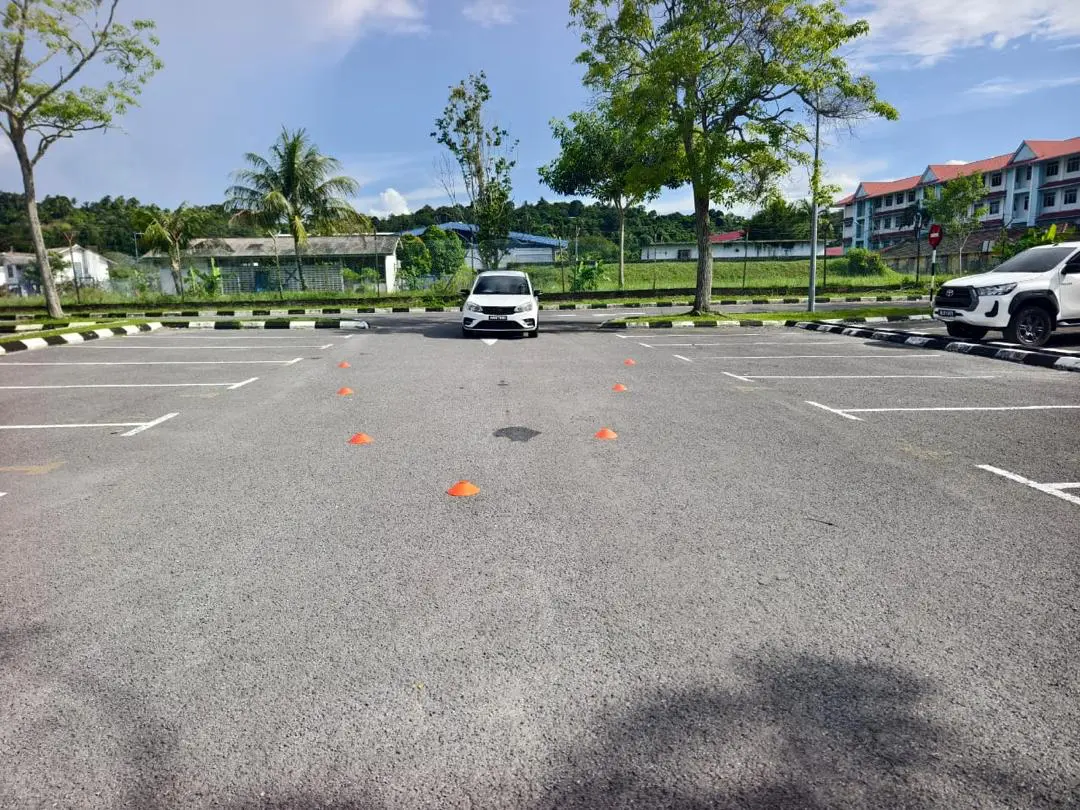
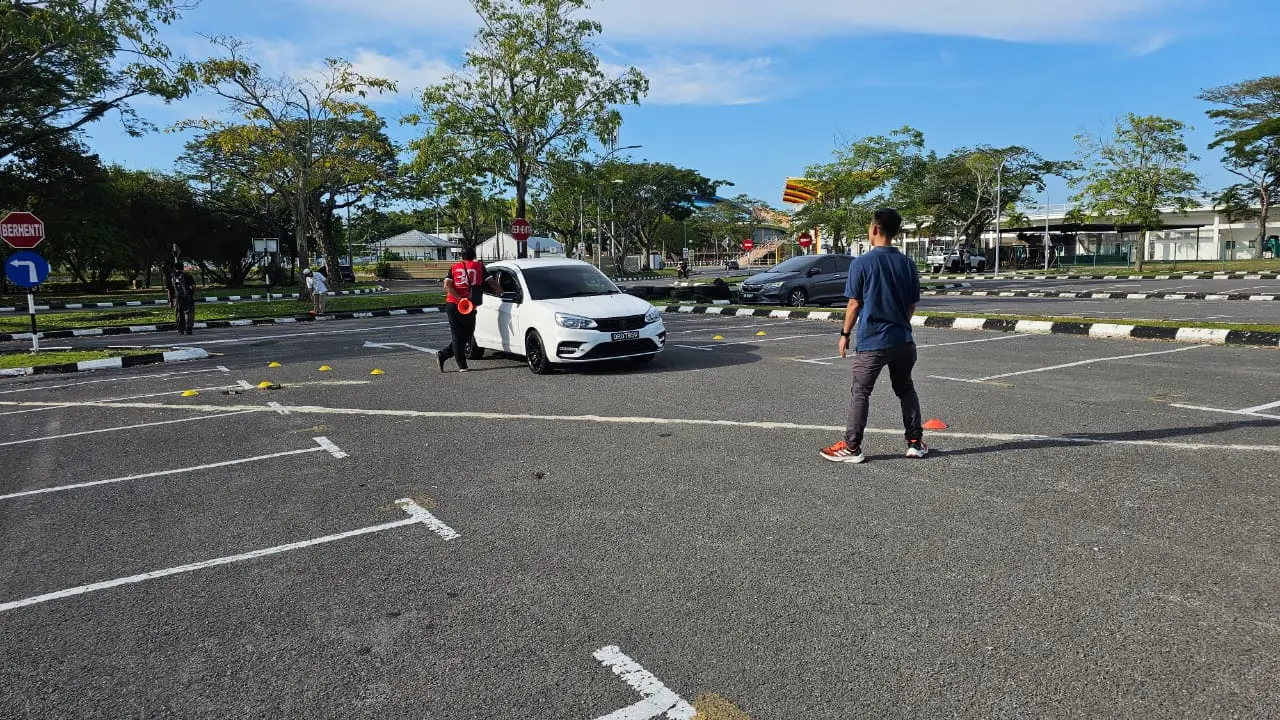
Practical exercises need a controlled environment with appropriate supervision. Do not create risky public-road situations to demonstrate emergency reactions.
Explain how to stop in a safe place, protect personal safety and contact the appropriate emergency or company support. Reporting exercises should identify what information can be gathered safely and who manages subsequent actions.
Drivers must not be expected to enter danger, investigate technical faults beyond their competence or collect photographs in an unsafe location. Link the lesson to the company’s actual procedures and available support.
Ask how the programme will assess understanding and application. A short knowledge check can identify misconceptions, while relevant supervised practice can reveal difficulties with decisions or vehicle handling. Each method has limits; the proposal should make those limits explicit.
| Learning outcome | Possible evidence | Follow-up if a gap appears |
|---|---|---|
| Recognise a developing hazard | Driver explains a route scenario and an appropriate response. | Revisit the scenario with coached reasoning. |
| Use the defect procedure | Driver identifies a concern and names the correct reporting route. | Clarify the procedure and repeat the exercise. |
| Plan a safe journey | Driver reviews timing, conditions and escalation options. | Address missing information with the supervisor. |
| Carry out a vehicle-specific task | Competent assessor observes an authorised practical exercise. | Provide further familiarisation or assessment as appropriate. |
Agree the assessor’s competence, criteria and recording method before delivery. An attendance certificate should not be presented as broader competence evidence than the course actually provides. Define how incomplete assessments and additional support needs will be communicated to the employer.
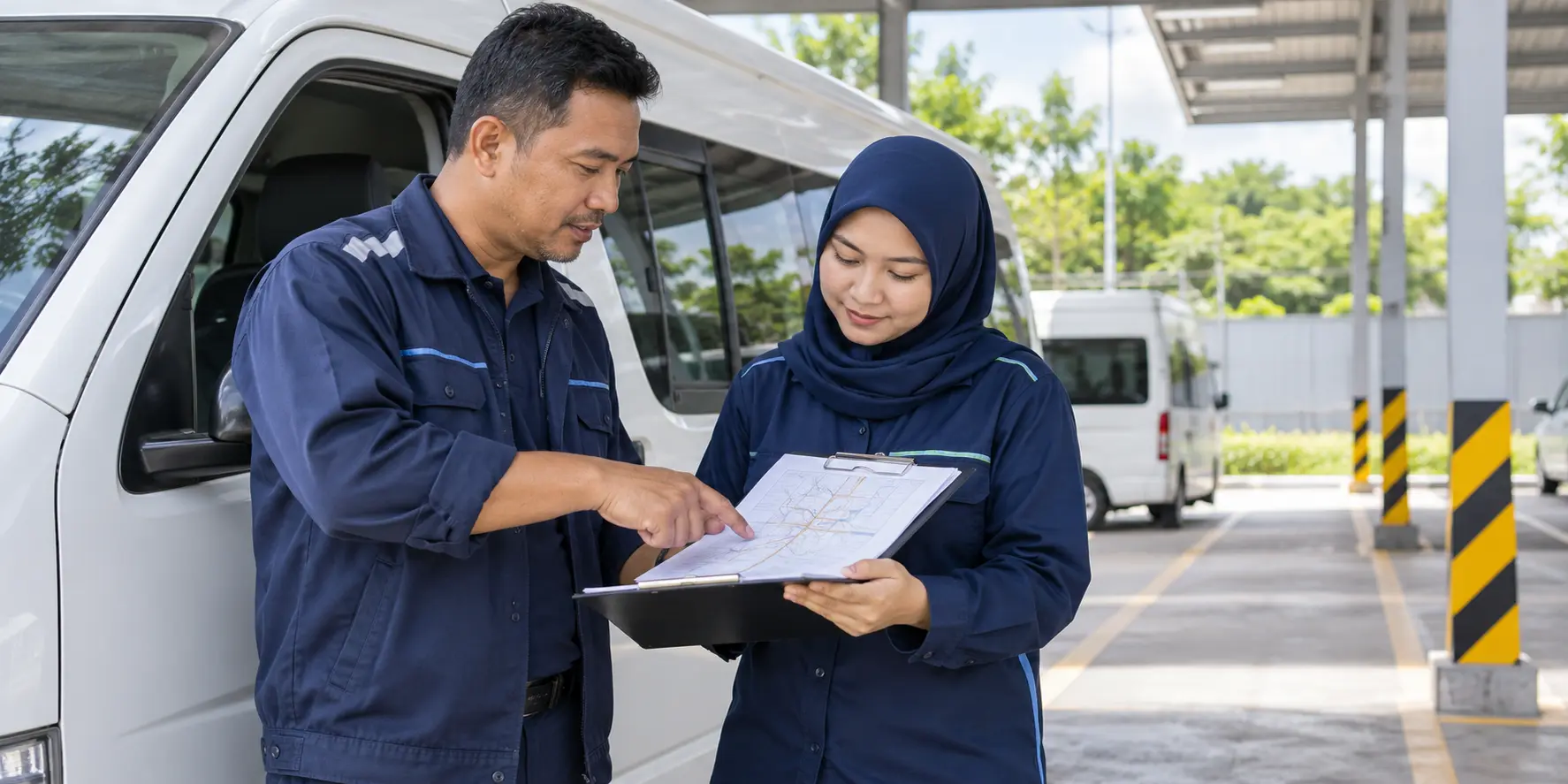
Drivers cannot resolve every operational barrier. Supervisors need to understand the behaviours being taught and the decisions they must support, such as delaying a departure, arranging a suitable vehicle or clarifying customer-site access.
Request a handover that identifies learning priorities, any individual follow-up and suggested observation points. Handle individual records appropriately and explain their purpose to participants. If fleet data is used, agree authorised access and review arrangements rather than treating monitoring as automatic compliance.
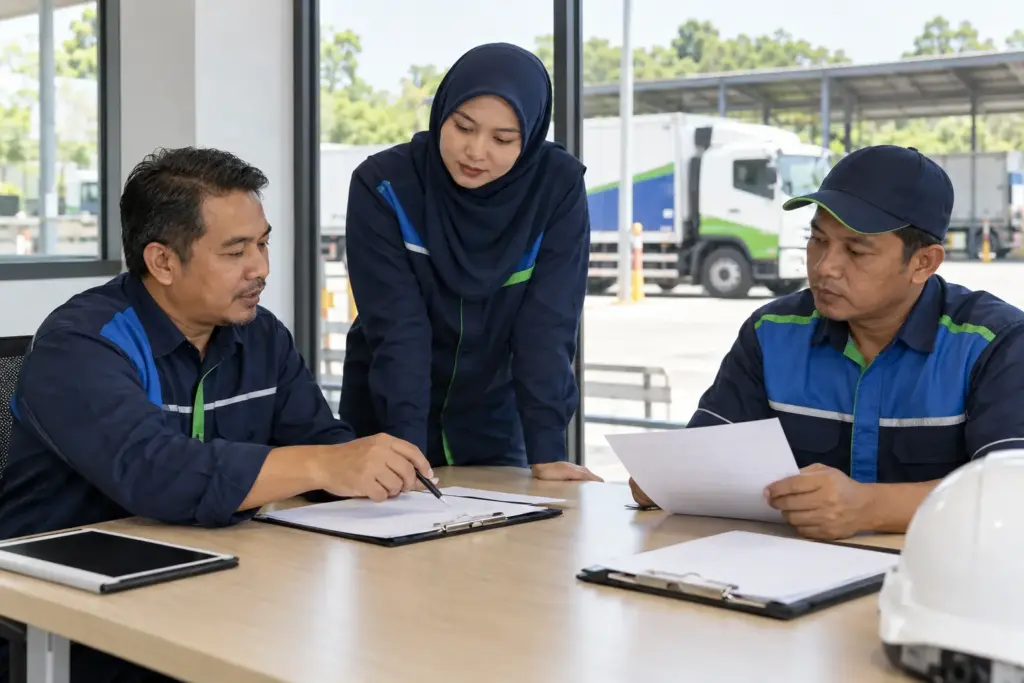
Duration should follow the scope, group size and practice requirements. A one-day programme may suit some objectives, but it should not be assumed to cover every risk or establish competence for every vehicle. Ask what must be handled separately.
Choose a small set of behaviours to check after training and identify who will observe them. Examples include better route preparation, appropriate reporting and correct use of the defect procedure. Combine observations, driver feedback and completed management actions.
Do not rely only on a short-term reduction in incidents. Exposure and reporting practices can change, and early numbers cannot establish that training caused an improvement. Use the review to decide which skills need reinforcement and which working conditions need attention.
Shared core content can be useful, but examples, vehicle practice and assessment should match the work. Different vehicle types or specialist tasks may need separate instruction.
It depends on the outcomes. Discussion can build understanding, but vehicle-specific tasks may require supervised practice and assessment. Ask the provider to explain what the chosen format can and cannot demonstrate.
No. Training is one part of managing driving risk. Verify the legal, licensing, contractual and operational obligations that apply to your organisation; a generic syllabus cannot establish them all.
Provide the driver groups, vehicle types, route risks, relevant procedures and intended outcomes. Share suitable operational examples without unnecessary personal or confidential information.
Prepare a brief covering your drivers, vehicles, work patterns and priority risks. Contact ADHINS about corporate road safety training and fleet safety support, and request a proposal that clearly defines learning outcomes, practical activities and follow-up responsibilities.





©2026 ADHINS Management Sdn Bhd. All Rights Reserved.