

Defensive driving training is a starting point. Its operational value depends on what happens when drivers return to congested roads, changing weather, unfamiliar sites and delivery pressure. Building safer daily fleet behaviour means turning course lessons into observable actions, supporting those actions during a shift and checking whether they are being maintained.
For Malaysian companies, the practical question is simple: what should drivers and supervisors do differently tomorrow? This guide offers a follow-through process for fleet managers, transport supervisors and safety teams. Adapt it to your vehicles, routes and workforce; it is not a prescribed legal training schedule or a guarantee that incidents will stop.
“Drive safely” is too broad to coach consistently. Choose a small set of actions linked to the risks your drivers actually face. Ask drivers which situations make those actions difficult, and agree how supervisors will support them.
| Training lesson | Daily action to reinforce | How to check it |
|---|---|---|
| Create time and space | Increase the following margin when conditions deteriorate; avoid closing up to prevent another vehicle merging. | Discuss one real route example during an authorised observation. |
| Recognise hazards early | Look beyond the vehicle ahead and prepare for junctions, pedestrians and changing traffic. | Ask the driver to explain a developing hazard after stopping safely. |
| Manage distraction | Set navigation before departure and handle work calls only after parking safely. | Review dispatch expectations as well as driver practice. |
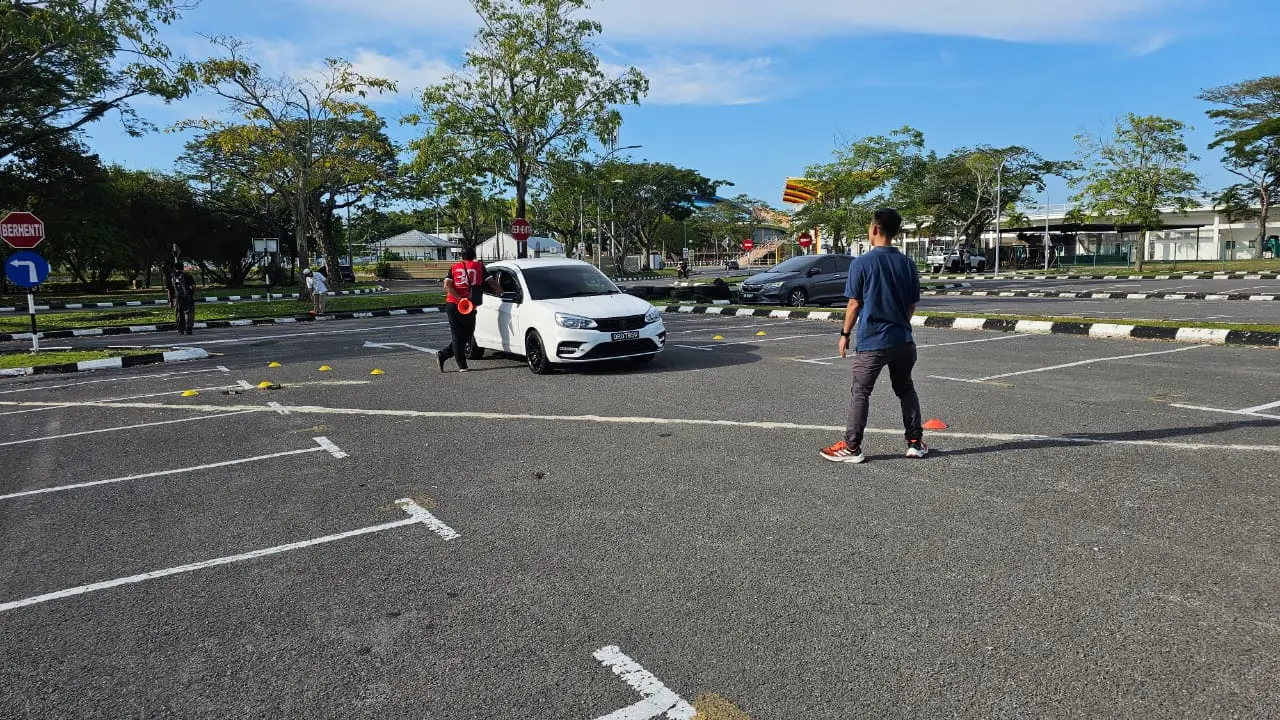
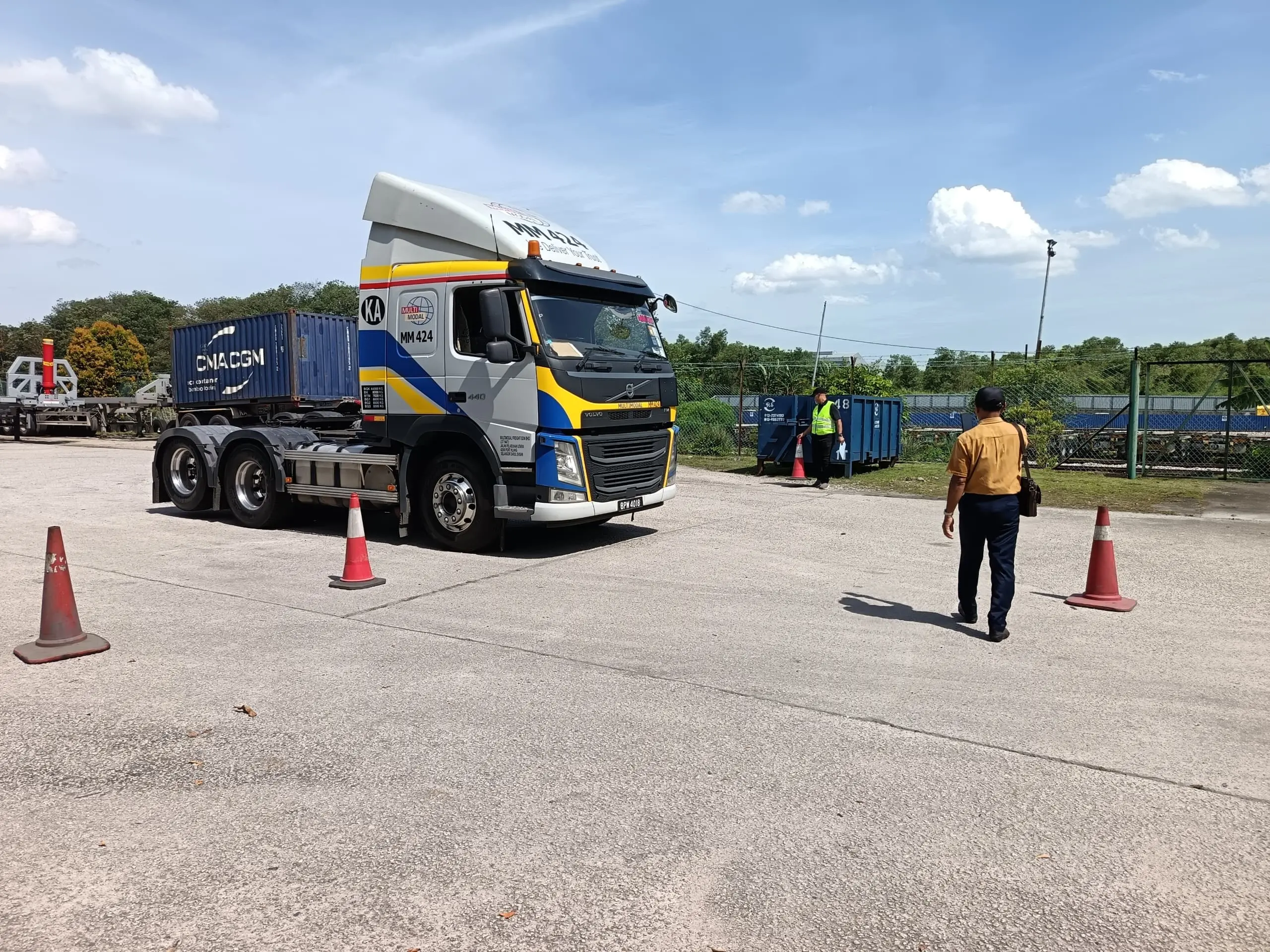
| Make safe manoeuvres | Assess the site before reversing; follow the site’s pedestrian and assistance procedures. | Observe a permitted manoeuvre in a controlled area. |
| Recognise limits | Report fatigue, unsafe defects or an unsuitable route before continuing. | Check whether the supervisor resolved the report. |
Select two or three priorities initially. A long checklist can hide the behaviours that matter most. Heavy vehicles, buses, vans and company cars need different examples and assessments; do not assume a single vehicle exercise proves competence across the fleet.
A driver may understand safe spacing yet feel pressured to recover a late delivery. A supervisor may encourage reporting but criticise a driver for stopping when tired. These conflicts weaken the lesson before another training session can help.
Review schedules, call-handling expectations, vehicle availability and customer-site instructions alongside training. HSE’s driving-for-work guidance groups risk around the driver, vehicle and journey, including time pressure, fatigue and weather. This is a useful management reference, but its UK legal statements are not Malaysian legal requirements. See the HSE employer guidance.
Give drivers a named person to contact when a plan becomes unsafe. Supervisors need authority to change a departure, arrange a suitable vehicle or escalate a site problem. An instruction to stop is ineffective if nobody can manage the operational consequences.
Keep the briefing relevant to the day’s work. Choose one route risk and one action rather than repeating the entire course. For example, a rainy shift might focus on reduced visibility, earlier speed adjustment and a larger following margin.
Invite one driver to describe how they would respond. Correct misunderstandings before departure. Do not hold a briefing while someone is driving, or create a new reporting task that requires device use on the road.

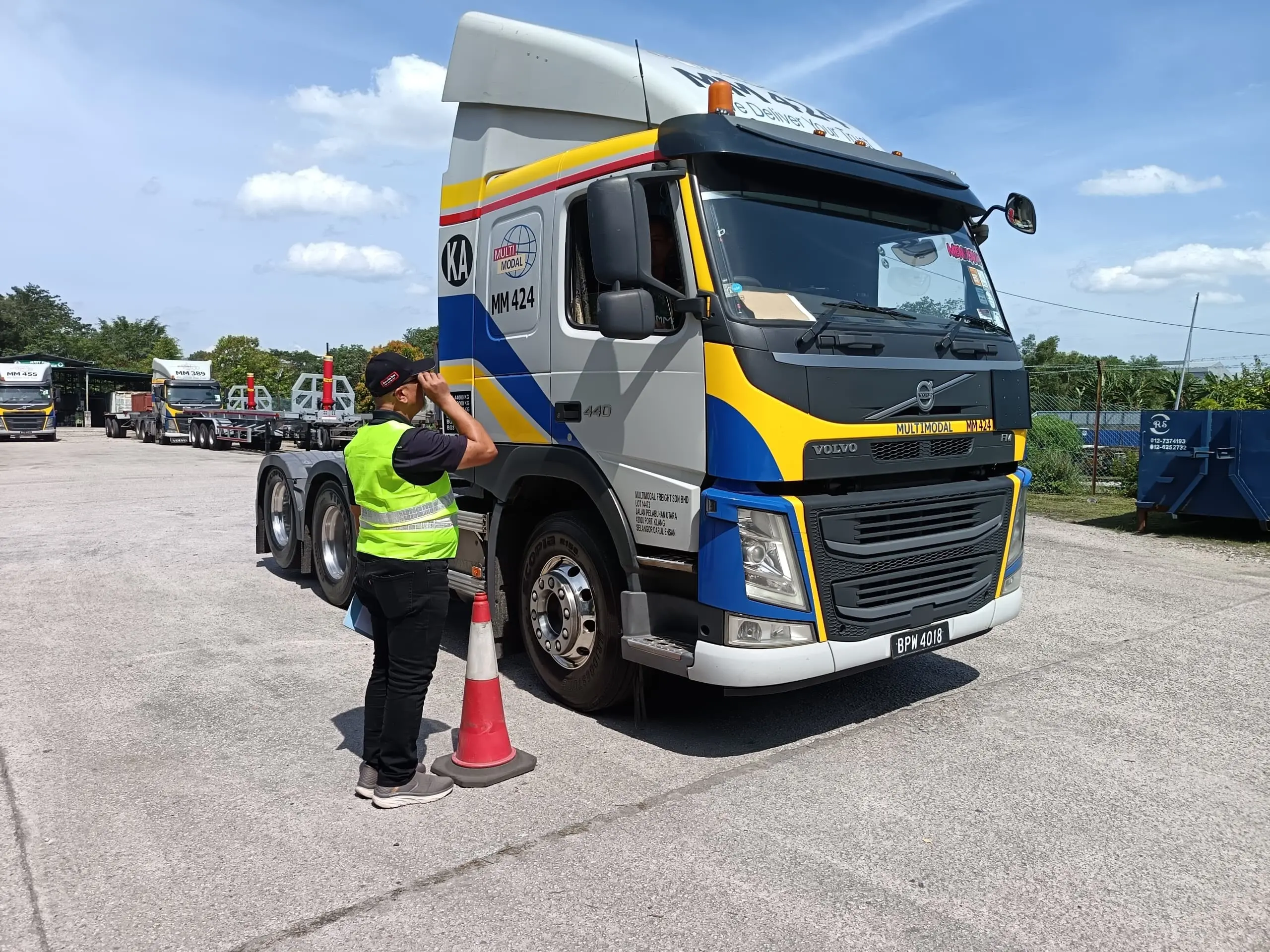
Attendance shows that a driver joined a course; it does not show how they handle a demanding junction weeks later. Use an appropriately competent observer and a planned, authorised assessment to review selected behaviours.
Set the route, vehicle suitability and observation criteria in advance. Explain the purpose to the driver. Avoid distracting questions during complex traffic situations; discuss decisions once it is safe to do so. Do not stage emergency braking or risky manoeuvres on public roads to test reactions.
Record specific examples rather than labels such as “careless”. A useful note identifies the situation, the observed action and the agreed change. Include safe decisions worth reinforcing, such as declining an unsafe manoeuvre or allowing extra time for a difficult entrance.
A useful coaching conversation starts with the driver’s explanation. Ask what they noticed, what influenced their decision and what would make a safer response easier next time. Then agree a practical action and a review point.
For example, a driver approaching a busy delivery entrance may benefit from earlier planning and a confirmed safe waiting area. If site instructions are unclear, the supervisor must also resolve them. Coaching should not assign every system problem to the driver.
If your fleet uses telematics or IVMS, treat alerts as information to investigate rather than automatic proof of poor driving. An abrupt braking event may reflect late anticipation, another road user’s action or an appropriate response to danger.
Check vehicle identity, device accuracy, route and conditions before drawing conclusions. Combine the event with driver feedback and any authorised evidence. Compare like-for-like work where possible: mileage, route difficulty and vehicle type affect exposure.
A raw event count can be misleading if one driver travels much farther than another. Define the measure, period and exposure basis clearly. Do not reward lower alert numbers if that could discourage appropriate braking or reporting.
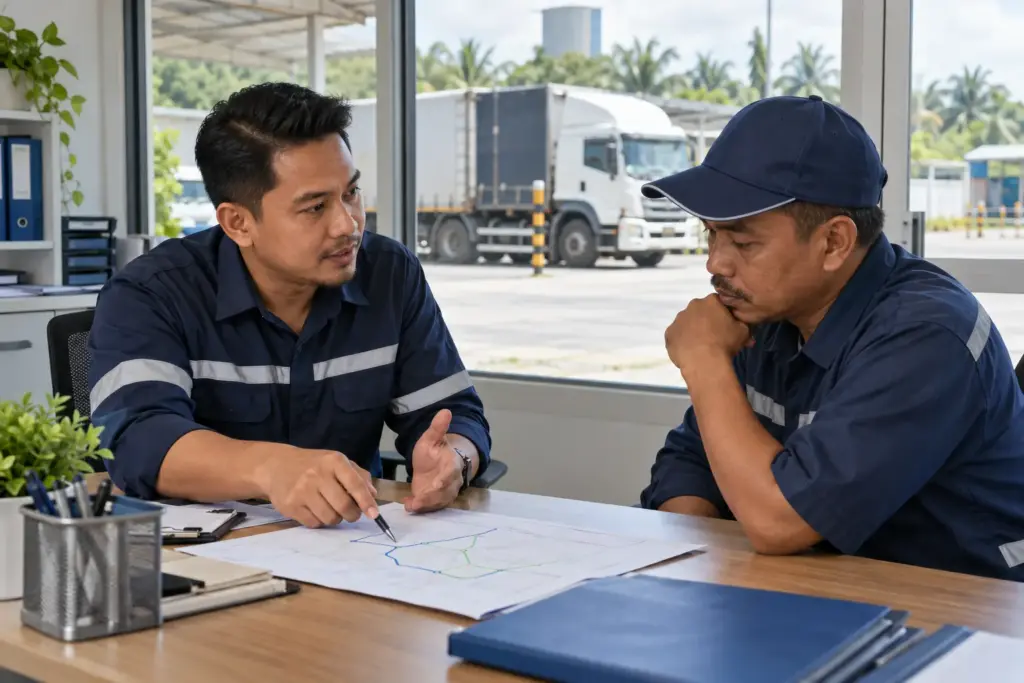
Incident totals alone cannot show whether the follow-through process is working. A short quiet period may reflect limited exposure rather than improved behaviour. Conversely, more near-miss reports may reflect greater willingness to speak up.
Use a small balanced set of measures: completed observations, agreed actions checked, recurring issues by route and unresolved scheduling or site problems. Review incidents alongside exposure and reporting quality. Avoid presenting early changes as proof that training caused a reduction.
Managers should also check their own commitments. Were unsafe defects dealt with? Were drivers supported when they paused a journey? Were repeat customer-site hazards escalated? Closing these actions makes safety expectations credible.
The following is an illustrative rollout, not a mandatory timetable. Adjust it to fleet size, shift patterns and risk.
Continue the cycle beyond the first month. Changed vehicles, routes, incidents or persistent difficulties may call for further assessment or targeted training. A calendar reminder can support planning, but it should not replace risk-based judgement.
A certificate records the training or assessment it represents. Employers should also check how relevant skills are applied to the driver’s actual vehicle and work, and address gaps found during follow-up.
Choose a frequency based on exposure, operational changes and identified concerns. There is no universal review interval established by this article. Include targeted follow-up after coaching and changes in work.
No single source gives a complete picture. Telematics can flag events for review, while observation and driver discussion help explain decisions and circumstances that numbers may miss.
Check both skill and working conditions. The response may involve coached practice, vehicle familiarisation, a schedule change or clearer site instructions. Agree who owns each action and confirm it has been completed.
Bring your vehicle types, route risks and current supervision arrangements to the conversation. Contact ADHINS about defensive driving training and fleet safety support, and ask how the proposed scope can connect course learning with your daily operational priorities.









©2026 ADHINS Management Sdn Bhd. All Rights Reserved.