

Daily vehicle safety checks help drivers spot visible problems before they become a road hazard. Their value depends on more than completing a form: a concern must reach someone who can assess it, arrange action and decide whether the vehicle can be used safely.
For Malaysian companies, a useful routine covers the start of work, changes during the shift and the end-of-day handover. This guide explains that daily control cycle for fleet drivers and supervisors. Adapt the checks to the vehicle manufacturer’s instructions, your operation and applicable requirements; a walkaround does not replace maintenance, statutory inspection or specialist assessment.
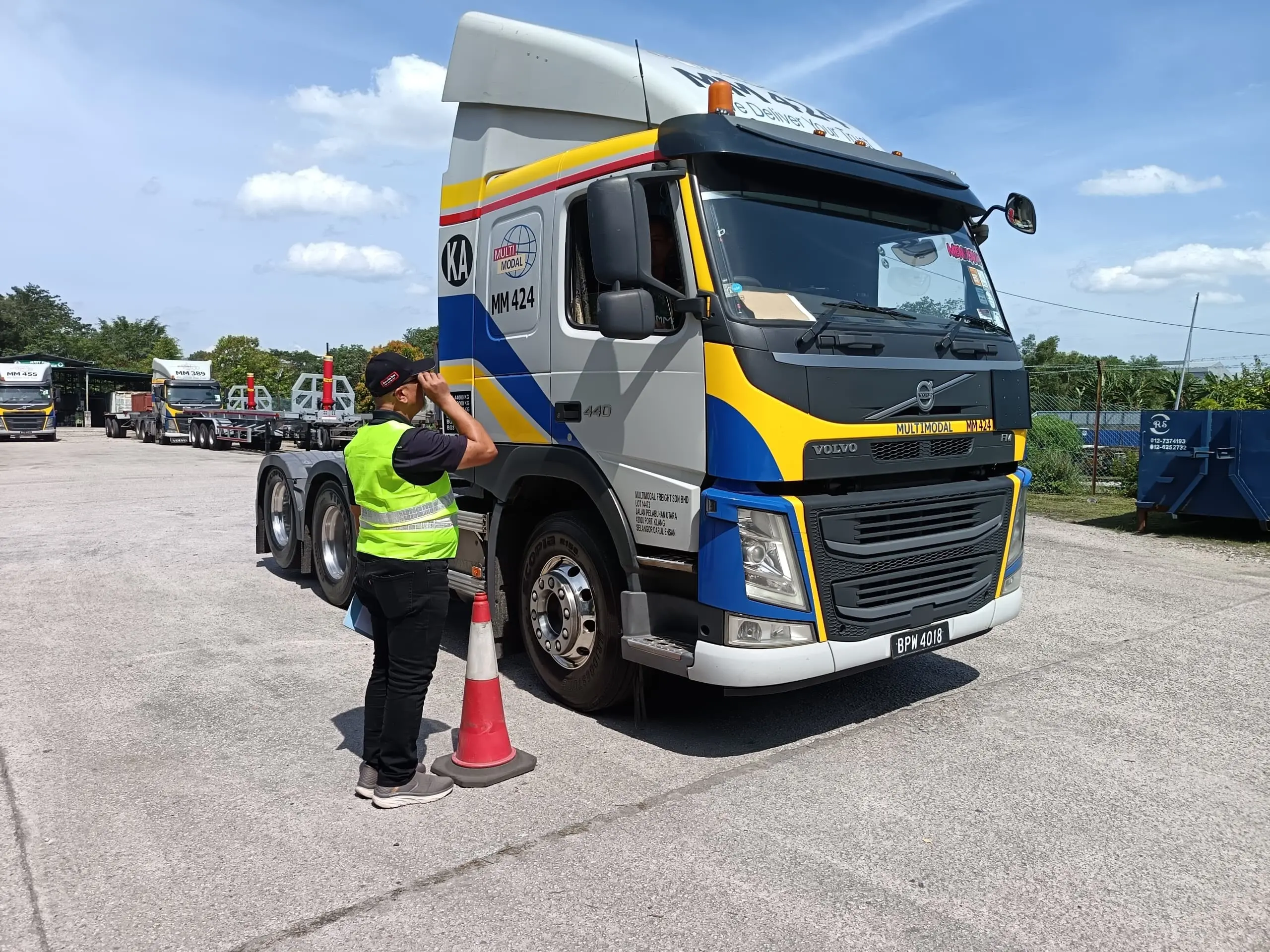
Before departure, park in a suitable inspection area, secure the vehicle and follow its operating instructions. Use adequate lighting and keep clear of moving vehicles. Do not crawl underneath, climb on unsafe surfaces or open hot or pressurised components to complete a checklist.
The driver should know the reporting contact and what to do when a check cannot be completed. If a safety-critical concern is found, hold the vehicle from use and obtain assessment through the company’s authorised process. A delivery deadline is not a technical clearance.
HSE’s driving-for-work guidance includes vehicle condition among the risks employers should manage. Its driver, vehicle and journey framework is a useful reference, but UK legal statements are not Malaysian requirements. See the HSE employer overview.
Look for obvious cuts, bulges, damage, objects lodged in tyres and signs of unusual wear. Check pressure using the vehicle-specific instructions and specified pressures where the procedure requires it; appearance alone cannot confirm pressure.
Look for missing wheel fixings or visible signs of a problem without attempting an improvised repair. Drivers should not guess torque settings or decide that a damaged tyre is acceptable for one more trip. Report uncertainty and let an appropriately competent person assess it.

Check the lights and indicators relevant to the vehicle, keeping any helper out of its path. Review mirrors, windows and windscreen condition, and ensure visibility is not obstructed by paperwork, accessories or loads.
Check wipers and washers according to the vehicle procedure. Rain can expose a visibility problem that was less obvious in dry conditions. Report damaged mirrors, ineffective wipers or other concerns before they become part of a difficult journey.
Review dashboard warnings using the handbook and company instructions. Do not dismiss an unfamiliar warning or reset it simply to clear the display. Some indications are normal during start-up; drivers need vehicle-specific familiarisation to understand the difference.
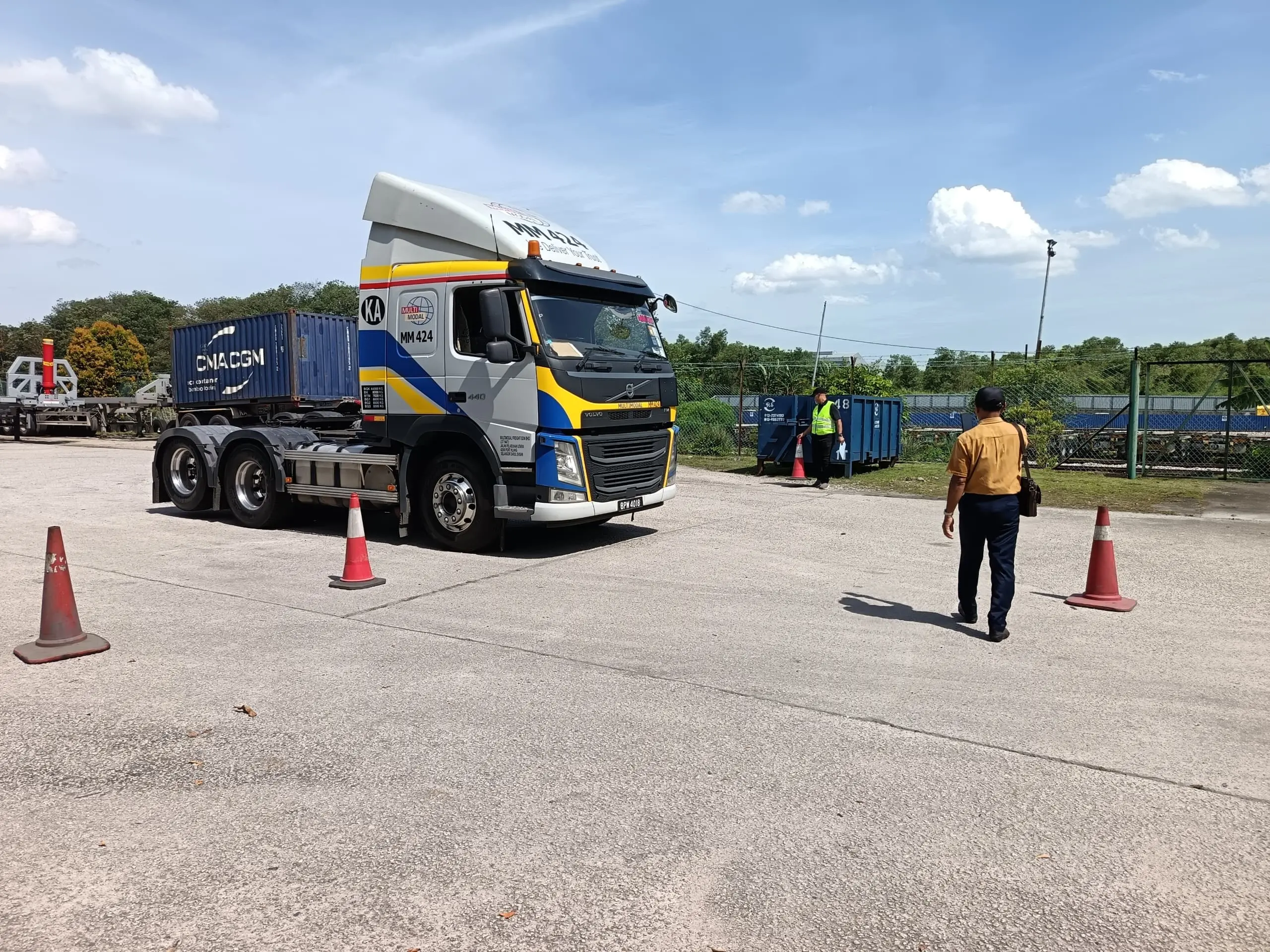
Follow the approved vehicle procedure for braking and steering checks. Any permitted functional check must take place safely in a suitable area, not as an improvised test in public traffic. Heavy vehicles may have additional systems and checks requiring specific instruction.
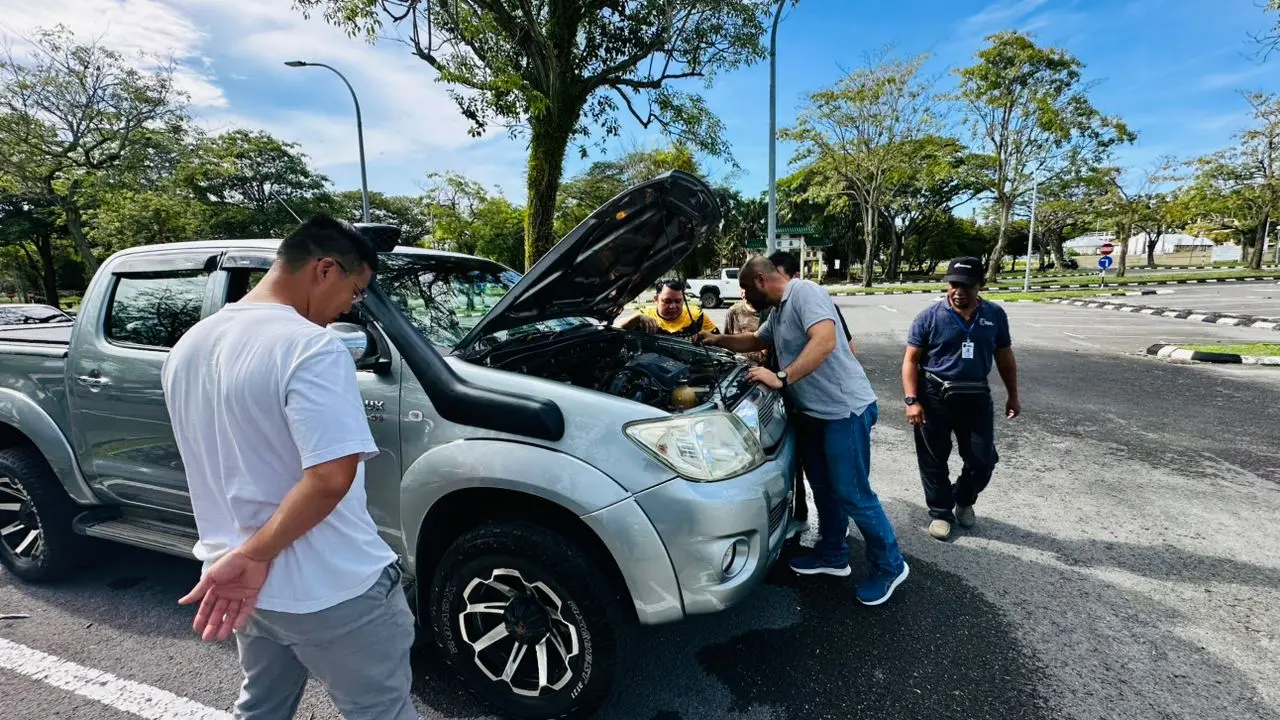
Look for visible leaks or unusual signs around the parked vehicle. Fluid-level checks must follow the manufacturer’s instructions, including temperature and isolation precautions. Never open a hot cooling system or work on equipment beyond your training.
Unexpected braking response, unusual steering behaviour, a suspected significant leak or an unresolved critical warning calls for escalation. Drivers describe the symptom; competent assessment determines its cause and the appropriate response.
Inspect accessible seat belts and their operation, and make sure doors and access points close securely. Keep the cab clear of loose items that may interfere with controls. Check emergency equipment where it is required by the operation and applicable rules.
Match the rest of the checklist to the task. Vans may need cargo-door and load-restraint checks. Trucks may require coupling or load-related procedures. Buses need passenger-access and relevant emergency-system checks. These are not interchangeable routines.
Do not treat this article as a complete heavy-vehicle, passenger or specialist inspection specification. Use the appropriate vehicle and operational procedures, and arrange training where drivers cannot confidently complete them.
A report saying “vehicle bad” is difficult to resolve. Capture enough detail to identify the asset and the concern without making the driver diagnose a fault.
| Record | Useful detail |
|---|---|
| Vehicle | Registration or fleet asset identifier and check date/time. |
| Finding | Location and observable symptom, such as a damaged mirror. |
| Immediate action | Vehicle held, supervisor contacted or other approved action. |
| Assessment | Authorised assessor, decision and any limits or repair requirement. |
| Closure | Repair or action evidence and authorised release status. |
Photographs may help if they can be taken safely and the company permits them. Do not enter a traffic lane or an unsafe position to document a concern. Record checks with no findings as well, while making clear that this is a driver check rather than a technical inspection certificate.

A morning check describes a moment in time. A new warning, impact, unusual noise or change in vehicle behaviour needs attention when it occurs. After loading, a vehicle swap or a relevant incident, use the additional checks required by your procedure.
If a concern develops on the road, prioritise a safe stopping location and follow the company’s breakdown or emergency arrangements. Do not stop abruptly in a dangerous position simply to inspect something, and do not carry out roadside repairs beyond your competence.
For shared vehicles, the next driver should receive current defect and release information. “Someone checked it earlier” is not enough if the asset has changed condition or an unresolved report exists.
Report concerns noticed during use so maintenance and the next shift can plan. Make outstanding status visible to dispatch: a parked vehicle is not automatically an available vehicle.
The supervisor should confirm who owns each action, when assessment will happen and how release will be communicated. Prevent a vehicle from being reassigned while its safety status is unresolved, using the organisation’s approved controls.
For example, a driver finds a damaged mirror before departure. The concern is logged, the vehicle is held and a competent assessment is arranged. Dispatch revises the journey or vehicle allocation. Release follows the authorised process after the required action; the driver is not asked to improvise a workaround.
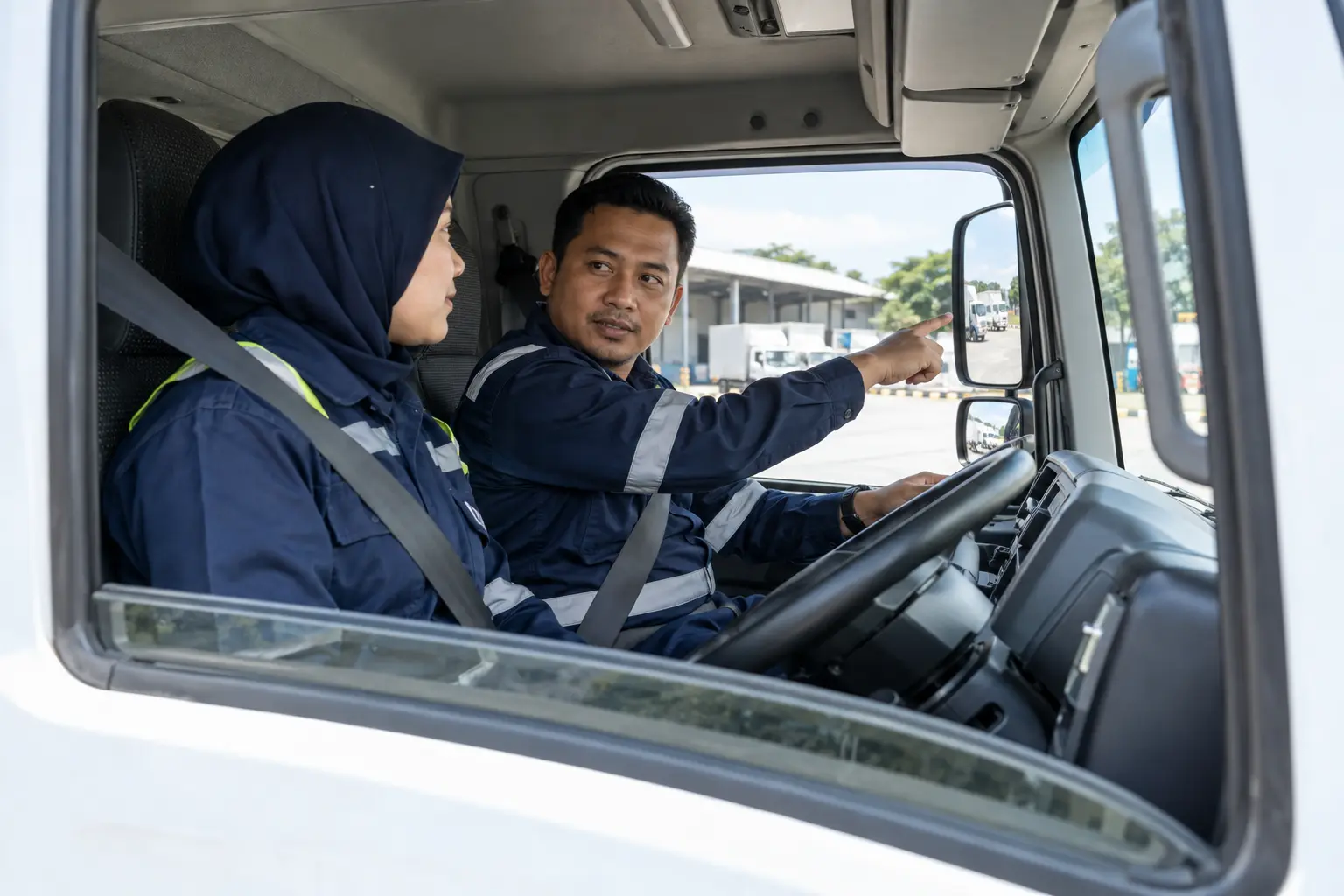
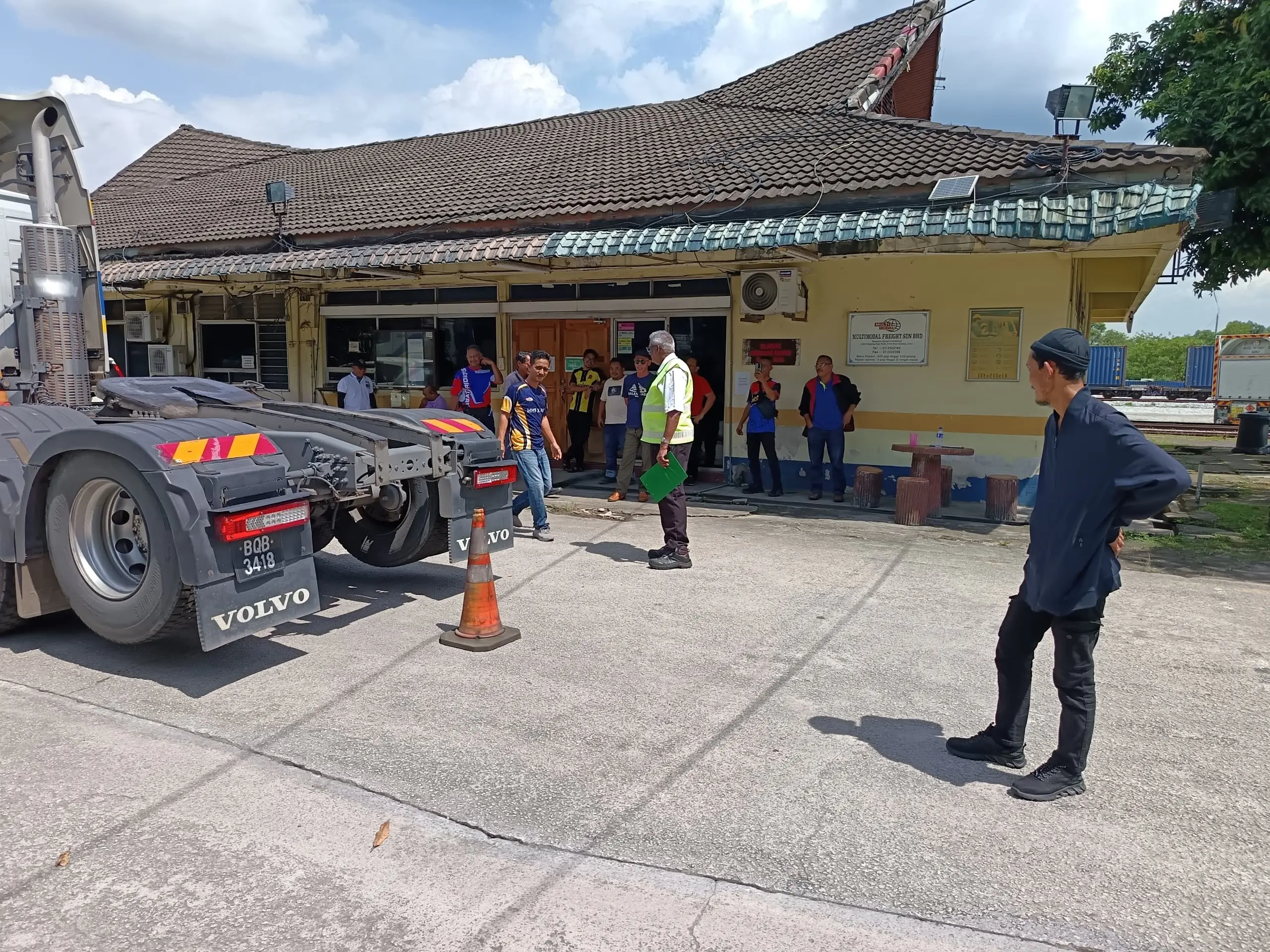
Provide enough time, a safe inspection location and vehicle-specific instruction. Demonstrate the routine and ask drivers to explain what they would do with a finding. A checklist cannot compensate for a driver who does not recognise a defect or a supervisor who does not respond.
Review recurring findings by vehicle and type. Repeated reports may indicate an unresolved repair, inadequate checks or an operational problem. Review the evidence before assigning blame. Useful measures include unresolved defects, time to assessment and confirmed closure, rather than form completion alone.
No. Driver checks identify accessible concerns and support reporting. Planned maintenance and competent technical inspection remain separate requirements.
Allow enough time for the vehicle-specific routine to be completed properly. There is no universal time established here; vehicle type, equipment and operating conditions affect the scope.
Use a clear authorised decision process with an appropriate record. A supervisor’s operational authority does not replace technical competence when assessment is needed.
Report the uncertainty and follow the hold-and-assess procedure where safety may be affected. Drivers should not guess or repair beyond their competence.
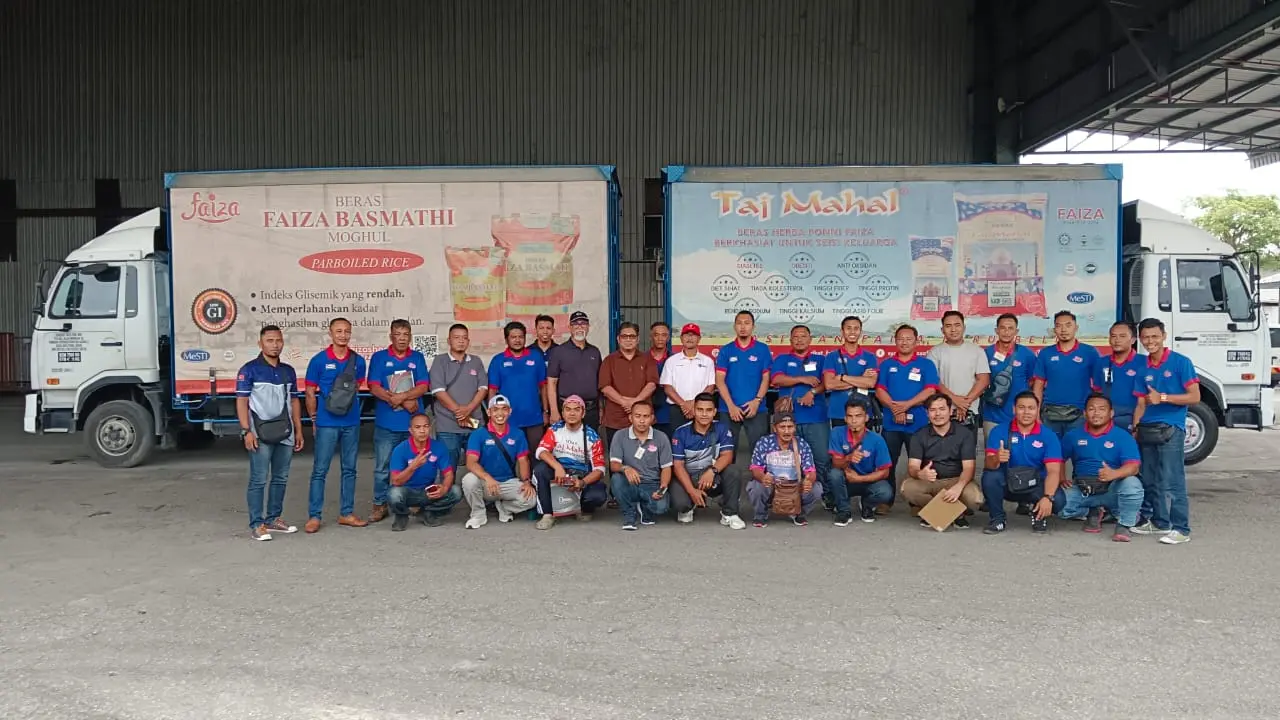
Bring your vehicle types, current checklist and defect-reporting process to the discussion. Contact ADHINS about road transport training and fleet safety support, and ask how the proposed scope can help drivers recognise concerns and supervisors follow them through.









©2026 ADHINS Management Sdn Bhd. All Rights Reserved.