
Road transport operations can look stable on the surface while small gaps in planning, visibility or ownership gradually increase exposure. When teams are busy keeping vehicles moving, it can be difficult to step back and see how people, routes, maintenance, data and business priorities are affecting one another.
These signs you need road transport consultation do not mean that an organisation has failed. They are practical signals that an independent review or structured advisory approach may help turn uncertainty into clear priorities and workable next steps.
Do vehicle, route or maintenance decisions mostly happen when a problem has already disrupted the operation? A reactive pattern can make it harder to weigh safety, availability, cost and service needs together.
Road transport consultation can help leadership and operational teams clarify what needs attention first. This may include fleet structure, vehicle procurement, maintenance strategy, route planning or the way responsibilities are assigned. The goal is a practical plan that reflects the way the organisation actually operates—not a generic report that sits unused.
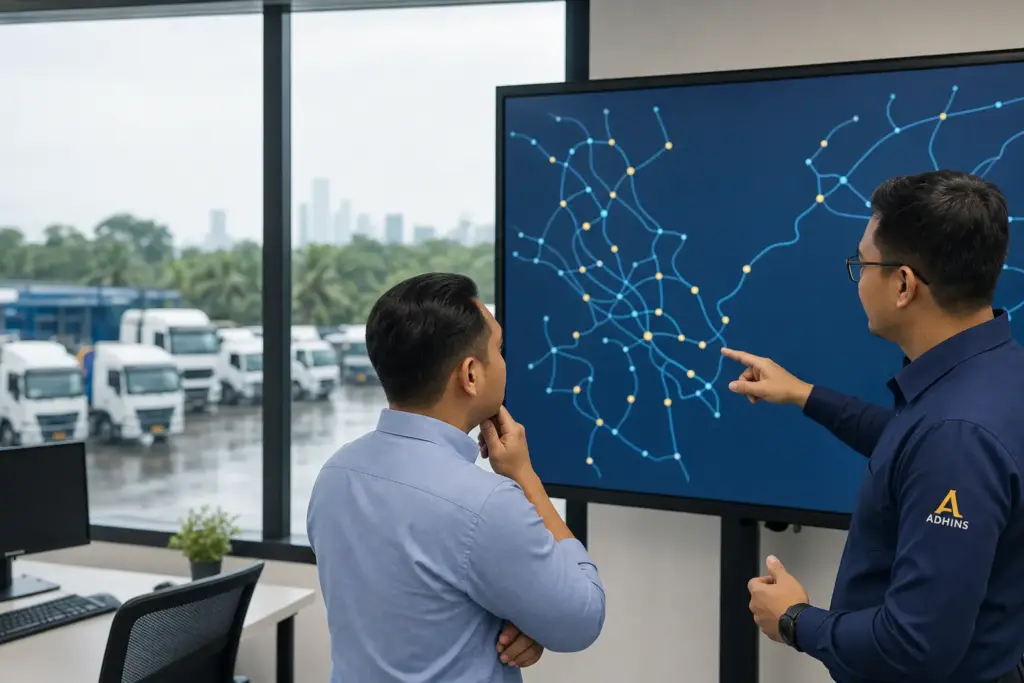
Many organisations collect information from vehicle inspections, tracking systems, telematics or operational records. The challenge is not simply having more data. It is knowing which information helps people make better decisions and which signals require follow-up.
If reports are difficult to interpret, data sits in separate systems or managers are unsure what to review, an advisory process can help define the questions that matter. It can also connect fleet tracking, IVMS, reporting and operating controls to the decisions people need to make.
Recurring vehicle defects, missed checks, unclear driver expectations, repeated route disruptions or the same near-miss themes often point to a system issue rather than one isolated mistake. Treating every occurrence as a one-off can consume time without removing the underlying cause.
A structured review can examine how procedures, roles, vehicle readiness, driver development and operational pressure interact. This makes it easier to choose a corrective action that addresses the root of the pattern instead of only the latest event.
Adding vehicles, locations, contractors, routes or new customer commitments can change risk faster than processes evolve. What worked for a small fleet may be less reliable when responsibility is spread across multiple teams or sites.
Consultation can give an organisation a structured way to assess whether its operating model still fits its current reality. The review may cover governance, route and fleet planning, maintenance arrangements, data flows, communication and change management. It should focus on practical controls that can be implemented and reviewed, rather than assuming that more policy documents alone will solve the issue.
There are usually many possible improvements: driver training, fleet tracking, vehicle changes, maintenance processes, reporting, route redesign or clearer management routines. Without a clear diagnosis, it is easy to choose a solution because it is familiar or urgent rather than because it addresses the most important gap.
One of the strongest signs you need road transport consultation is when decision-makers cannot confidently prioritise the next investment. A transport-focused adviser can help frame the problem, assess trade-offs and establish a sensible sequence of action.

A useful engagement starts with the organisation’s operating context, then builds a practical path forward. Depending on the needs identified, this can include fleet and route planning, vehicle and maintenance strategy, compliance support, IVMS and data analysis, business planning or implementation support.
ADHINS provides road transport consultation for organisations that want to strengthen how their people, vehicles, data and operational decisions work together. Where driver behaviour is part of the issue, consultation can be connected to relevant defensive driving development rather than treated as a separate initiative.
You do not need to have every answer before asking for support. Bringing a clear description of the operation and the recurring questions is a good start. Consider sharing the vehicle types involved, typical routes, current processes, available data, major changes ahead and the issues that leaders or drivers find difficult to resolve.
It is advisory support focused on improving the way an organisation manages transport and fleet operations, including safety controls, planning, vehicles, data, systems and implementation.
No. It can be useful whenever an organisation depends on people or contractors driving for work and needs clearer priorities, stronger controls or a more structured improvement plan.
Yes. ADHINS’s consultation services include fleet tracking and telematics, system integration, data analytics and reporting solutions where these are relevant to the operational question.





©2026 ADHINS Management Sdn Bhd. All Rights Reserved.