

Road risk is not managed by one policy document or one careful driver. It is shaped by everyday decisions: who is allowed to drive, whether vehicles are ready, how journeys are planned, and what happens when conditions change. A practical road transport safety checklist gives teams a repeatable way to identify gaps before they become incidents.
Use this checklist as a starting point for employee travel, service vehicles, delivery operations and contractor driving. The aim is not paperwork for its own sake. It is to make safer choices easier for drivers, supervisors and fleet leaders.
Safety improves when people know who makes decisions and who follows up. Identify an accountable owner for road transport risk, then define the practical responsibilities of managers, fleet coordinators, drivers and contractors.
Ownership should be visible in normal operations, not only after a serious event. A simple escalation path helps a driver pause an unsafe journey without uncertainty or pressure.
Driver capability is more than holding a licence. Consider the type of vehicle, the journey, the load, working hours and the driver’s familiarity with the task. Make sure your internal process confirms that a driver is suitable for the assignment.
For organisations that want a structured approach to real-road awareness and decision-making, defensive driving development for drivers can support the wider safety programme.
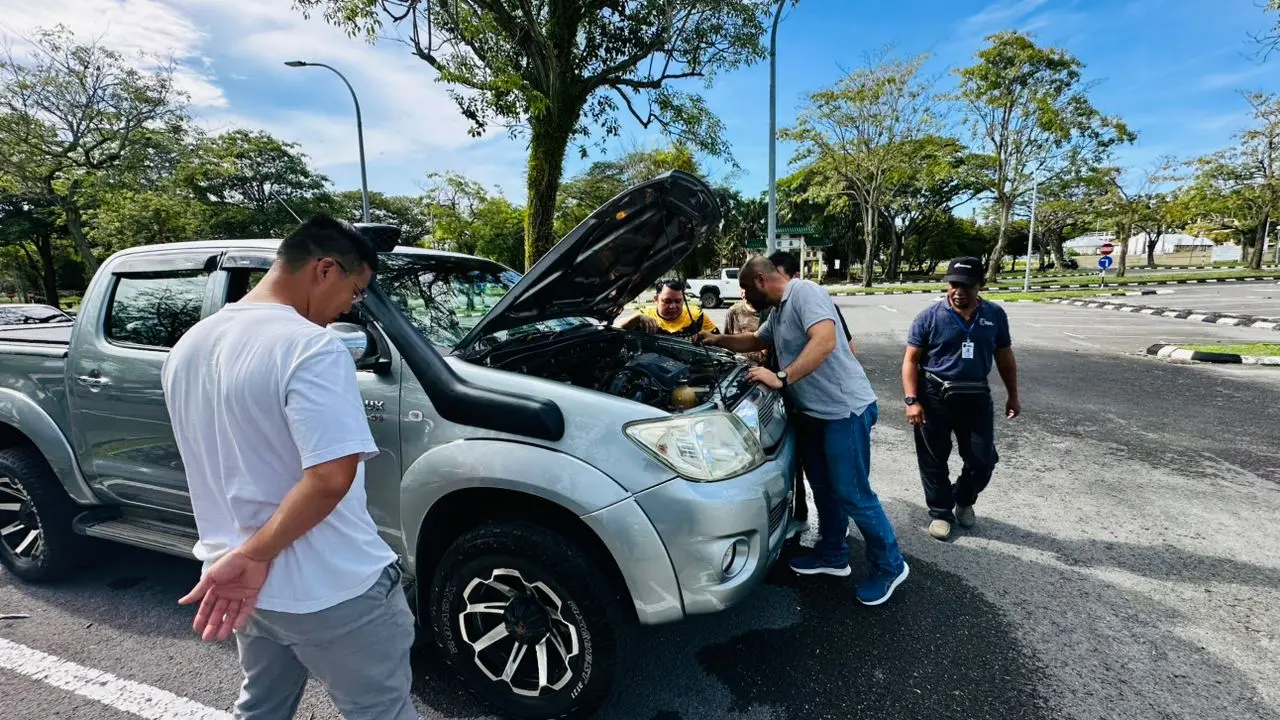
A vehicle check should be proportionate to the vehicle and operation, but it should be consistent. Drivers need an easy way to identify and report anything that could affect safe operation, visibility or control.

Journey management is especially important when the route is long, unfamiliar, time-critical or affected by weather, roadworks or operating restrictions. A good plan considers the task as well as the route.
When conditions change, the plan should be allowed to change too. Drivers should be able to delay, reroute or stop safely without being penalised for making a responsible decision.
Policies only reduce risk when they translate into observable behaviour. Focus on the actions that give a driver more time, space and information to respond.
Reporting is valuable when it leads to learning. Encourage drivers and supervisors to capture relevant details promptly, then look for practical improvements instead of relying on blame alone.
Fleet information is most useful when it helps teams ask better questions. Review the information available to you—such as inspection records, defects, training completion, journey issues or telematics/IVMS data—alongside operational context.
Look for patterns that justify a practical intervention: an equipment issue, a route risk, a coaching need or a process that creates unnecessary pressure. ADHINS can support organisations with road transport safety, driver development, fleet solutions and data-informed advisory.
A checklist is only useful when it is used, reviewed and improved. Start with the areas that create the greatest exposure for your organisation, assign owners and set a realistic review rhythm. Then make sure drivers see the connection between the controls and the decisions they make every day.

It should cover clear ownership, driver authorisation and readiness, vehicle condition, journey planning, safe driving behaviours, reporting and regular review of relevant fleet information.
No. It can be adapted for any organisation whose employees or contractors drive for work, including service, sales, technical and field teams.
Set a routine that reflects your operational risk, then review sooner when vehicles, routes, workforce conditions or incident patterns change. Regular short reviews are often more useful than an annual document-only exercise.









©2026 ADHINS Management Sdn Bhd. All Rights Reserved.