
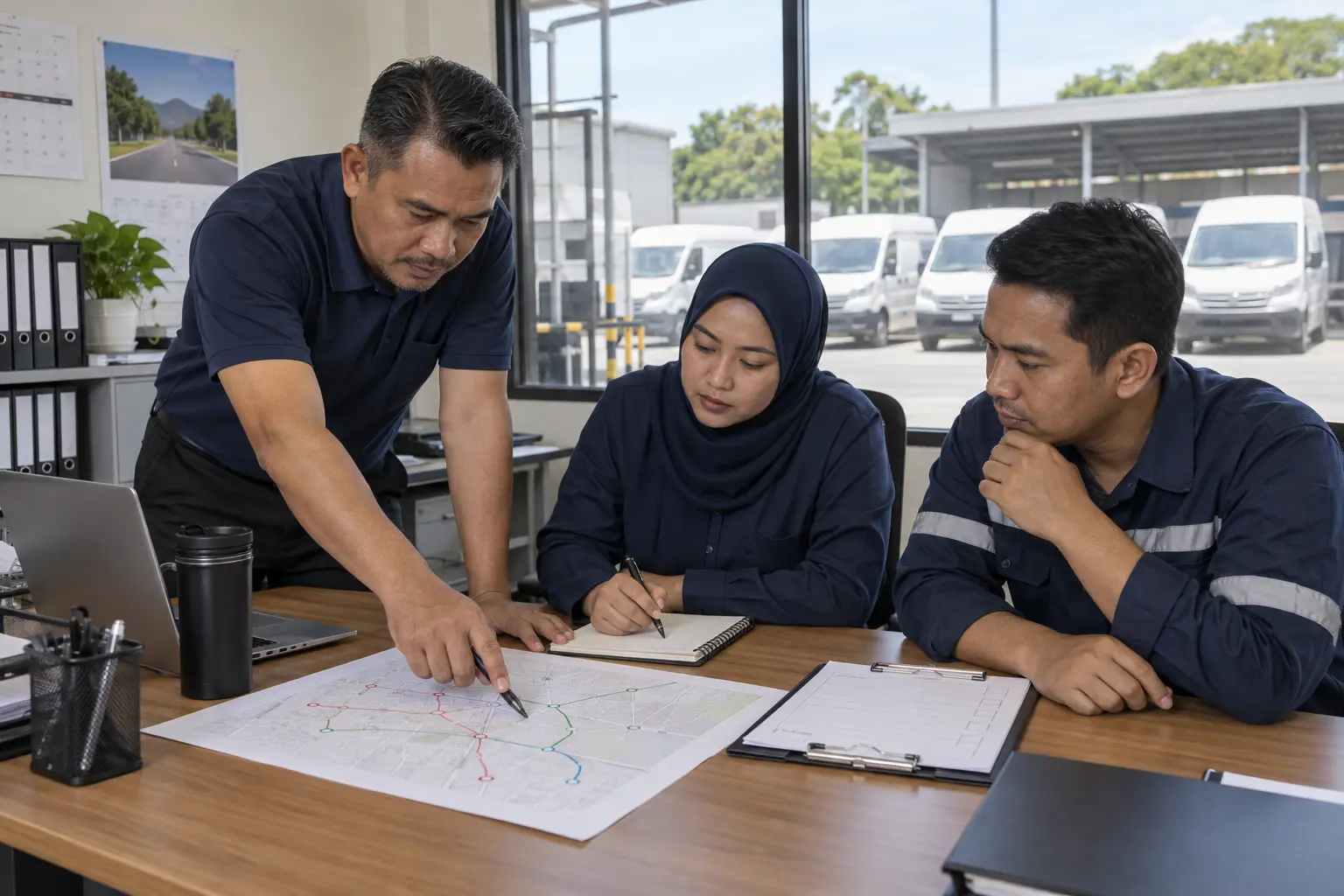
The best training choice is rarely the longest course or the one with the most topics. Effective road transport training for drivers starts with the work people actually do: the vehicles they operate, the routes they travel, the environments they enter and the decisions they need to make under pressure.
For Malaysian organisations, a structured selection process helps avoid a common gap: choosing a programme because it is convenient, then discovering that it does not address the risks drivers face in real operations. Use the questions below to match training to the right people and outcomes.
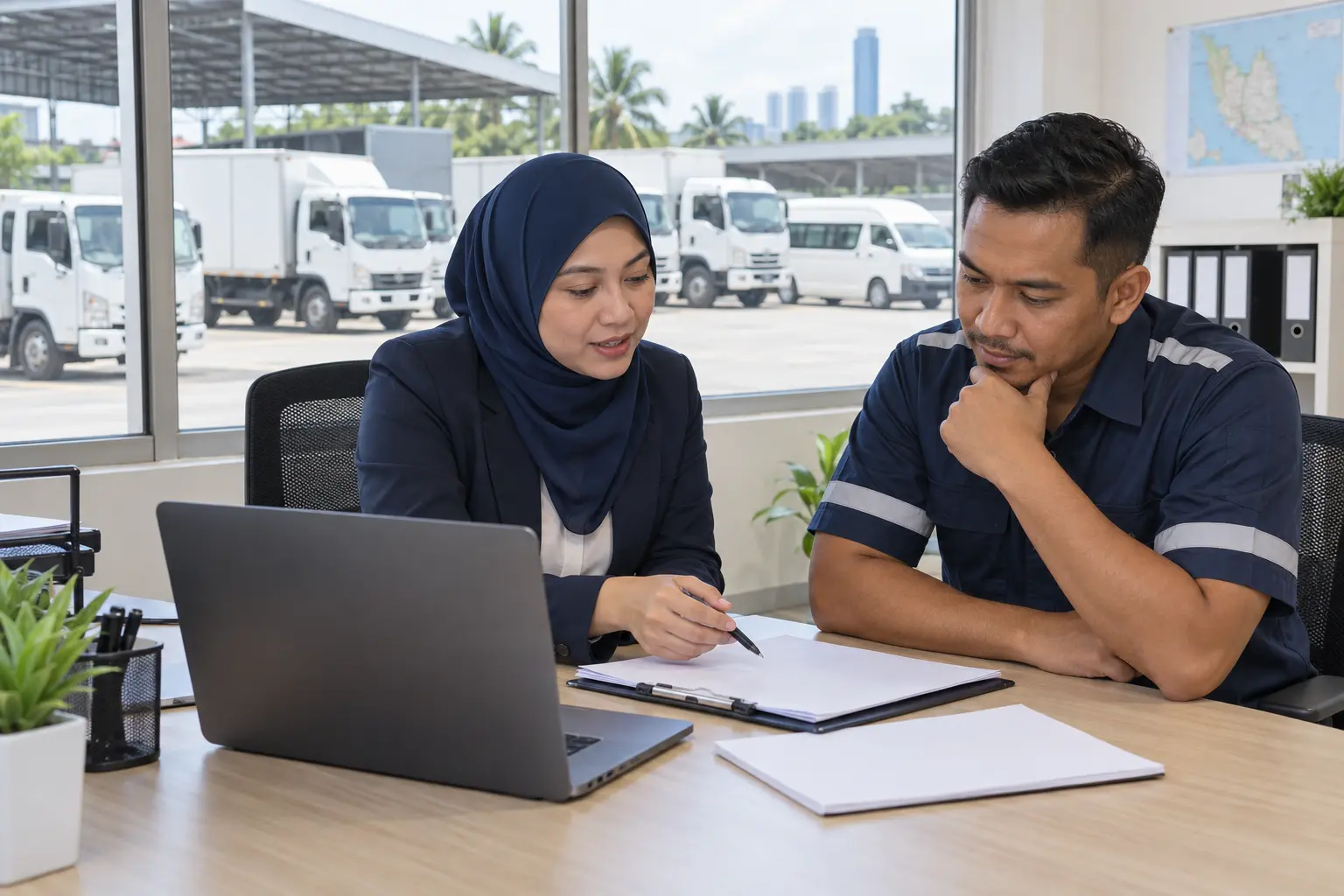
“Driver training” is broad. A light-vehicle employee travelling between customer sites has different needs from a heavy-vehicle driver, a 4×4 operator or an internal trainer. Begin by mapping the actual task before considering delivery format or duration.
This description gives the training provider the context needed to recommend an appropriate programme rather than a generic course.
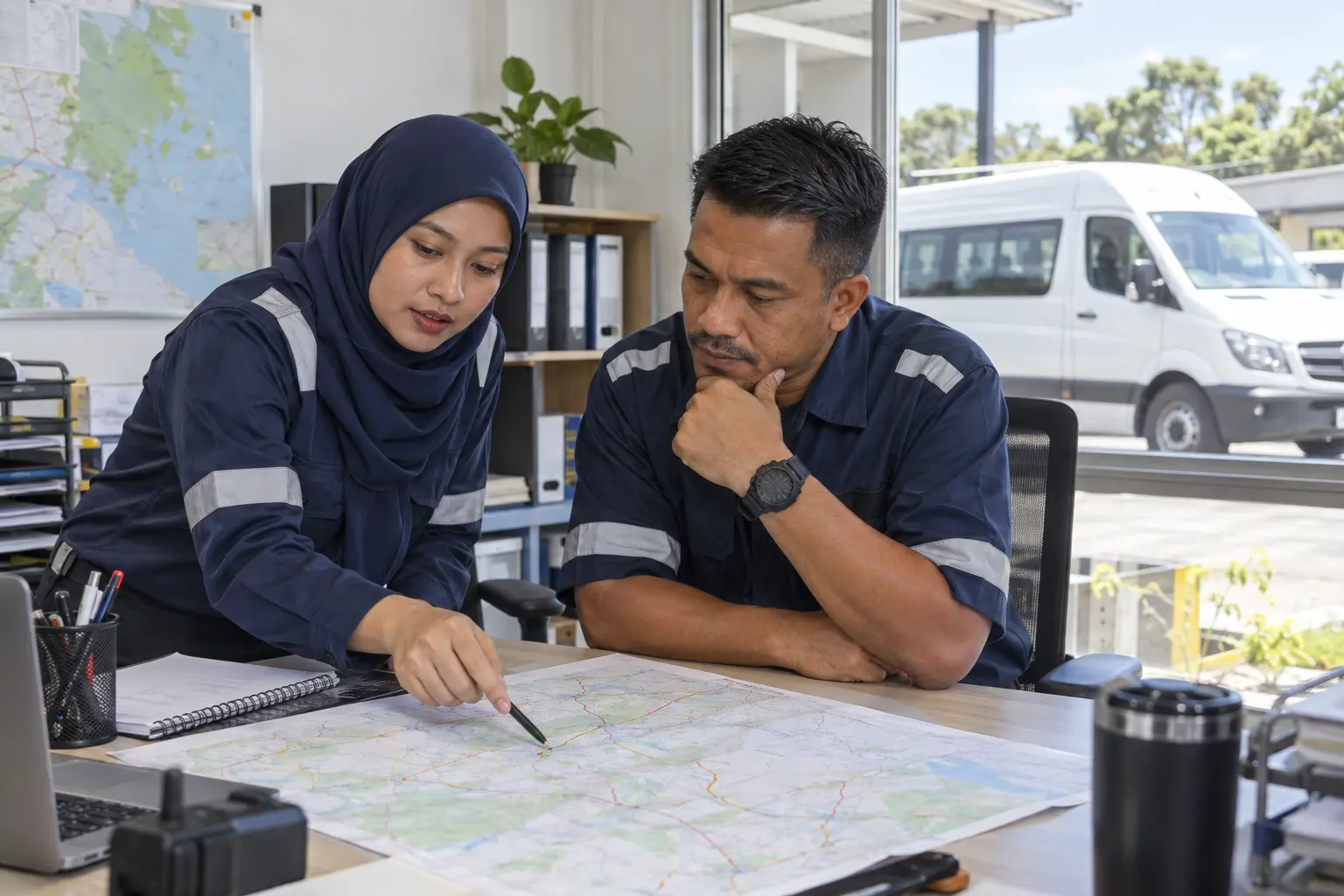
Training should address a defined need. Review the issues that leaders, supervisors and drivers see in normal work—not just what is easiest to measure. This could include observation habits, speed and space judgement, distraction, fatigue, vehicle readiness, reversing, route planning or communication between drivers and supervisors.
Use available evidence carefully. Driver feedback, near-miss themes, vehicle checks, operational changes and relevant fleet information can all help you frame the need. The point is to understand what needs to improve, not to create blame or assume a single cause.
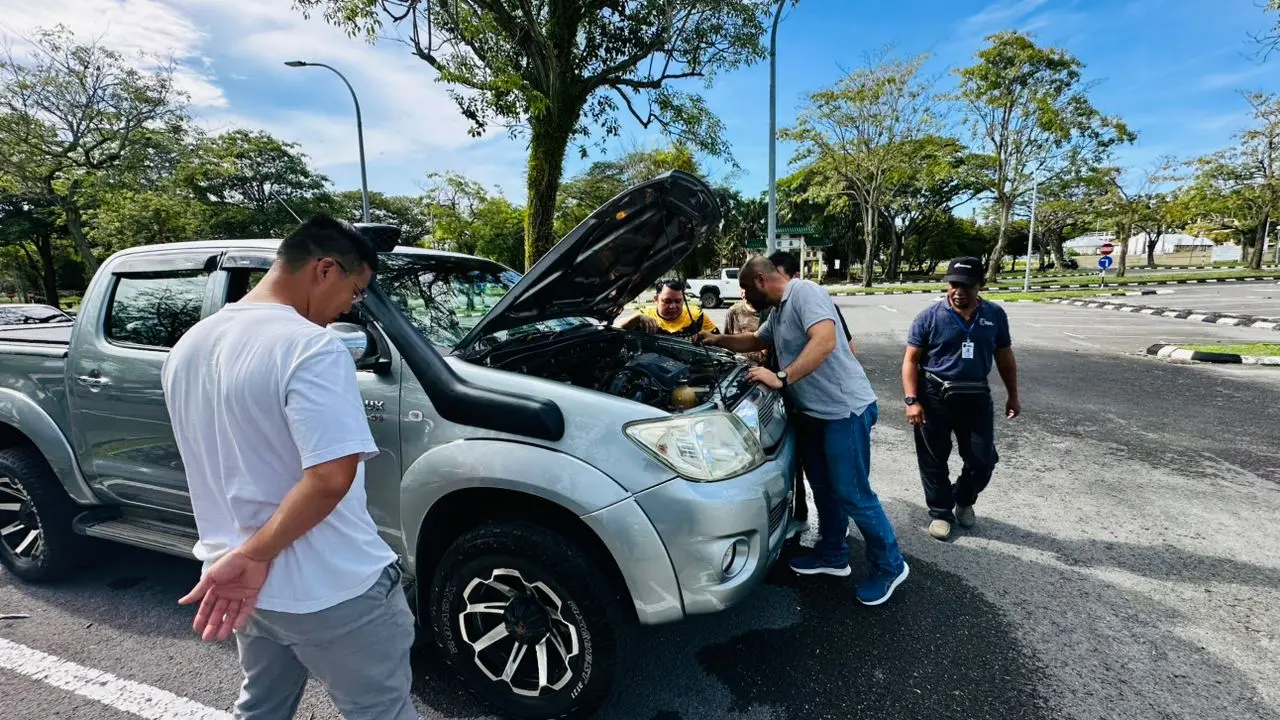
A suitable programme should reflect both the vehicle and the setting. Defensive-driving development can help drivers build hazard awareness, attitude and decision-making for real-road situations. However, a specific vehicle or environment may require additional content and practical application.
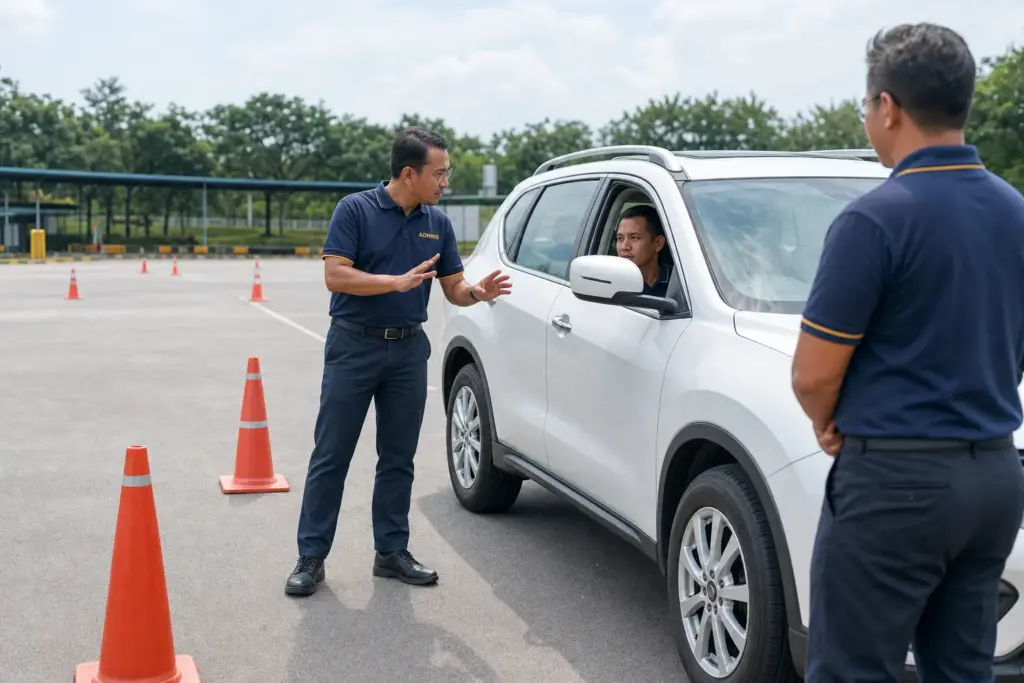
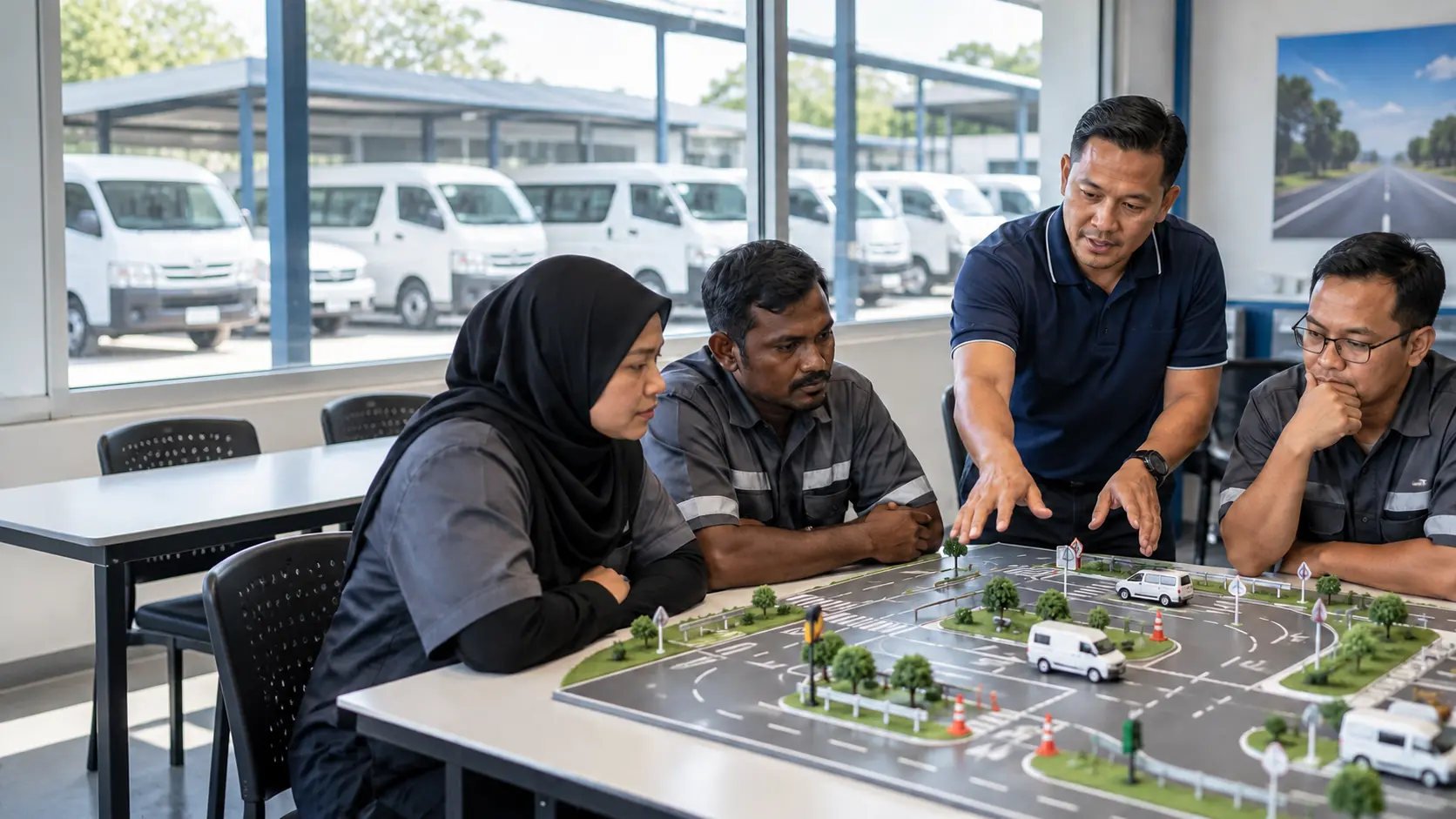
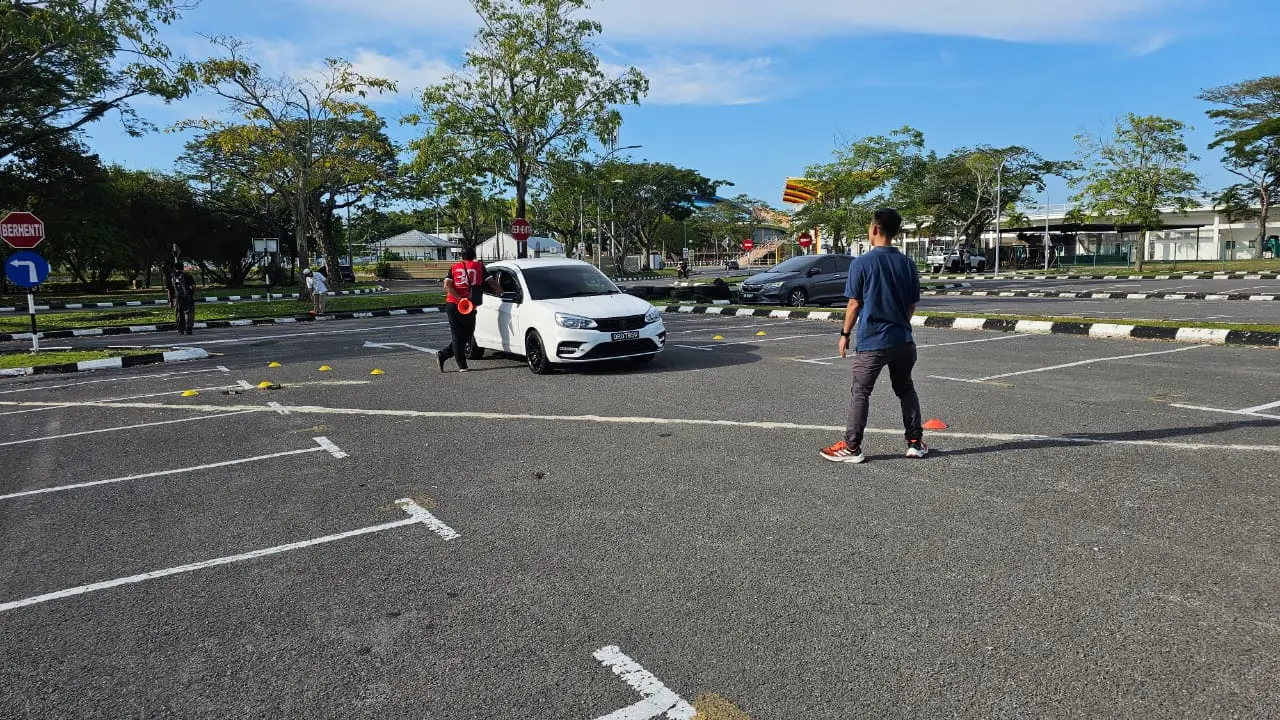
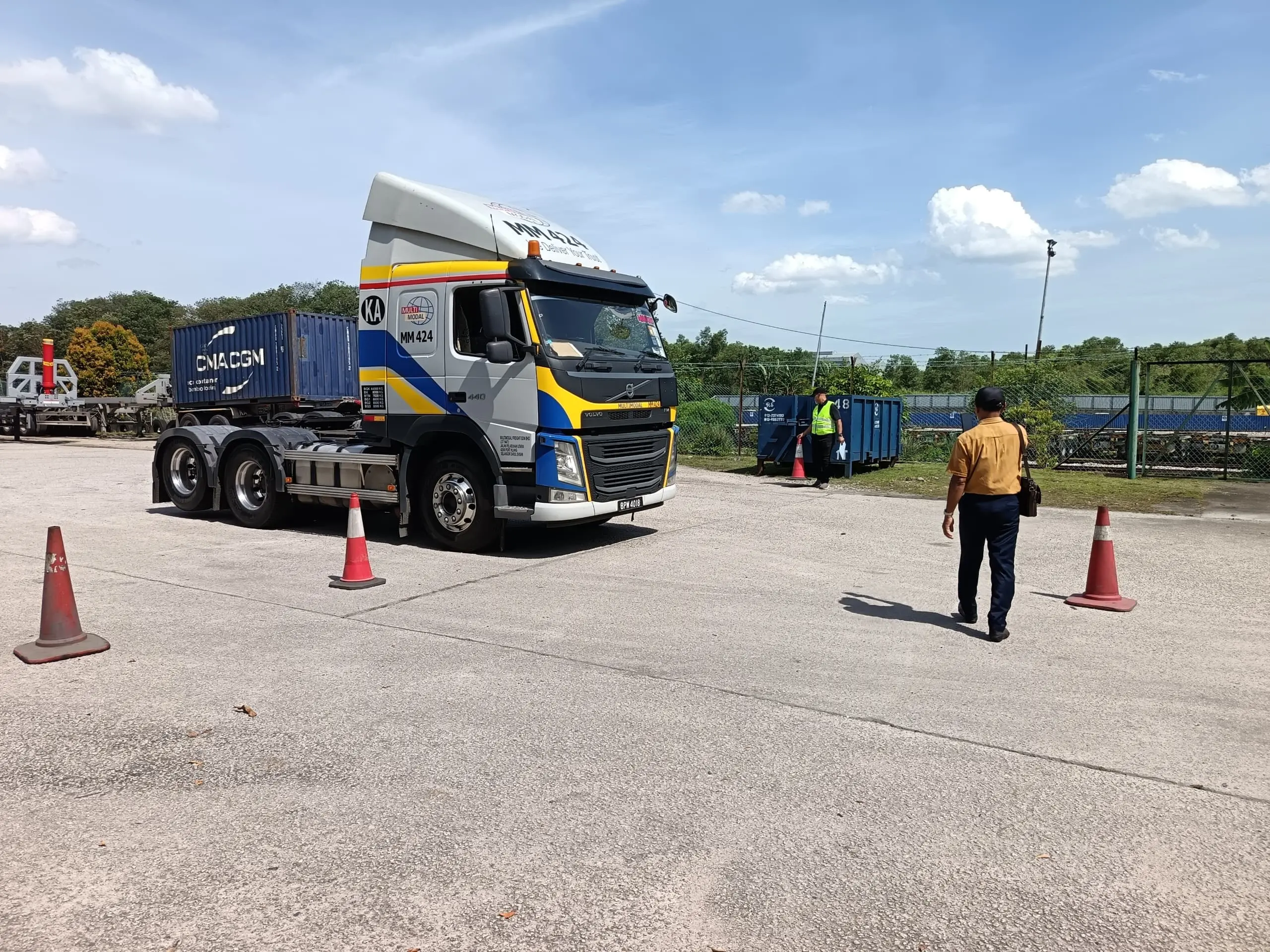
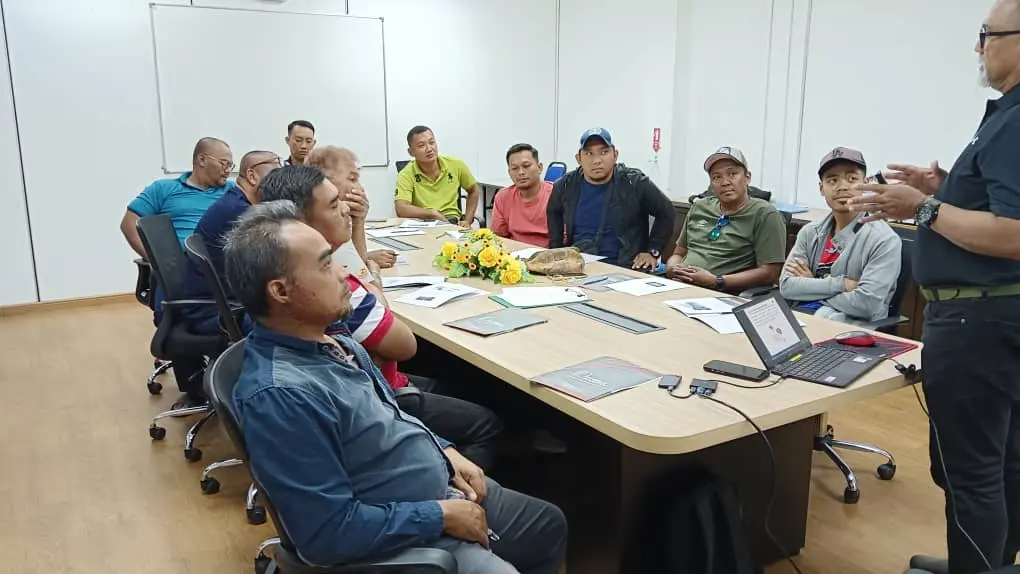
Classroom or online learning can establish shared principles, procedures and decision frameworks. Practical activity lets drivers apply those principles, receive coaching and identify observation or control gaps in a safer learning environment. The right balance depends on the programme objective, vehicle type, participant experience and site suitability.
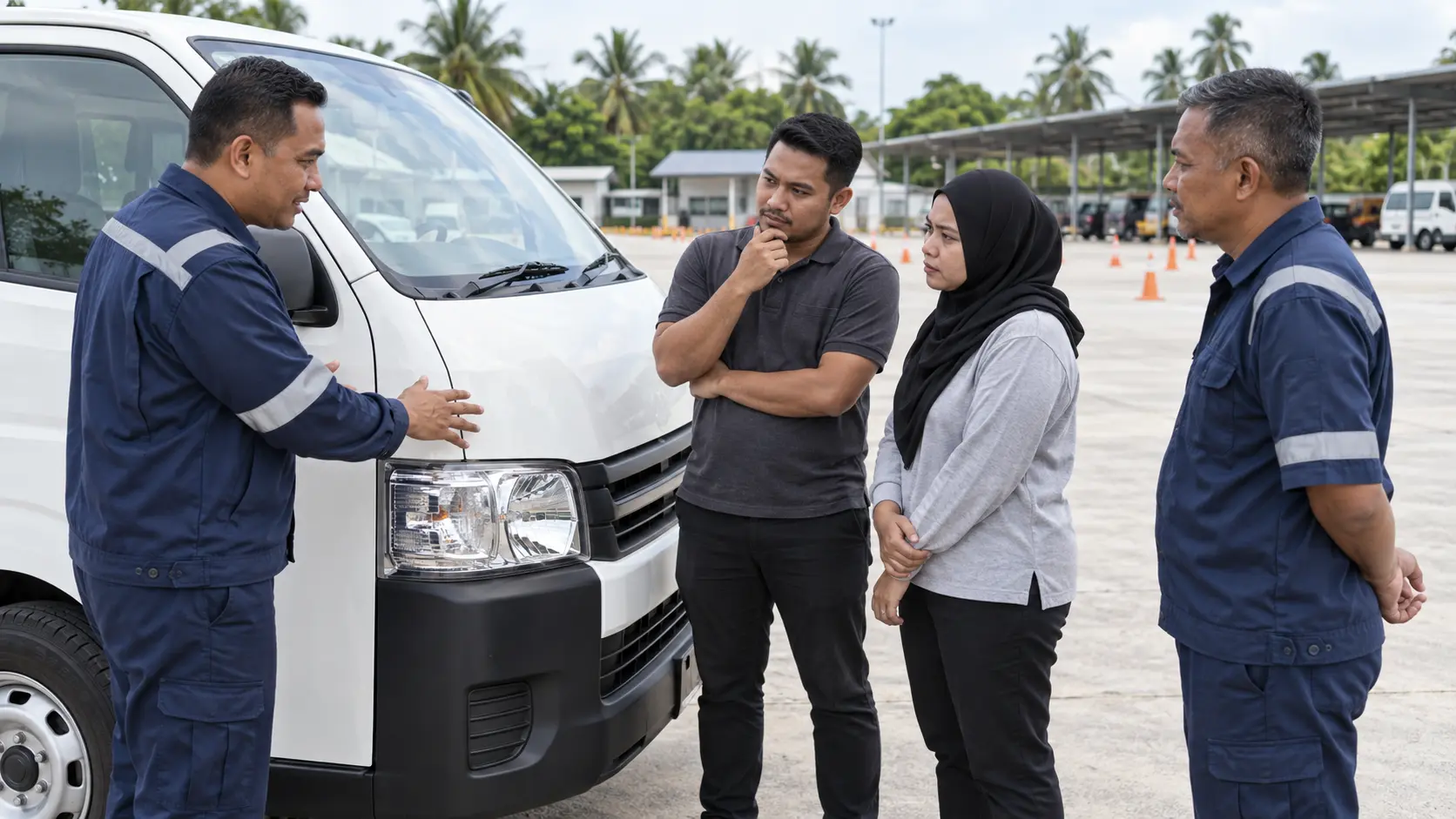
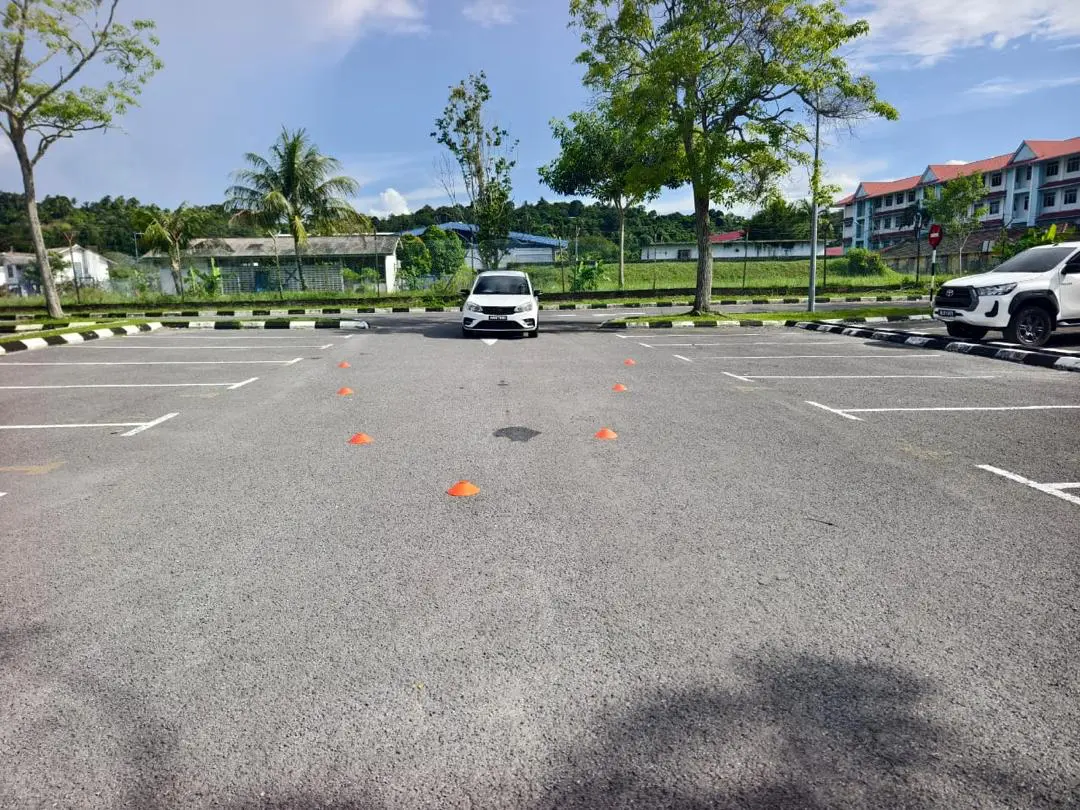
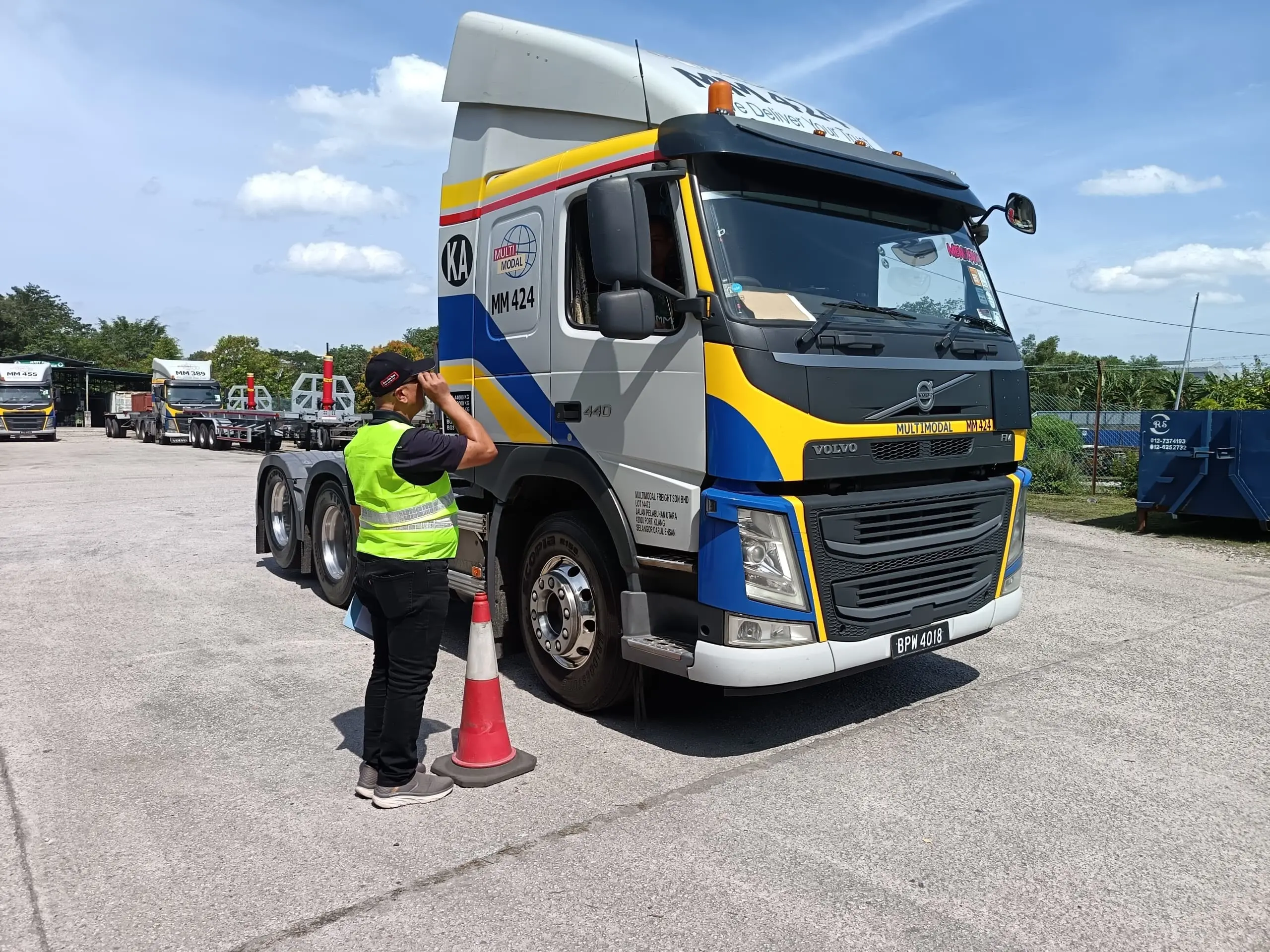
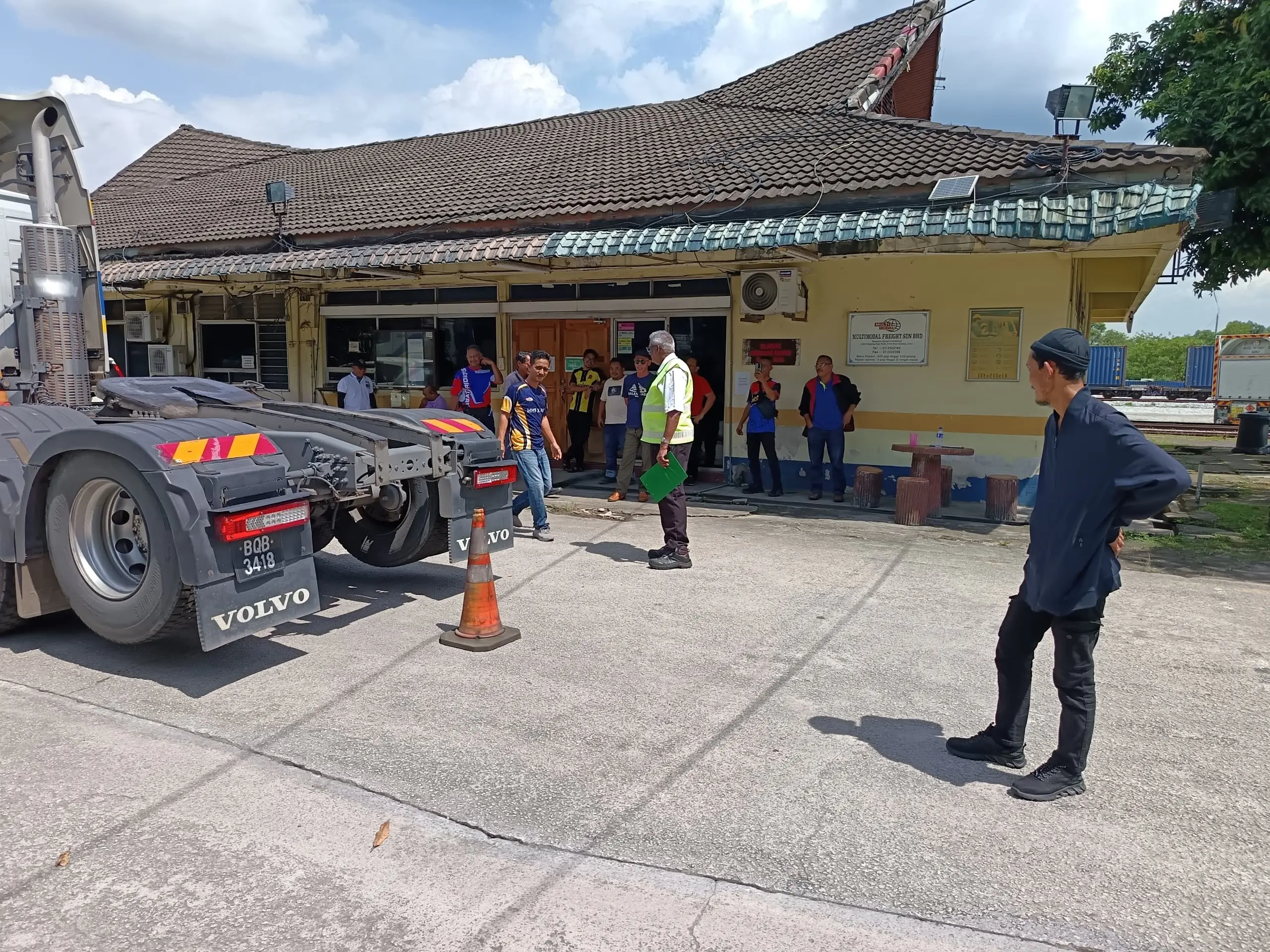
Ask the provider how learning is connected to the real driving task. For example, will the programme include commentary driving, slow-speed manoeuvring, vehicle inspection, controlled braking or route-relevant scenarios where appropriate? Is the training area safe and fit for purpose?
Training only creates value when people can participate properly. Consider shift patterns, travel time, fatigue, group size, location and whether the operation can release drivers without creating unreasonable pressure elsewhere.
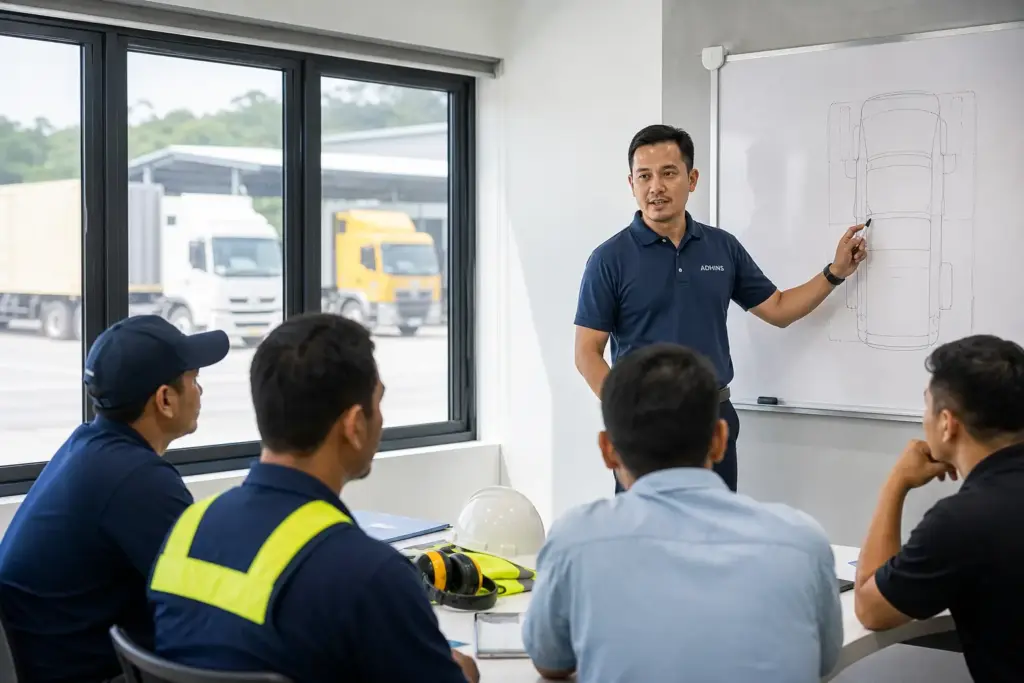
A one-off session can start a conversation, but safer habits are strengthened when managers and drivers share clear expectations afterwards. Before choosing a provider, ask what follow-up materials, coaching approaches or practical actions can help carry learning into the operation.
ADHINS provides road transport training across light vehicles, heavy vehicles, 4×4 operations, steering control and capability-development formats. Its programmes can be discussed in relation to the client’s vehicle type, location and operating needs.
It should cover the risks and decisions relevant to the drivers’ actual work. Depending on the programme, this may include hazard awareness, vehicle inspection, mirrors and blind spots, fatigue and distraction management, vehicle control, route conditions and practical application.
Choose based on the learning objective, vehicle type, participant experience and a safe, suitable training area. Classroom learning can build common understanding, while practical activity helps drivers apply and receive coaching on relevant skills.
Yes. ADHINS lists programmes for light vehicles, heavy vehicles, 4×4 operations, steering control and capability development. Confirm the appropriate format with ADHINS based on the actual task and conditions.
“`




©2026 ADHINS Management Sdn Bhd. All Rights Reserved.