

Fleet risk assessments help companies identify how a road incident could happen and decide what to change before people are harmed. Their value comes from putting the findings into daily work: safer dispatch decisions, suitable vehicles, workable journeys and clear responses when conditions change.
For Malaysian fleet managers, the useful question is specific: which situations expose our drivers, passengers and other road users to harm, and how can we reduce that exposure? This guide focuses on the link between assessment findings and preventive action.
An assessment looks at a defined activity, the people who could be harmed, the controls already in place and any further action needed. It should reflect actual routes, vehicles and tasks rather than a generic list copied from another operation.
The UK Health and Safety Executive’s work-driving guidance groups risks around the journey, driver and vehicle. This is a useful organising framework for a fleet review; its legal statements are not presented as Malaysian requirements.
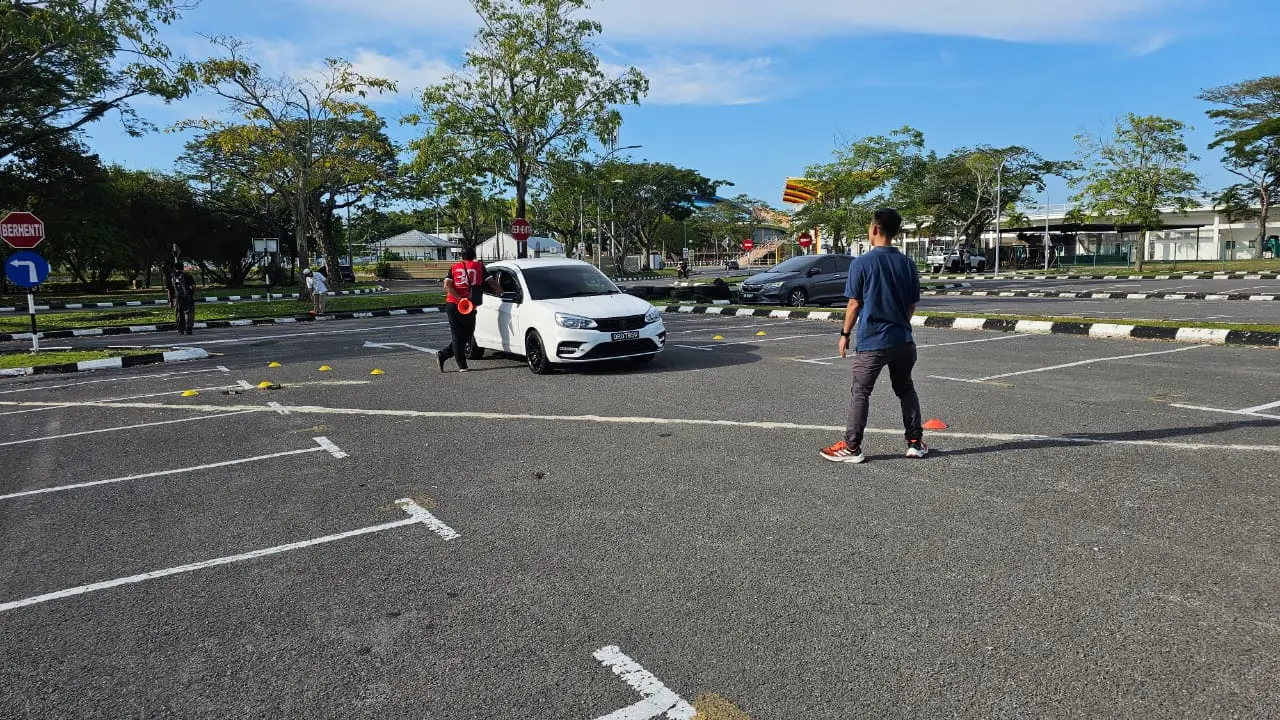
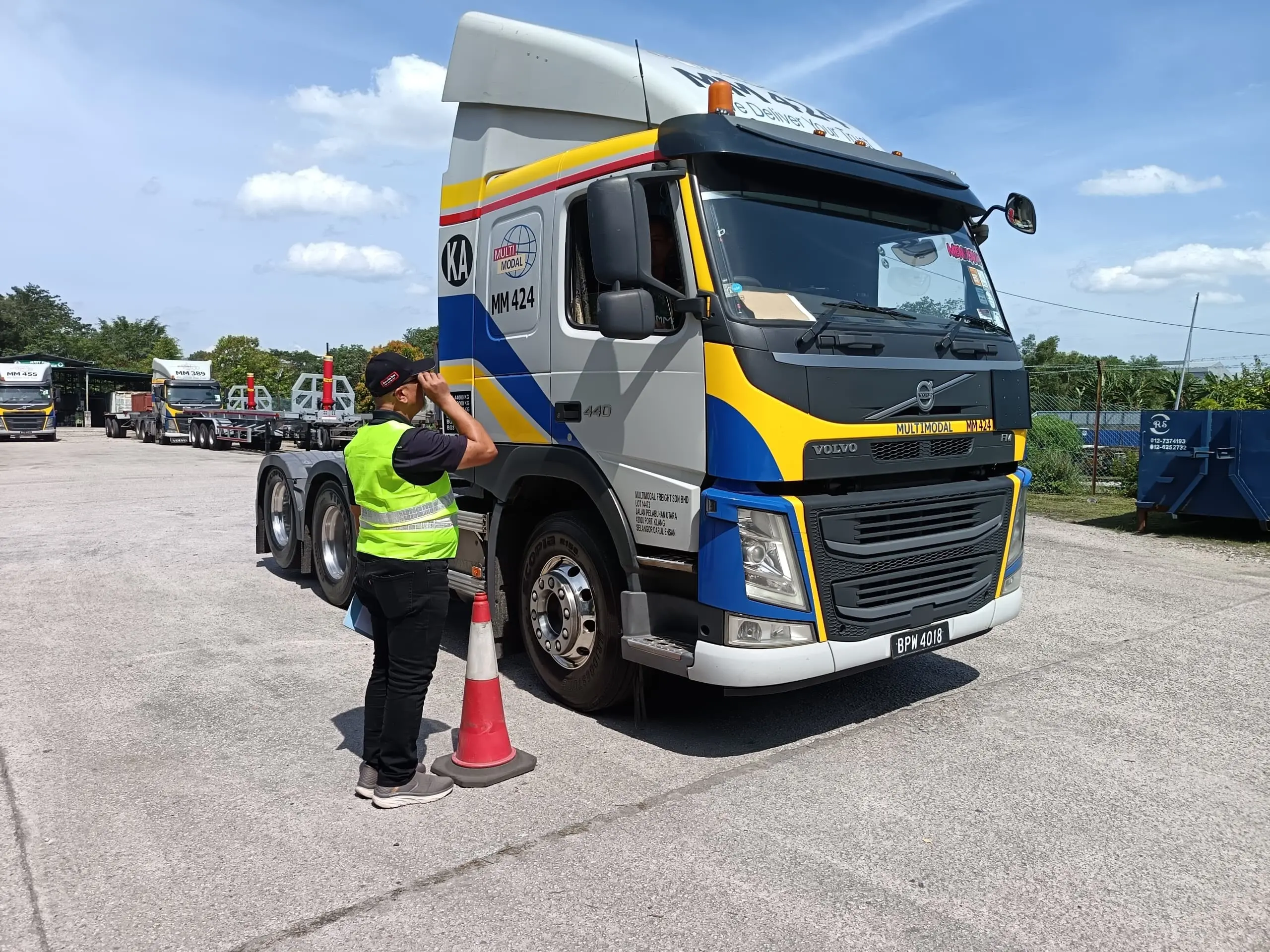
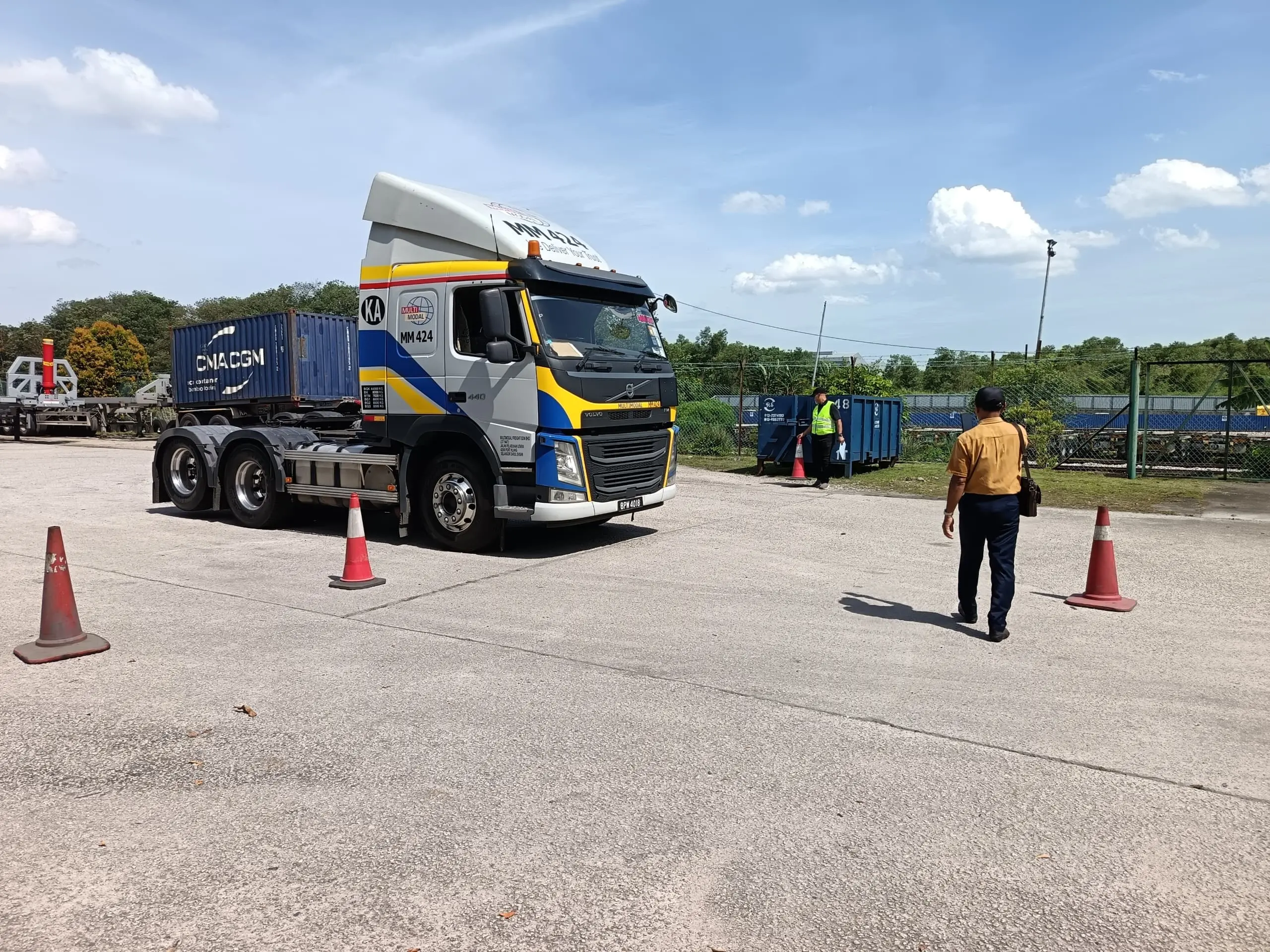
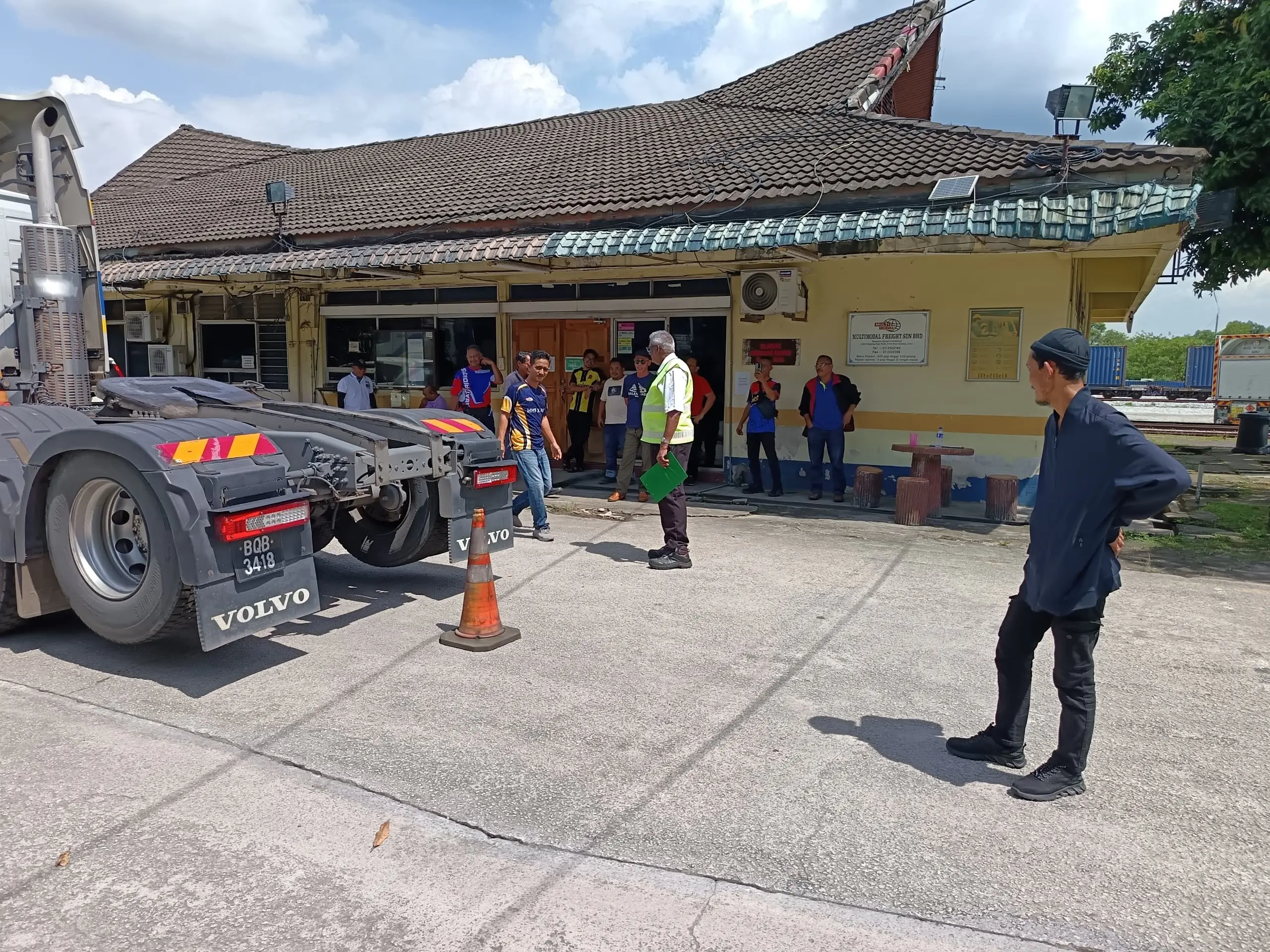
Include relevant interactions such as a driver entering a customer yard, passengers boarding a bus or an employee unloading equipment near pedestrians. Define the assessment boundary and obtain suitable specialist input where the task requires it.
“Driver error” is too broad to guide a preventive decision. Describe the situation and the path to harm. For example, a delivery driver may reverse into a busy shared entrance because there is no suitable unloading position or agreed arrival arrangement.
The assessment can then examine access instructions, vehicle choice, parking, pedestrian separation and driver competence. Each of those questions points to a decision someone can make.
Ask drivers and supervisors what normally happens, including workarounds. Compare their answers with incident records, near misses and observations. A procedure written in the office may not describe the conditions at the destination.
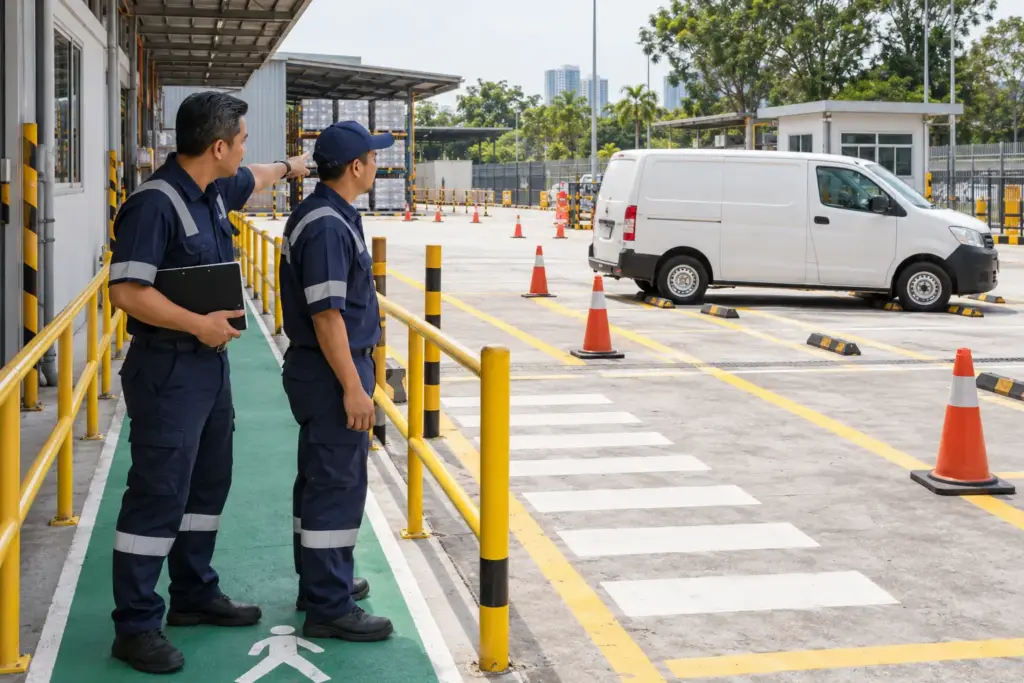
Consider whether the hazardous activity can be avoided or changed before relying entirely on driver reminders. A remote meeting may remove a journey; an agreed delivery point may avoid reversing through a pedestrian area.
Where travel remains necessary, choose practical controls that fit the operation. They may include a suitable vehicle, revised site access, an achievable schedule, a defect hold process or targeted instruction.
Training works best when the driver also has the time, equipment and authority to apply it. Coaching a driver to report fatigue has limited value if dispatch has no way to arrange relief.
The examples below illustrate the connection between a finding, an action and a check of its effectiveness. They are suggested scenarios, not ADHINS client results or prescribed controls for every fleet.
| Incident scenario | Possible preventive action | What to check |
|---|---|---|
| Vehicle manoeuvring near pedestrians | Agree a separated access or unloading arrangement and reduce reversing where practical | Drivers can use the arrangement during actual visits |
| Fatigue after a delayed departure | Review the remaining journey and provide a workable rest or relief option | Dispatch acts on reports before further driving |
| Vehicle dispatched with an unresolved concern | Assign a hold, assessment and release process | Release evidence is available and unsafe vehicles remain held |
| Work messages distract the driver | Set a communication procedure that allows updates while safely parked | Managers and customers support the agreed response time |
For each action, identify an owner who can deliver it, a due date and the evidence needed to close it. If a serious concern requires immediate action, use the company’s escalation process rather than waiting for the assessment report to be finalised.
A risk matrix can help structure discussion, but the number should not hide the scenario. Record the potential severity, likelihood, exposure and assumptions behind the assessment.
A rarely used entrance may still create serious harm if visibility is poor and pedestrians share the space. Frequent exposure may justify priority even where past incident records are sparse.
Agree the assessment method with competent people and apply it consistently. Do not treat a reduced score as proof that a proposed control has been implemented or works.
Check the action during real operations. Is the alternative entrance open when the driver arrives? Can the relief contact be reached during a night service? Does the maintenance record show who authorised a vehicle’s return?
Ask the people affected whether the change is usable. If the control repeatedly needs exceptions, examine the reason instead of automatically attributing the problem to poor discipline.
For example, a company might agree a safer delivery location but discover that the customer uses it for storage at busy times. The follow-up should resolve availability and access, then verify the arrangement again.

Look for recurring situations: difficult turns, missed rest arrangements, unresolved defects or a repeated need to rush. Review events with driver input and the surrounding conditions.
Where IVMS or telematics is used, an alert can identify a question for investigation. It does not establish the full cause of an event or replace a competent review.
Track indicators tied to the selected controls, such as overdue actions, repeat defects and schedule exceptions. Consider distance travelled, journeys and reporting quality when comparing incident totals. Fewer reports alone do not prove that risk has fallen.
Set a planned review date and clear triggers for earlier review. These may include a new route, vehicle type, customer site, contractor arrangement or material change in work schedules.
Review after an incident or significant near miss, especially where an existing control failed or the assessment did not anticipate the situation. Update the operating instructions and communicate the decision to the people who need it.
Keep applicable requirements under review for the vehicle category, service and jurisdiction. This article does not establish a Malaysian legal register or guarantee compliance.
Identify gaps in the information rather than filling them with assumptions. The first assessment can highlight what evidence the company needs to collect next.
No. It supports preventive decisions, but outcomes depend on implementation, changing conditions and factors the company may not fully control.
No. A pre-trip inspection checks the vehicle before use. A fleet assessment examines wider activities, including journeys, people and the way work is organised.
Include drivers, supervisors, dispatch, maintenance and the accountable manager. Add suitable specialist support where the scope requires it.
Yes. Use a proportionate assessment of actual work. The level of detail should reflect the hazards and operational complexity.
Contact ADHINS to discuss your routes, driver responsibilities and transport safety concerns. Bring a recurring operational problem or recent finding so the discussion can focus on practical controls and follow-up.
Agree the proposed scope and deliverables before starting. A useful review should leave the company with clear actions, responsible owners and a way to check progress.








©2026 ADHINS Management Sdn Bhd. All Rights Reserved.