Fleet management is often described as an efficiency function, but the decisions behind it also shape how safely work gets done. The condition of vehicles, the way journeys are planned, the information available to supervisors and the support given to drivers all influence day-to-day operations.
Safer fleet management does not mean slowing an operation down with unnecessary process. It means building clear, practical controls that help people make better decisions before a vehicle moves—and when conditions change.
When nobody is sure who owns a vehicle issue, journey exception, maintenance decision or driver concern, problems can remain unresolved for too long. Clear accountability gives teams a route from observation to action.
Start by defining responsibilities for fleet leaders, supervisors, drivers, contractors and maintenance partners. A driver should know how to report a defect; a supervisor should know who decides whether a vehicle can remain in use; and leaders should have a way to review recurring themes.
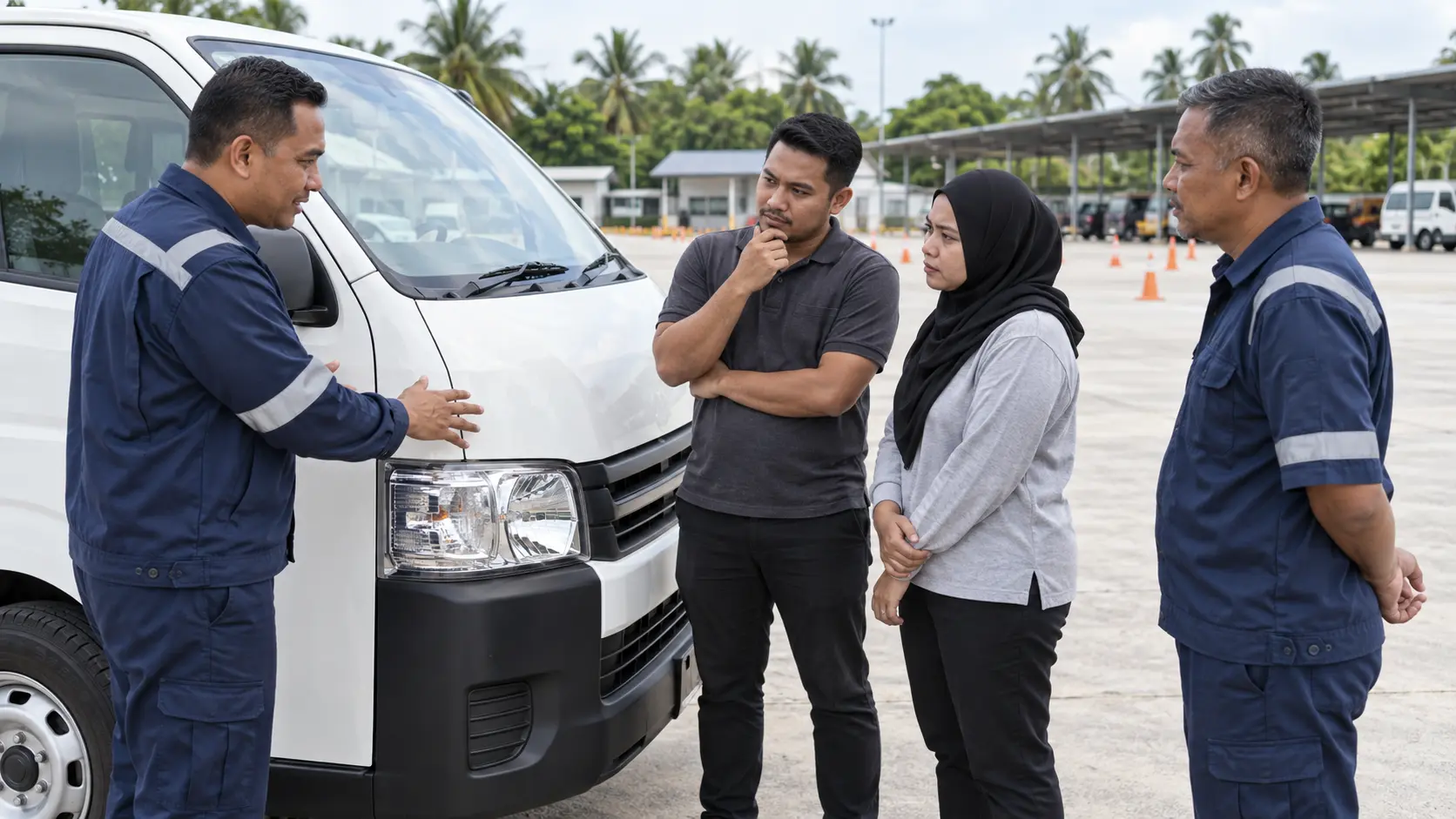
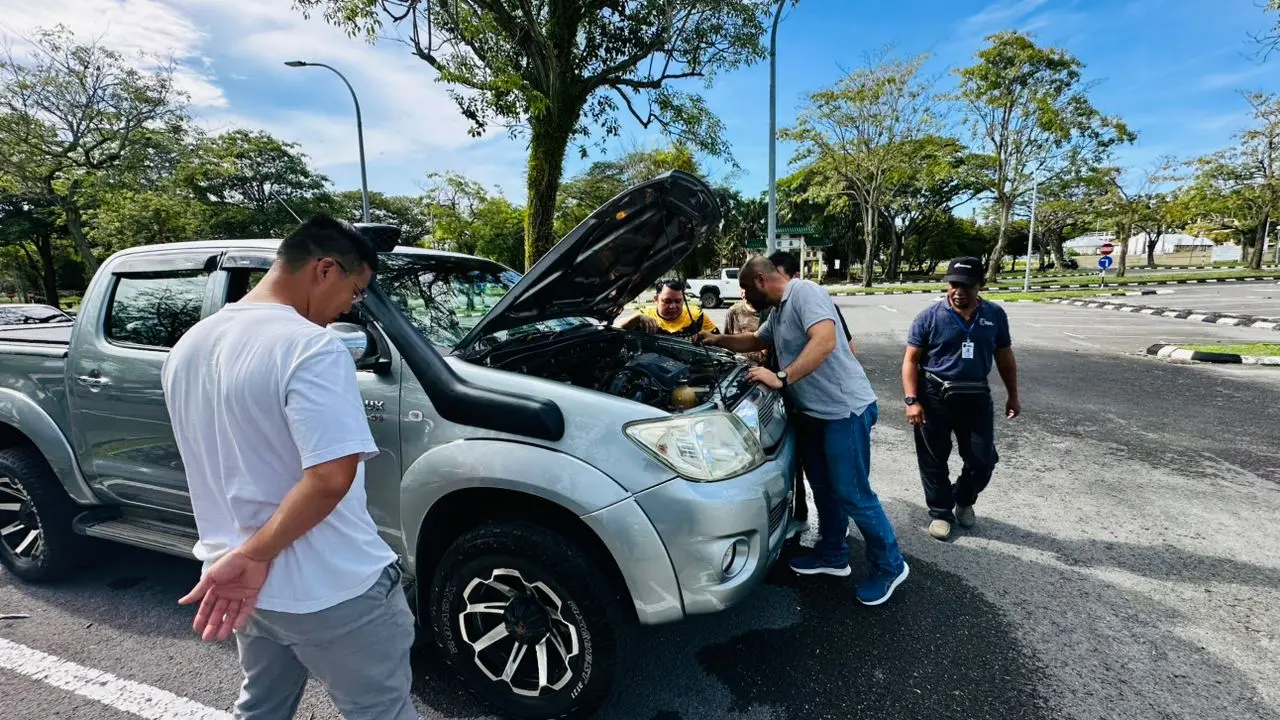
Vehicles affect safety, availability and service continuity. A reliable process for inspections, defect reporting and corrective action helps teams identify issues early instead of discovering them during a journey or after a disruption.

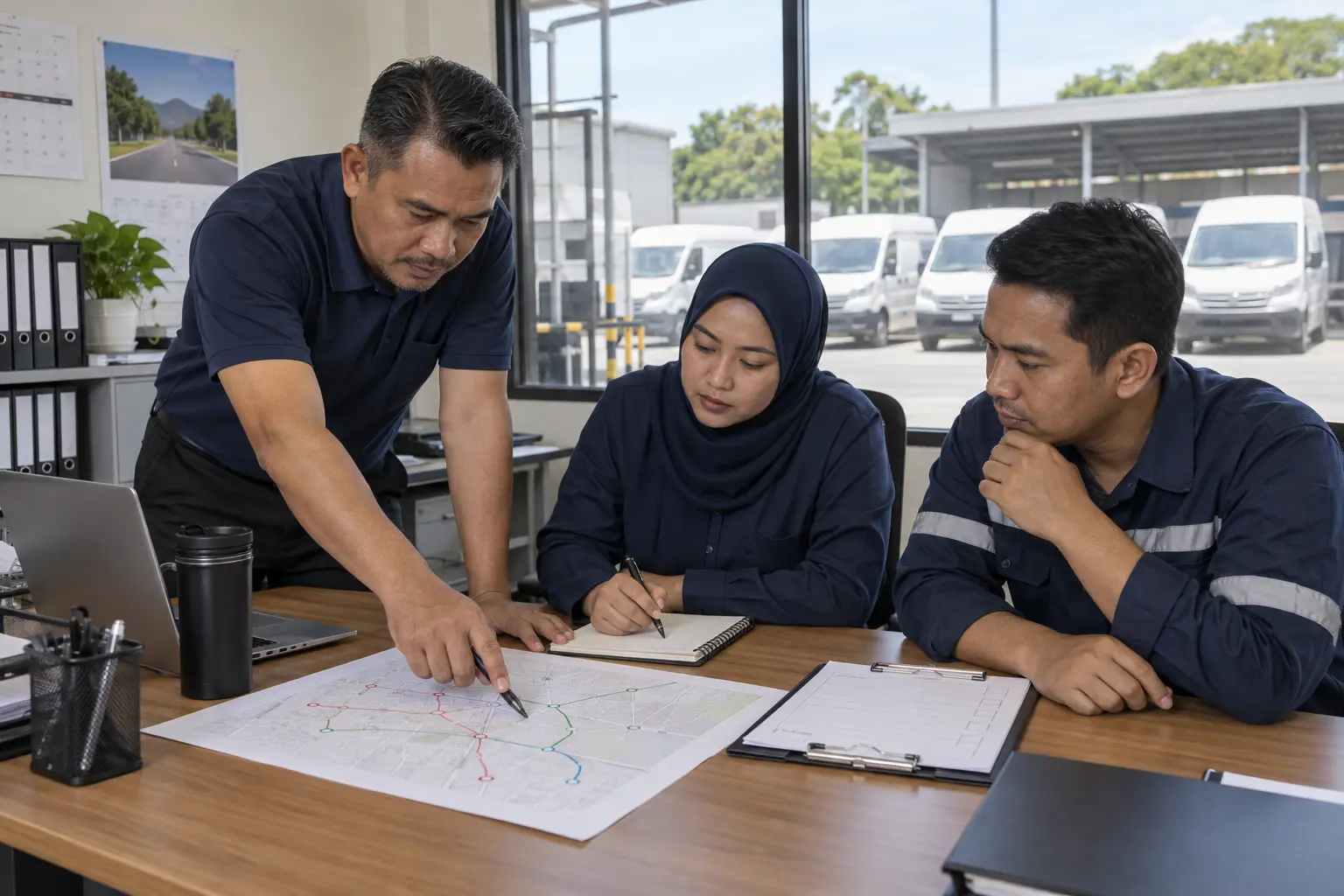
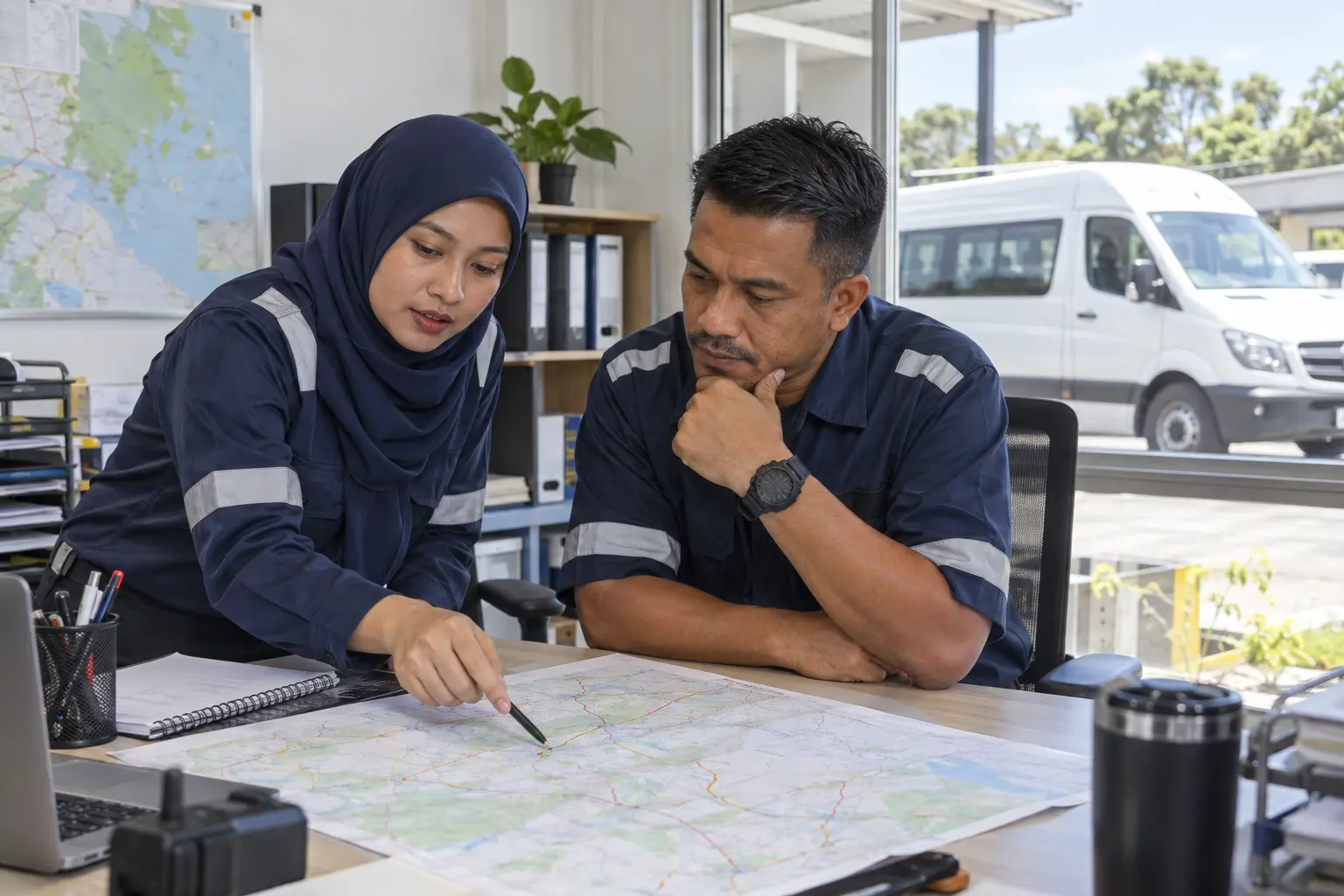
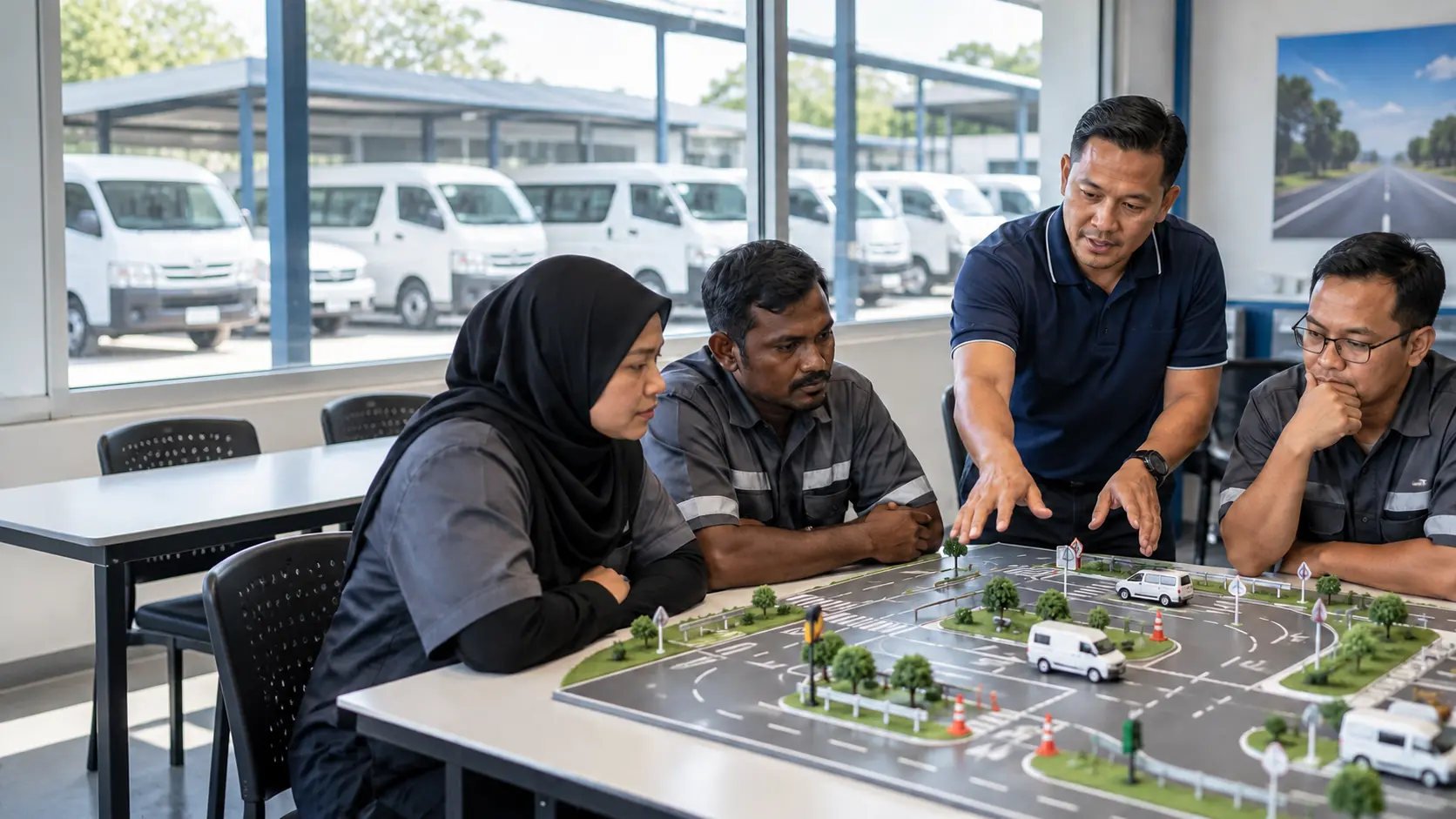
Schedules, route choices and customer commitments can unintentionally create pressure that affects driver judgement. A safer approach considers whether the journey is realistic: the route, distance, vehicle, load, weather, rest needs, site access and change points.
Drivers should be able to report a changed condition, delay a journey or stop safely when the situation requires it. This type of support helps the organisation manage the work as it really happens rather than only as it was planned on paper.
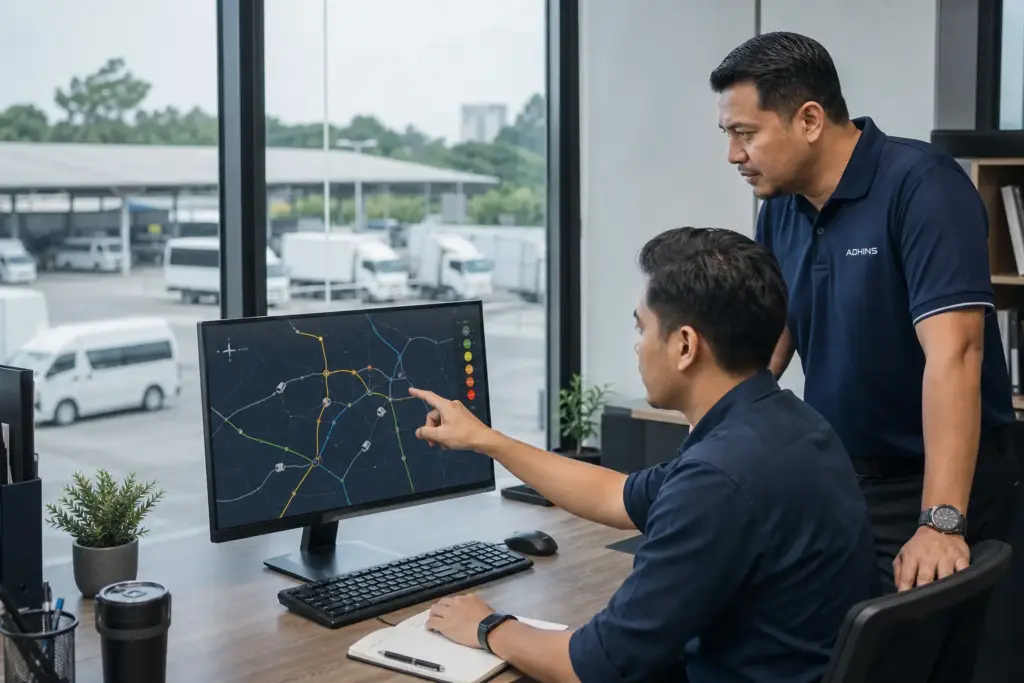
Useful fleet information is more than a dashboard. Vehicle checks, maintenance records, driver feedback, journey concerns and IVMS or telematics data can help teams ask better questions. Are certain routes creating repeated issues? Are vehicle defects taking too long to close? Do managers have enough visibility to support drivers before a concern becomes urgent?
The aim is not to monitor everything. It is to identify the information that supports a timely, proportionate decision and to give someone responsibility for acting on it.
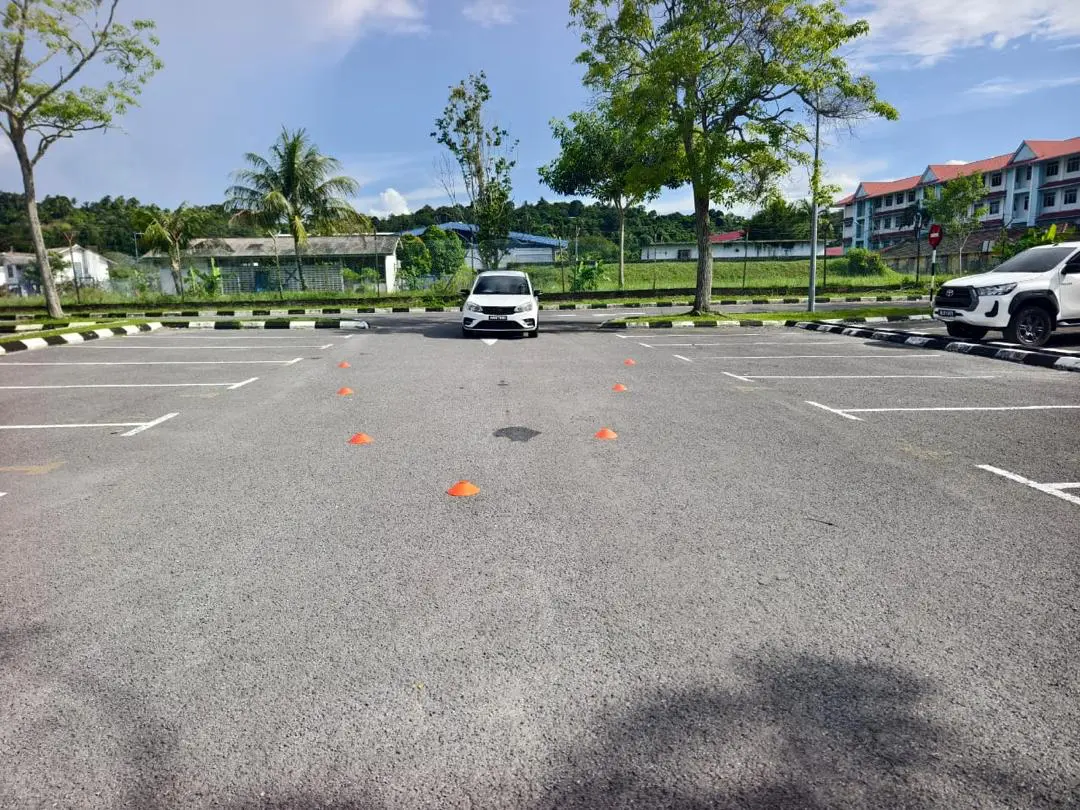
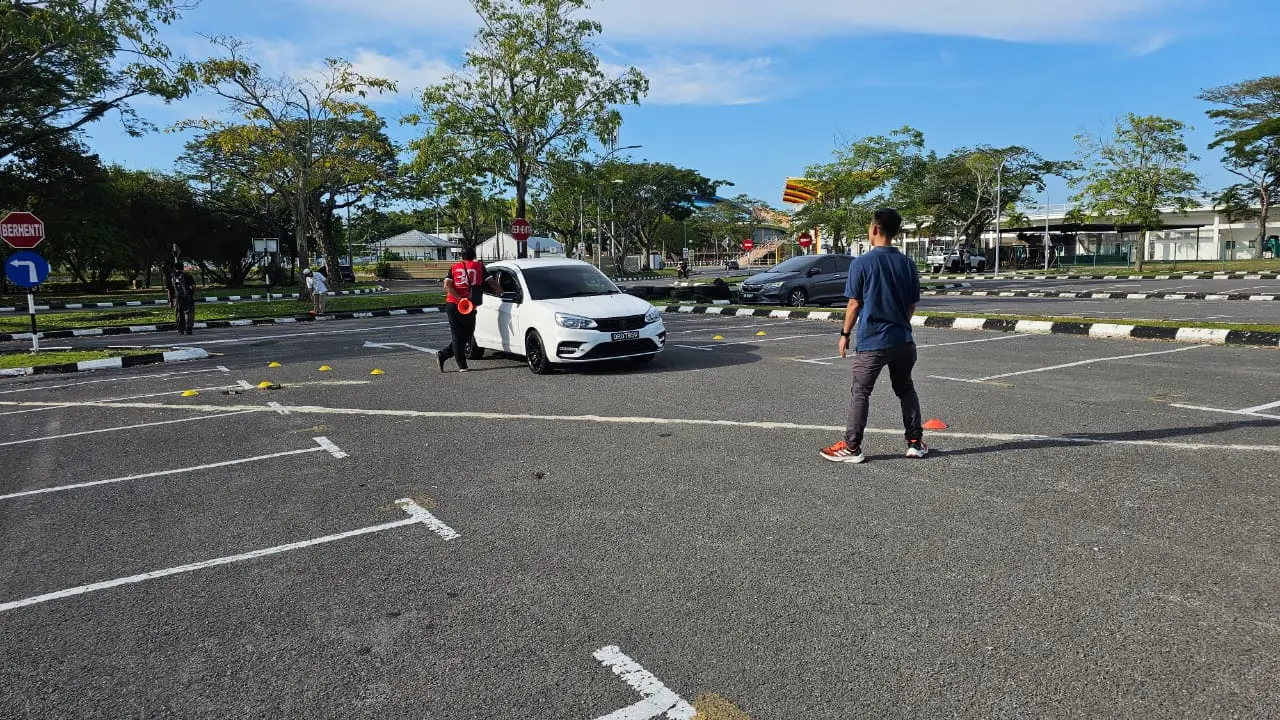
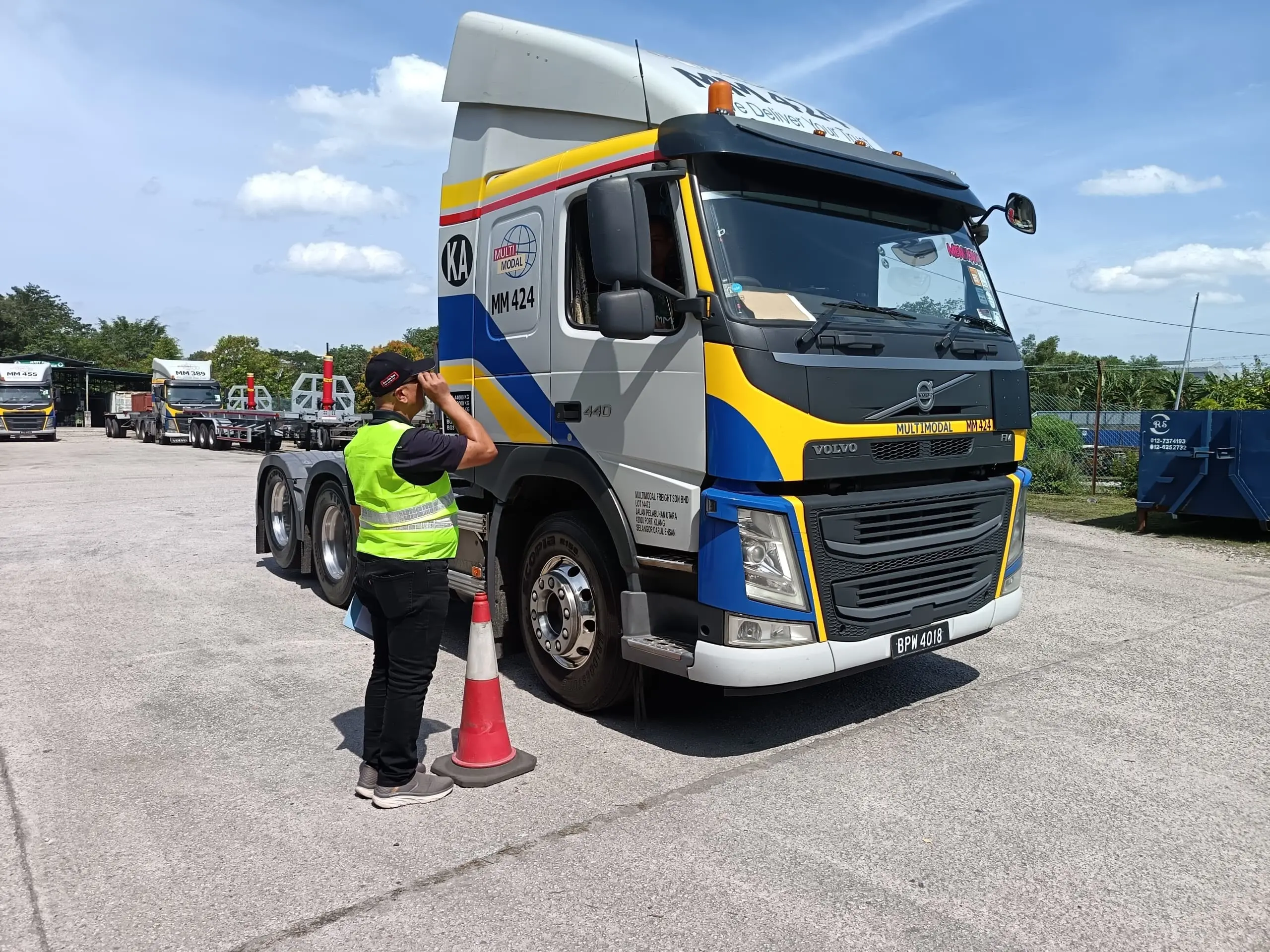
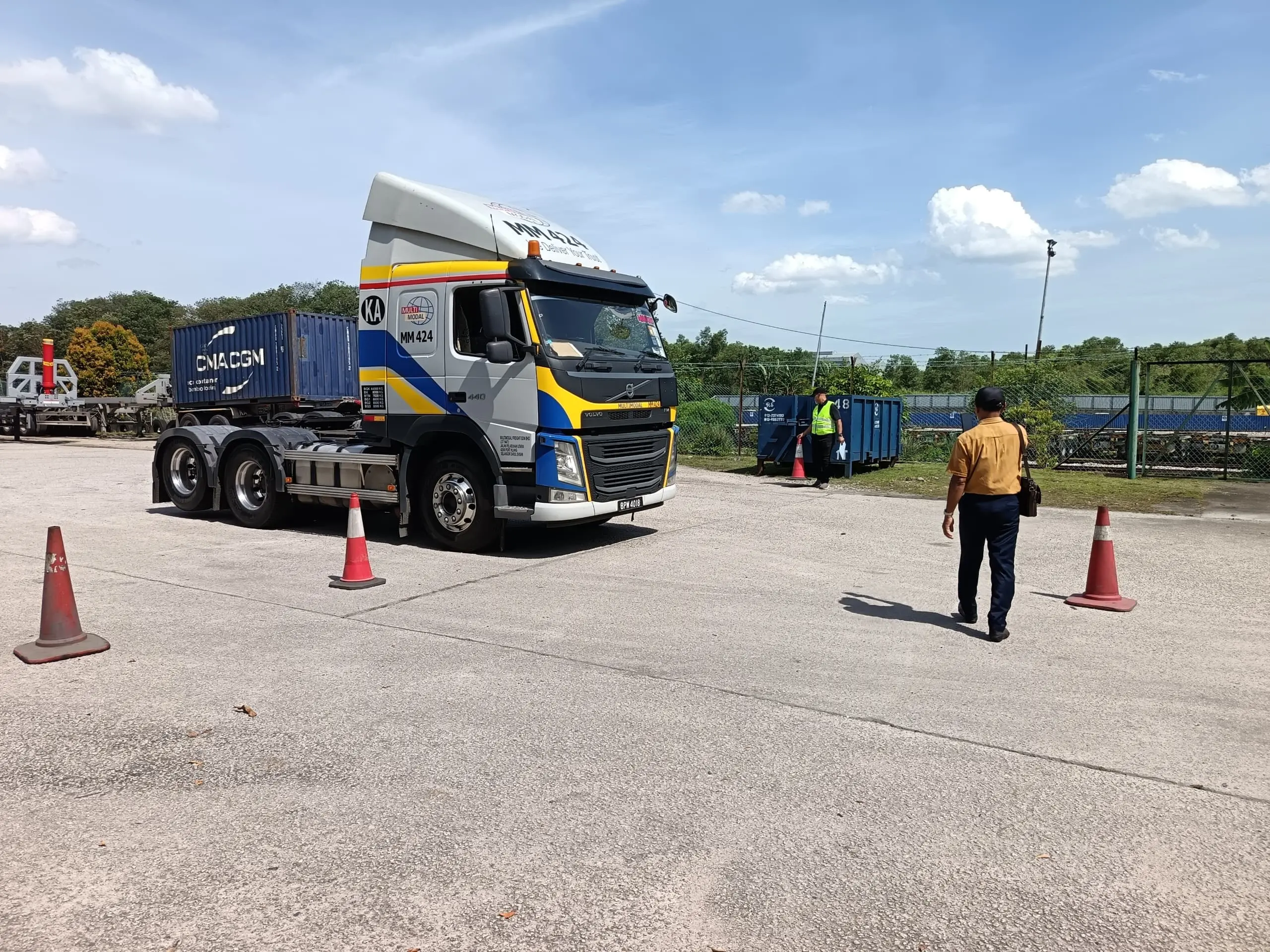
Even strong systems depend on the decisions made behind the wheel. Drivers need clear expectations, appropriate vehicle knowledge and the confidence to respond safely when plans change. This includes observation, distance and speed judgement, fatigue and distraction management, vehicle checks and communication with supervisors.
Where a review identifies a driver-development need, defensive driving development can help strengthen awareness, attitude and real-road decision-making. It works best when the workplace also provides realistic journeys, clear reporting and management follow-through.
Near misses, defects, delays and driver concerns are useful sources of learning when they are reviewed constructively. Look beyond the immediate event: were responsibilities clear, was the vehicle ready, did the journey plan fit the conditions, and did the driver have the support needed to make a safe choice?
This approach helps teams identify a more useful next action—whether that is a process change, better data use, vehicle or maintenance attention, targeted training or a broader operational review.
A good starting point is a short, repeatable review that looks at people, vehicles, journeys and information together. Assign owners, agree the next action, and return to the same questions regularly. This makes fleet improvement part of normal operations instead of a one-time project.
ADHINS supports organisations with transport and fleet solutions, driver development, IVMS/data analysis and strategic advisory. The focus is on helping organisations align operational decisions with their transport-safety priorities.
It brings together clear roles, vehicle readiness, journey planning, driver support, defect reporting and relevant fleet information so that teams can make safer operational decisions.
No. Maintenance is important, but fleet management also includes people, routes, vehicles, data, operational controls and the way decisions are implemented.
Relevant data can help teams identify patterns, prioritise follow-up and test whether controls are working. It should be used with operational context, not treated as a substitute for management judgement.





©2026 ADHINS Management Sdn Bhd. All Rights Reserved.