

A road transport safety policy should make safer decisions easier during real work: when a driver is preparing for a route, a vehicle defect is found, weather changes, a delivery is delayed or a near miss needs to be reported. It is not simply a document to file away.
For Malaysian companies that manage drivers, company vehicles, contracted transport or regular road journeys, an effective policy turns leadership intent into clear responsibilities, practical controls and a repeatable review process. The aim is to reduce uncertainty before it becomes risk.
This guide explains how to build a policy people can actually use. It complements a wider road transport safety programme; it does not replace operational assessment or a review of your specific legal and contractual obligations.

A generic policy often fails because it does not match the way work happens. Start by mapping the activities the policy needs to govern. Include employees who drive, fleet supervisors, dispatchers, contractors and leaders who influence schedules or delivery expectations.
Ask practical questions:
This early map keeps the policy proportionate. A sales team using passenger vehicles, a service fleet working across states and a logistics operation moving goods may share principles, but their controls and escalation routes will not be identical.
The best policy is clear about what must happen, who owns it and how people know it has happened. Use the sections below as a build checklist, then adapt the wording and controls to your operation.
State the purpose of the policy in plain language: protecting people, supporting safe journeys and managing road risk as part of normal operations. Then name the accountable roles. Senior management should set direction and provide resources; managers should plan work safely; supervisors should check and follow up; drivers should follow procedures and raise concerns.
Avoid assigning all responsibility to drivers. Dispatch decisions, vehicle availability, route expectations and response to reported concerns all influence whether safe driving is possible.
Set out how drivers are approved for the vehicles and tasks they perform. Cover licence and competency checks appropriate to the role, familiarisation with the vehicle, expectations for seat belts and distraction-free driving, and a route for reporting when a driver is not fit or confident to continue.
Your policy should support drivers to speak up about fatigue, illness, stress, unsafe schedules or changing conditions. Pair this with a clear escalation path so the report leads to a decision, not blame or delay.
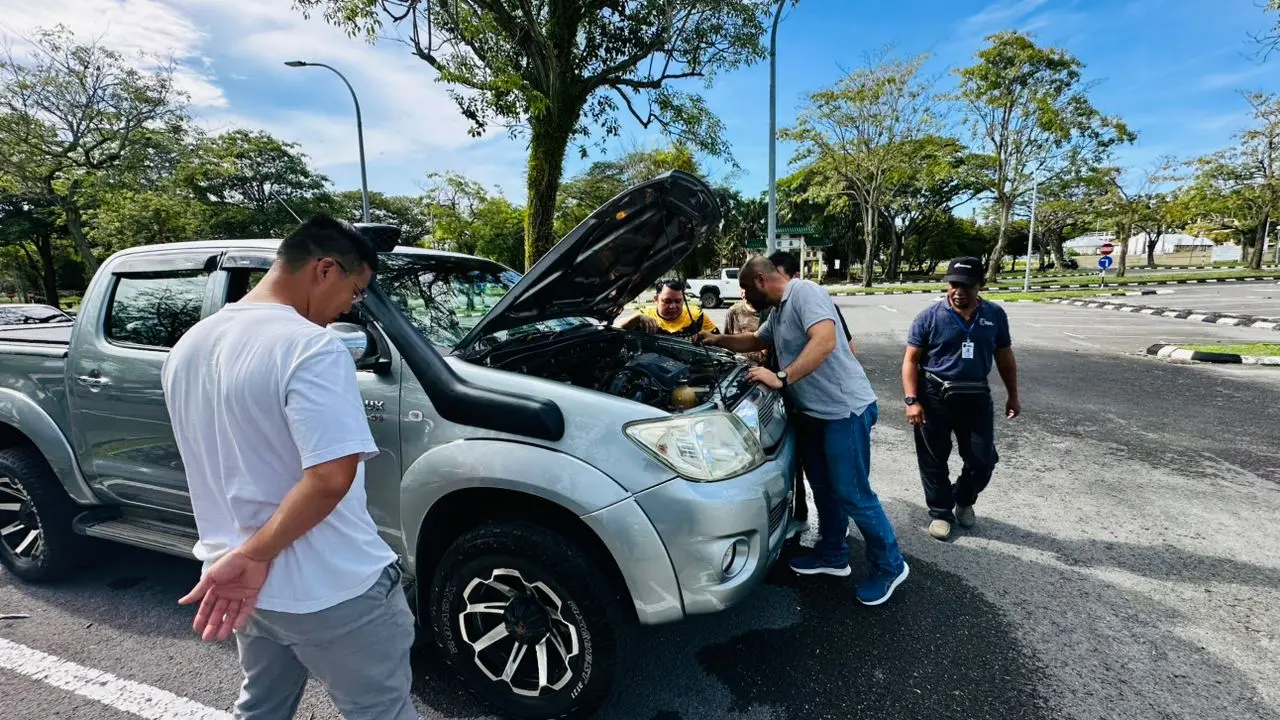
Define the checks required before a vehicle is used, how defects are recorded and who decides whether a vehicle can remain in service. Include the maintenance and inspection process that applies to your fleet, hired vehicles and safety-critical equipment.
Make the response to a defect unambiguous: report it, record it, assess it and close the loop. A driver should know exactly whom to contact and what to do if a vehicle is not safe for the planned journey.
A useful journey management policy addresses the work before the engine starts. Set expectations for realistic schedules, suitable routes, rest and refuelling stops, weather checks, passenger or load considerations, communications and escalation for delays or changed conditions.
Specify when a journey needs additional planning or approval—for example, unfamiliar long-distance trips, night work, adverse weather, higher-risk loads or lone-driver journeys. The goal is not paperwork for every trip; it is making sure extra risk triggers extra thought and support.

Where relevant, include practical controls for load security, vehicle capacity, passenger behaviour, safe parking, reversing, roadside stops and working around other vehicles. Reference the operating procedures your teams should use, rather than trying to place every task detail in one policy.
Describe what must be reported, when to seek emergency help, who needs to be informed and how evidence or vehicle information should be protected. Include near misses and unsafe conditions, not only crashes. These reports can reveal recurring issues before someone is injured or a major loss occurs.
Make the learning process visible. The policy should explain how the company will review events, share relevant learning and track corrective actions without assuming that a report automatically identifies fault.
State how drivers, supervisors and managers will be briefed on the policy and how competence needs will be identified. Training should match the risk and role: a supervisor who manages schedules needs different capability from a driver facing wet-road hazards or a team operating specialised vehicles.
For a structured programme, consider road transport training and advisory support that connects driver behaviour, operational controls and fleet oversight. Confirm the right service page and offer before publishing this link.
Set a routine for reviewing whether the policy works in practice. Useful inputs may include completed vehicle checks, reported defects, journey exceptions, incidents, near misses, coaching themes and feedback from drivers or supervisors. Keep the measures meaningful; numbers without ownership or follow-up do not improve safety.
Review the policy after material operational changes, significant events, new vehicle types, route changes, recurring concerns or lessons from monitoring. Give one role responsibility for recording revisions and communicating what has changed.

Publishing a policy is only the start. Give each group the part they need to apply: drivers need a short, practical briefing and easy reporting route; supervisors need checklists and escalation guidance; leaders need a review rhythm and visibility of unresolved actions.
Test the policy against realistic scenarios. What happens when a driver finds a defect shortly before a delivery? Who can change a schedule when weather worsens? What does a manager do after a near miss? If the team cannot answer quickly, simplify the policy or provide the supporting procedure, tool or briefing they need.
An effective road transport safety policy does not rely on one annual reminder. It creates a shared way to plan, drive, report, respond and learn. When the document reflects real operational decisions, people are more likely to use it when it matters.
ADHINS can help organisations review road-transport risks, align practical controls and build the training, fleet-management and advisory support around them. Talk to ADHINS about a road transport safety approach that fits your vehicles, people and operating environment.
It should set out the policy’s purpose and scope, accountable roles, driver expectations, vehicle readiness, journey planning, incident and near-miss reporting, training, contractor expectations and a review process. The supporting procedures should make each requirement easy to apply.
Leadership should be accountable for the overall system and resources, while managers, supervisors, drivers and contractors each have defined responsibilities. A strong policy makes those responsibilities specific and explains how concerns are escalated.
Review it on a planned cycle and whenever a material change, recurring concern, significant event, new vehicle type, route change or operational learning shows that the controls need to be reconsidered. Use a frequency that matches your organisation’s risk and operating context.











©2026 ADHINS Management Sdn Bhd. All Rights Reserved.