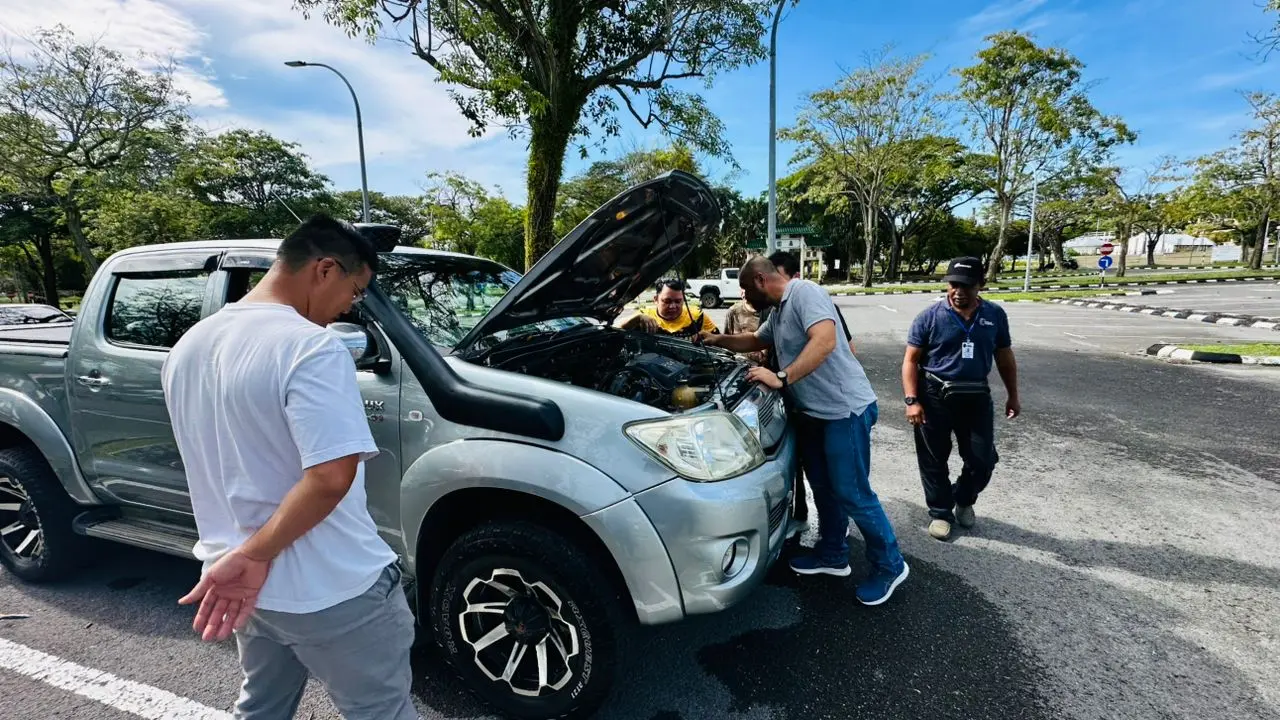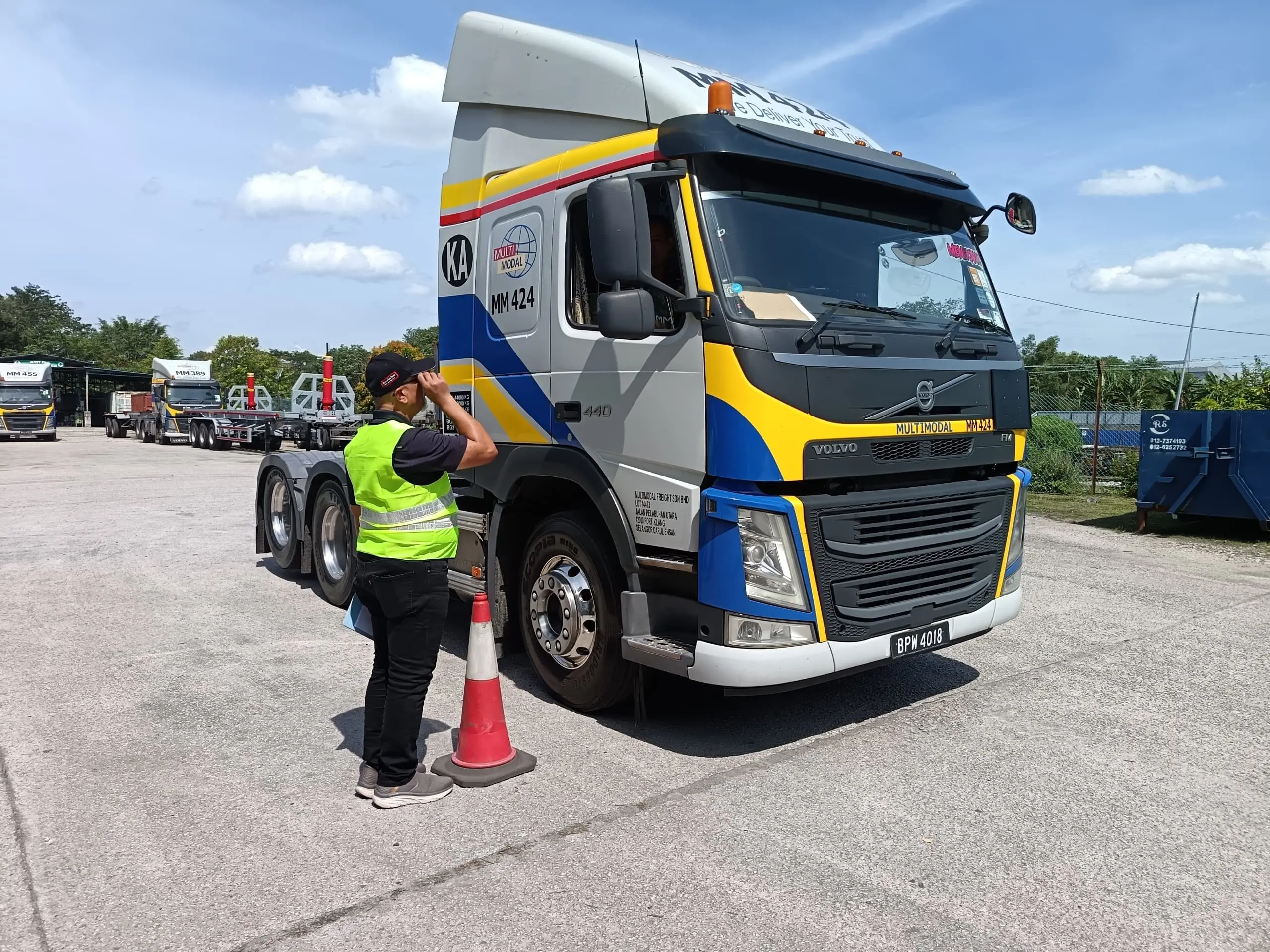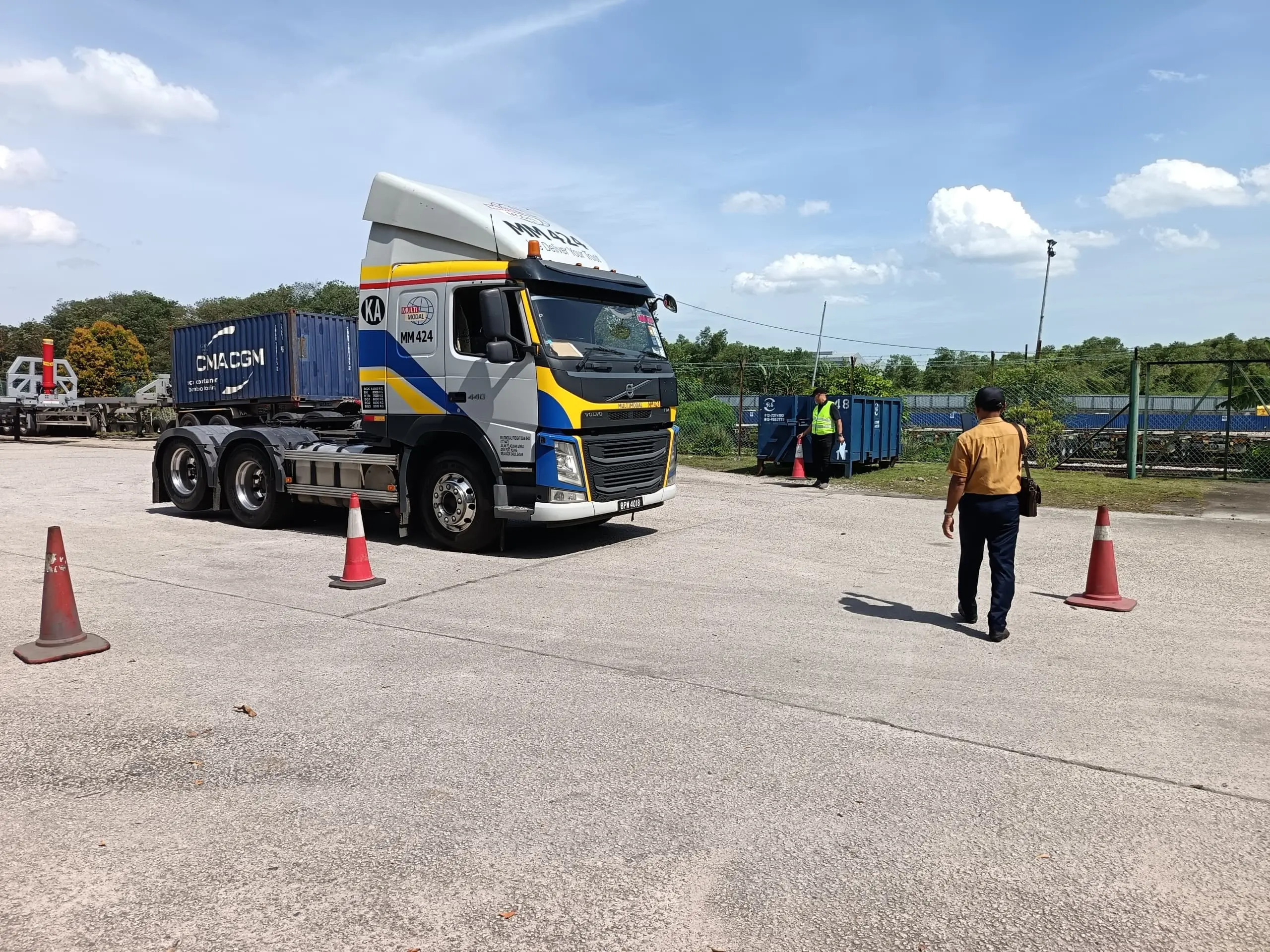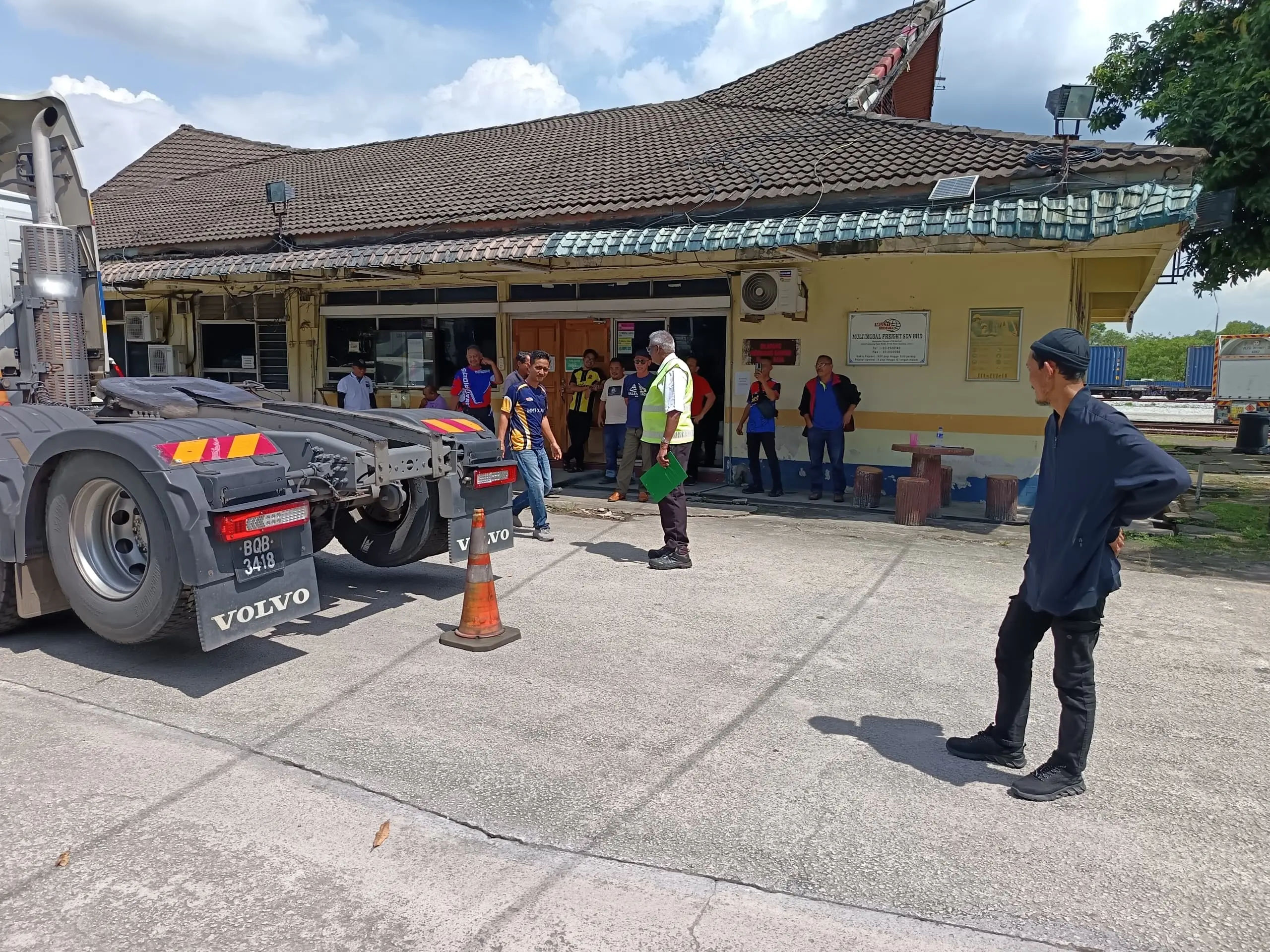
A new driver should understand the work, vehicle and support arrangements before taking on a company journey. A practical fleet driver induction gives the driver a clear starting point: what the role involves, how the assigned vehicle is handed over, which journey procedures apply and who to contact when plans change.
Induction does not replace a valid licence, role-specific training, company supervision or any checks required for the work. It is the structured handover that helps a driver and manager confirm the basics before the first assignment—and revisit them when a vehicle or role changes.
A consistent fleet driver induction also gives managers a practical way to identify questions or follow-up needs before work begins.
Table of Contents

What a fleet driver induction should achieve
The purpose is not to deliver every safety topic in one meeting. It is to confirm that the driver knows their assignment, understands the relevant company procedures and can raise a concern before driving. Set expectations for the conversation, leave time for questions and record any follow-up that is still needed.
Keep the process proportionate to the person and the work. A new employee, an occasional business driver, a contractor and an experienced driver moving to a different vehicle may need different levels of familiarisation. Use the company’s own role requirements and current applicable guidance to decide what must be checked.

1. Explain the role and the limits of the assignment
Start with the journeys the driver is expected to make, the vehicle they will use, the people or goods involved and any relevant worksite arrangements. Explain who assigns journeys and who can approve a change. A driver should know where their responsibility ends and when a supervisor needs to make a decision.
Discuss realistic working conditions: appointment windows, delivery or loading arrangements, unfamiliar destinations, parking and the process for delays. Make clear that the driver should follow the organisation’s procedures if a schedule or task appears unrealistic. Do not ask drivers to improvise outside their role or vehicle authorisation.
2. Confirm readiness and role-specific requirements
Use the company’s approved process to confirm the person is prepared and authorised for the assignment. This may include checking relevant licence or qualification records, familiarising the driver with the vehicle category and confirming any role-specific training or supervision required by the organisation. Store and handle personal records according to company procedures.
Document the fleet driver induction steps your organisation expects, while allowing the briefing to reflect the driver’s role and experience.
When you need to verify licence classes or related guidance, consult the latest information from Jabatan Pengangkutan Jalan (JPJ) and follow your organisation’s approval process.
Ask the driver to describe what they would do if they felt unfit to drive, were unsure about a task or needed help. Explain the reporting route and the person to contact. Keep the discussion respectful; the aim is to make it easy to raise a concern early.
3. Complete a vehicle handover, not just a key handover
During fleet driver induction, walk through the assigned vehicle while it is safely parked. Show the driver the controls, visibility adjustments, safety equipment, any company-specific devices and where vehicle documents or instructions are kept. Explain how to report a defect and what to do if the vehicle is not suitable for use under company procedure.
Point out the organisation’s pre-use check process and ask the driver to explain or demonstrate the steps that apply to that vehicle. Avoid relying on a generic checklist where the company has a vehicle-specific process. For more detail, see the pre-trip vehicle inspection checklist.

4. Cover journey planning, communication and reporting
Show the driver how journeys are planned and where to find current destinations, site instructions and contact details. Explain how to report a delay, route problem, vehicle issue, near miss or incident through the company’s channels. Identify the person or team to contact during and outside normal working hours, if the organisation provides such support.
Talk through a simple scenario, such as a delivery delay, a road closure or a warning light appearing before departure. Ask the driver what information they would share and whom they would contact. Use the company’s actual process in the discussion; do not invent emergency or roadside instructions that conflict with local procedures.
Make sure the driver knows that journey changes should be communicated through the agreed channel and that vehicle defects should be reported promptly under company policy. A clear process can prevent uncertainty about who needs to act next.

5. Check understanding and record follow-up
Finish with a short conversation rather than a one-way presentation. Ask the driver to explain the key steps for their first assignment: where to find the journey details, how to complete the applicable vehicle check, how to raise a concern and who to contact. Clarify anything that remains uncertain before assigning work.
Record the induction date, topics covered, vehicle or role discussed, materials provided and outstanding actions in the company’s approved system. Note who owns each follow-up and when it should be completed. A record is useful only if it reflects what actually happened.
Use feedback from the first assignment to improve the fleet driver induction checklist when a procedure was unclear or a handover step was missed.
For the first journeys, arrange support or a check-in when the role or company process calls for it. Invite the driver to report what was unclear. Update the induction when a person changes role, receives a different vehicle or encounters a material change in work arrangements.
Fleet driver induction checklist
- Role, journey types and assignment boundaries explained
- Company process for readiness, authorisation and role-specific requirements followed
- Assigned vehicle controls, documents and equipment introduced
- Applicable pre-use check and defect-reporting route explained
- Journey planning, delay communication and support contacts identified
- Driver questions answered and understanding checked
- Induction record and any follow-up actions completed
Frequently asked questions
Is fleet driver induction the same as driver training?
No. Induction introduces the work, company procedures, assigned vehicle and support routes. Training develops or refreshes knowledge and practical skills. An employer may need both, depending on the driver’s role and its own requirements.
When should a company repeat an induction?
Review the process when a driver changes role or vehicle, when work arrangements change, or when feedback shows that important procedures are unclear. Follow the organisation’s own review schedule and applicable requirements.
How long should an induction take?
There is no single duration for every driver. Allow enough time to cover the person’s assignment, vehicle and procedures, check understanding and record follow-up. Complex or unfamiliar roles may need additional briefing or supervised familiarisation.
Build a consistent driver onboarding process
A useful fleet driver induction connects people to the right assignment, vehicle and support process before work begins. Keep it role-based, practical and easy to update. If your organisation is reviewing its driver training approach, explore ADHINS road transport training or contact the team to discuss your requirements.