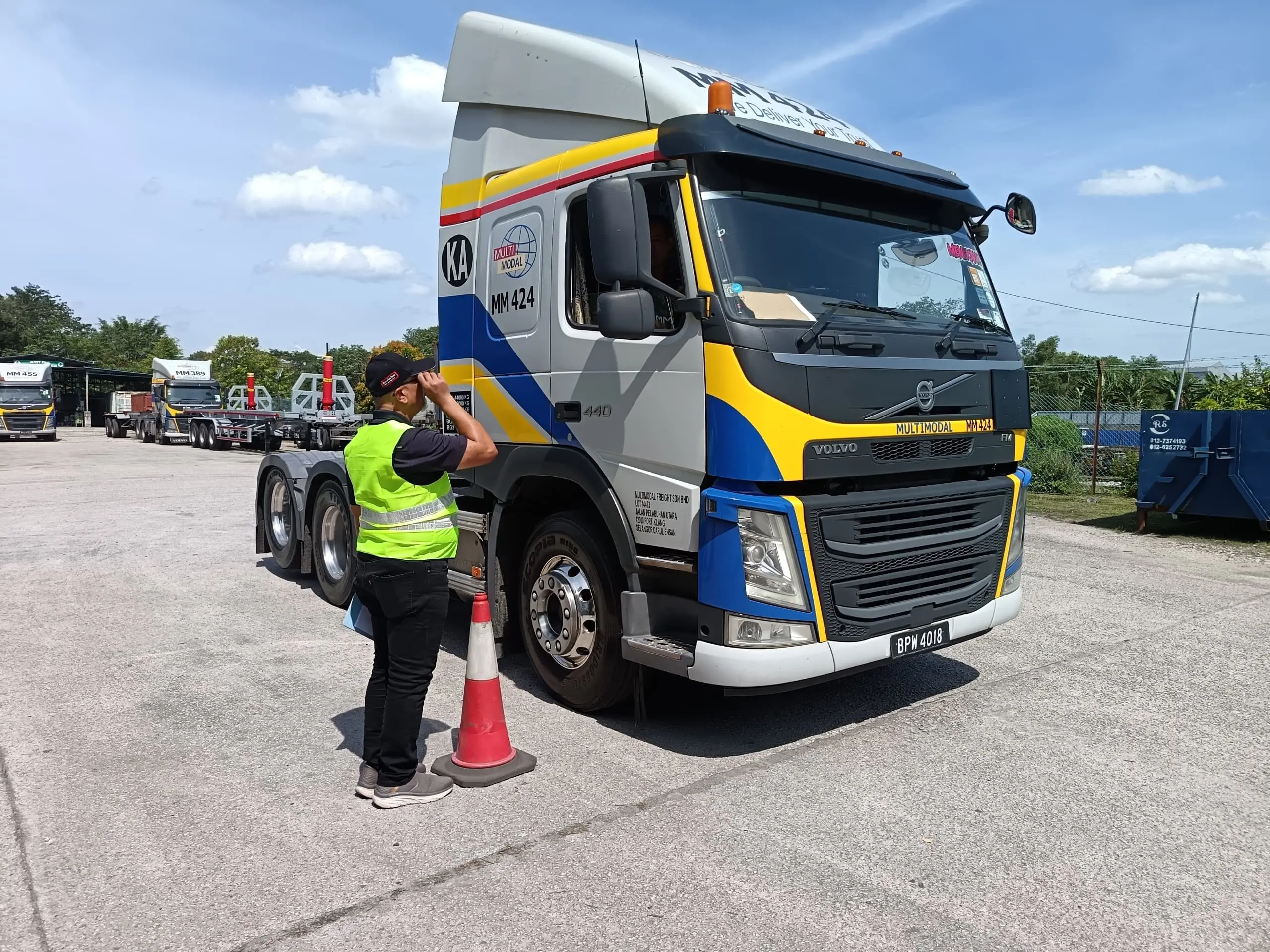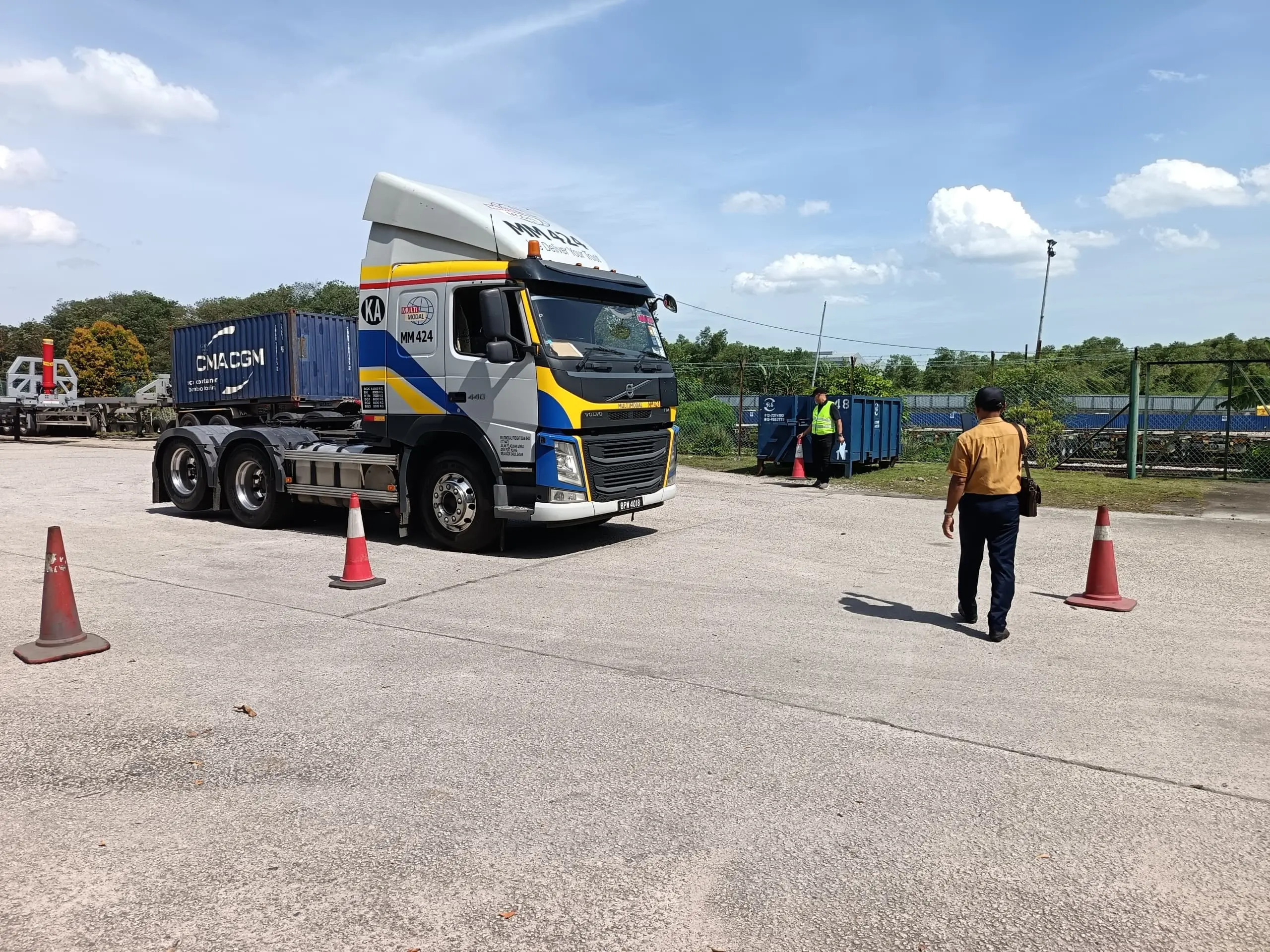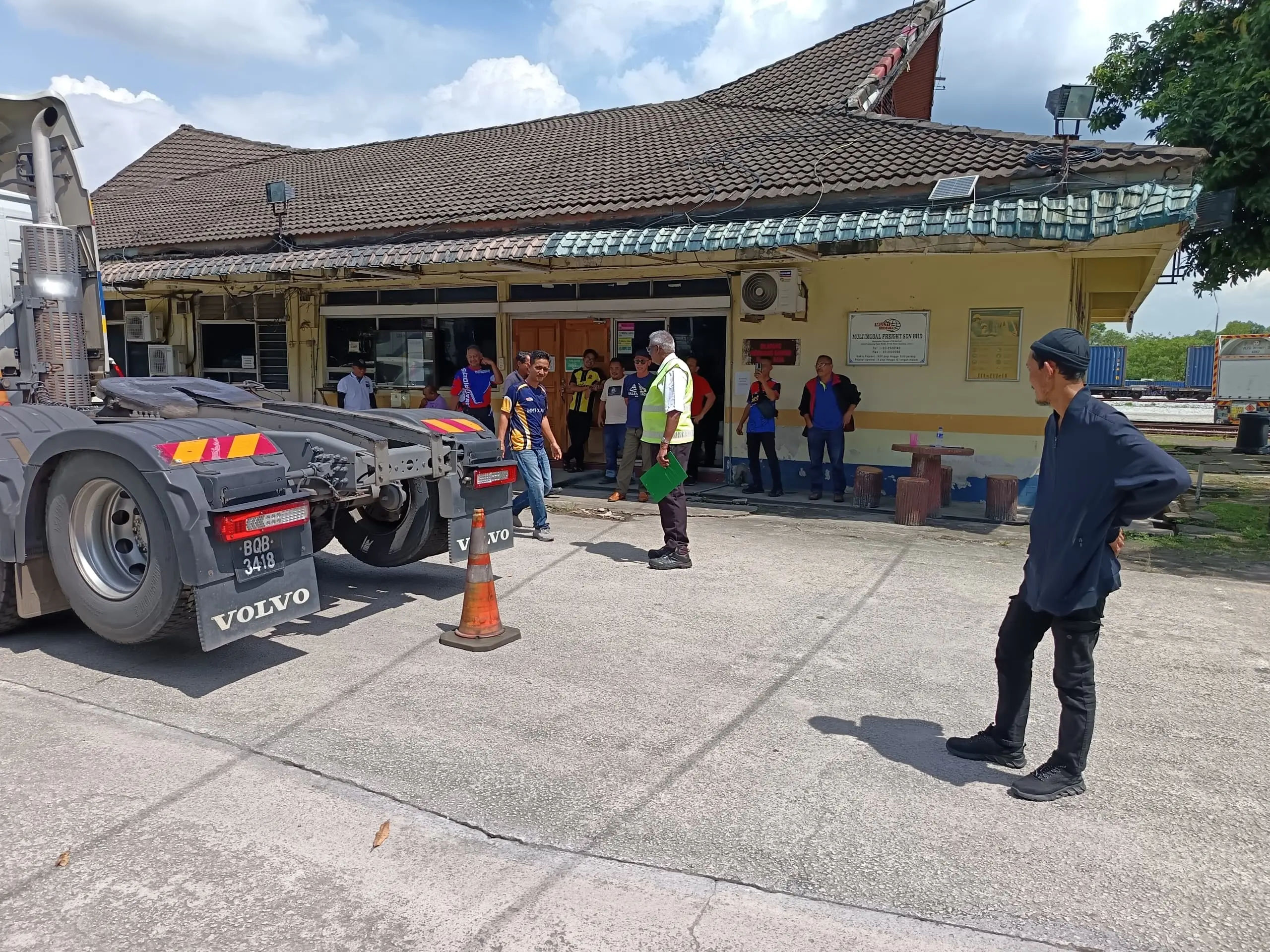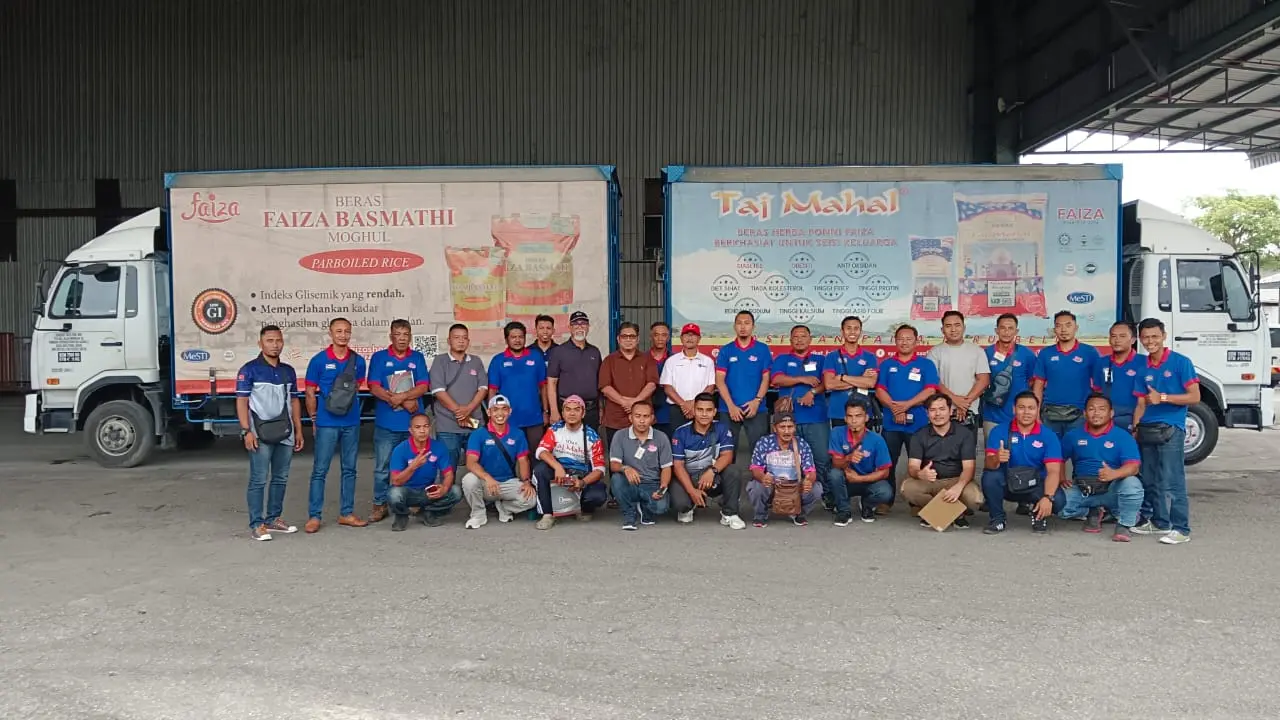
Refresher training for fleet drivers should be considered when evidence shows a skill needs reinforcement, the work changes or a planned review identifies a gap. A calendar date can help organise the programme, but it should not be the only reason to act.
For Malaysian companies, the useful question is not simply “Has a year passed?” It is “Can this driver apply the required skills to this vehicle and this task under current conditions?” This guide gives fleet managers, HR teams and safety supervisors a practical way to decide when a refresher, familiarisation or further assessment is appropriate.
Refresher training for fleet drivers: use planned reviews and event triggers
There is no universal refresher interval established by this article. Choose a review cycle based on exposure, vehicle types, operational changes and evidence of competence. Separately verify any applicable licensing, sector, contractual or insurer requirements; an internal training plan does not establish those obligations.
HSE’s driving-for-work overview identifies the driver, vehicle and journey as main risk areas. This is a useful reference for reviewing training needs alongside operational controls, but its UK legal statements are not Malaysian requirements. See the HSE employer guidance.
Keep a planned review date and a list of triggers that can bring it forward. Do not wait for the next scheduled course when an unresolved safety concern needs immediate action.
1. When a driver changes vehicle or task
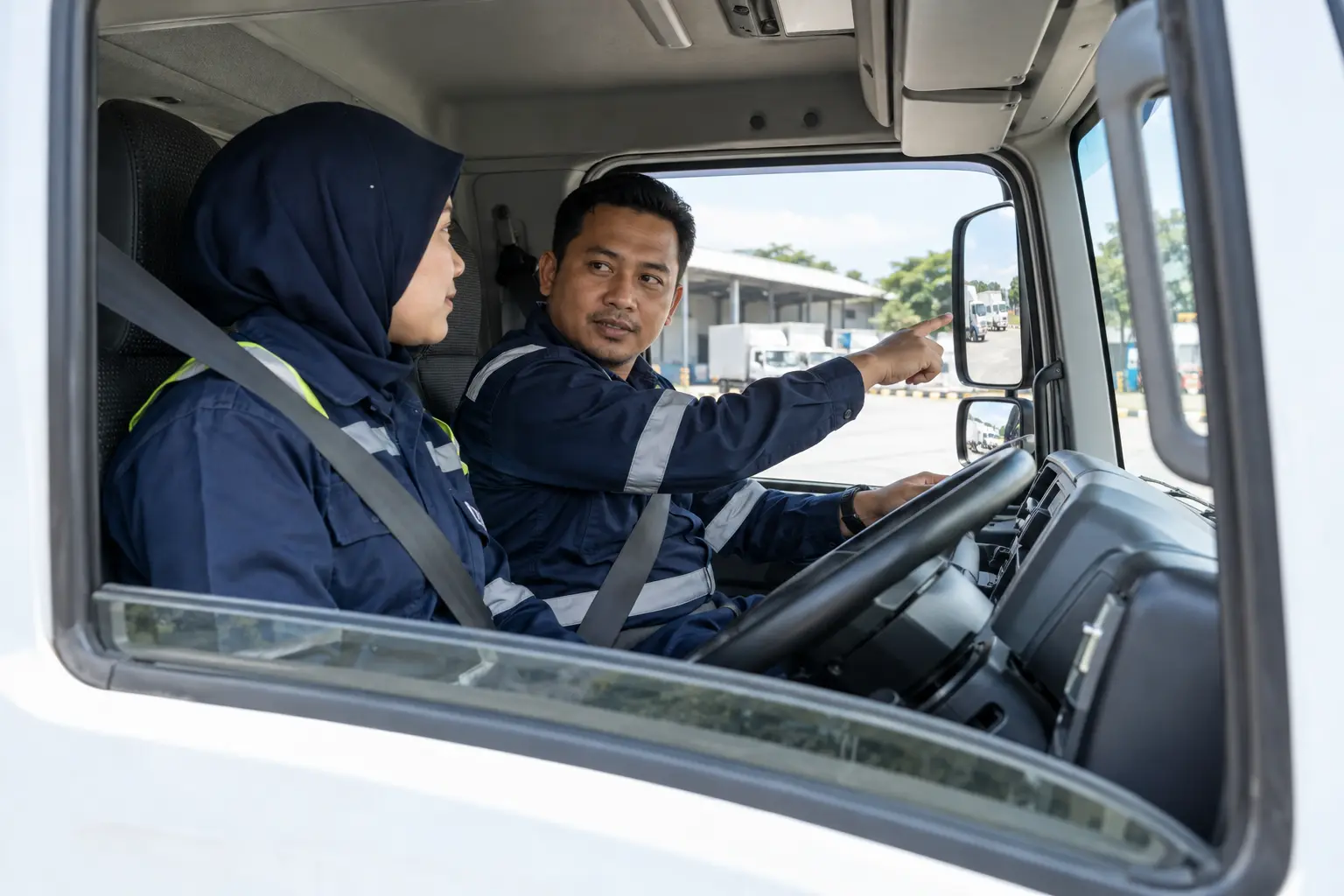
A move from a company car to a van, a different truck configuration or a new passenger role can introduce unfamiliar controls, visibility limits and handling demands. Previous training may not cover the new work.
Review what changed before assigning the task. Vehicle familiarisation, specialist instruction or a separate competency assessment may be needed; a general defensive-driving refresher is not automatically sufficient.
Define what the driver must demonstrate, who can assess it and whether supervised practice is required. Confirm authorisation and appropriate qualifications separately rather than treating attendance as permission to operate any vehicle.

2. When routes or operating conditions change
New customer sites, unfamiliar routes, night duties or changed work patterns can alter the decisions drivers face. A programme built around an old route may no longer address the main exposure.
Ask drivers and supervisors which situations are new or difficult. Choose examples relevant to the work, such as restricted entrances, pedestrian conflict or reduced visibility. Decide whether the response needs training, revised journey planning or both.
For instance, repeated difficulty at a loading bay may call for a revised access arrangement with the customer. Coaching the driver without fixing that arrangement leaves the same problem in place.
3. When observations show a specific skills gap
An authorised observation may reveal late hazard recognition, inconsistent mirror use or difficulty applying a vehicle procedure. Record the situation and the action observed, not just a label such as “poor driving”.
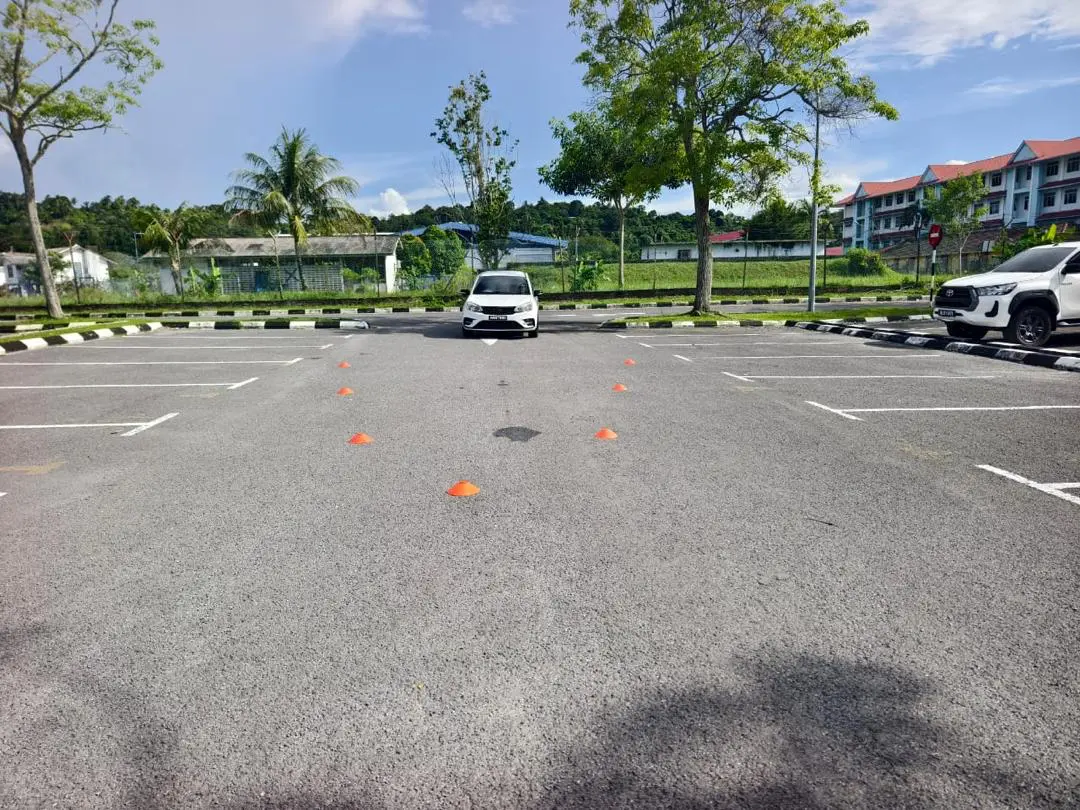
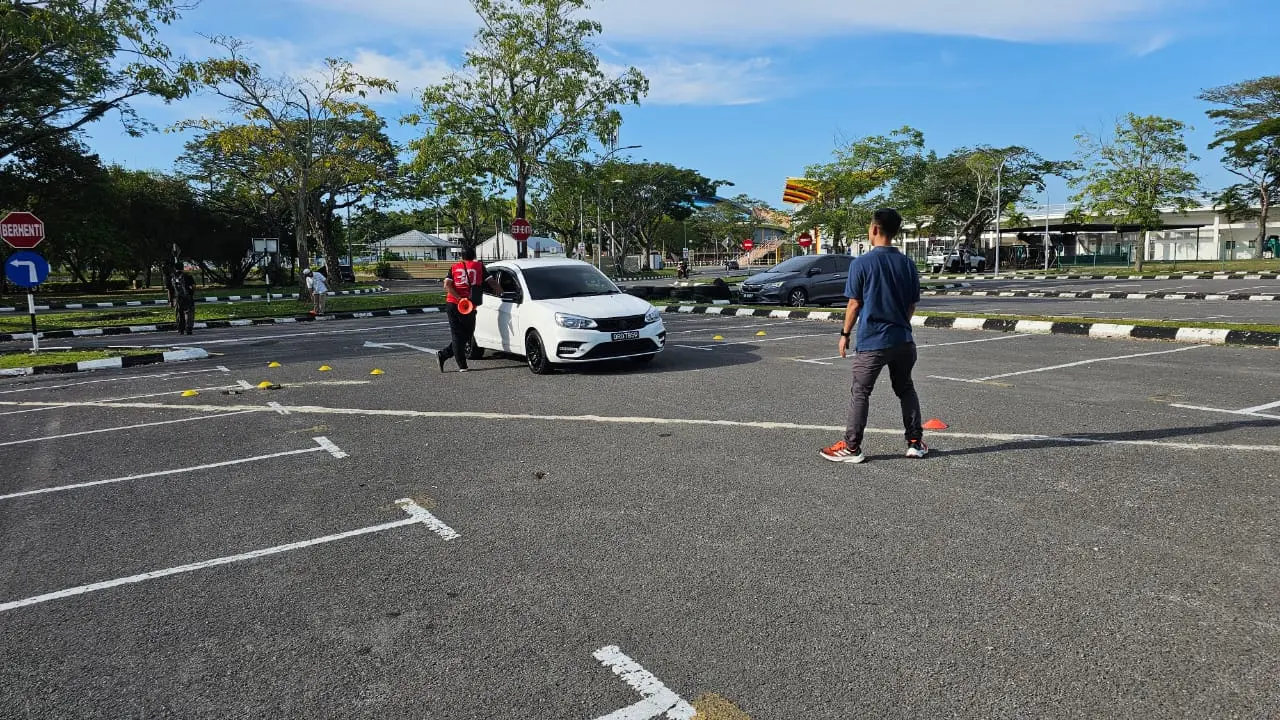
Discuss the driver’s explanation and agree a learning outcome. A targeted session may be more useful than repeating every topic from the original course. Reassess the relevant task under suitable conditions after the support is provided.
Use appropriately competent trainers or assessors and safe practical arrangements. Do not stage emergency situations in public traffic or distract a driver with unnecessary commentary during a demanding manoeuvre.
4. After an incident or near miss identifies a learning need
An incident should prompt a fair review, not an automatic conclusion that the driver needs retraining. Consider vehicle condition, site arrangements, schedules, other road users and available evidence.
If the review identifies a knowledge or skill gap, define the refresher around that gap. If the cause involves dispatch expectations or maintenance, assign the corresponding management action as well.
Manage immediate safety concerns before a return to the relevant task. Training is not a punishment or a substitute for a competent fitness, vehicle or task assessment where one is needed. Avoid presenting every near-miss report as a negative mark that could discourage reporting.
5. When recurring fleet data warrants a closer review
Telematics or IVMS can flag patterns for investigation. A raw braking or speeding alert count should not automatically determine who attends a course. Check data validity, coverage, route context and exposure first.
Abrupt braking may be an appropriate response to danger. Compare like-for-like work where possible and discuss relevant events with the driver. If a repeat skill concern is confirmed, use targeted coaching and follow-up.
Keep monitoring and training decisions proportionate. Explain the purpose of the review and use authorised access to driver information. Confirm data-handling obligations separately.
6. When drivers return after a significant gap
A period away from driving a particular vehicle or task may justify a readiness review. The length of the absence alone does not tell you what support is required.
Check what changed during the absence, the driver’s familiarity and any relevant restrictions. Arrange appropriate familiarisation or reassessment before resuming unfamiliar work. Where fitness concerns arise, seek appropriate professional input rather than assuming a refresher resolves them.
7. When the planned competency review is due
A planned review helps prevent experienced drivers being overlooked simply because no incident has been reported. Examine current duties, previous assessment findings, driver feedback and outstanding actions.
Record the decision even if additional training is not currently needed. State the evidence, the next review point and the triggers that would reopen it. Do not use a quiet incident period as the only proof of competence.
Match the intervention to the finding
| Finding | Possible response | Evidence to check |
|---|---|---|
| Knowledge needs reinforcement | Focused refresher discussion and relevant scenarios. | Understanding demonstrated against defined outcomes. |
| Unfamiliar vehicle | Vehicle-specific familiarisation and suitable assessment. | Required tasks demonstrated safely. |
| Observed skill difficulty | Coached practice with an appropriate assessor. | Follow-up observation of the relevant behaviour. |
| Unrealistic schedule | Management review of timing and alternatives. | Revised arrangements and driver feedback. |
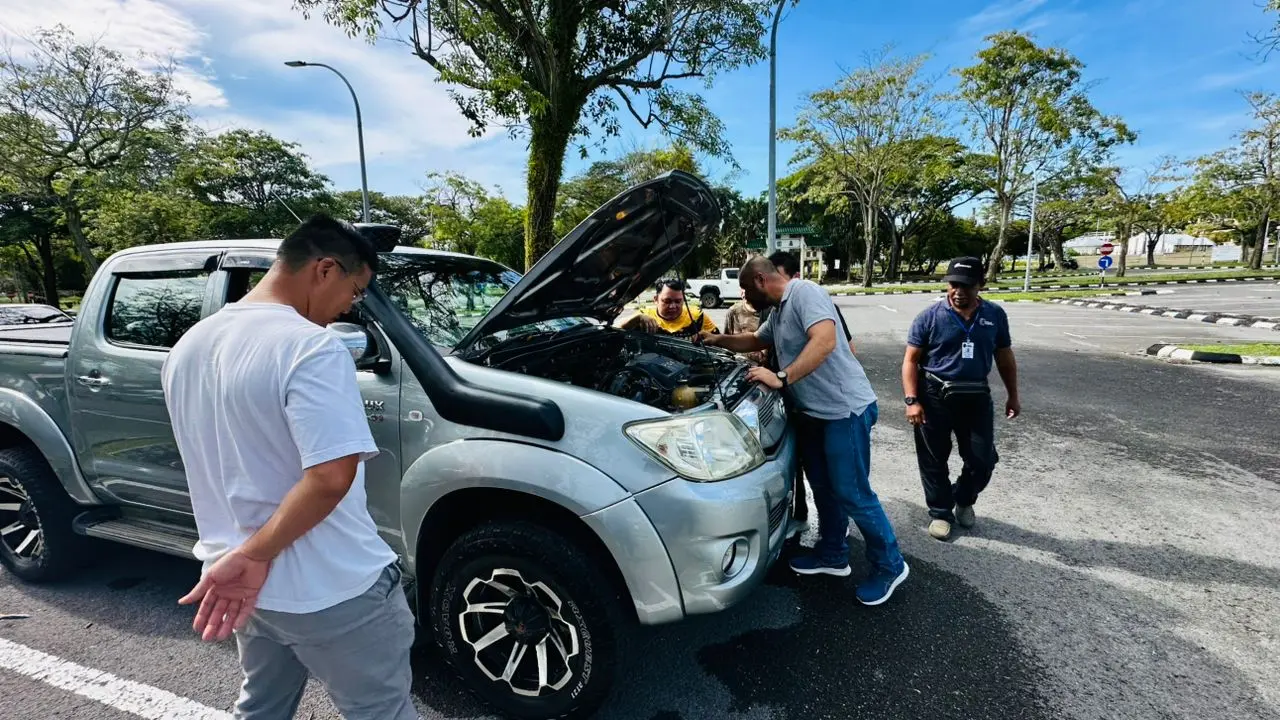
| Unresolved vehicle concern | Authorised technical assessment and release process. | Assessment, action and release records. |
These are proposed decision examples, not an exhaustive policy. Several responses may be needed together. A driver’s completion certificate should describe only the training or assessment it actually represents.

Keep a clear refresher decision record
- The trigger and relevant evidence.
- The vehicle, task and learning outcomes in scope.
- The chosen training, familiarisation or assessment method.
- Any interim work arrangements and management actions.
- The responsible trainer, supervisor and action owners.
- The outcome, follow-up verification and next review point.
Plan the follow-up before booking. The supervisor should know which behaviour to observe and what support the driver needs. Check whether improvement is maintained and whether operational barriers remain.
Frequently asked questions
Should every fleet driver attend an annual refresher?
An annual date may be part of a company’s programme, but this guide does not establish it as a universal requirement. Use risk-based reviews and verify any specific obligations that apply.
Does an incident always mean retraining is needed?
No. Review the evidence and contributing conditions first. Training is appropriate where a learning need is identified; other controls may also require action.
Can a short briefing replace practical assessment?
Not where the outcome requires demonstration of a practical skill. Choose the method according to the task and the evidence needed.
How can companies check that a refresher helped?
Review the agreed learning outcomes through suitable assessment and follow-up observation. Incident totals alone cannot establish that training caused a change.
Discuss risk-based refresher training with ADHINS
Bring your driver groups, vehicles, review triggers and current follow-up process to the discussion. Contact ADHINS about defensive driving training and fleet safety support, and ask for a scope that matches the skills and operational concerns your team needs to address.