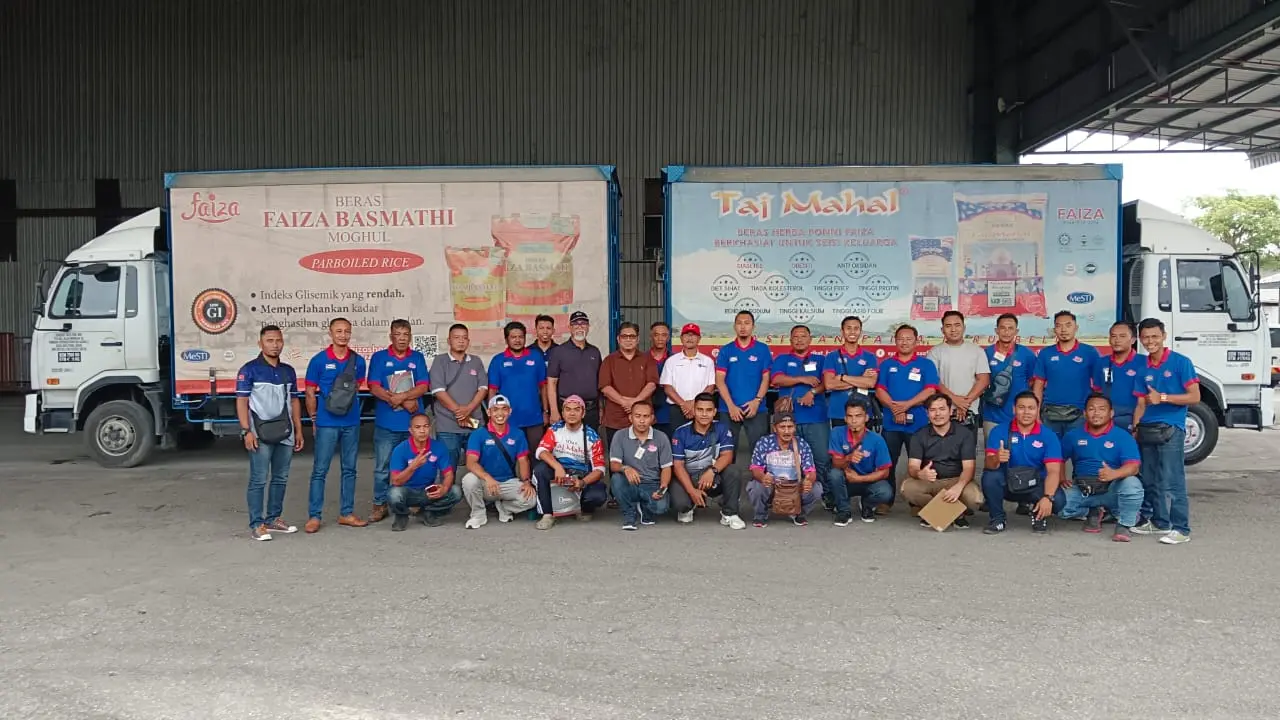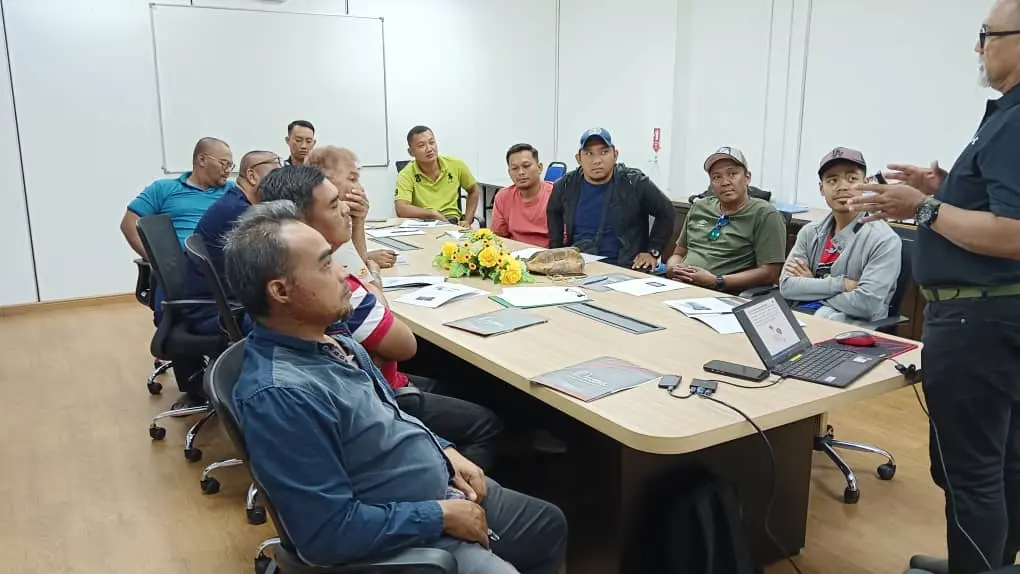
Fleet driving risks arise from the interaction between drivers, vehicles, journeys and the conditions surrounding the work. A driver may know the safe response yet face an unrealistic delivery time, an unresolved defect or an unfamiliar entrance. Companies need controls that support good decisions before and during the journey.
This guide helps Malaysian fleet, operations and safety managers identify common risk situations and assign practical responses. It covers company cars, vans and commercial fleets at a general level; specialist vehicles, passenger operations and regulated tasks require additional, appropriate procedures.
Look at fleet driving risks beyond driver error
Start with real work: routes, vehicle types, shifts, customer sites and driver feedback. Review incidents, near misses and unresolved concerns, but do not assume a single report or telematics alert proves the cause.
HSE’s driving-for-work overview groups risk around the driver, vehicle and journey, and identifies pressures such as fatigue, weather and time constraints. This is a useful management reference, not a statement of Malaysian legal requirements. See the HSE employer guidance.
The controls below are practical suggestions, not a legally prescribed risk register. Prioritise them according to your own exposure, potential consequences and existing controls. Training should complement scheduling, maintenance and management decisions rather than carry the entire safety responsibility.
1. Fatigue and an extended working day
A journey can become difficult when driving follows demanding work, a delayed delivery or insufficient rest. Consider the complete day, including loading, meetings, waiting and the return journey, rather than counting driving alone.
Plan realistic work and rest arrangements, and provide a reporting route when a driver is not ready to continue. Name someone who can revise the schedule, arrange an alternative driver or change the return arrangements. Confirm any applicable driving-hours requirements for the operation separately.
Drivers should be able to stop in a safe place and seek support when continuing is unsafe. Do not treat caffeine, open windows or determination as substitutes for resolving fatigue. Check whether supervisors actually support reporting, particularly when a customer is waiting.

2. Speed, following distance and delivery pressure
Pressure to recover lost time can undermine decisions about speed and spacing. Congestion, wet roads and changing visibility make a fixed arrival promise particularly difficult to maintain.
Build schedules around realistic travel and site time. Tell drivers how to report delays and who will update the customer. Avoid incentives that reward completing a route regardless of safety conditions.
Reinforce speed choices appropriate to conditions within applicable limits, and following margins that allow time and space to respond. If data suggests a recurring concern, review the route and workload as well as the driver’s practice. A warning message alone will not fix an impossible schedule.
3. Distraction from work communication
Dispatch calls, navigation changes and messages can create competing demands while driving. A company phone policy is ineffective if supervisors still expect immediate replies on the road.
Set navigation and essential journey information before departure. Arrange communication at safe stopping points and make it clear that drivers are not expected to read, type or handle work calls while driving. Dispatchers need the same instruction.
Agree an alternative when a journey changes. The driver can park safely before reviewing the revised destination or contacting the coordinator. Do not introduce reporting apps that create a new distraction in the name of monitoring.
4. Vehicle defects and unfamiliar controls
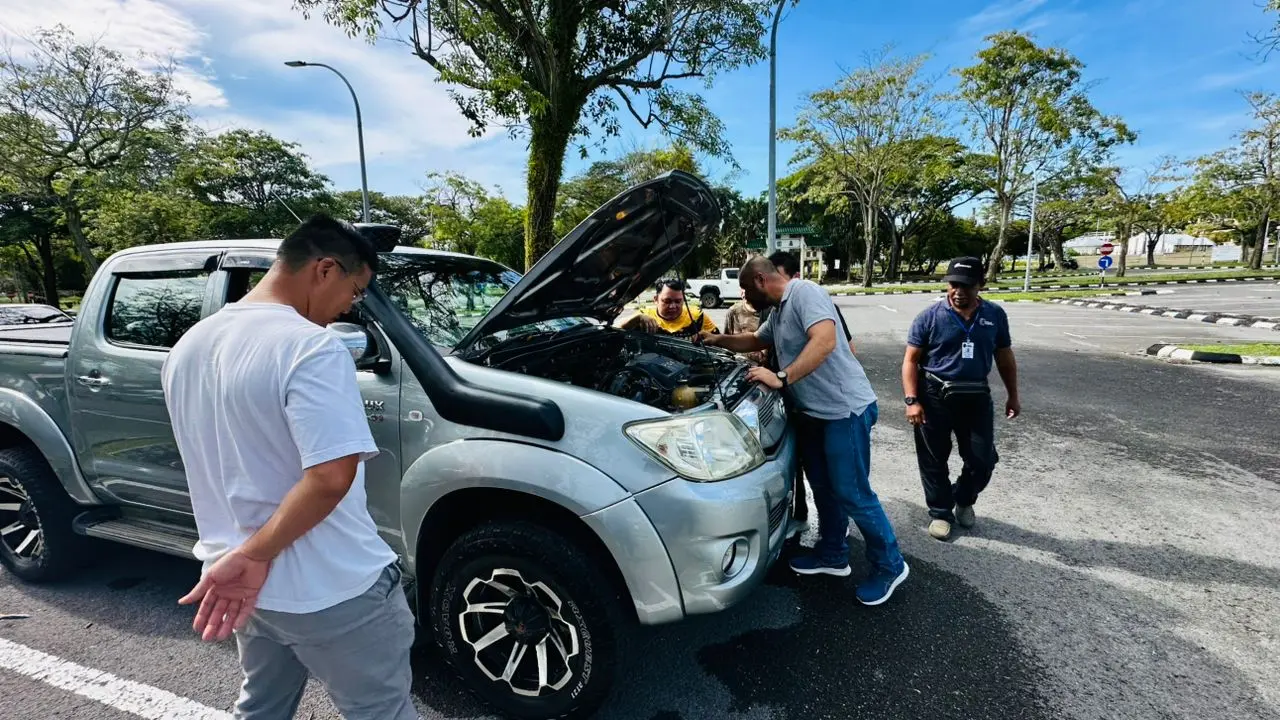
A missed defect or unfamiliar replacement vehicle can affect a journey before it starts. Driver checks, technical assessment and maintenance have different roles; none should be assumed to replace the others.
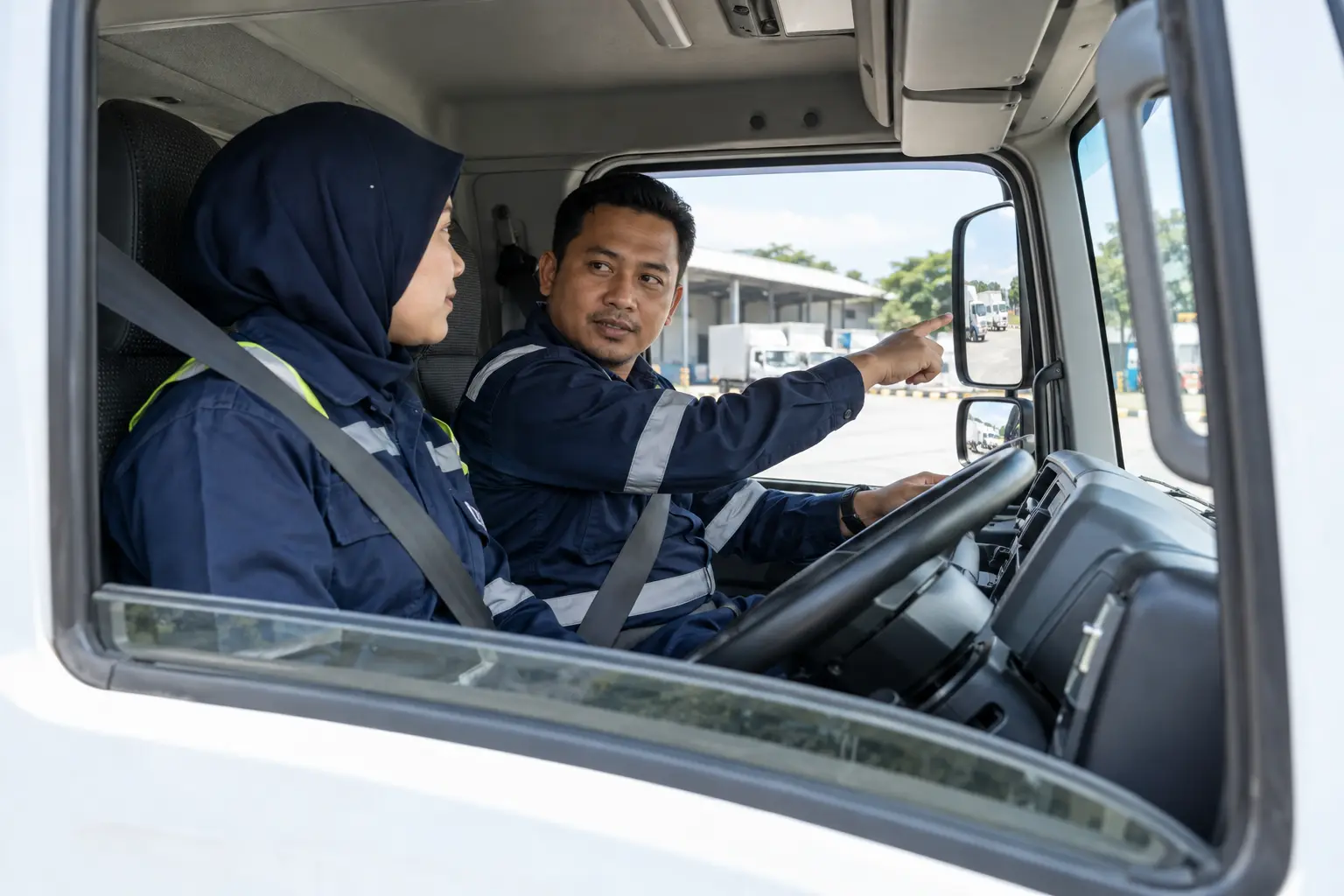
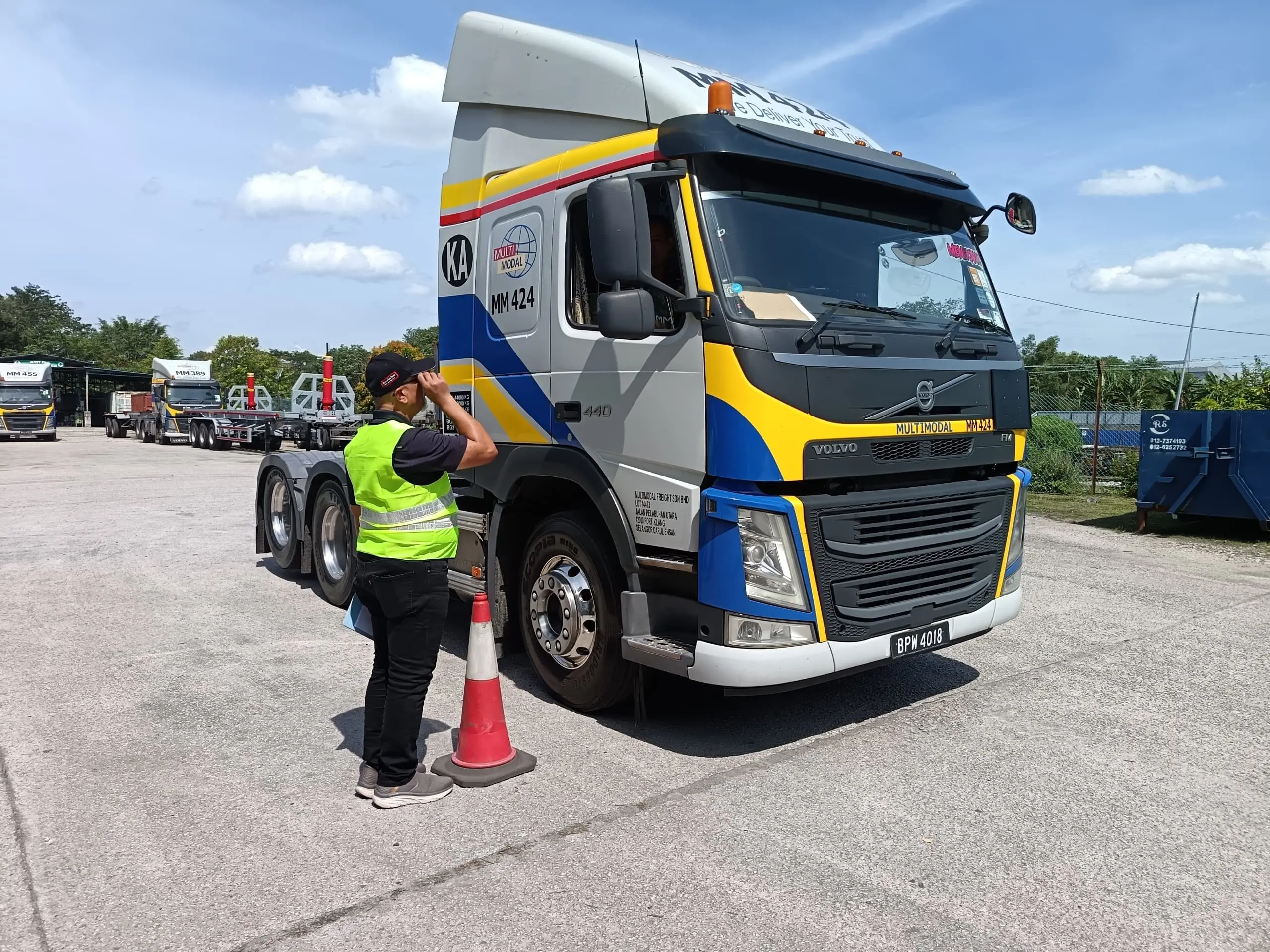
Provide vehicle-specific pre-use checks and familiarisation. Drivers need to know the controls, visibility limits and reporting procedure. If a safety-related concern appears, use an authorised hold-and-assess process rather than asking the driver to decide whether it is acceptable for one more trip.
Keep unresolved status visible to dispatch and the next driver. A repair ticket marked complete should have appropriate evidence and an authorised release decision where required. Do not pressure drivers to diagnose or repair beyond their competence.
5. Poor weather, unsuitable routes and changing access
Heavy rain, reduced visibility, road closures or an unsuitable entrance can invalidate the original plan. Navigation directions do not establish that a route is appropriate for the vehicle or safe under current conditions.
Check relevant official information before departure and confirm destination access with the site contact. Review dimensions, manoeuvring space, parking, unloading and any applicable restrictions. Agree alternatives and who can approve a changed plan.
Give drivers clear stop or postpone arrangements. They should not enter floodwater or attempt a route whose safety cannot be established. An absence of alerts is not evidence that a road is passable. No live route or weather conditions are assessed in this article.
6. Reversing, blind spots and pedestrian conflict
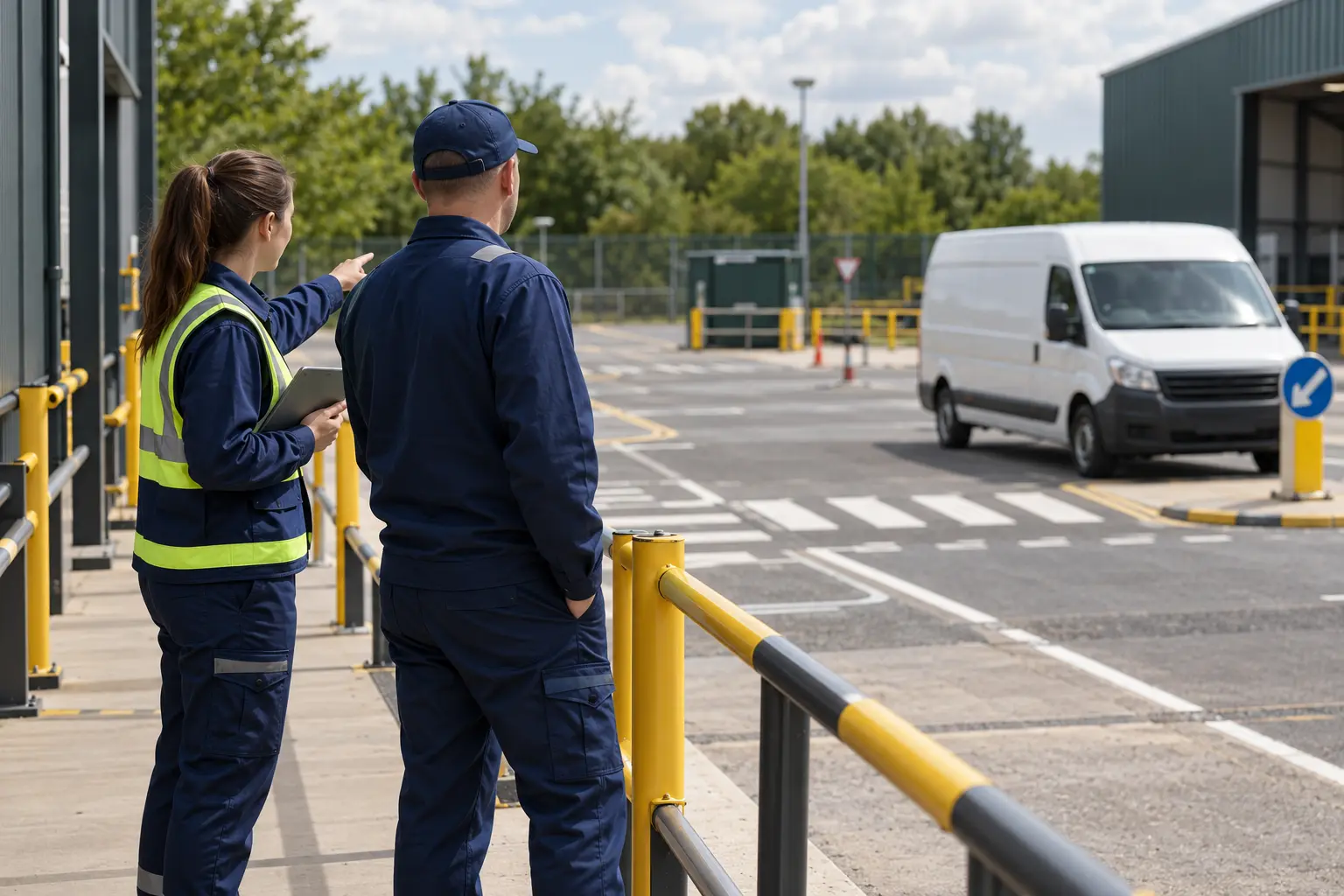
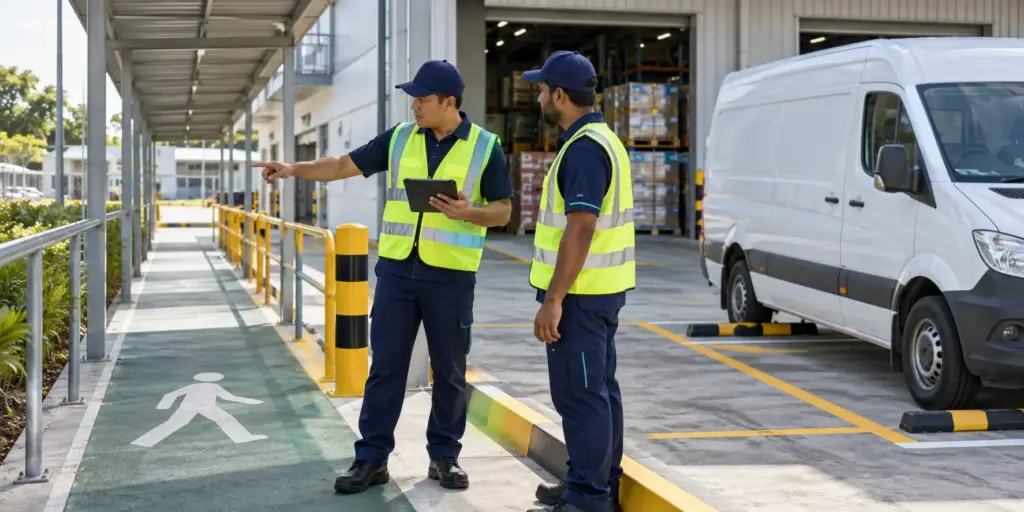
Depots and customer sites can bring vehicles close to pedestrians, cyclists and other workers. Unclear access instructions or limited space may leave drivers deciding how to manoeuvre after they arrive.
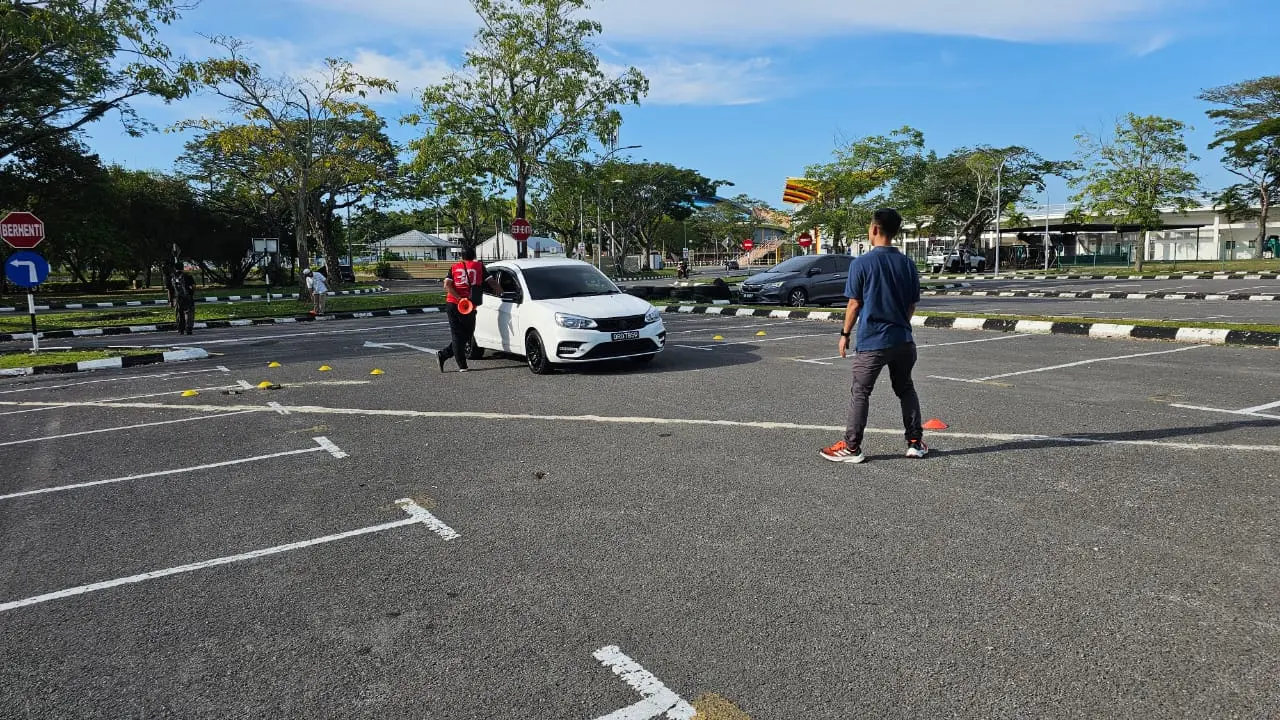
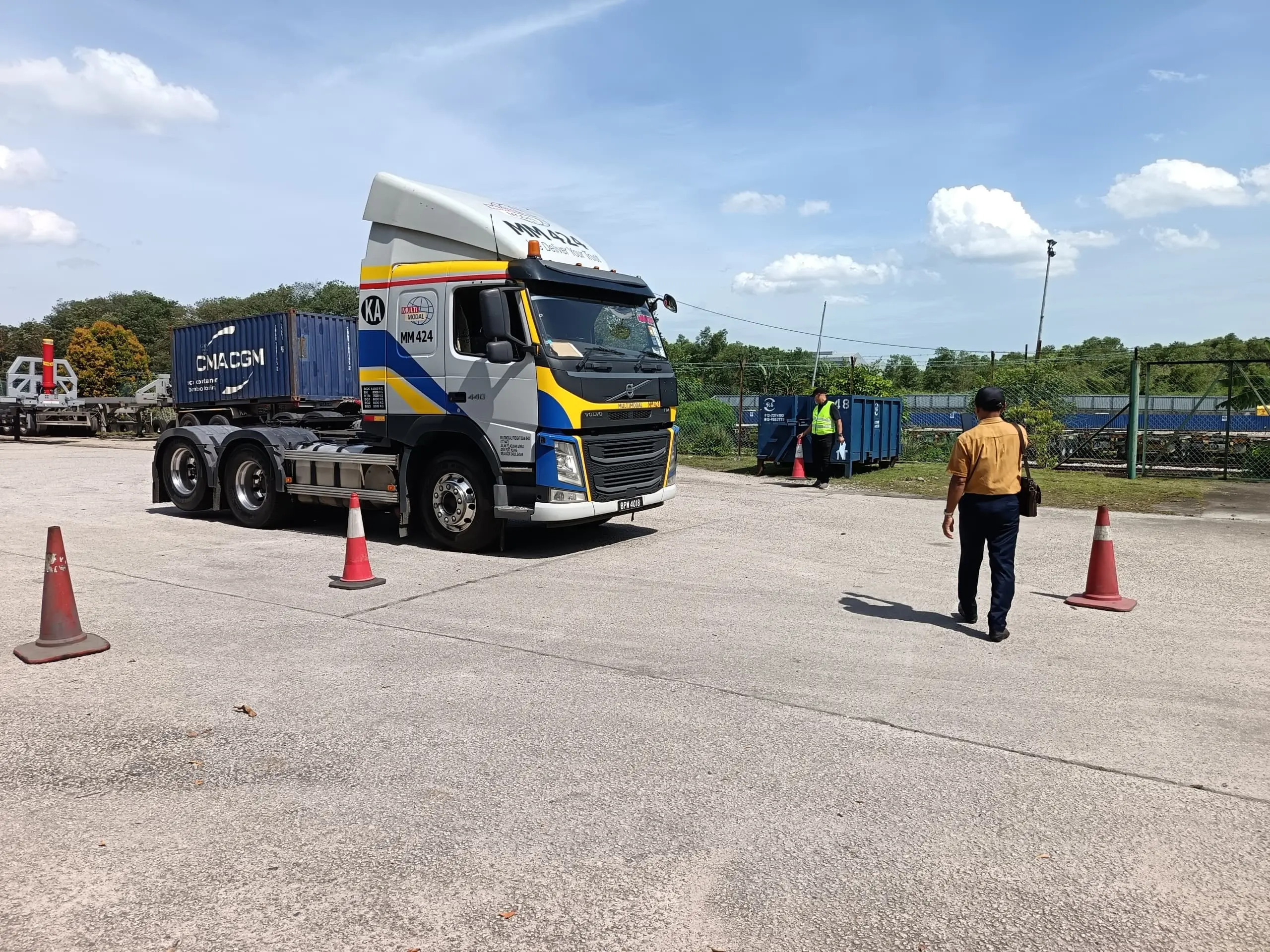
Where practicable, plan arrangements that avoid unnecessary reversing and separate people from moving vehicles. Confirm the waiting area and site rules before the trip. Drivers should pause if the manoeuvring area or assistance arrangements are unclear.
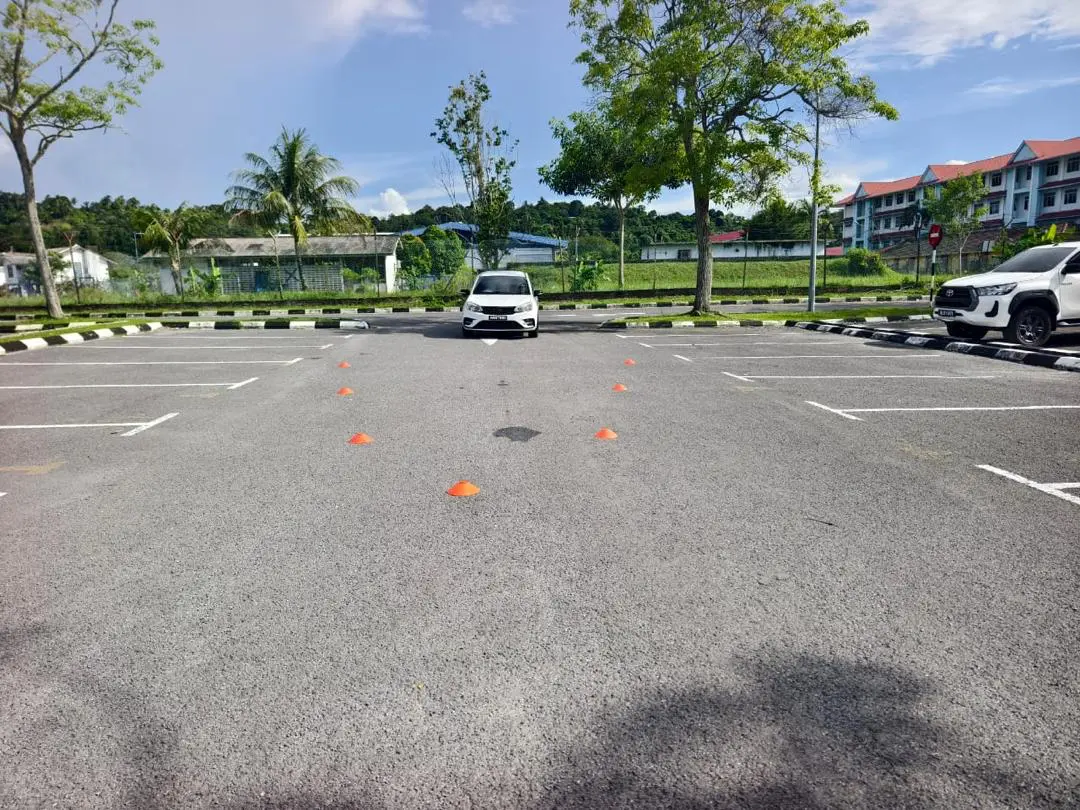
Where a trained signaller is part of the procedure, agree communication and the response if visual contact is lost. Cameras and sensors may assist, but should not be treated as proof that the area is clear. Use vehicle-specific instruction and controlled practical assessment where needed.
7. Loads, passengers and changes to the task
A new load, extra passenger or unfamiliar vehicle may change the original journey assumptions. Requirements differ between a company car, delivery van, truck and bus.
Assign responsibility for vehicle suitability, load security and passenger arrangements through the relevant procedures. Provide competent instruction for specialist tasks. Do not infer that general defensive-driving attendance authorises a driver for every vehicle or operation.
If the task changes, review the plan before continuing. A supervisor’s approval should confirm that appropriate arrangements exist, not override an unresolved safety concern.
Turn each concern into an owned action
| Concern | Company control | Evidence to review |
|---|---|---|
| Late return after demanding work | Review complete workday and alternative return arrangements. | Changed schedule and driver feedback. |
| Calls expected while driving | Align dispatch with safe-contact rules. | Briefing and actual communication practice. |
| Repeated vehicle defect | Assess cause, hold status and repair closure. | Assessment and release records. |
| Unsafe site entrance | Agree revised access with the customer. | Confirmed instructions and follow-up observation. |
| Recurring driving concern | Review context and provide targeted coaching. | Agreed action and suitable reassessment. |
Record an owner, due date and verification method for each action. Urgent concerns need an immediate response rather than waiting for a monthly review. Involve drivers in checking whether the change works in real conditions.
Use monitoring to learn, not simply to blame
Review reports, observations and fleet data together. Abrupt braking may be an appropriate response to another road user; a low alert count may reflect incomplete monitoring. Check device validity, mileage and route context before comparing drivers.
Likewise, more near-miss reports may reflect improved reporting rather than deteriorating safety. Encourage useful reports and check what the company did with them. Do not reward silence or treat a short incident-free period as proof that controls are effective.
Review again when routes, vehicles, work patterns or customer arrangements change. Measure closure and repeat problems alongside outcomes, and confirm applicable legal and data-handling obligations separately.
Frequently asked questions
Are most fleet driving risks solved by training?
Training can address knowledge and skills, but schedules, vehicle condition, site access and management responses also need controls. Match the response to the actual concern.
How should a company decide which risks to address first?
Consider exposure, possible consequences, existing controls and unresolved concerns. Use operational evidence and competent input; do not rely only on the most frequent dashboard alert.
Can telematics confirm that a driver is unsafe?
Telematics can flag events for review. Device accuracy, conditions and driver explanation are needed before interpreting an individual event or trend.
When should fleet risks be reviewed?
Review after relevant incidents or near misses and when work changes, as well as through a planned management cycle. Respond immediately when an urgent concern arises.
Discuss your fleet driving risks with ADHINS
Bring your vehicle types, route examples and recurring concerns to the discussion. Contact ADHINS about defensive driving training and fleet safety advisory, and ask how the proposed scope can connect driver capability with your operational controls.