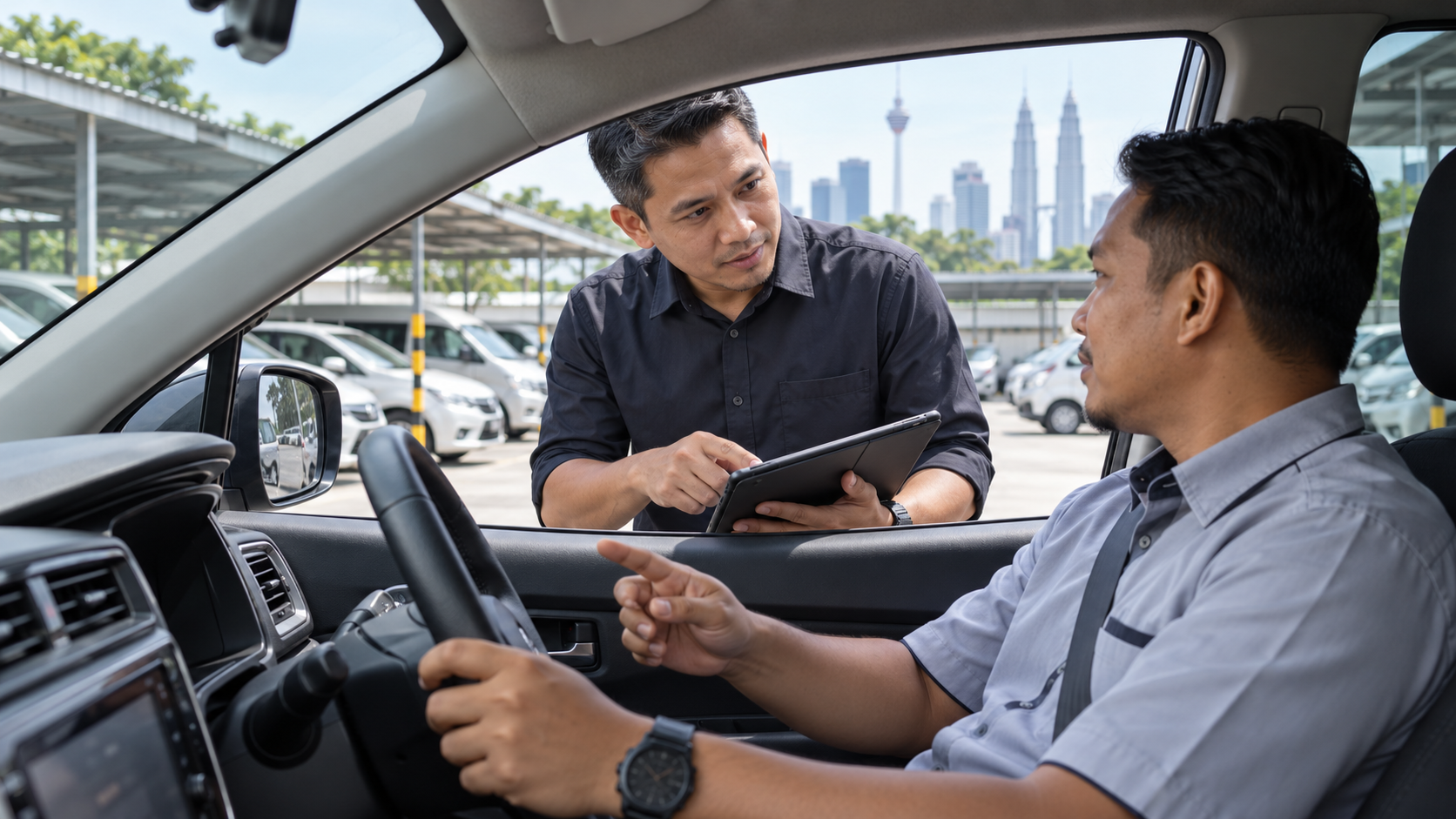
Choosing a fleet tracking solution starts with operational requirements, not a long list of features. Whether your organisation manages company cars, delivery vans, buses or heavy vehicles, the right fleet tracking solution should fit your risks, routes, people and technology. In-vehicle monitoring systems (IVMS) can add driver-related monitoring capabilities, but offerings differ between providers.
Before requesting quotations, use the following questions to compare options consistently. This buyer’s guide is intended for Malaysian fleet and transport teams evaluating a new system—not teams reviewing performance after deployment.
1. What problem must your fleet tracking solution solve?
Write down three to five real operating problems. Perhaps dispatchers cannot confirm vehicle locations, managers need better visibility of unauthorised trips, or safety teams need relevant event alerts. Speak to dispatch, fleet, IT, procurement and the drivers who will use the system. Translate each problem into a requirement and a person accountable for it.
Separate must-have requirements from desirable features. For example, dependable coverage on rural routes may be essential while a polished mobile dashboard is optional. Document your current fleet size, planned growth, operating hours and which teams need access. Ask vendors to demonstrate your scenarios rather than a generic sales presentation.
2. Do you need GPS vehicle tracking or a comprehensive IVMS?
A basic GPS vehicle tracking system may provide locations, trip history and geofencing. An IVMS may add driver identification, speeding alerts, harsh-event detection, vehicle diagnostics or integrations with cameras, depending on its hardware and configuration. Neither label guarantees a standard feature set.
Ask the supplier exactly which features are included in the quoted package, which need optional devices and which require higher subscription tiers. Confirm whether location reporting is near real time, how frequently positions update, and what happens when a vehicle has no cellular signal.
3. Will the hardware work with every vehicle?
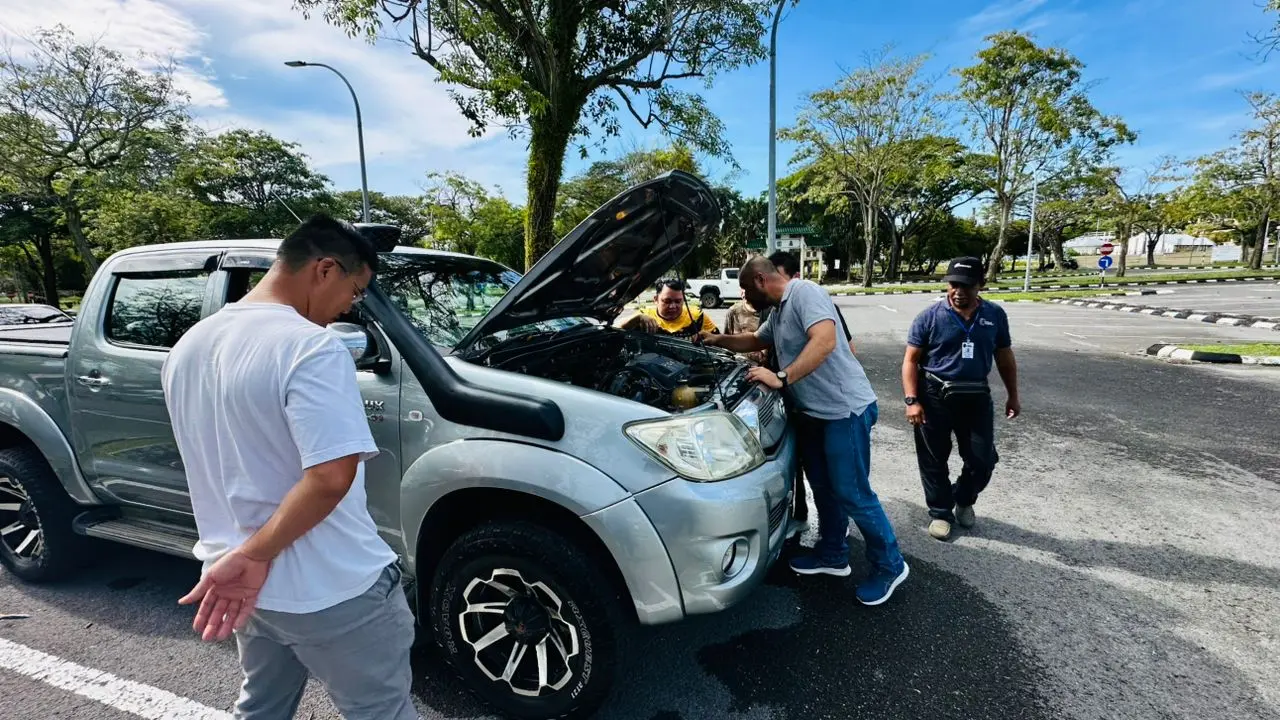
A mixed fleet creates installation challenges. Passenger cars, lorries, buses, older vehicles and specialist equipment may have different electrical systems, onboard data interfaces and mounting requirements. Ask for a vehicle-by-vehicle compatibility matrix before signing.
- Is the device hardwired, plug-in or battery-powered?
- Can it operate safely with the vehicle’s electrical supply and warranty conditions?
- What installation time and vehicle downtime should be expected?
- Does it buffer information while offline and upload it once connectivity returns?
- Who handles device faults, replacements and vehicle transfers?
For vehicles travelling through remote parts of Malaysia, test actual operating routes rather than relying only on a network coverage map.
4. Which driver safety features are genuinely necessary?
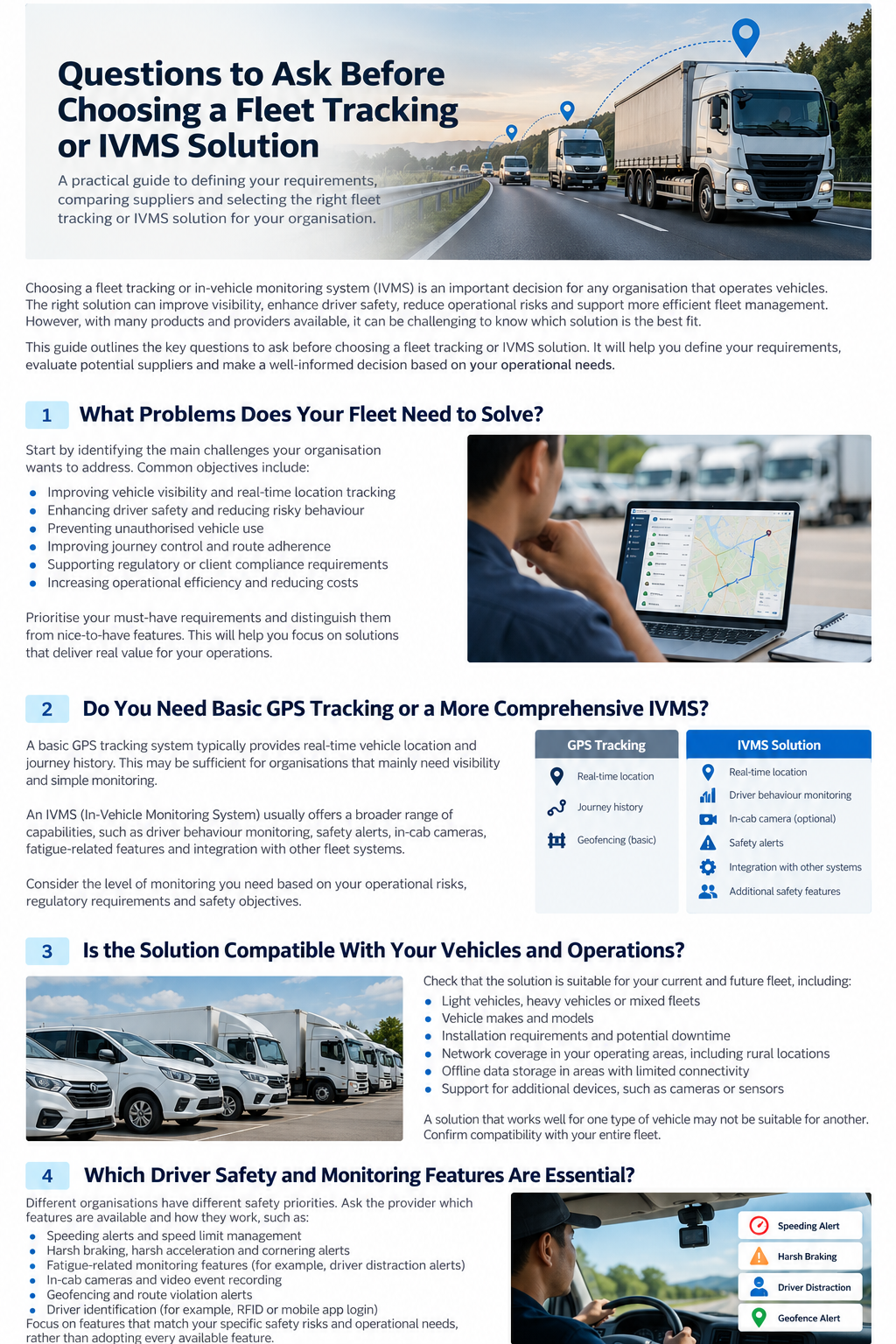
Define safety use cases before comparing alerts. These may include speeding relative to applicable limits, harsh braking, unauthorised operation, driver identification, fatigue-related technology or emergency notifications. Ask how each alert is generated and whether it can be adjusted for different vehicle types and operating conditions.
For example, a harsh-braking event may reflect a driver responding appropriately to a hazard, rather than misconduct. During procurement, the question is whether the system captures useful context and offers sensible configuration—not how to rank drivers using event totals.
Ask about false alerts, calibration, firmware maintenance and how the provider explains limitations to supervisors and drivers. No monitoring system replaces good journey planning, vehicle maintenance or driver training.
5. Can the system integrate with your existing tools?
A fleet tracking solution should not create an isolated data silo. List the systems currently used for dispatch, transport management, maintenance, human resources, incident reporting and finance. For each proposed integration, request the API documentation, supported fields, authentication method, update frequency, data export formats and any additional charges.
Ask whether the vendor has completed the integration before or is proposing custom development. Require an example workflow: a vehicle changes assignment, its driver is identified, and authorised users can access the correct information without manual re-entry.
6. Who owns the data and how is privacy protected?
Vehicle and driver records can contain personal information, especially when routes or events are linked to identifiable individuals. In Malaysia, review whether your intended processing falls under the Personal Data Protection Act 2010 and its amendments. Obtain appropriate legal or data protection guidance for your deployment.
Ask where data is hosted, who controls it, how long records are retained, whether access is role-based, how breaches are handled, and what happens to information at contract termination. Establish clear employee notices, appropriate access restrictions and legitimate use purposes before rollout. Ask specifically about cross-border transfers and subcontractors.
7. What will the solution really cost over the contract?
Compare total cost of ownership rather than the headline monthly fee. Request an itemised quotation covering hardware, installation, SIM or connectivity charges, licences, storage, training, support, replacements, extra integrations, removal and early termination.
Model the cost for your current fleet and the likely fleet size in two or three years. Check whether licences can be transferred between vehicles, whether inactive assets are billable, and whether the price changes at renewal. Ask who owns installed hardware when the contract ends.
8. What implementation and support can the vendor provide?
A good system still needs a workable rollout. Clarify who surveys vehicles, installs devices, configures alerts, trains administrators and supports drivers. Require an implementation schedule with named responsibilities and a method for reporting technical issues.
Discuss service hours in Malaysia, issue severity levels, response targets, spare hardware, system uptime commitments and escalation routes. If the vendor relies on subcontracted installers or overseas technical support, determine who remains accountable for failures.
9. Can you pilot the fleet tracking solution before buying?
A controlled pilot is a practical way to test supplier claims. Choose a small set of representative vehicles and routes, including difficult connectivity environments and the relevant drivers or departments. Agree on acceptance criteria in writing before the trial begins.
Possible checks include installation quality, location accuracy under normal conditions, offline data recovery, user access, alert configuration, integration reliability and staff usability. Document issues and require the vendor to resolve material gaps before a larger deployment. The pilot is about product suitability, not a post-deployment KPI review.
A simple IVMS vendor comparison checklist
| Selection area | Question to ask | Evidence to request |
|---|---|---|
| Operational fit | Does it solve our priority use cases? | Demonstration using our scenarios |
| Coverage | Does it work on our routes? | Pilot with offline recovery test |
| Vehicle fit | Which vehicles need extra hardware? | Compatibility and installation plan |
| Safety | How configurable are relevant alerts? | Feature and limitation documentation |
| Integration | Can data move to our systems securely? | API documentation and test |
| Privacy | Who accesses and retains driver data? | Data processing and security terms |
| Cost | What is the all-in contract cost? | Itemised multiyear quotation |
| Support | Who resolves problems after installation? | Service-level and escalation commitments |
Make the selection decision before measuring outcomes
Score each proposed solution against your documented mandatory requirements and keep a record of the vendor’s evidence. Reject options that fail essential safety, compatibility or privacy needs regardless of their attractive pricing. Then compare usability, implementation risk and total cost among the qualifying suppliers.
Once the chosen system is operational, the focus changes from selection to performance review. ADHINS discusses that separate stage in 6 Fleet Safety KPIs Every Company Should Monitor.
For organisations that need to clarify fleet risks, operating processes and suitable controls before procurement, explore ADHINS’s transportation services and discuss your requirements with the team.
Frequently asked questions
Is fleet tracking the same as IVMS?
Not always. GPS tracking typically concentrates on location and journeys; IVMS offerings may add in-vehicle, driver and safety monitoring functions. Confirm each quoted specification.
Should small fleets invest in IVMS?
Fleet size alone does not decide suitability. Look at driving exposure, vehicle types, operational risks, internal capacity and the cost of meeting essential requirements.
What should a fleet tracking pilot include?
Representative vehicles, challenging routes, clear ownership, documented acceptance criteria, realistic integrations, driver onboarding and a written decision on unresolved defects.
Reference points: IMDA transport management solution requirements and the Malaysian Personal Data Protection Department.