

Most road incidents do not begin with one dramatic error. They often develop from small gaps in attention, judgement or preparation that leave a driver with too little time and space to respond. Recognising common defensive driving mistakes helps drivers protect themselves, their passengers and everyone sharing the road.
For organisations that depend on employees or contractors to drive, safer performance is not simply about knowing traffic rules. It is about noticing risk early, staying in control and making calm decisions before a situation becomes urgent. Here are five mistakes that can quietly increase accident risk—and the practical habits that help address them.
A driver who concentrates only on the rear of the vehicle in front has very little warning when traffic changes. Braking lights may be visible, but the reason for them may be several vehicles ahead: a merging vehicle, a busy junction, standing water or a sudden queue.
Build a wider visual routine. Look well ahead, check the traffic pattern, and use mirrors regularly to understand what is developing around the vehicle. This does not mean staring away from the road; it means gathering useful information early so that braking, steering and lane decisions can be smoother.
Ask: “What could change in the next few seconds?” Then identify an escape option without making abrupt movements. This simple question supports stronger hazard awareness in urban traffic, on highways and around work sites.
Tailgating reduces a driver’s ability to see and react. It can hide road conditions, pedestrians, motorcycles, debris or stopped traffic until the last moment. A short following gap also turns ordinary braking into harsh braking, which can unsettle passengers and create risk for vehicles behind.
Keep enough space to see around the vehicle ahead and to respond progressively. The appropriate gap changes with speed, visibility, road surface, vehicle load and traffic conditions. When rain, fatigue, darkness or a heavy vehicle is involved, a driver should increase the safety margin rather than rely on a last-second reaction.
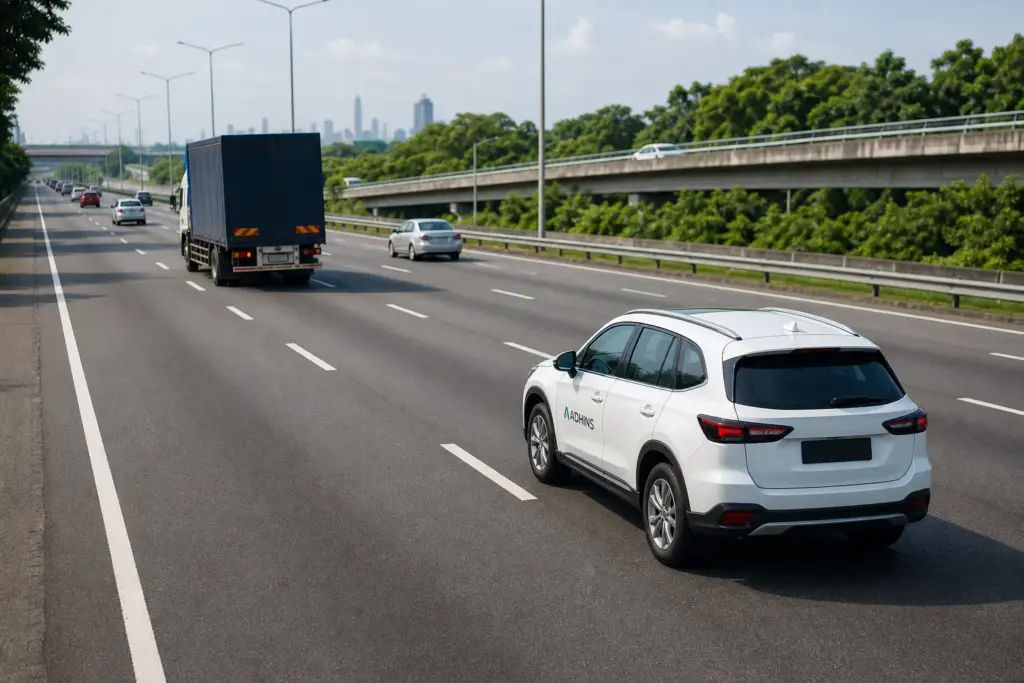
Distraction is more than holding a phone. A rushed call, a complex conversation, an unfamiliar in-car control or checking a delivery message can all take attention away from the driving task. Even a brief loss of focus can mean missing a developing hazard.
Make distraction management part of the journey routine. Set navigation before moving, secure loose items, silence non-essential notifications and stop safely before dealing with messages or calls. Supervisors can support this by making it clear that a response is never expected while someone is driving.
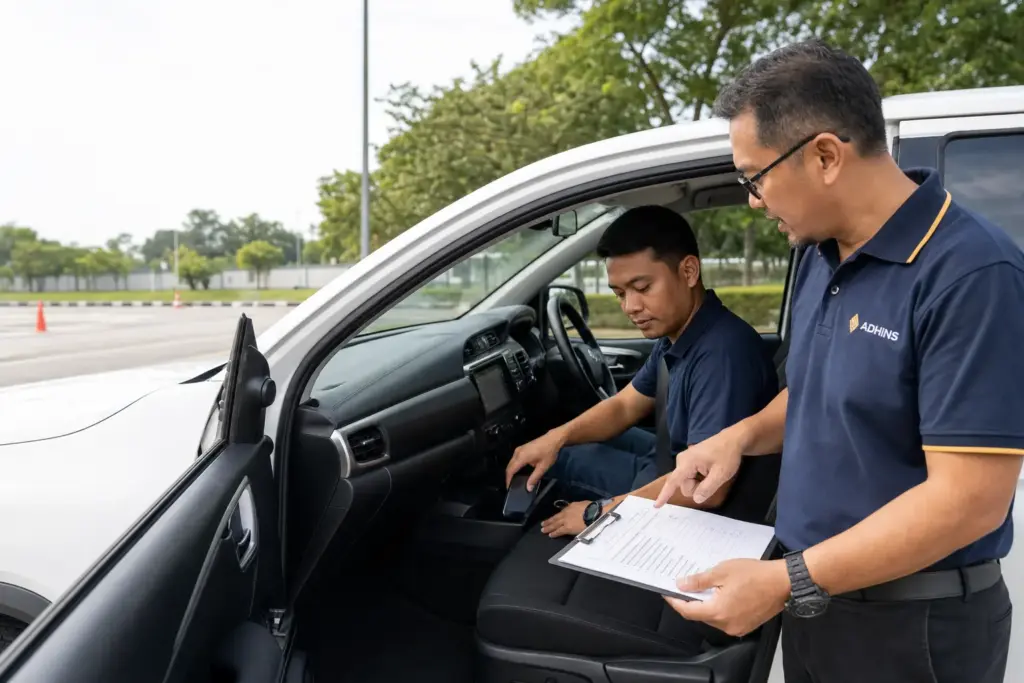
Familiar roads can make drivers feel more comfortable, but comfort can become complacency. The route may be routine while the conditions are not: traffic density, roadworks, weather, pedestrians and other road users can all change from one trip to the next.
Stay actively engaged on every journey. Refresh mirror checks, read the road surface, anticipate junctions and adapt speed to the environment. A defensive driver expects change instead of assuming the route will behave as it did yesterday.
Drivers do not leave personal pressure at home or at the office. Fatigue, frustration, stress and illness can reduce patience and judgement. Similarly, a vehicle with unresolved warning signs, poor tyre condition or an obstructed view can reduce the margin for safe control.
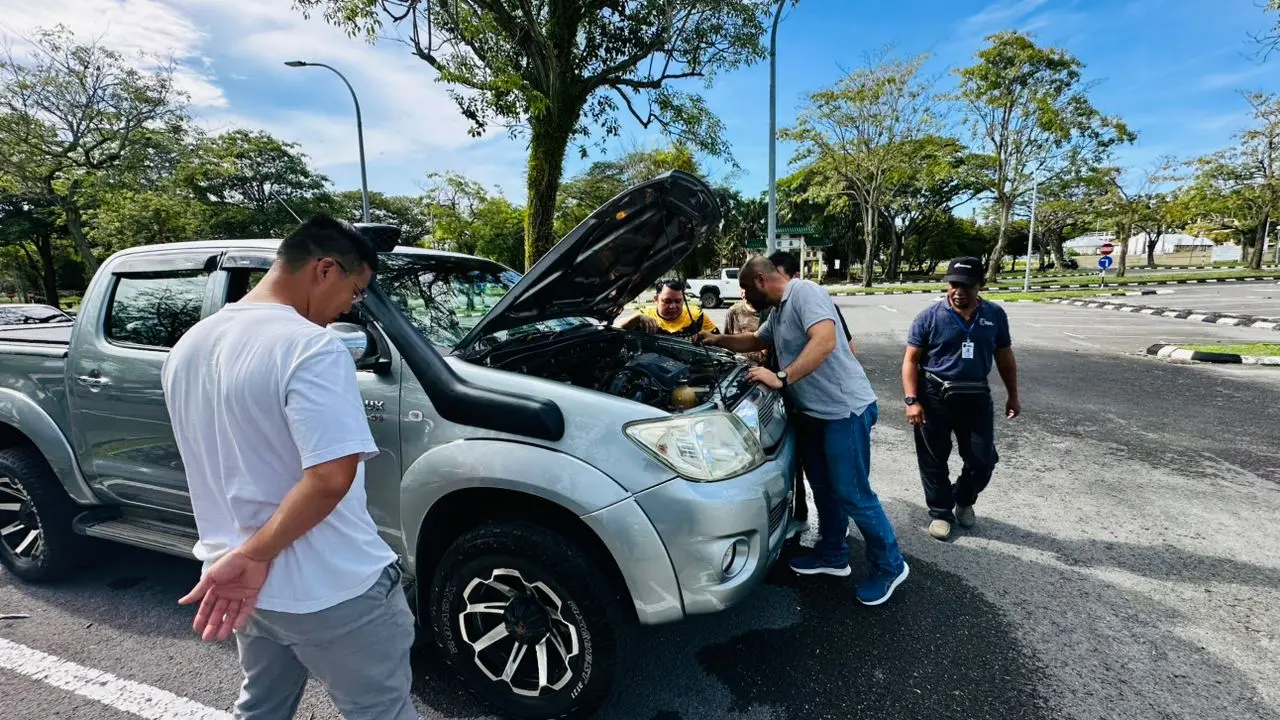
Before departure, take a moment to assess readiness. Is the driver fit to travel? Is the vehicle visibly road-ready? Are mirrors, seating position and visibility set correctly? If the answer is no, pause and address the issue. A short delay is often the safer operational decision.
Individual reminders help, but lasting improvement requires a consistent approach. Organisations can set clear journey expectations, provide time for proper planning, reinforce reporting without blame and use coaching to turn real situations into better habits.
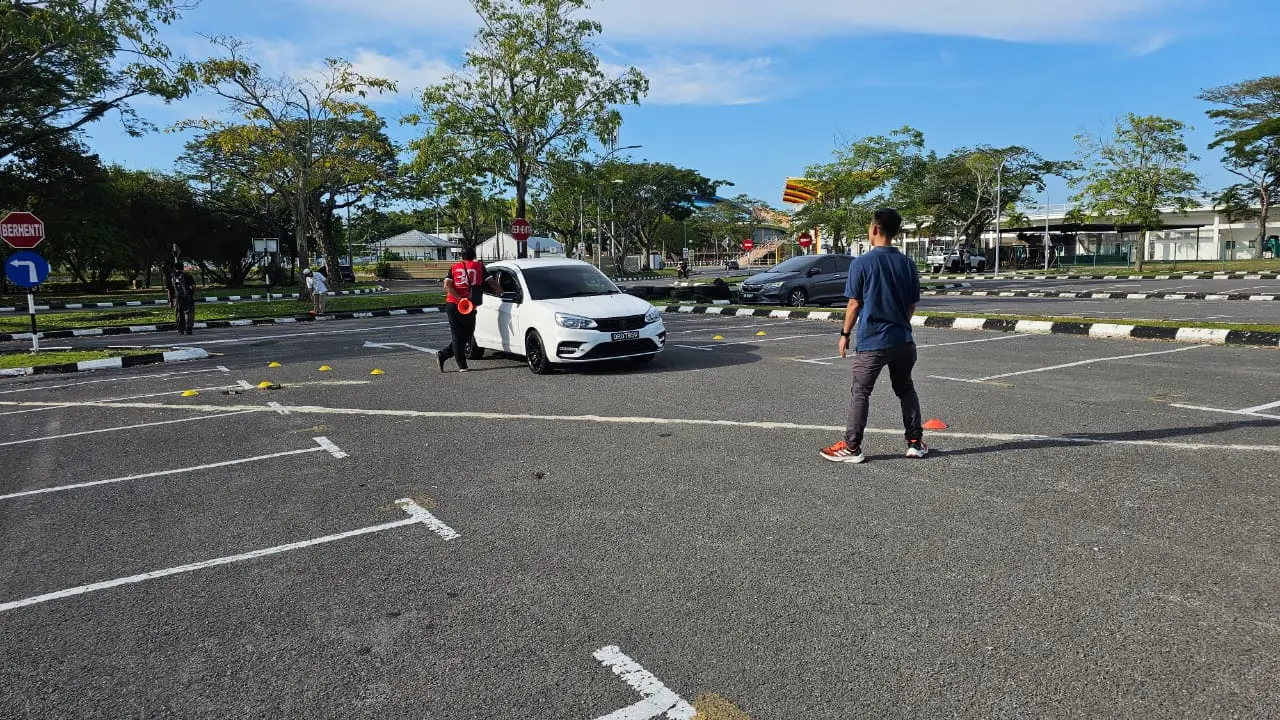
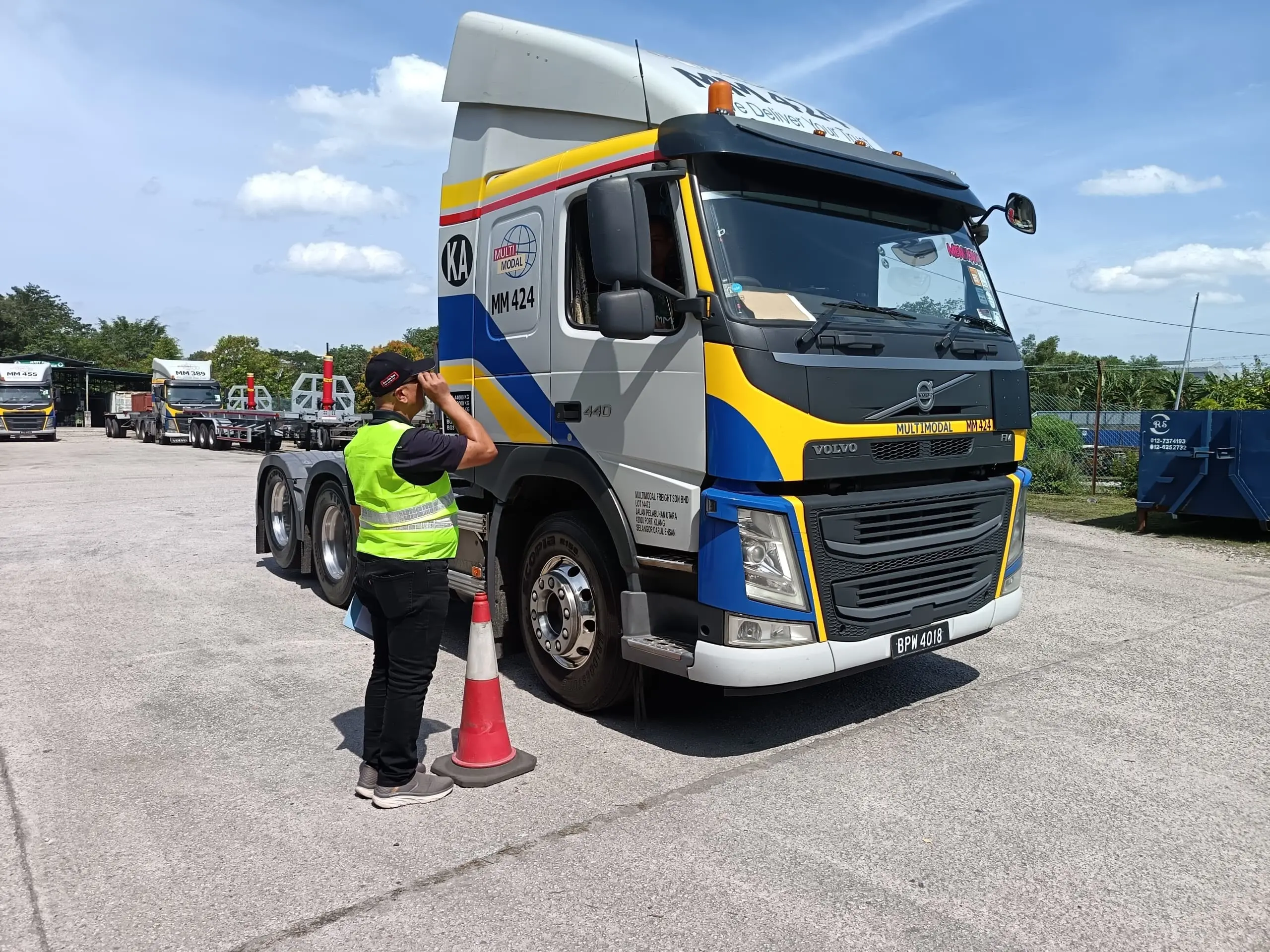
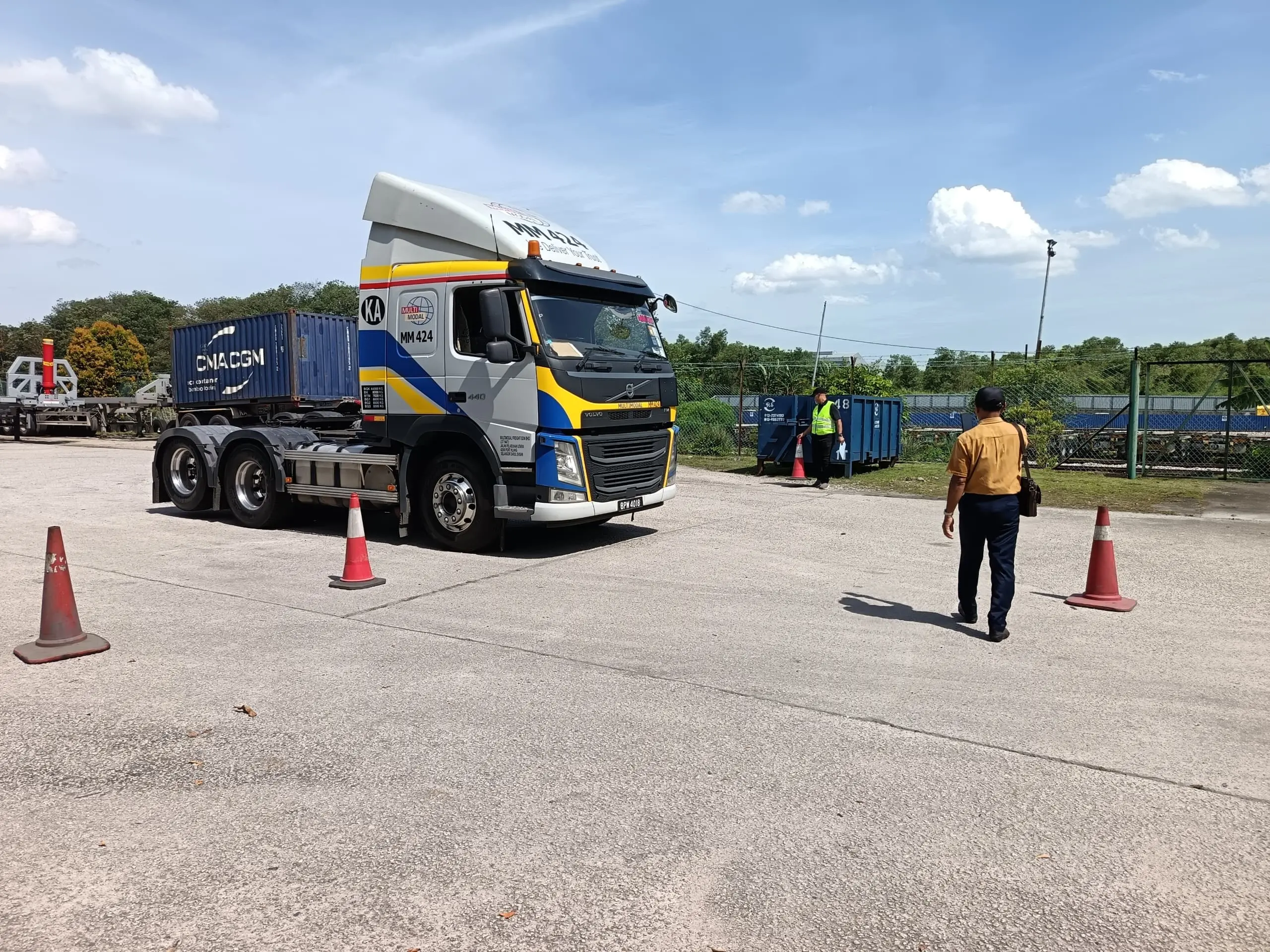
Practical defensive driving training for drivers can help participants connect hazard awareness, attitude and decision-making to the situations they face on the road. It is particularly valuable when supported by fleet procedures, vehicle checks and managers who model safe choices.
They are actions or habits that reduce a driver’s ability to anticipate hazards and respond safely, such as following too closely, becoming distracted or failing to scan ahead.
No. These habits are useful for anyone who drives. For organisations, they are especially relevant when employees or contractors drive as part of their work.
Combine clear expectations, journey planning, vehicle-readiness checks, constructive coaching and relevant driver development. Review patterns to identify where further support is needed.
Defensive driving is a practical thinking process: look ahead, identify risk, focus on the right information and take controlled action. ADHINS helps organisations strengthen driver awareness and real-road decision-making through behaviour-based development.
Talk to ADHINS about defensive driving training for your drivers and fleet operations.










©2026 ADHINS Management Sdn Bhd. All Rights Reserved.