

Fleet drivers operate in changing environments: urban traffic, highways, customer sites, industrial areas and unfamiliar routes. The most useful safety habit is not a single manoeuvre. It is the ability to notice what may develop, create time and space, and respond in a controlled way.
Defensive driving for fleet drivers builds this thinking process. It encourages drivers to look ahead, identify risk, focus on the information that matters and take smooth action before a situation becomes urgent.
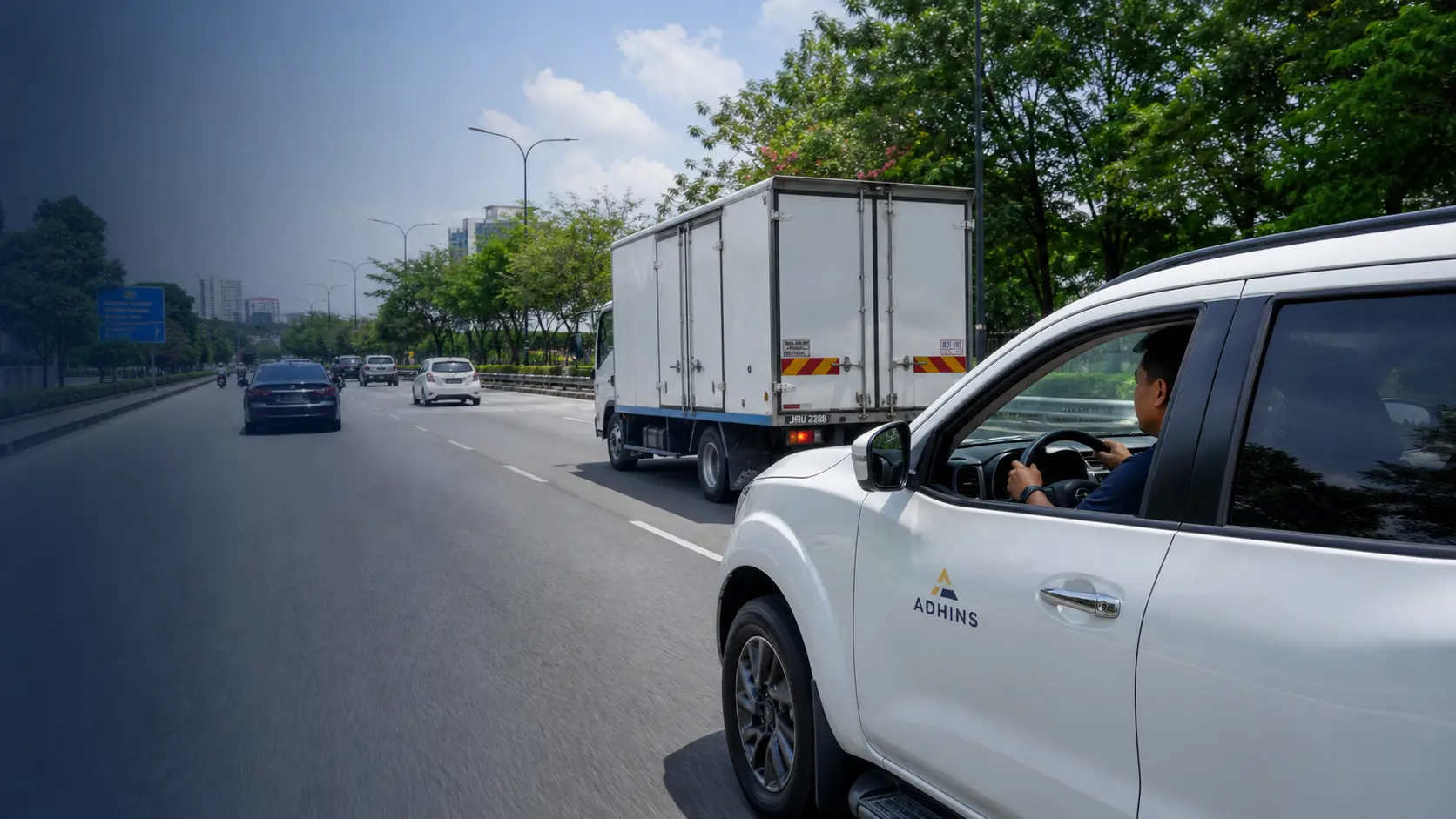
One common road hazard is not seeing a change until it is too close to manage comfortably. A driver who watches only the rear of the vehicle in front may miss a queue, merging traffic, a junction, a motorcycle or a changing road surface several vehicles ahead.
Defensive driving encourages a wider scan. Look well ahead, read the traffic pattern and refresh mirror checks so you understand what is developing in front, beside and behind the vehicle. This creates more time to reduce speed, adjust position or choose a safer option without abrupt input.
Following too closely limits visibility and shortens the time available to decide. It can also turn normal braking into harsh braking, which increases pressure on the driver and the vehicles behind.
Keep a following gap that reflects the speed, visibility, road surface, vehicle type and load. In rain, darkness, heavy traffic or a larger vehicle, the driver should increase the margin rather than depend on a last-second reaction. Space gives a fleet driver more options when traffic changes.
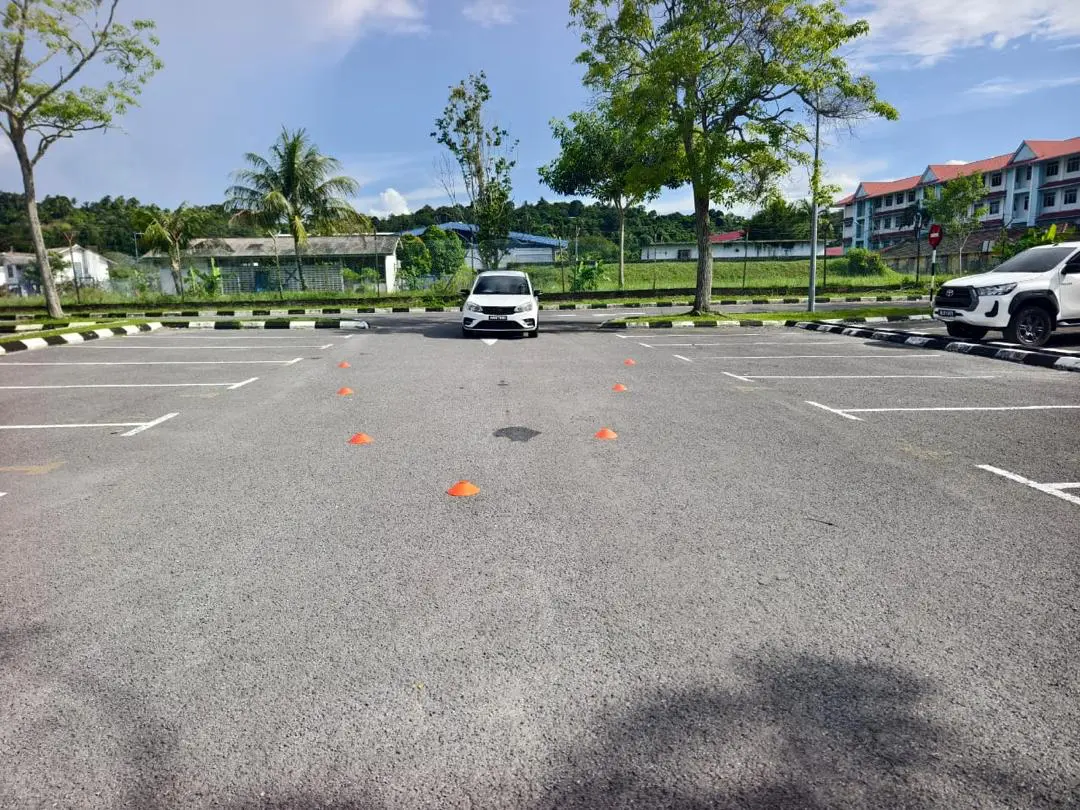
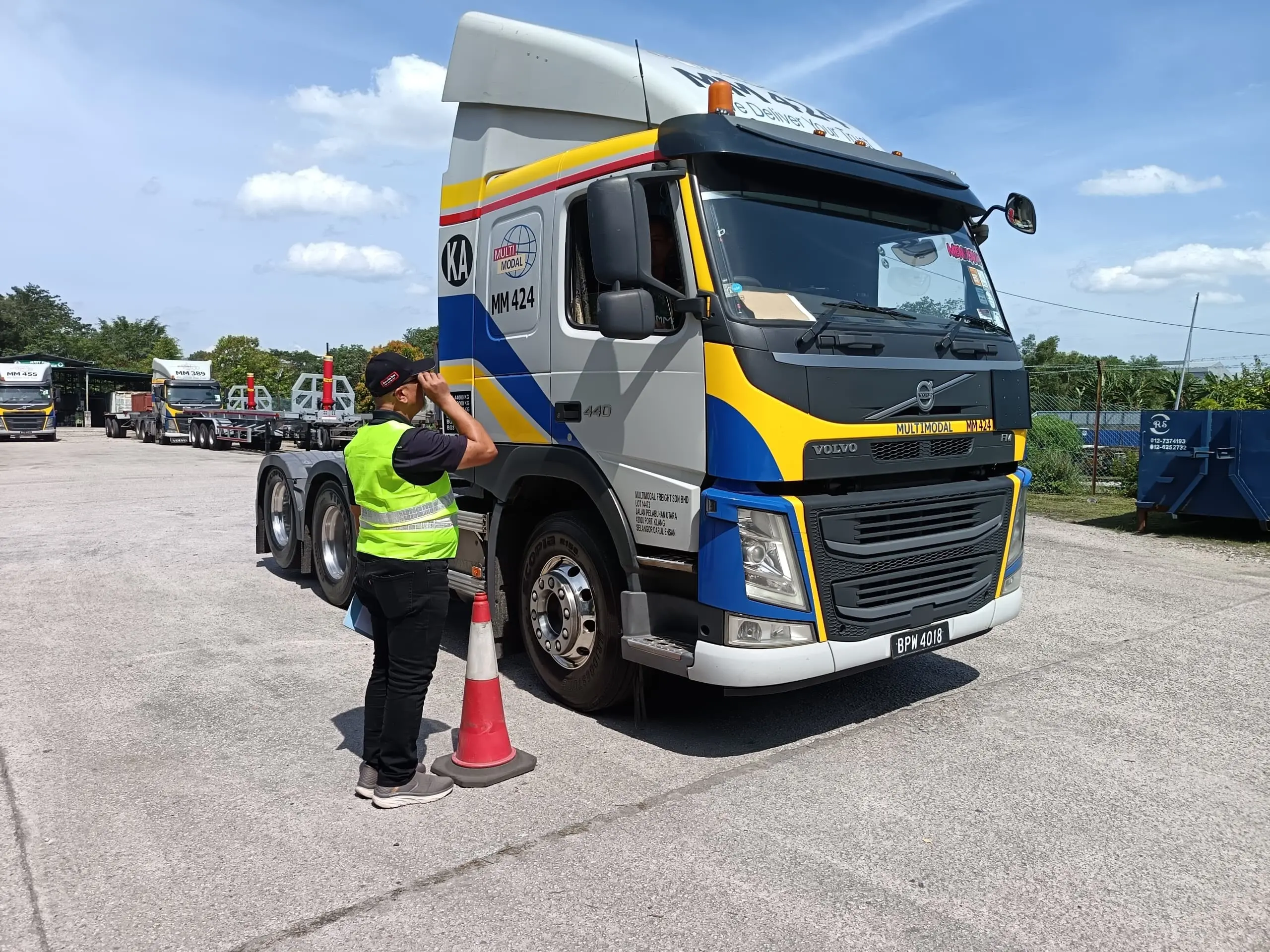
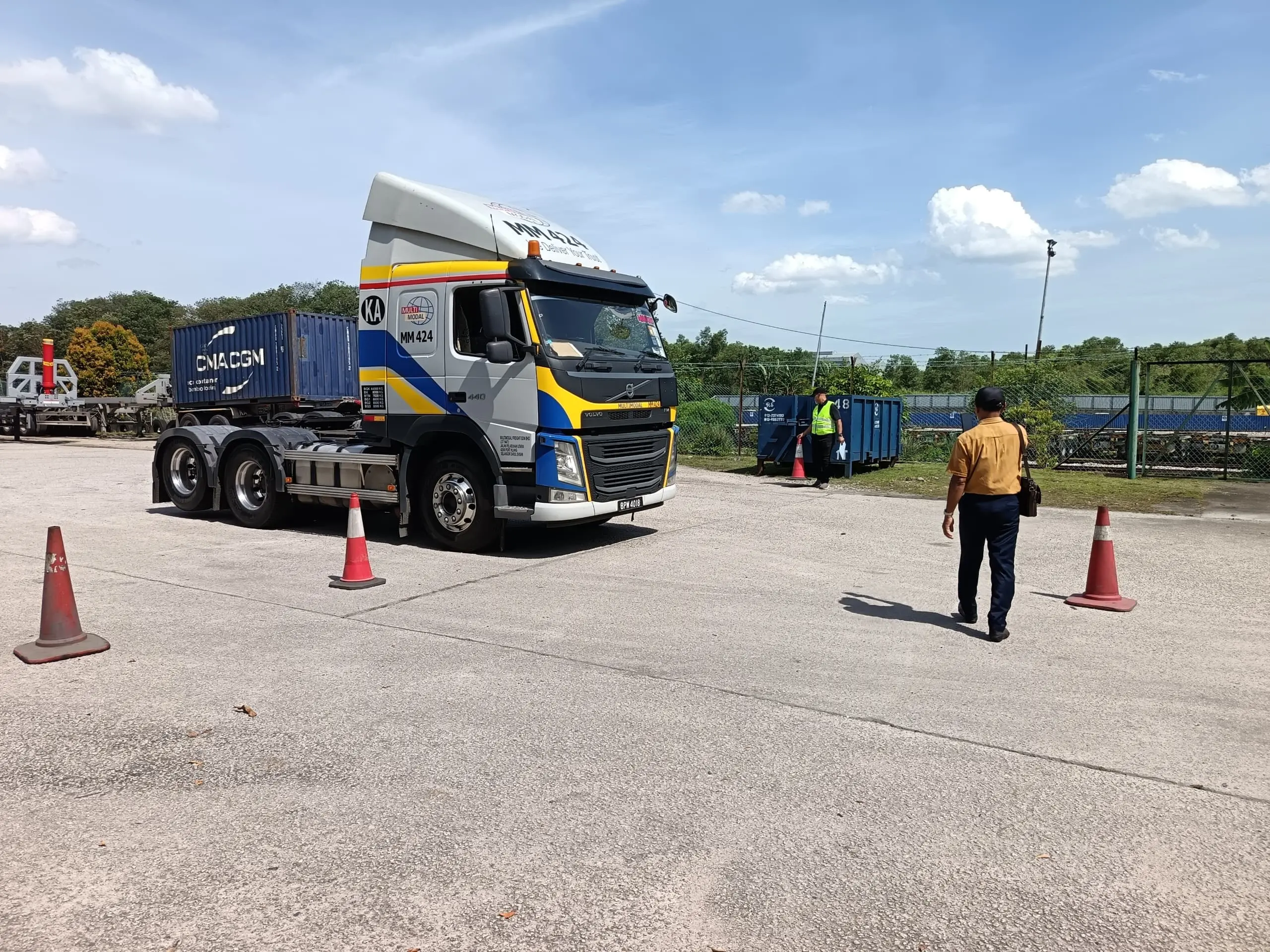
Vehicles, motorcycles, cyclists, pedestrians and site traffic can enter areas that are difficult to see. Mirrors are essential, but they only help when used consistently and paired with controlled observation before changing direction, reversing or moving away.
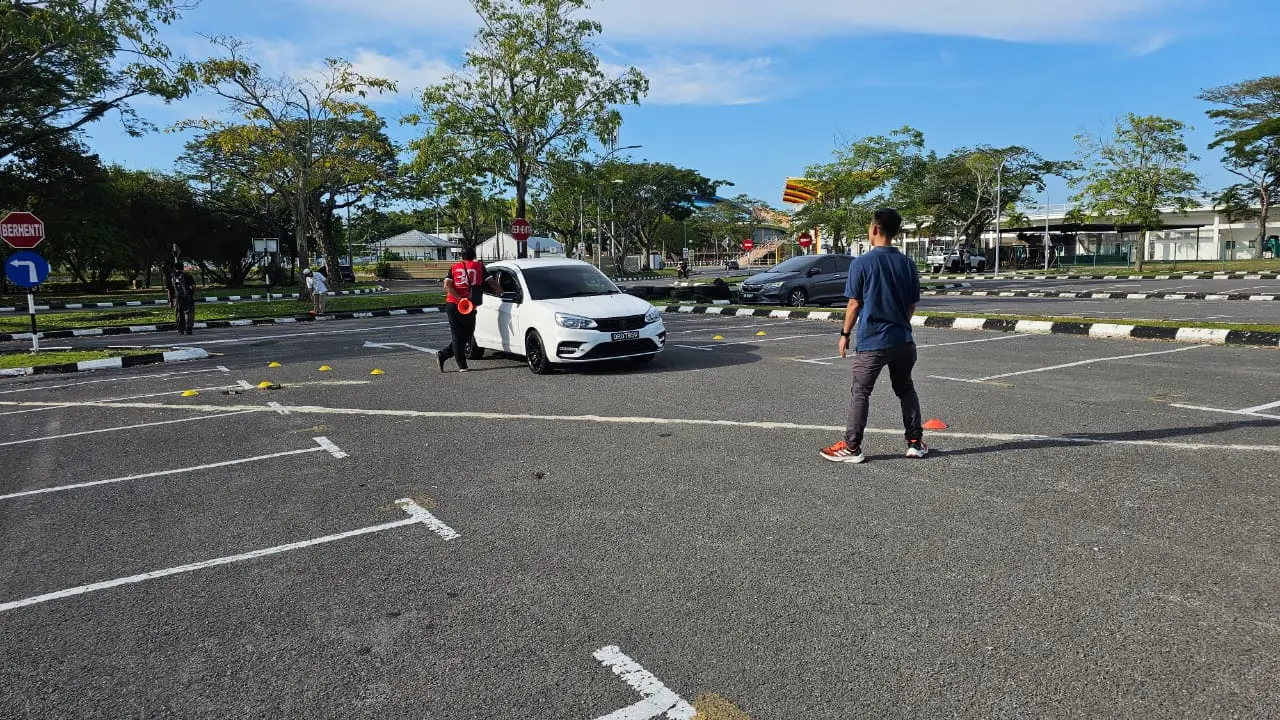
Drivers should set mirrors before departure, maintain a regular scan and avoid assuming that a clear view a moment ago is still clear. Slow manoeuvring, reversing and movement in busy sites deserve the same calm attention as higher-speed road driving.

Distraction is not limited to holding a phone. A delivery message, an in-vehicle control, a conversation or a rushed navigation change can all take attention away from the road. For drivers working to a schedule, the pressure to respond can be part of the risk.
Prepare before the vehicle moves. Set navigation, secure loose items, silence non-essential notifications and agree that calls or messages are handled only when the driver has stopped safely. Supervisors can reinforce this by making clear that a quick response is never more important than safe driving.

Weather and road conditions can change quickly. Rain, reduced visibility, standing water, glare, loose surfaces and roadworks all affect the information a driver can see and the margin available for controlled action.
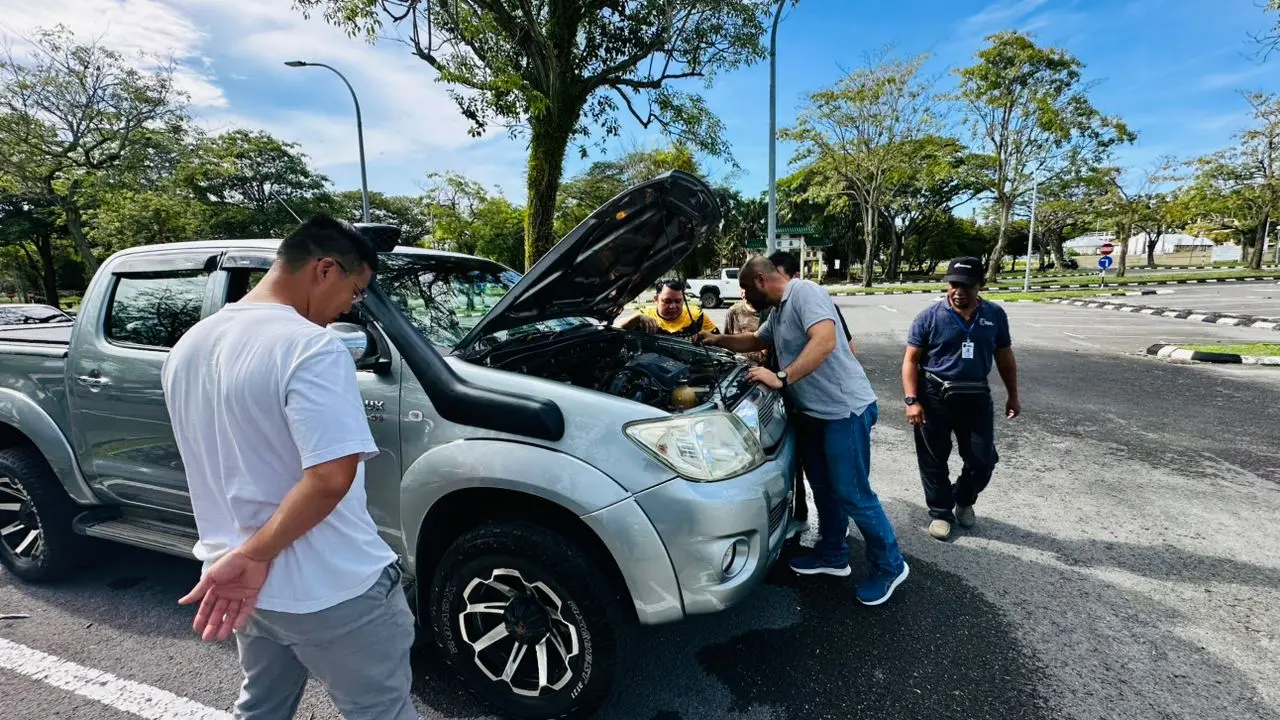
Before departure, confirm basic readiness: visibility, mirrors, tyres, wipers, lights and any equipment needed for the task. During the journey, adapt speed and following space to the conditions rather than treating a familiar route as predictable.
Driver development is stronger when it is supported by fleet procedures, realistic journey planning, vehicle checks and supervisors who model safe choices. Use feedback, near-miss themes and operational observations to identify where drivers need clarity or coaching.
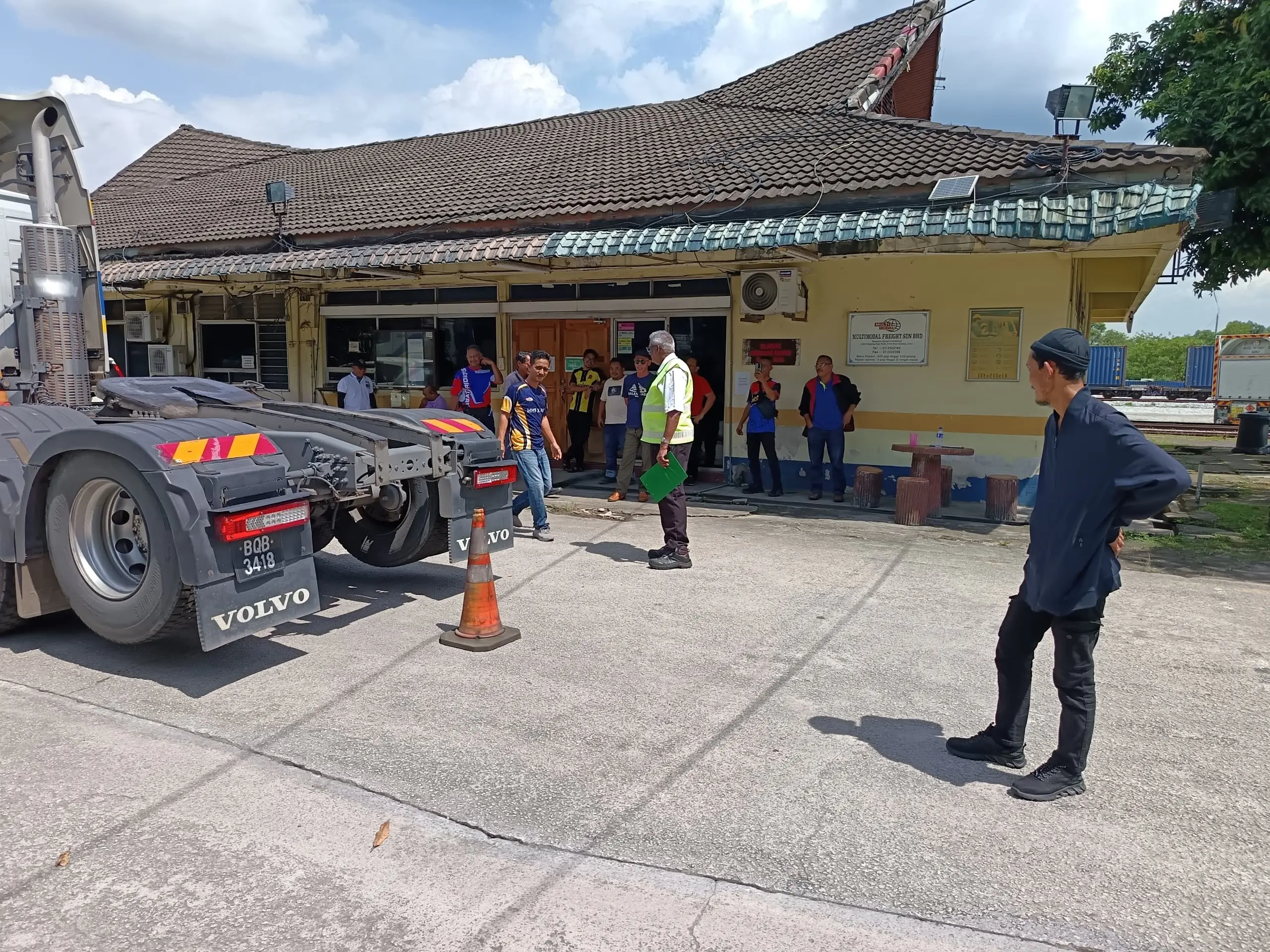
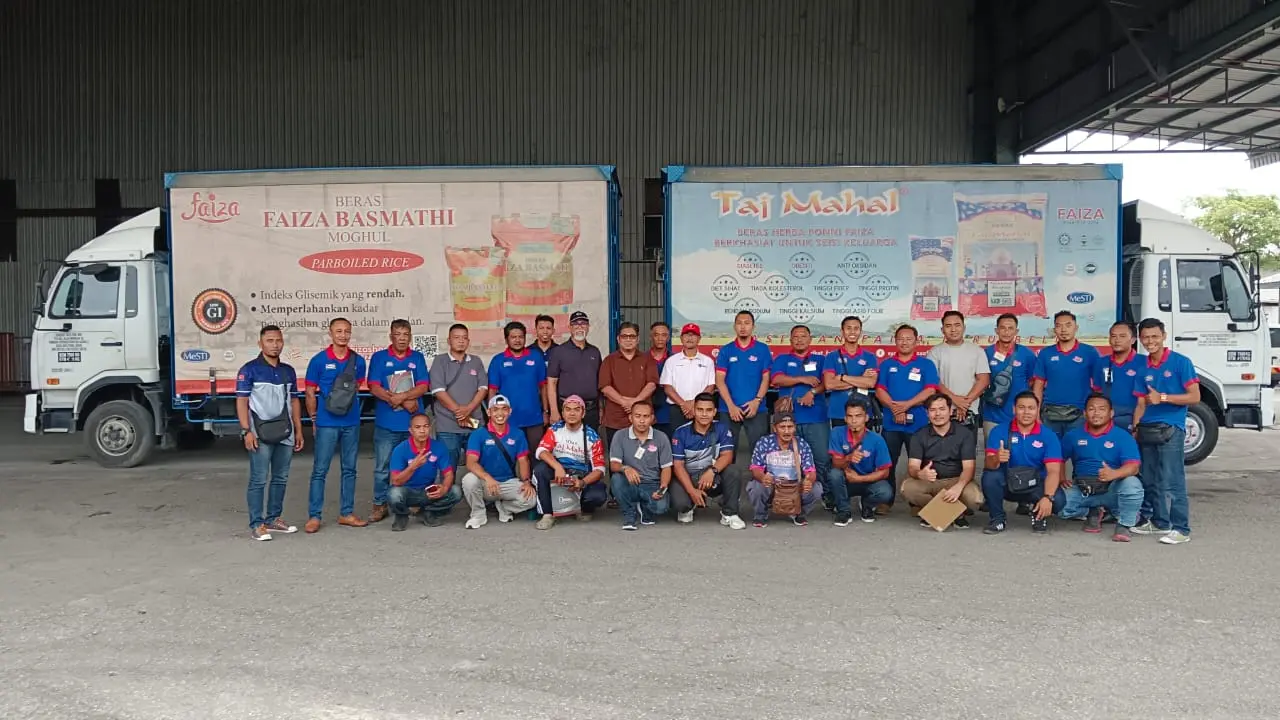
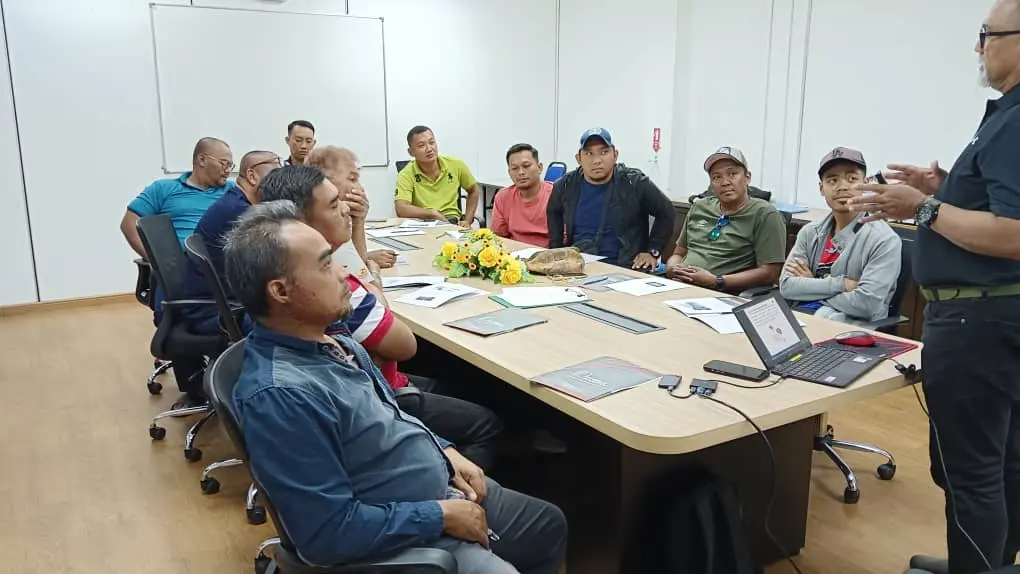
ADHINS provides defensive driving for drivers that combines behaviour-based learning with practical application. The programme can be discussed in relation to vehicle type, driver role, location and client requirements.
Talk to ADHINS about defensive driving development for your fleet drivers and operational context.
They can include changing traffic, blind spots, short following distances, distraction, fatigue, poor visibility, weather, roadworks, pedestrians and site movement. The relevant hazards depend on the vehicle, route and operating environment.
It helps drivers recognise hazards earlier, manage attention and space, make safer judgements and apply smooth, controlled action before a situation develops.
No. It is most effective alongside clear journey planning, vehicle-readiness processes, supervisor support and wider road transport safety controls.







©2026 ADHINS Management Sdn Bhd. All Rights Reserved.