

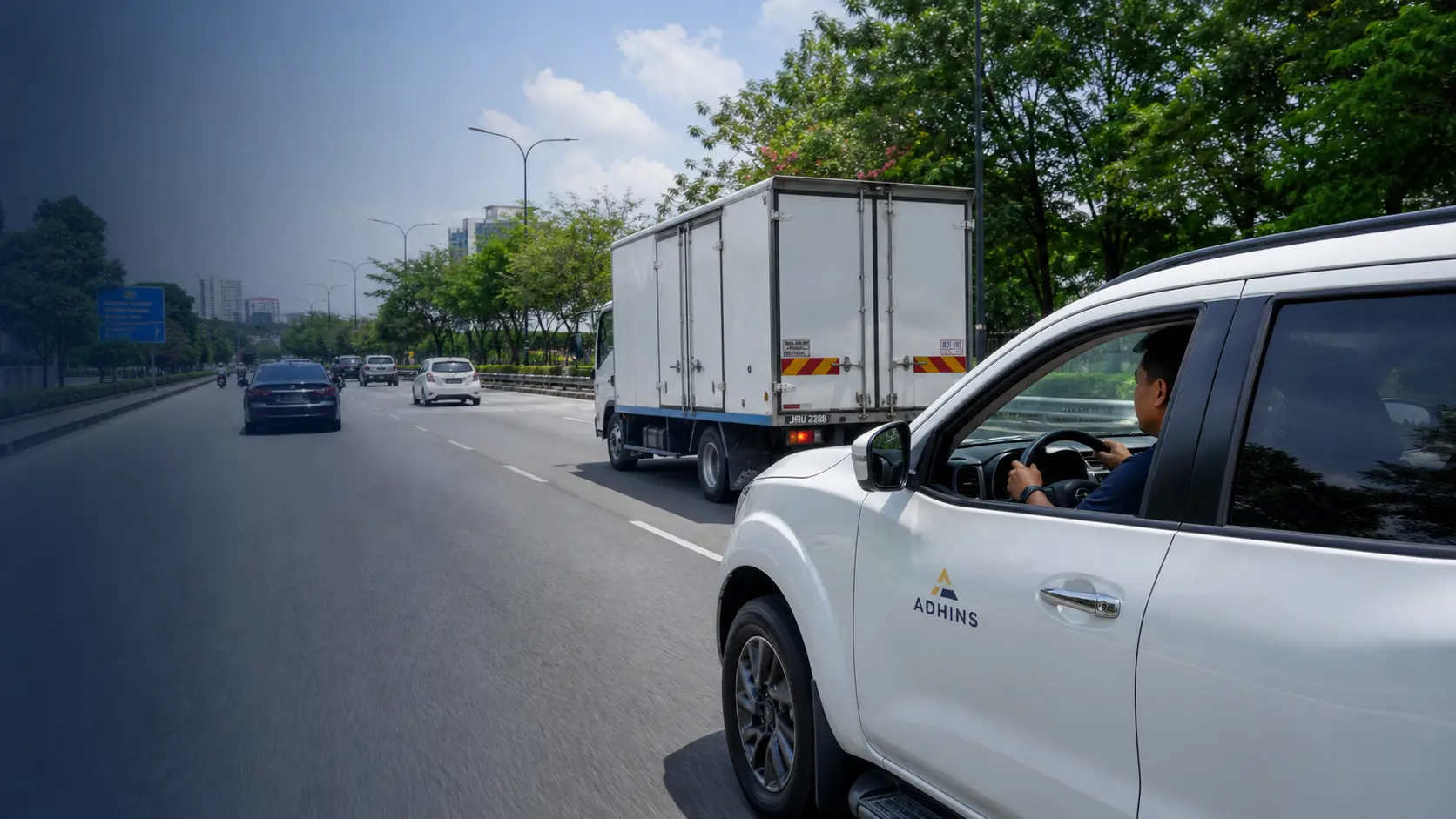
Drivers do not work in a static environment. Routes change, vehicles change, workload changes and everyday hazards continue to test observation, judgement and control. Regular driver training gives organisations a structured way to keep capability relevant, reinforce safe decisions and respond when their operational risk changes.
For fleet managers, the value is not limited to a completed course. A useful programme connects training with vehicle readiness, journey planning, supervisor support, incident learning and the records needed to show that capability is being managed deliberately.
This article explains how regular training supports safer fleet operations and practical compliance processes. It complements a wider road transport safety approach; it does not replace the specific legal, contractual, insurance or workplace requirements that apply to your organisation.

Safe driving depends on habits that need to remain active under real pressure. Drivers may understand a principle when they first join the company, but the same principle can be harder to apply during heavy traffic, long workdays, unfamiliar customer locations or changing weather.
Regular sessions allow drivers to revisit the behaviours that create time and space: scanning ahead, recognising developing hazards, managing speed, using mirrors, maintaining a suitable following margin and responding smoothly. This does not assume that a refresher alone will prevent incidents. It gives drivers a practical opportunity to review, practise and ask questions in context.
A fixed annual date may be part of an organisation’s programme, but it should not be the only trigger. Review the need for training when the operation changes or when evidence suggests a gap in capability. Examples include new vehicle types, changed routes, increased mileage, new driver groups, recurring driving concerns, incidents, near misses or updated internal procedures.
Start by asking three questions:
This keeps fleet driver training focused. A light-vehicle sales team, a delivery operation and heavy-vehicle drivers may share foundational defensive-driving principles, but the examples, vehicle dynamics and operational pressures should be relevant to each group.
Compliance is not created by a certificate on its own. It depends on the rules and obligations relevant to the organisation, plus evidence that people understand and can apply the controls they are expected to follow. Training can support that process by helping an organisation define competency expectations, communicate procedures and maintain appropriate records.
A practical regular driver training programme can help a fleet team:
The policy owner or relevant adviser should confirm the training frequency, content and documentation needed for the organisation’s actual obligations. Avoid treating a general training interval or generic certificate as proof that every requirement has been met.
The strongest programmes do not stop when the session ends. They give supervisors a clear way to reinforce what was learned and to spot when more support is needed. That can be as simple as a short pre-departure briefing, a coaching conversation after an observed concern, or a review of themes in incidents and near misses.

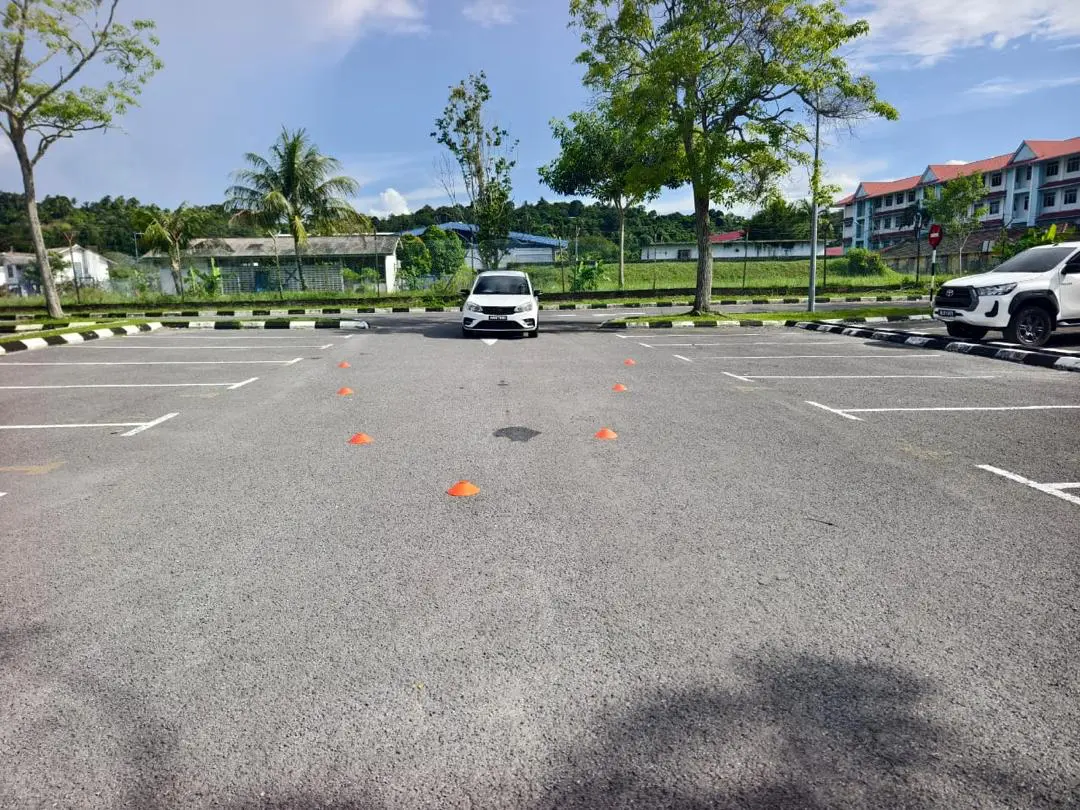
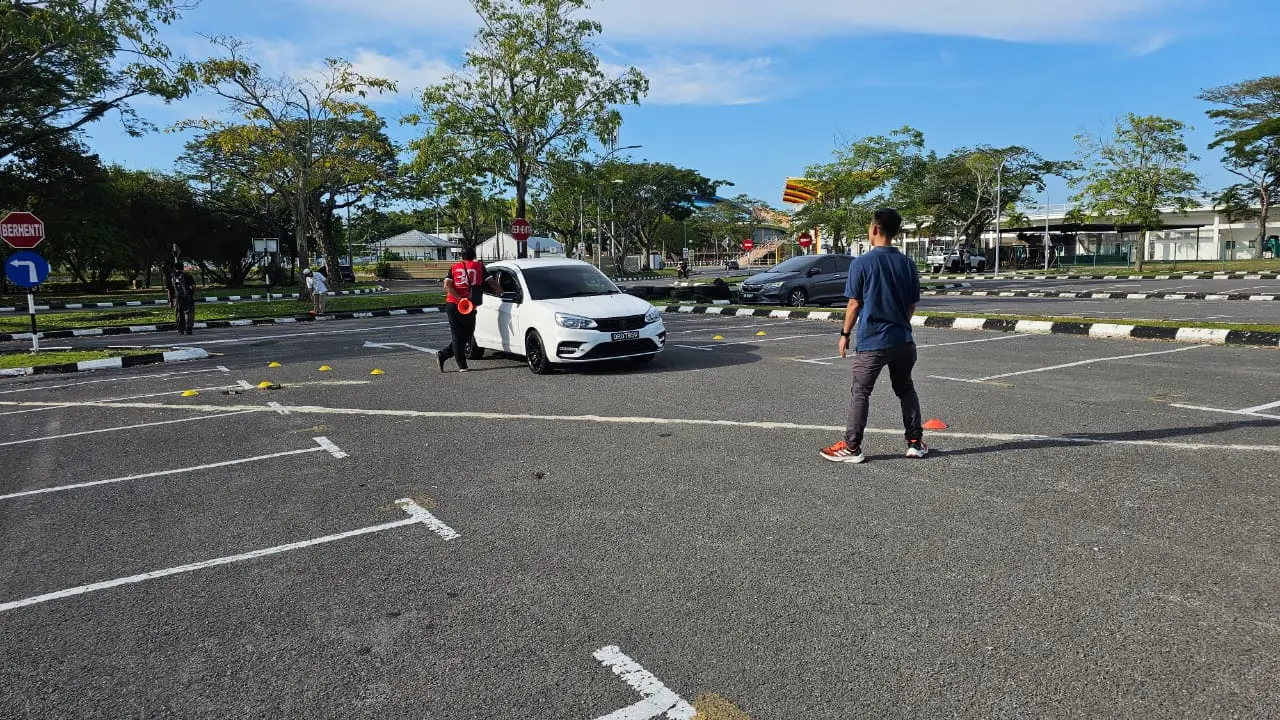
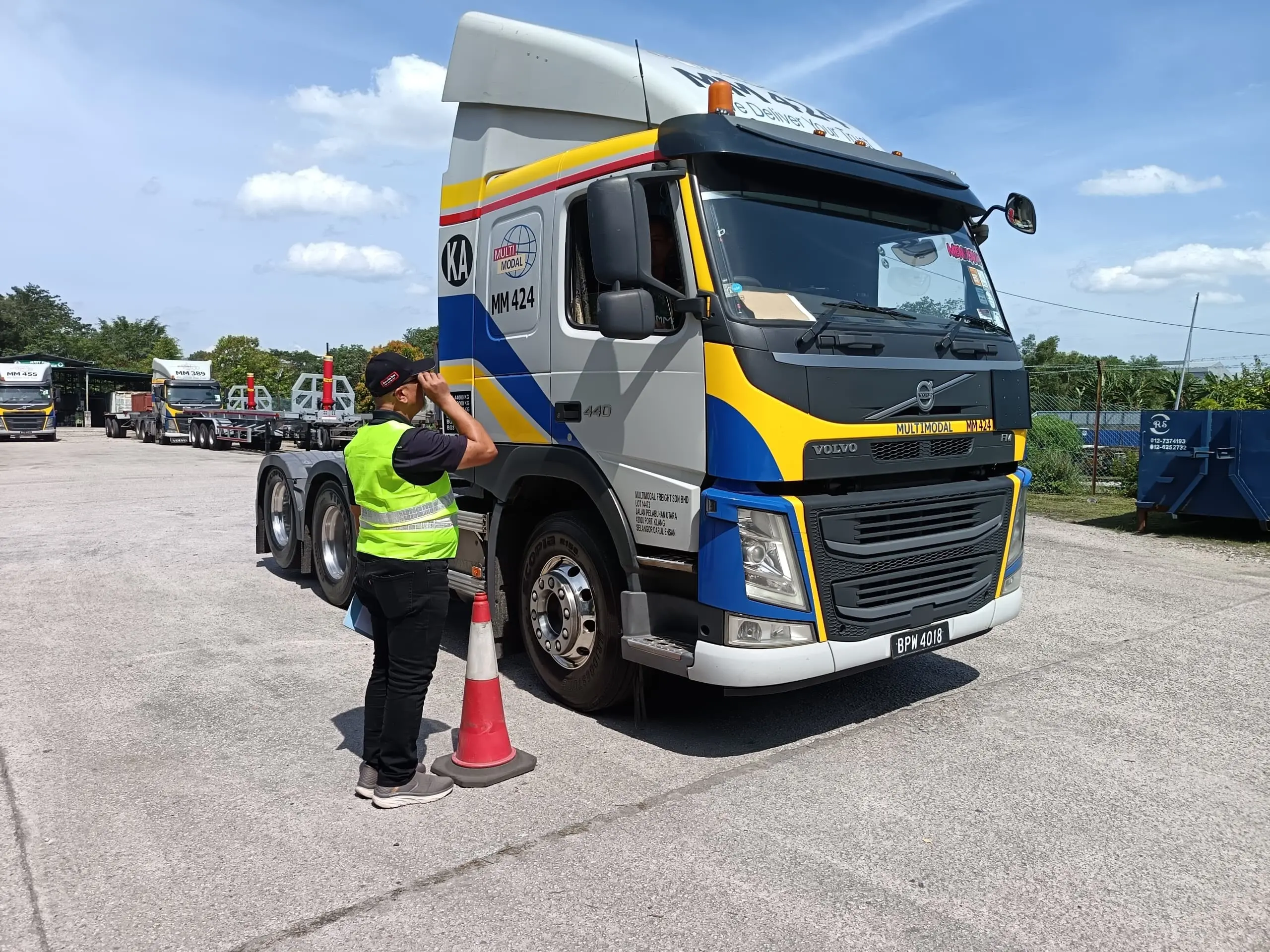
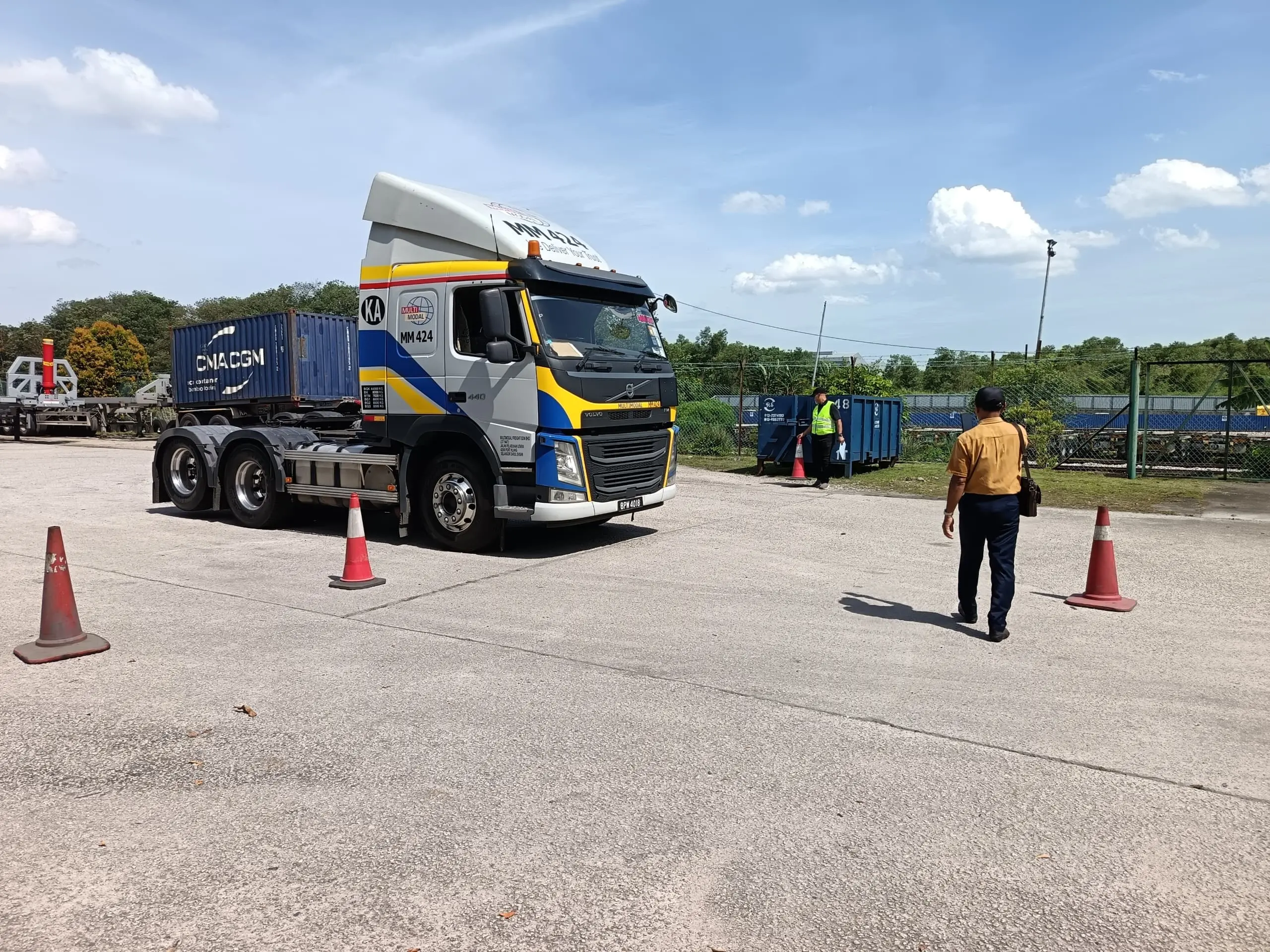
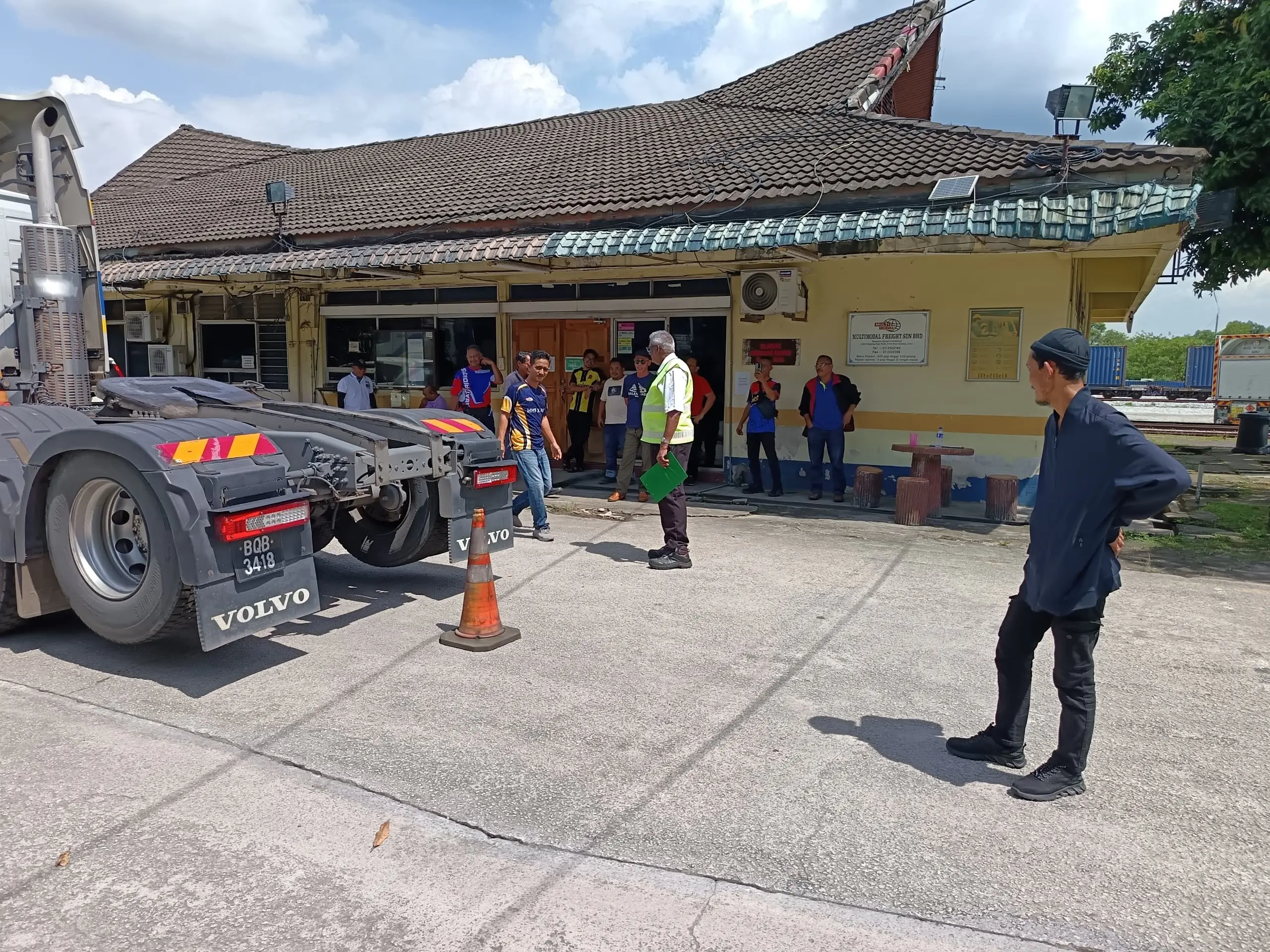
Choose examples that drivers recognise: a difficult customer-site entry, a wet-road journey, a reversing manoeuvre, a vehicle defect discovered before departure, a heavy-traffic route or pressure created by a late schedule. Discuss what a safe decision looks like and what support the driver can expect when they raise a concern.
Supervisors influence whether training is applied. They can avoid unsafe time pressure, respond to reported defects, ask useful questions after a near miss and support a driver who decides to pause or escalate a changing condition. Provide them with the same core expectations, not just a request to “monitor drivers”.
Record who completed training, the capability or topic addressed, the delivery date, any assessment or practical observation used, and follow-up actions where needed. Keep records accurate, accessible to the right people and linked to the training plan. This supports review without turning documentation into a substitute for safe operations.
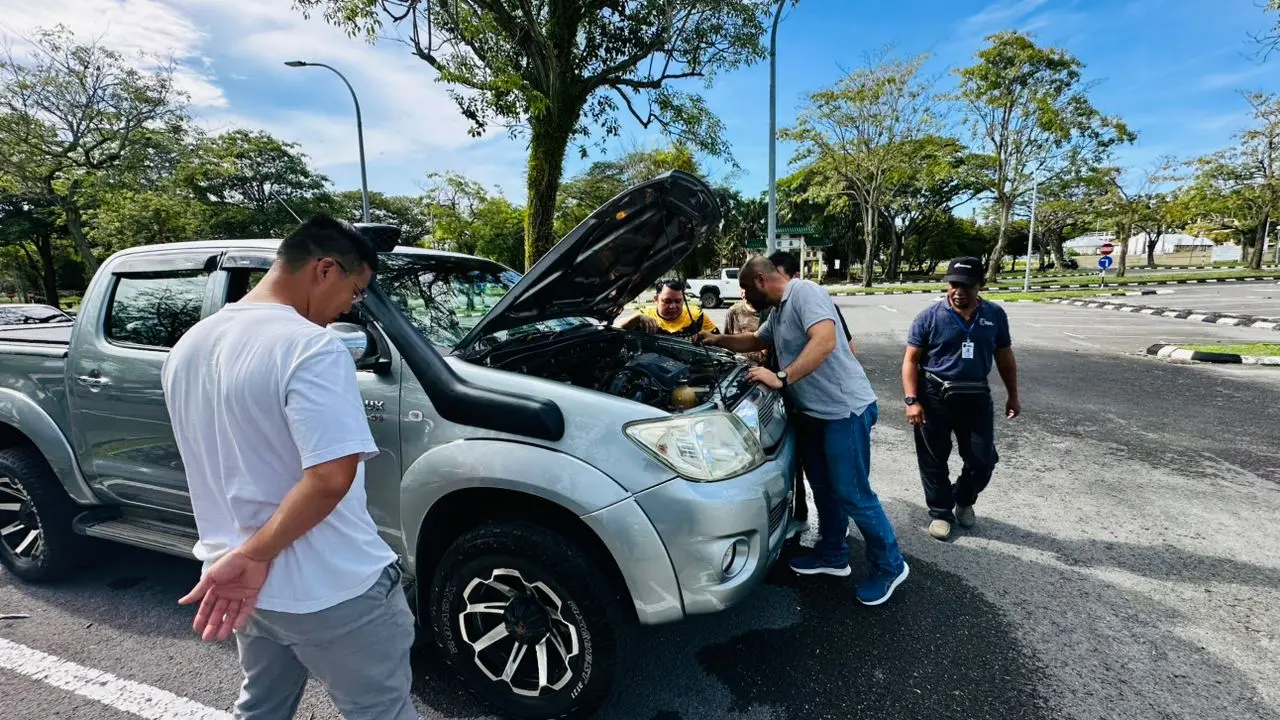
Training has more impact when drivers can apply it before every journey. For example, a session on vehicle condition should connect to the organisation’s actual inspection and defect-reporting process. Drivers should know what to check, how to report an issue, who decides whether a vehicle stays in service and what happens if a concern cannot be resolved before departure.

The same principle applies to journey planning, distraction, fatigue, loading and reporting. Bring procedures into the training, then make sure supervisors and operations teams can support the driver’s decision to use them.
ADHINS provides road transport training for organisations that need practical programmes aligned to vehicle type, workforce profile and operating risk. Confirm the selected programme, delivery format and applicable HRDC or other requirements directly with ADHINS before making any eligibility claim.
Regular driver development works best when it is treated as an operational control, not an event. It helps drivers keep critical skills current, gives managers a basis for useful follow-up and supports the wider process of managing training and compliance responsibilities.
There is no single interval that is suitable for every operation. Set a planned review cycle and add training when risk, vehicles, routes, procedures, driver roles or operational evidence show that skills need to be refreshed or developed. Confirm any mandatory requirements that apply to your organisation separately.
Not by itself. A certificate may record participation in a course, but compliance depends on the requirements that apply, the relevance of the training, the supporting procedures and whether the organisation can show its controls are implemented and reviewed.
Keep the driver’s name, programme or topic, delivery date, provider or internal facilitator, method used, relevant assessment or observation, and any follow-up action. Retain only the information needed for your operational and record-keeping requirements.
Yes. Training should match the vehicle type, driver role, work environment and risk. Discuss the intended outcomes and delivery conditions with the provider so the programme is practical for the people attending.








©2026 ADHINS Management Sdn Bhd. All Rights Reserved.