
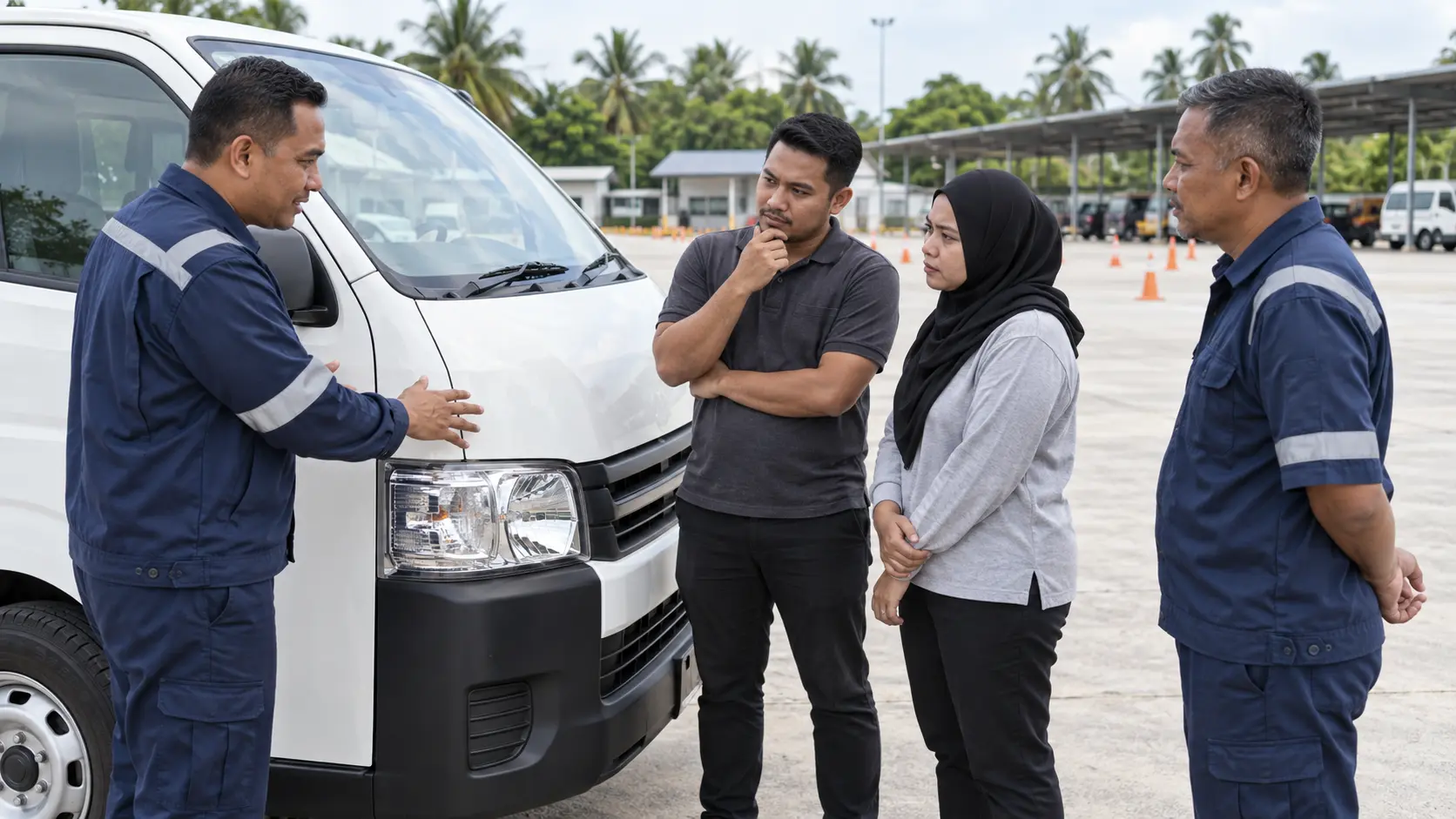
Drivers rarely face risk as a single sudden event. More often, small clues appear first: traffic begins to compress, a vehicle drifts within its lane, rain reduces visibility, a motorcycle approaches a gap or a junction becomes busier than expected. The ability to identify road hazards early gives a driver more time to decide, create space and respond without abrupt control inputs.
For fleet drivers, this habit is especially important. Work journeys can involve unfamiliar routes, changing schedules, customer sites, heavy traffic and competing demands for attention. Early observation does not remove risk, but it helps drivers manage it with more control.
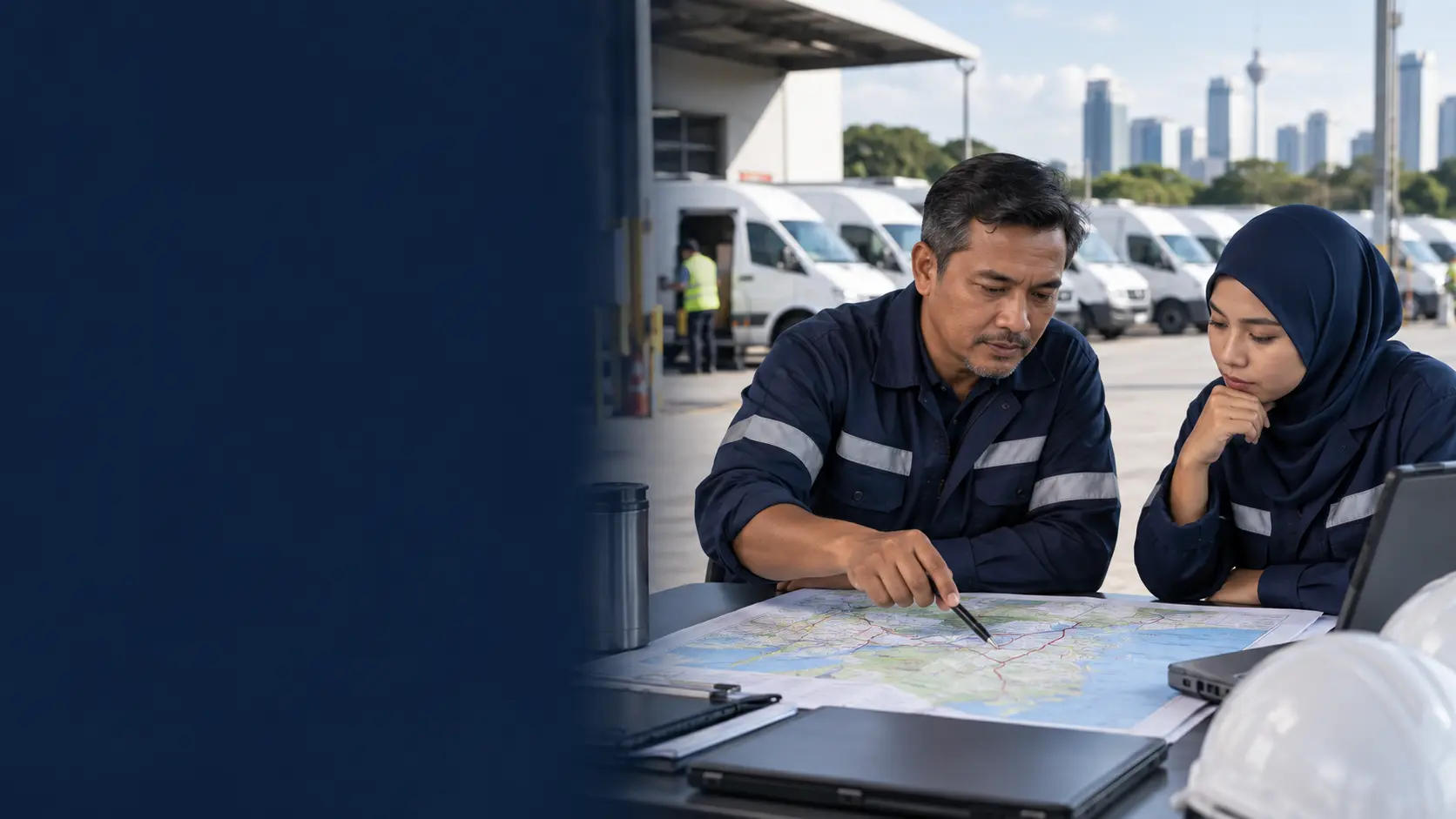
This guide focuses on a practical scan–predict–respond routine for real work journeys. It supports wider road transport safety controls, journey planning and driver development.
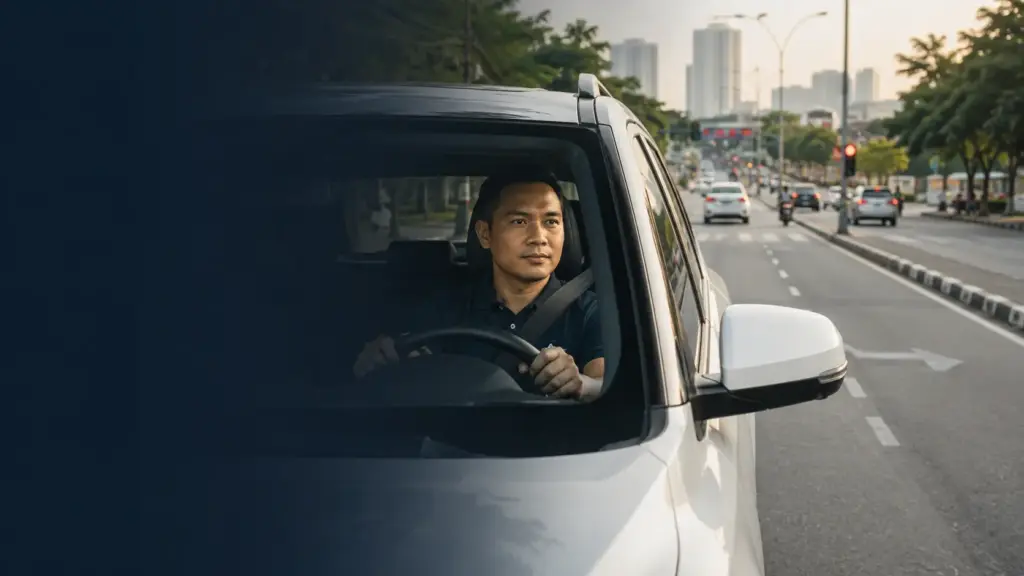
Early recognition gives a driver options. With enough time, a driver can ease off the accelerator, increase following space, reduce speed before a bend, choose a safer position or prepare for another road user’s movement. Without that time, the same situation can demand sudden braking, abrupt steering or a rushed decision.
The goal is not to predict every action perfectly. It is to notice the conditions that make an unexpected action more likely and to keep enough time and space to respond safely.
A simple routine helps drivers turn observation into a decision. It can be used on highways, urban roads, customer sites and industrial areas.
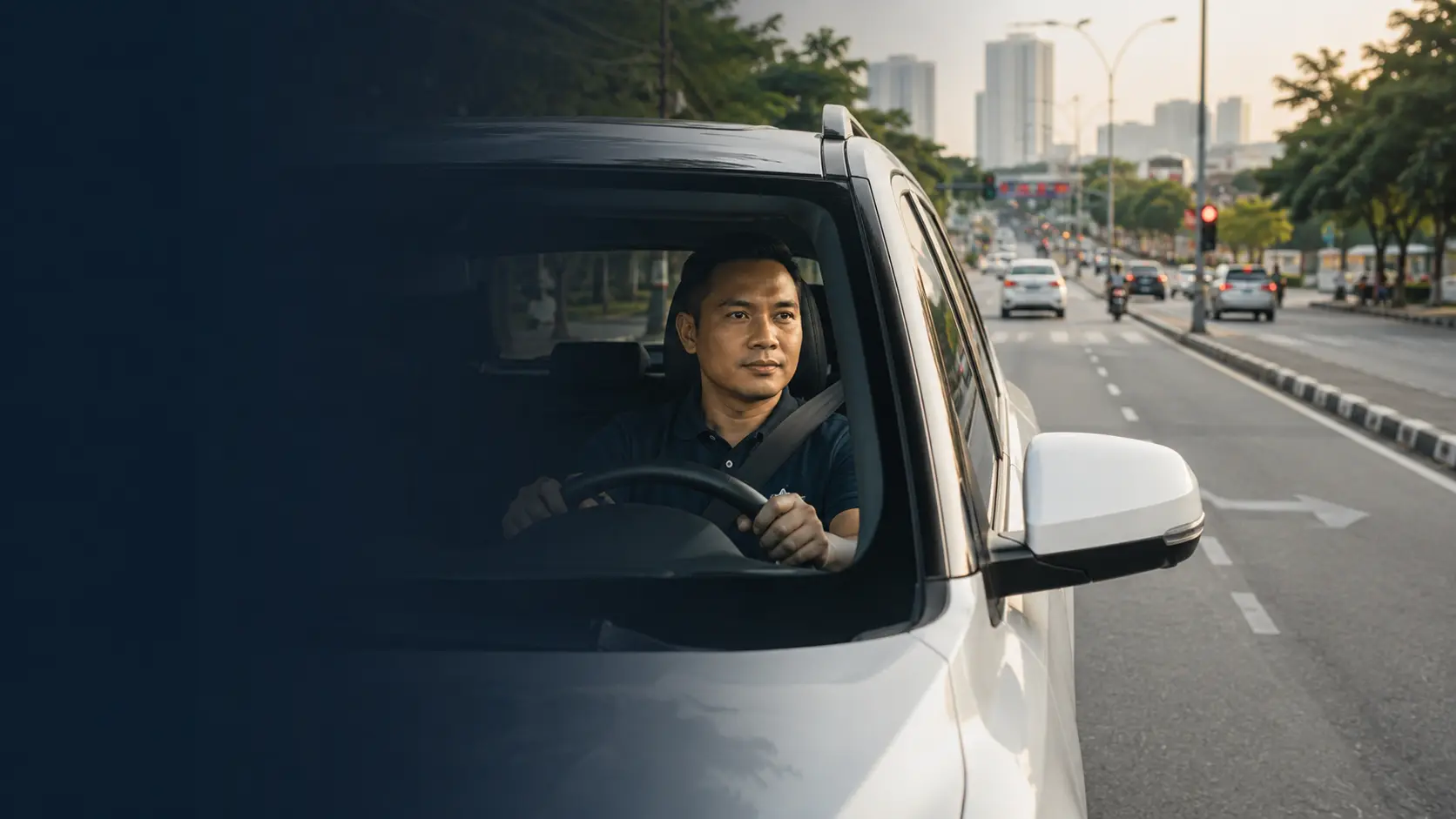
Do not look only at the rear of the vehicle in front. Scan far enough ahead to read the traffic pattern, junctions, brake lights, lane changes, road works, weather and roadside activity. Refresh mirror checks so you understand what is beside and behind the vehicle before you need to change speed or position.
Look for changes rather than waiting for a clear emergency. A queue forming in the distance, a bus moving toward a stop, a child near a kerb, a wet patch on the road or a truck limiting your view are all signals to increase attention and margin.
Ask, “What could happen next?” A vehicle near a junction may turn or stop. A motorcycle may move through a gap. A pedestrian near a crossing may step out. A large vehicle may hide slow-moving traffic ahead. Prediction is not about assuming the worst; it is about preparing for plausible movement before it requires a late reaction.
When the risk picture changes, make a calm adjustment early. Ease off, create a larger following buffer, reduce speed progressively, adjust position where safe or pause the journey if conditions cannot be managed. Smooth action provides clearer cues to other road users and helps maintain control.
To identify road hazards early, drivers need to read more than moving vehicles. Road layout, visibility and environment all provide information.
Brake lights several vehicles ahead, uneven traffic speed and vehicles repeatedly changing lanes can signal a developing queue or disruption. Increase observation distance and let the gap ahead grow before the flow reaches your vehicle.
At junctions, entrances, petrol stations, bus stops and customer sites, people and vehicles may enter or leave the road with limited warning. Reduce speed before the conflict area, scan both sides and avoid arriving so close to another vehicle that you cannot see around it.
Trucks, buses, vans and parked vehicles can hide important information. Leave enough space to see what you can, avoid following closely and expect conditions beyond the obstruction to be different from what is immediately visible.
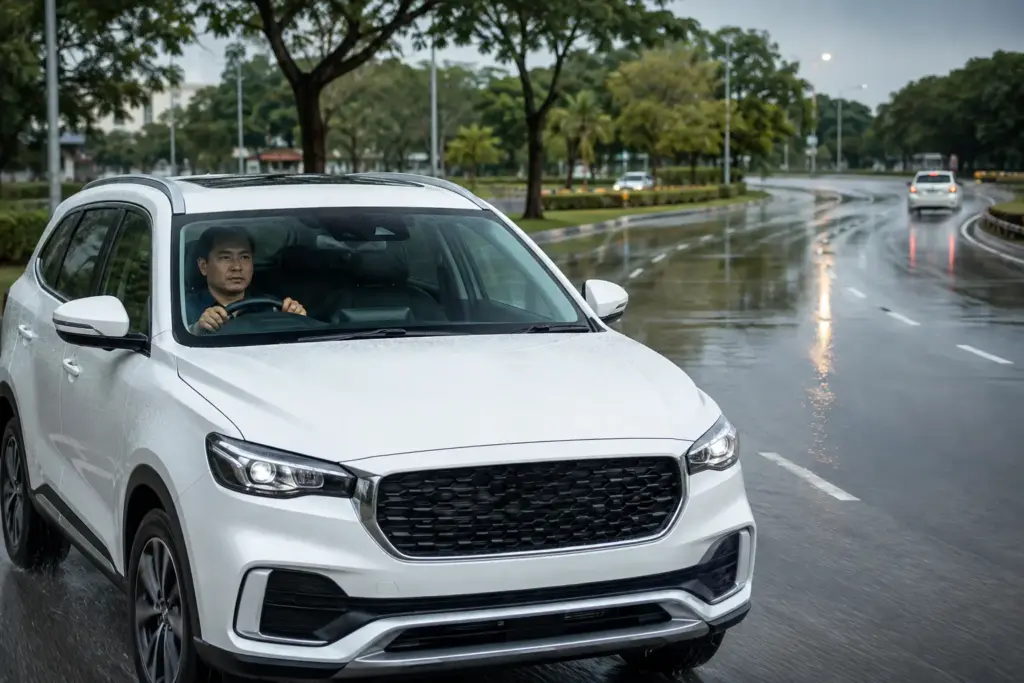
Rain, spray, glare, mist, dawn, dusk and changing road surfaces can reduce visibility or grip. Adapt early by slowing smoothly and increasing the safety margin. If the driver cannot see far enough to make a calm response, the speed and available space are not suitable for the conditions.
Early hazard recognition is harder when attention is split or time is tight. Fleet operations can support drivers by treating these pressures as management issues as well as individual driving behaviours.
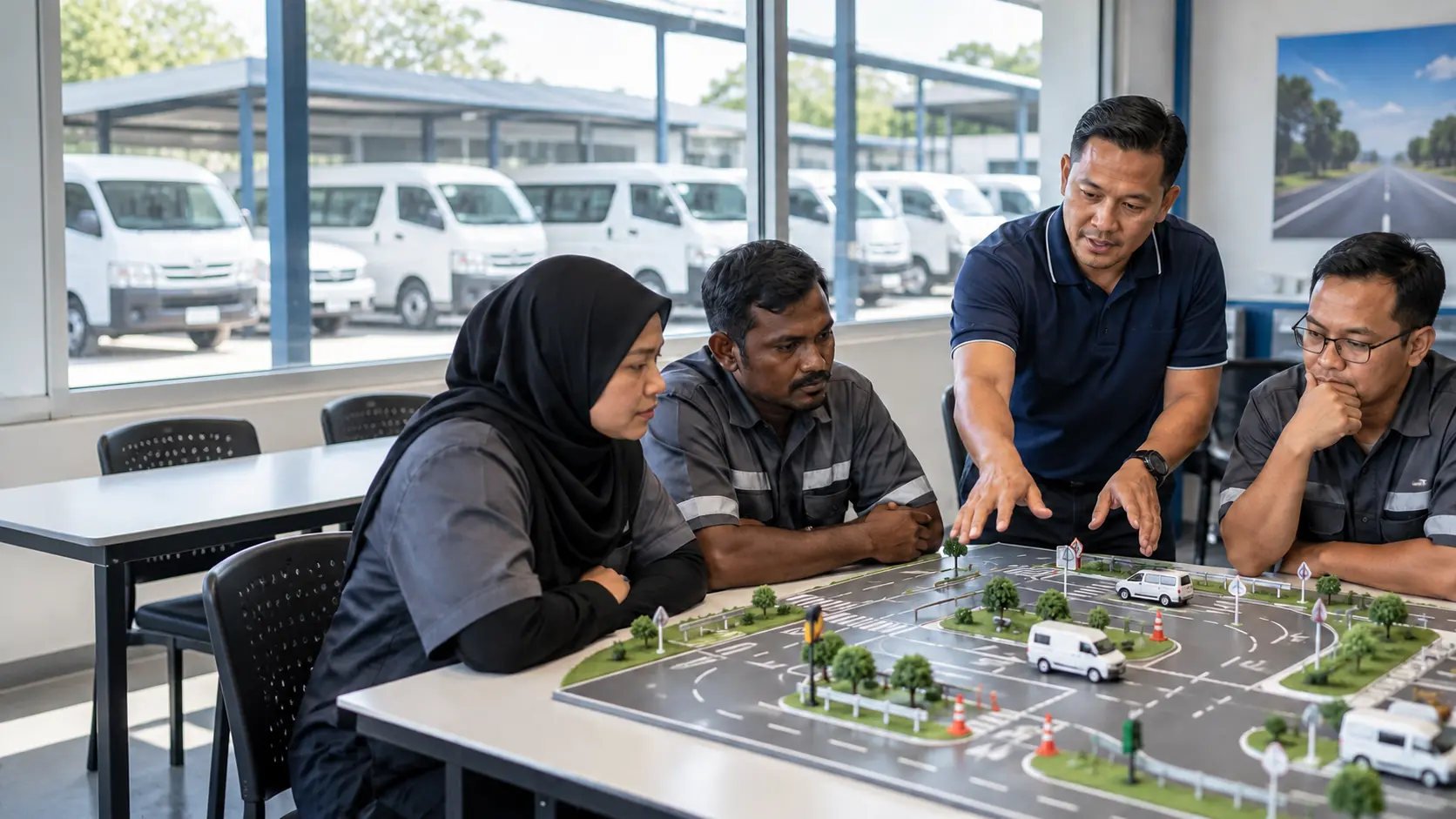
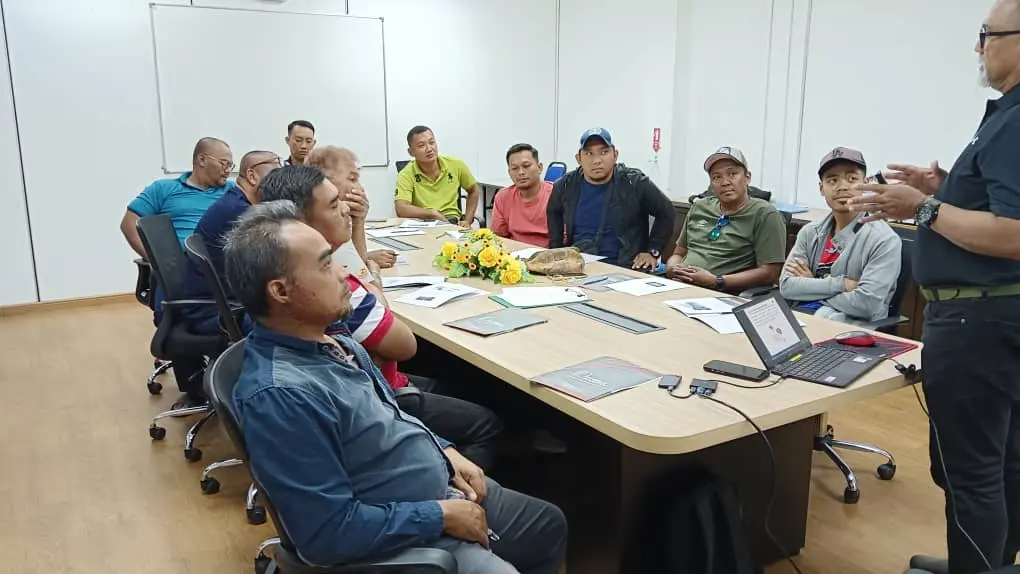
Briefings and coaching can help drivers use the same routine before and during a journey. Instead of asking only whether a driver knows the rule, ask practical questions: What would you notice first? What information would you need? How would you create more time? Who would you contact if the journey could not continue safely?
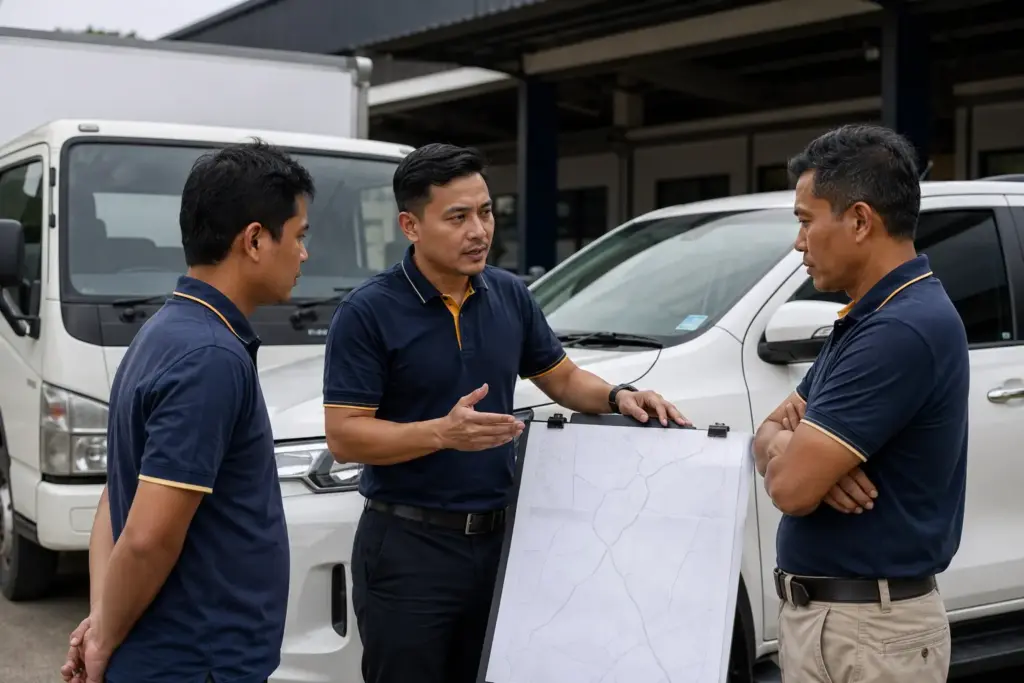
Supervisors can reinforce this through realistic schedules, response to driver concerns and constructive follow-up after incidents or near misses. The aim is to build a shared expectation that drivers make safe, early decisions rather than wait for a critical moment.
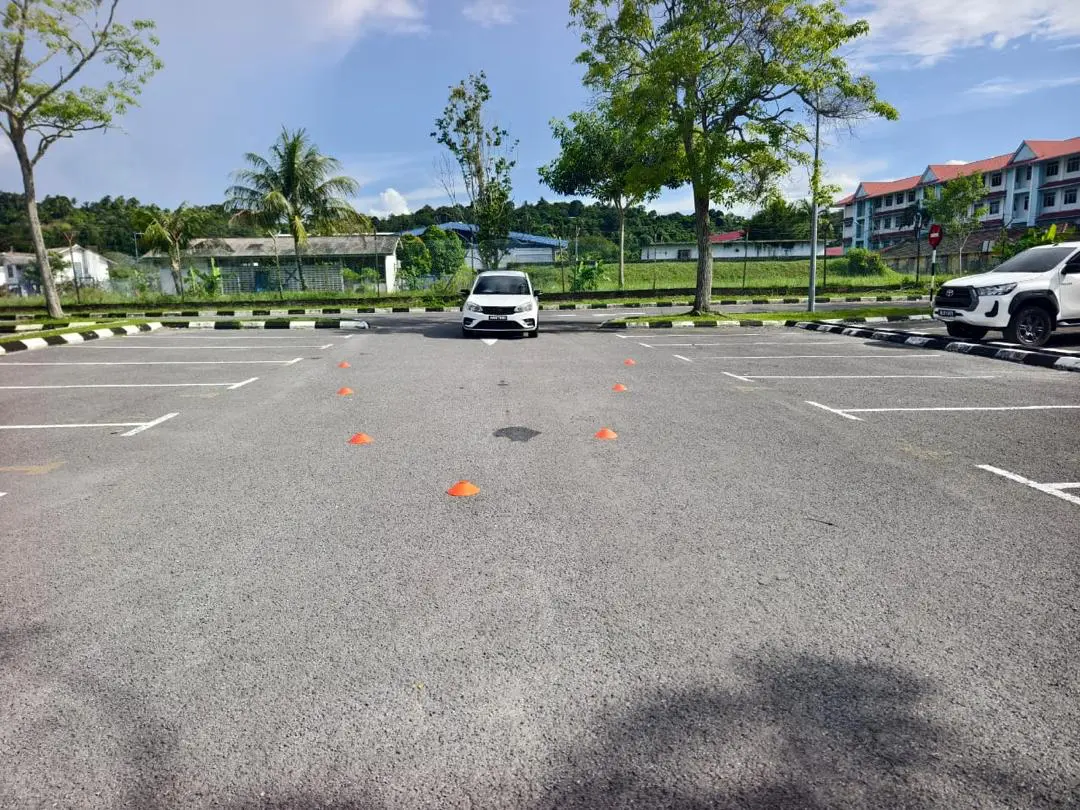
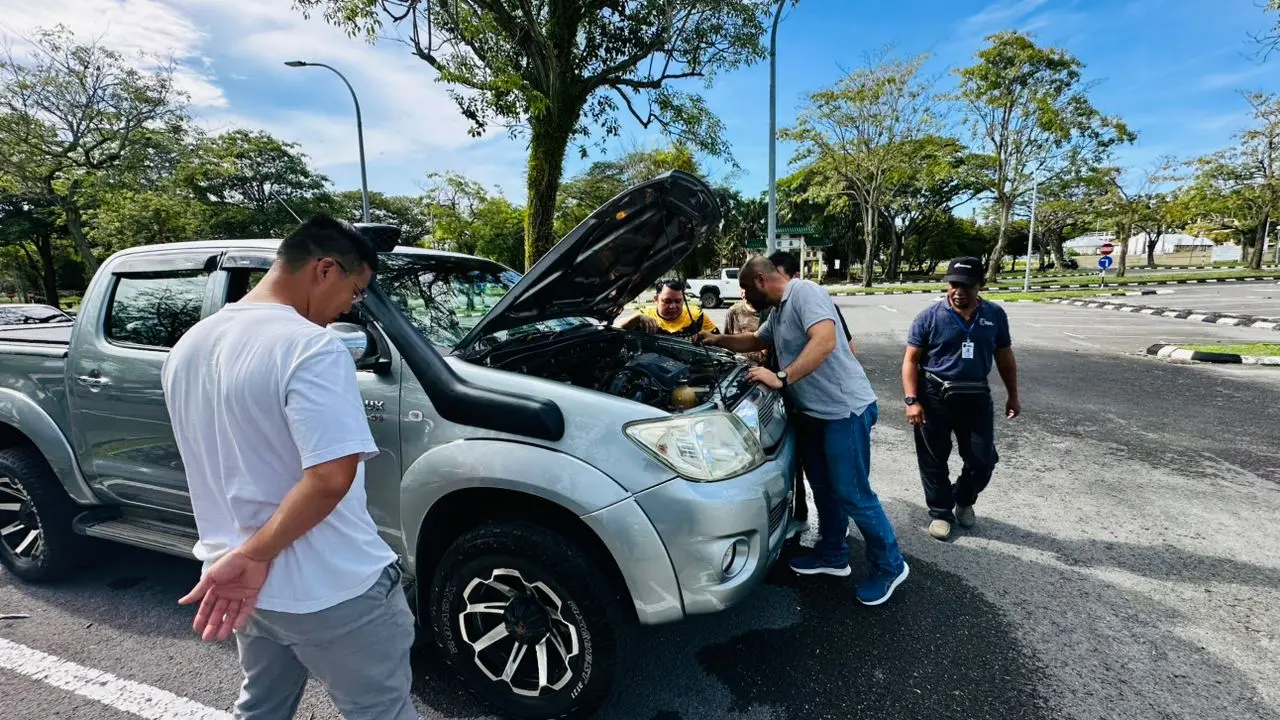
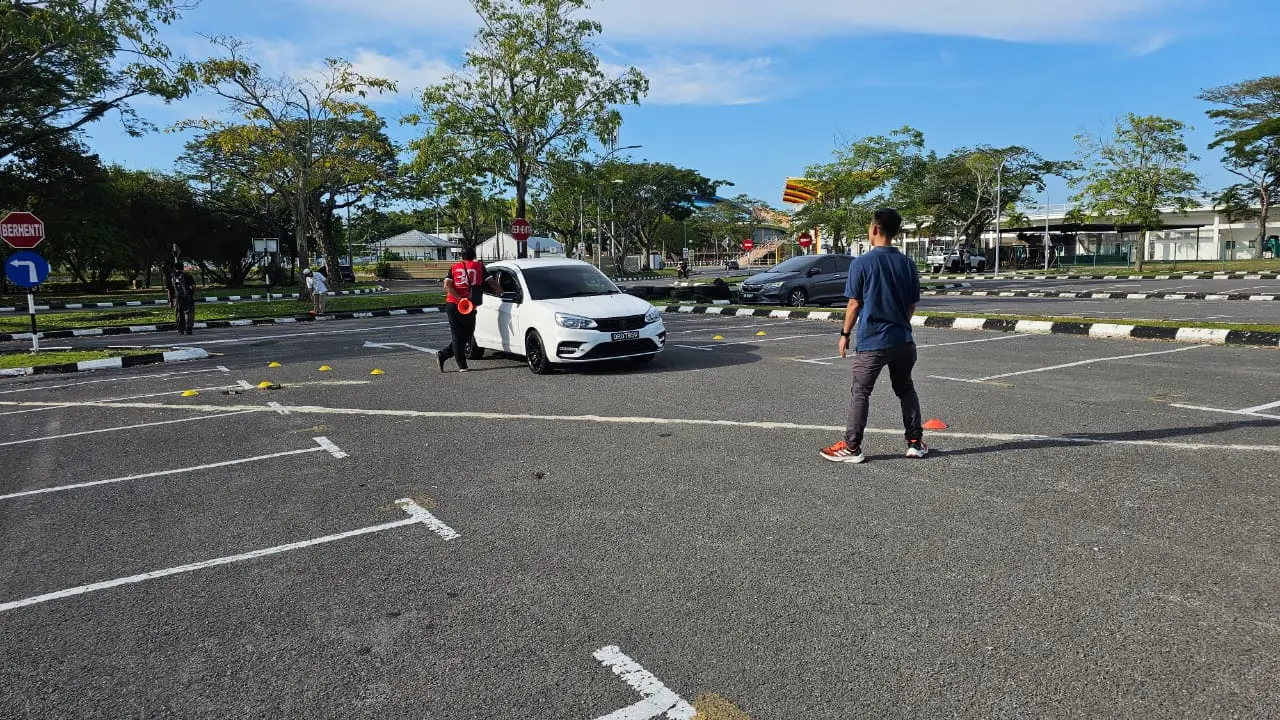
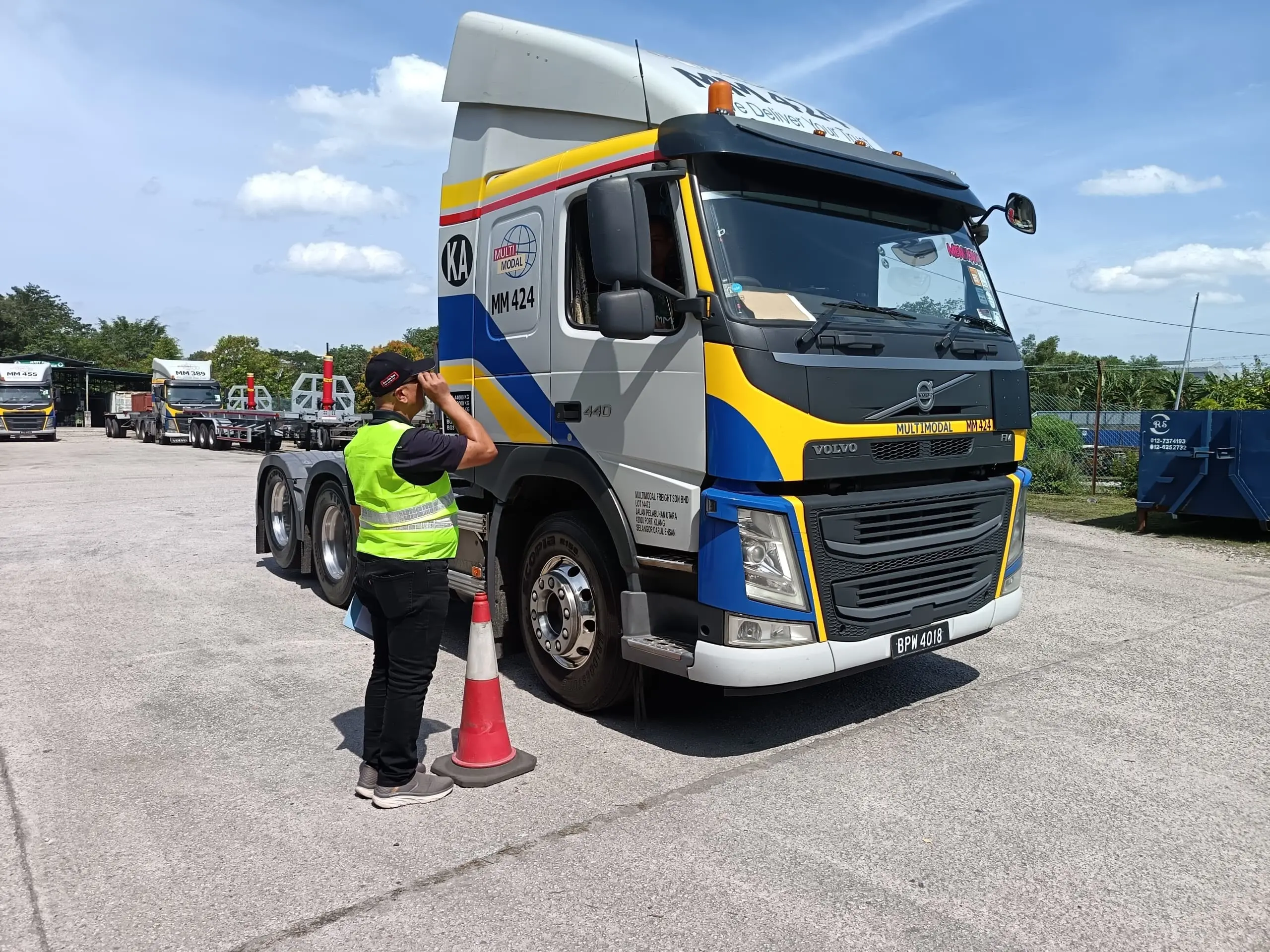
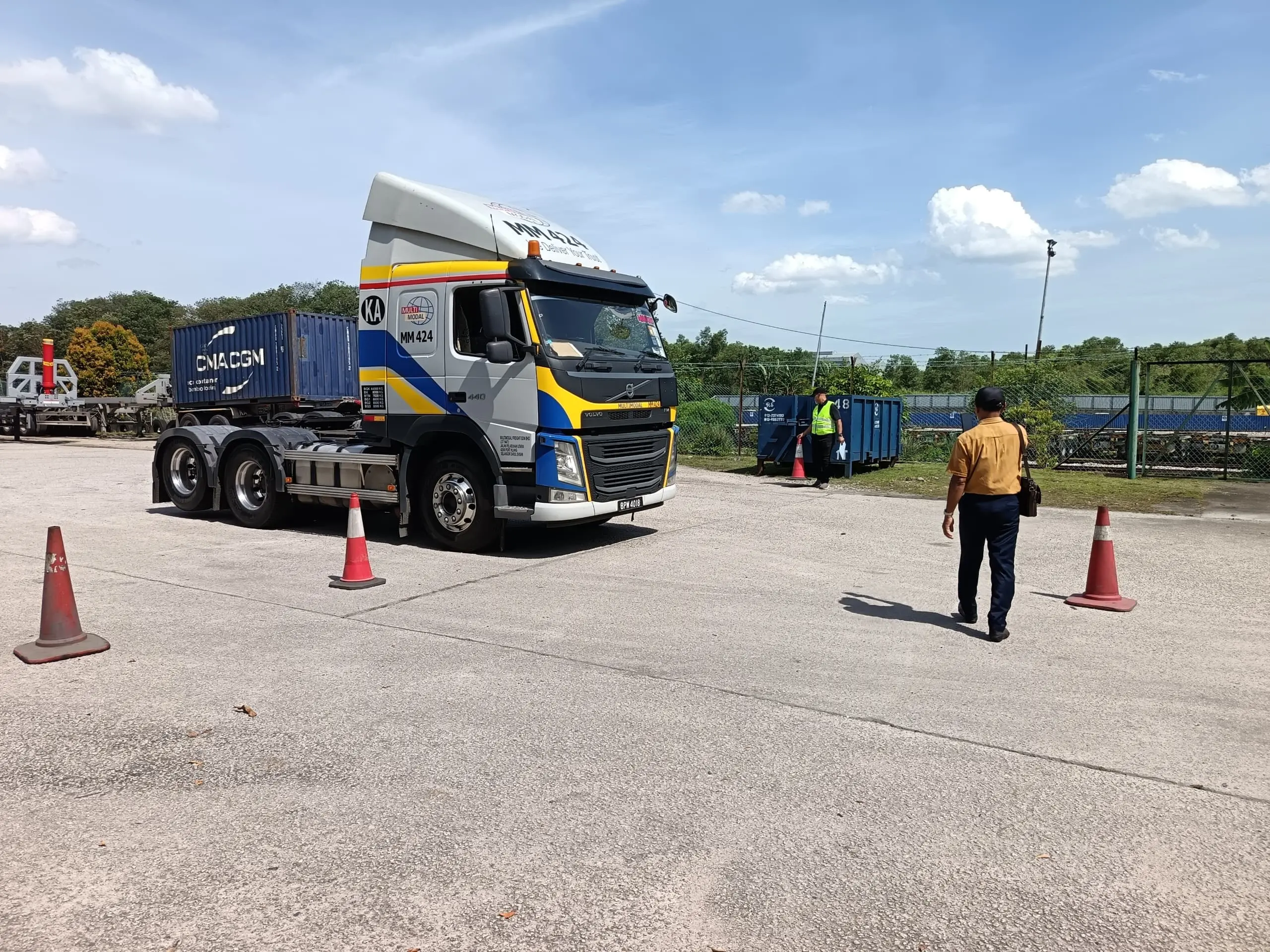
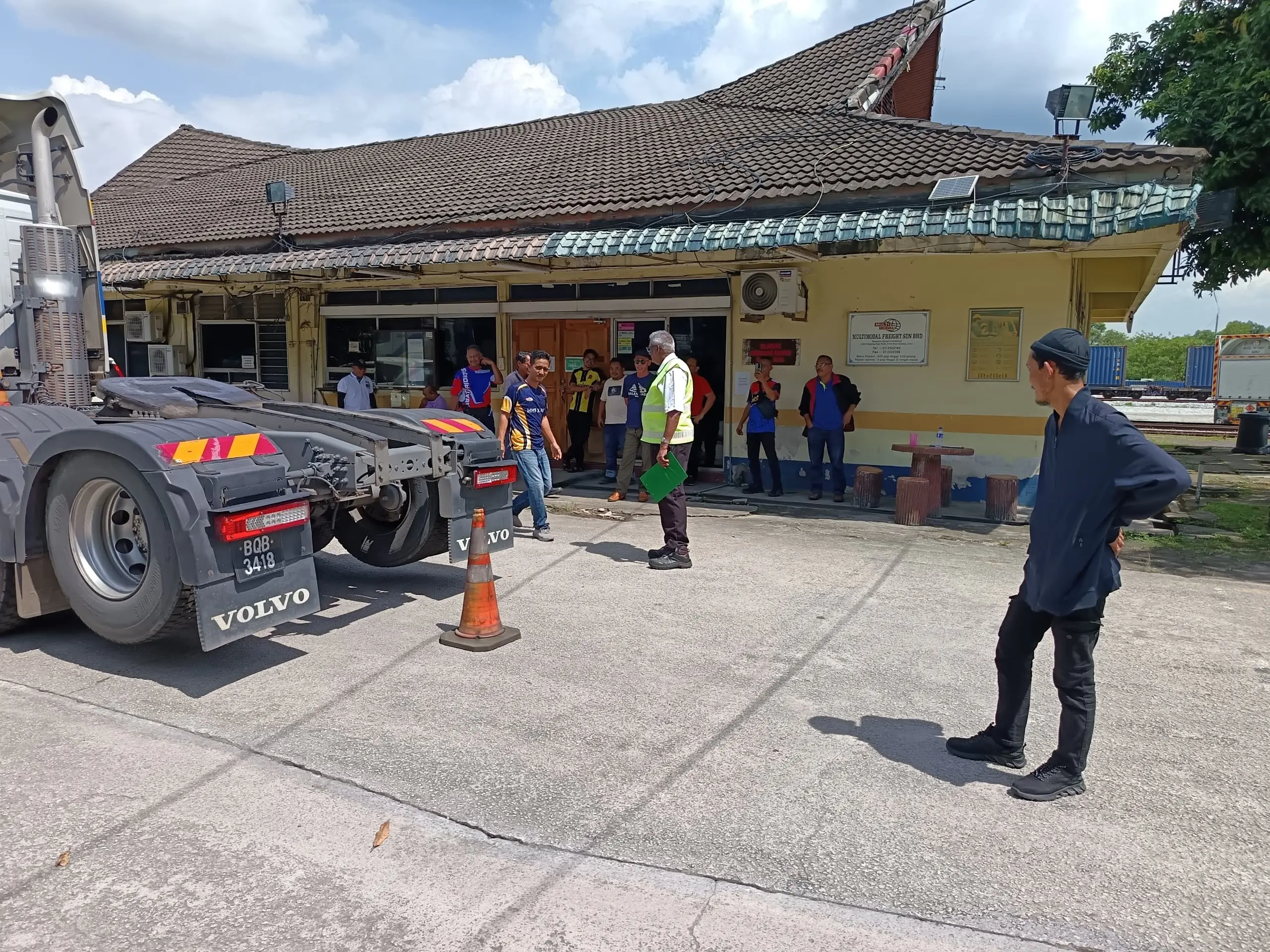
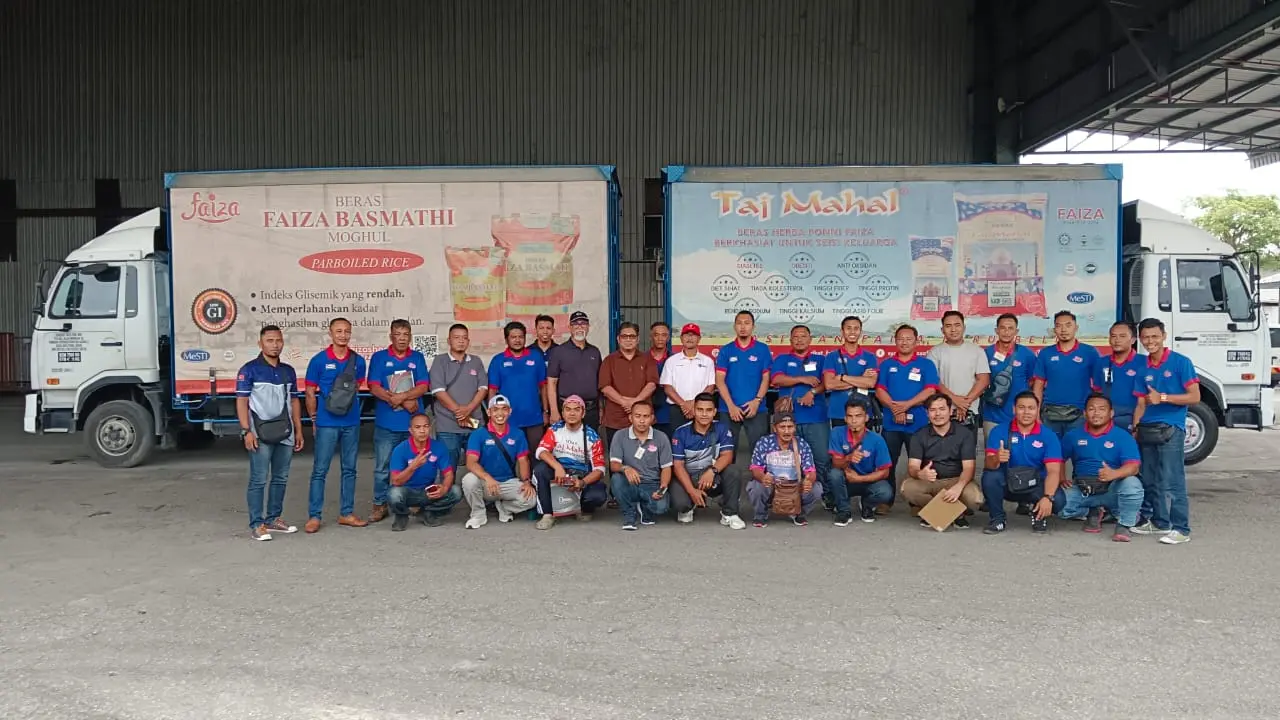
ADHINS provides defensive driving for drivers that can be discussed in relation to vehicle type, driver role, location and operational requirements. It supports hazard awareness, judgement and controlled real-road decision-making.
To identify road hazards early, drivers need an active scan, an understanding of what may develop and the discipline to respond before the situation becomes urgent. The more time and space a driver creates, the more controlled the options available.
It is the practice of scanning ahead and around the vehicle, noticing changes that could develop into a risk, and making an early, controlled adjustment. It helps drivers avoid relying on last-moment reactions.
Use a consistent scan–predict–respond routine, maintain a suitable following margin, refresh mirror checks, minimise distraction and discuss real route hazards during briefings or coaching. The best approach should match the vehicle and operating environment.
Make a calm, early adjustment: ease off, increase space, reduce speed progressively, improve observation or choose a safer position where appropriate. If conditions cannot be managed safely, pause and escalate through the organisation’s process.
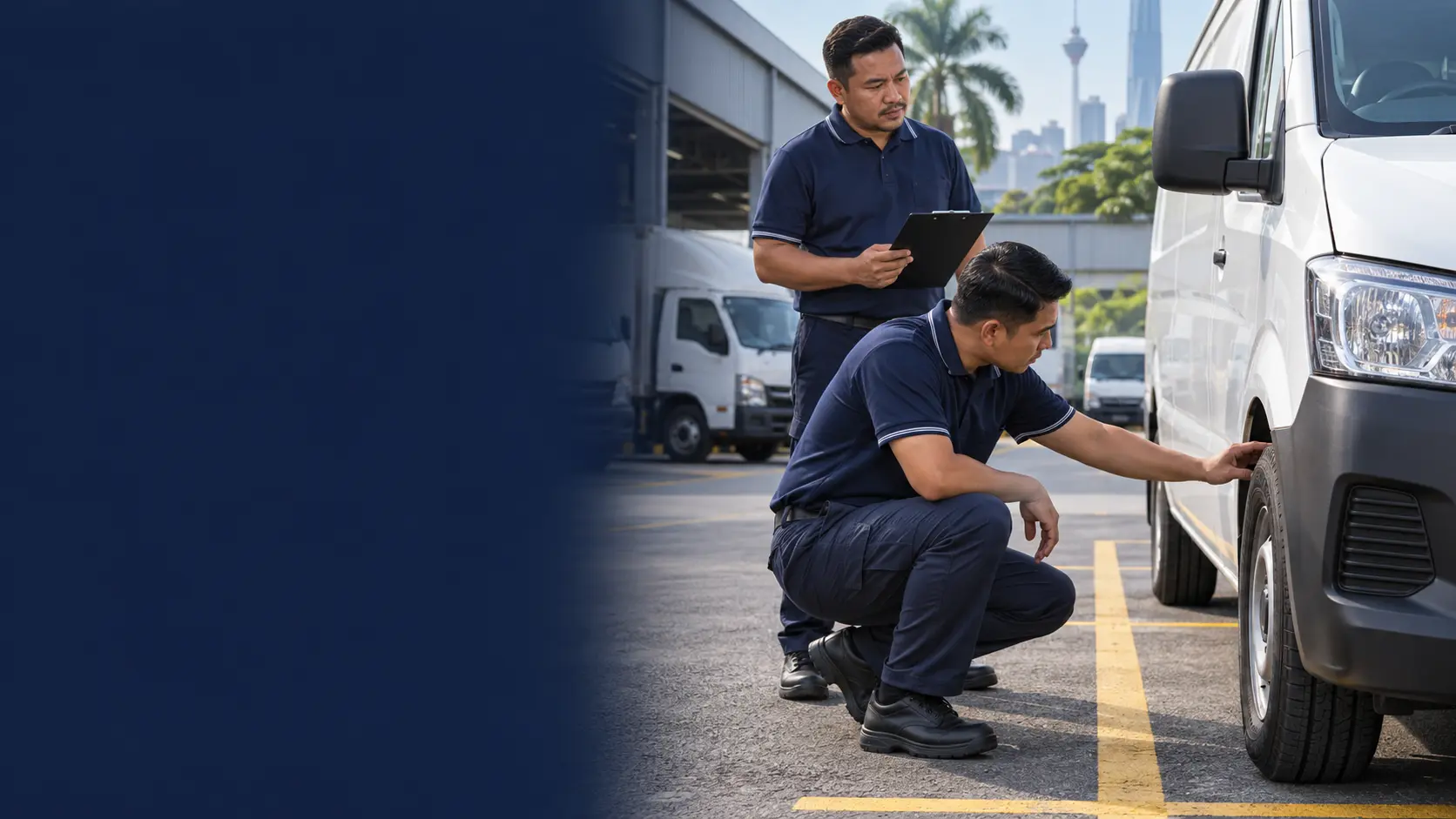
No. Training is most effective alongside vehicle-readiness processes, realistic journey planning, supervisor support, reporting routes and wider road transport safety controls. “`





©2026 ADHINS Management Sdn Bhd. All Rights Reserved.