
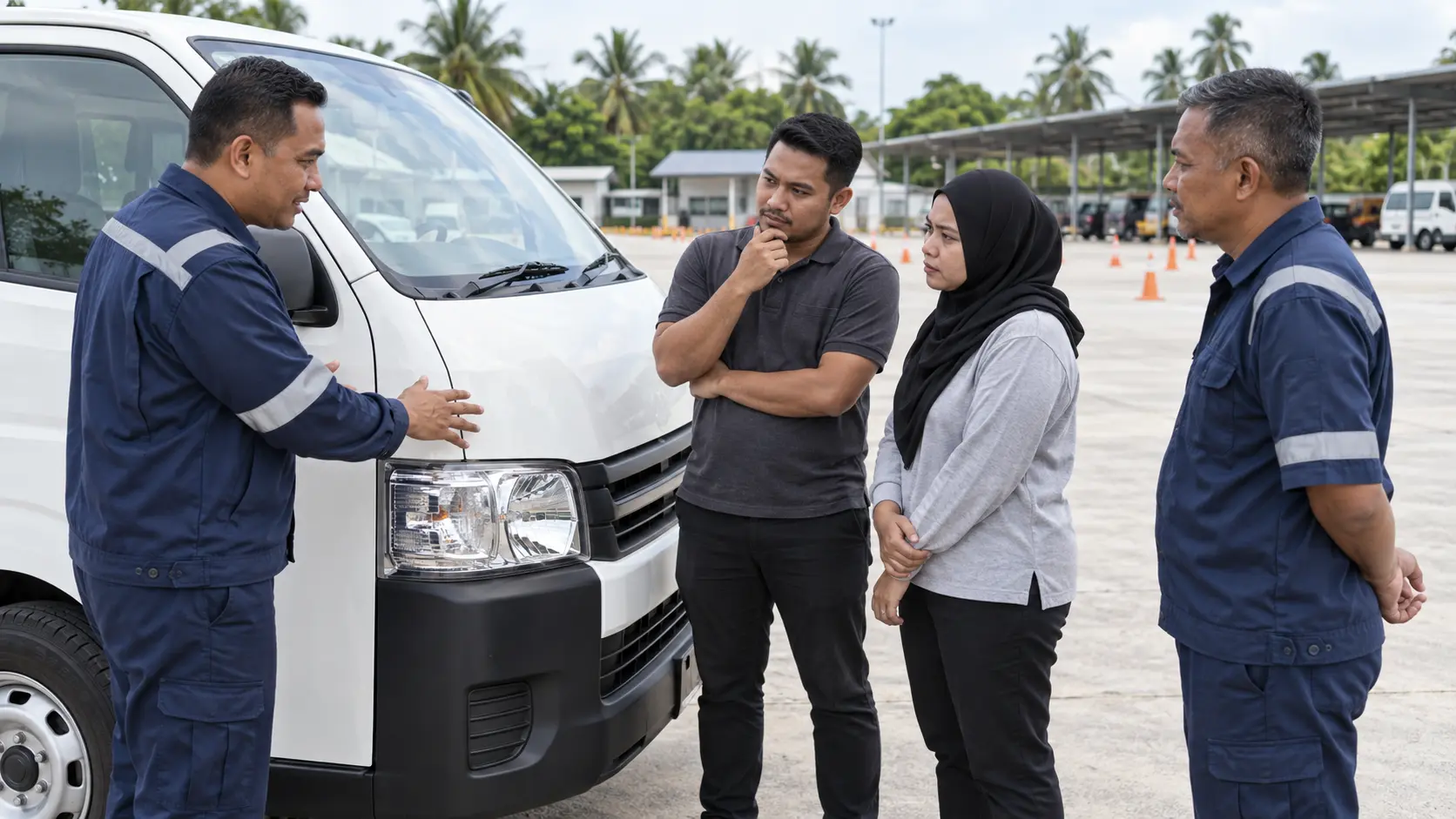
The most useful road safety training topics prepare fleet drivers for decisions they make before departure, on the road and at customer sites. A driver needs to know how to recognise a developing hazard, operate the assigned vehicle and ask for support when a journey cannot continue safely.
For Malaysian companies, the starting point is the actual work: vehicle types, routes, loads, passengers and site conditions. Use the topics below to discuss a training plan, then adapt the depth and practical exercises to each driver’s responsibilities.
Review driver experience, operational changes, reported concerns and the tasks people are authorised to perform. A new van driver and an experienced heavy-vehicle driver may need different instruction even when they travel the same route.
The UK HSE’s driver training guidance highlights defensive driving, loading, in-vehicle technology and awareness of other road users. These are useful planning considerations; the page’s legal requirements belong to its own jurisdiction.
For each topic, define an outcome that can be observed. “Attended a briefing” records participation. “Demonstrated the vehicle check and reported a simulated defect correctly” gives the supervisor more useful information about capability.
Teach drivers to look beyond the vehicle immediately ahead and notice changing traffic, restricted views, junctions and roadside activity. They should consider what could develop and create time to respond, while maintaining awareness of traffic beside and behind them.
Check understanding: Use a stationary image or recorded scenario. Ask the driver which clues matter, what remains hidden and what early adjustment would create more time. Keep discussion exercises separate from situations that require full attention to driving.
Training should connect speed and spacing with visibility, grip, traffic and the vehicle’s characteristics. Knowing a posted limit is only part of the decision; conditions may require a lower speed and a larger margin.
Check understanding: Ask how the driver would adjust when rain begins or another vehicle enters the following gap. Look for a calm response that restores space rather than an attempt to defend the gap.
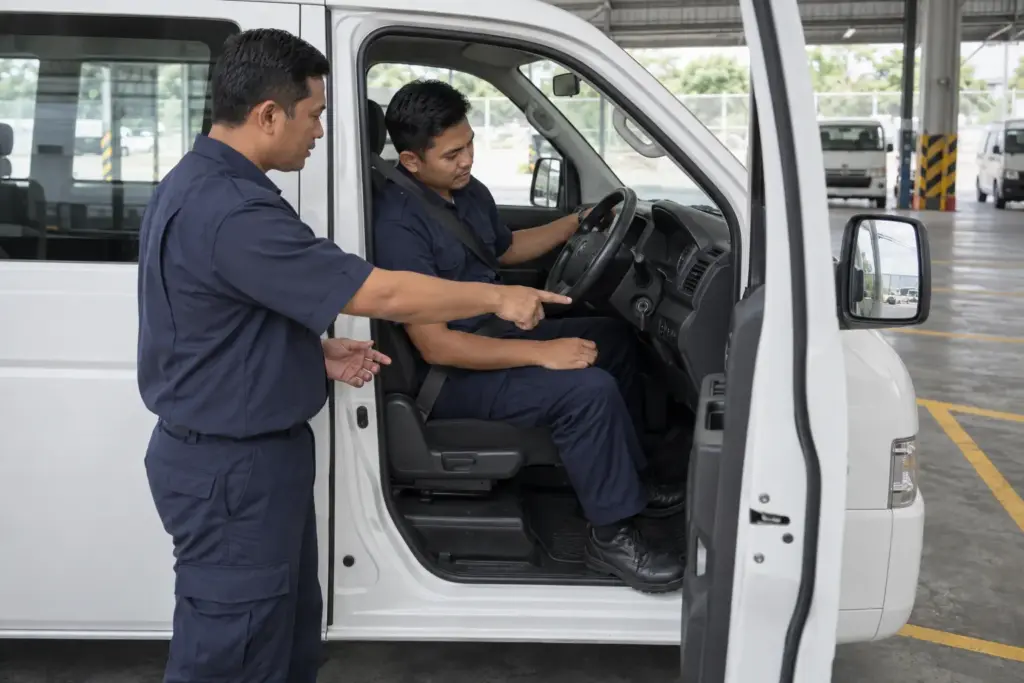
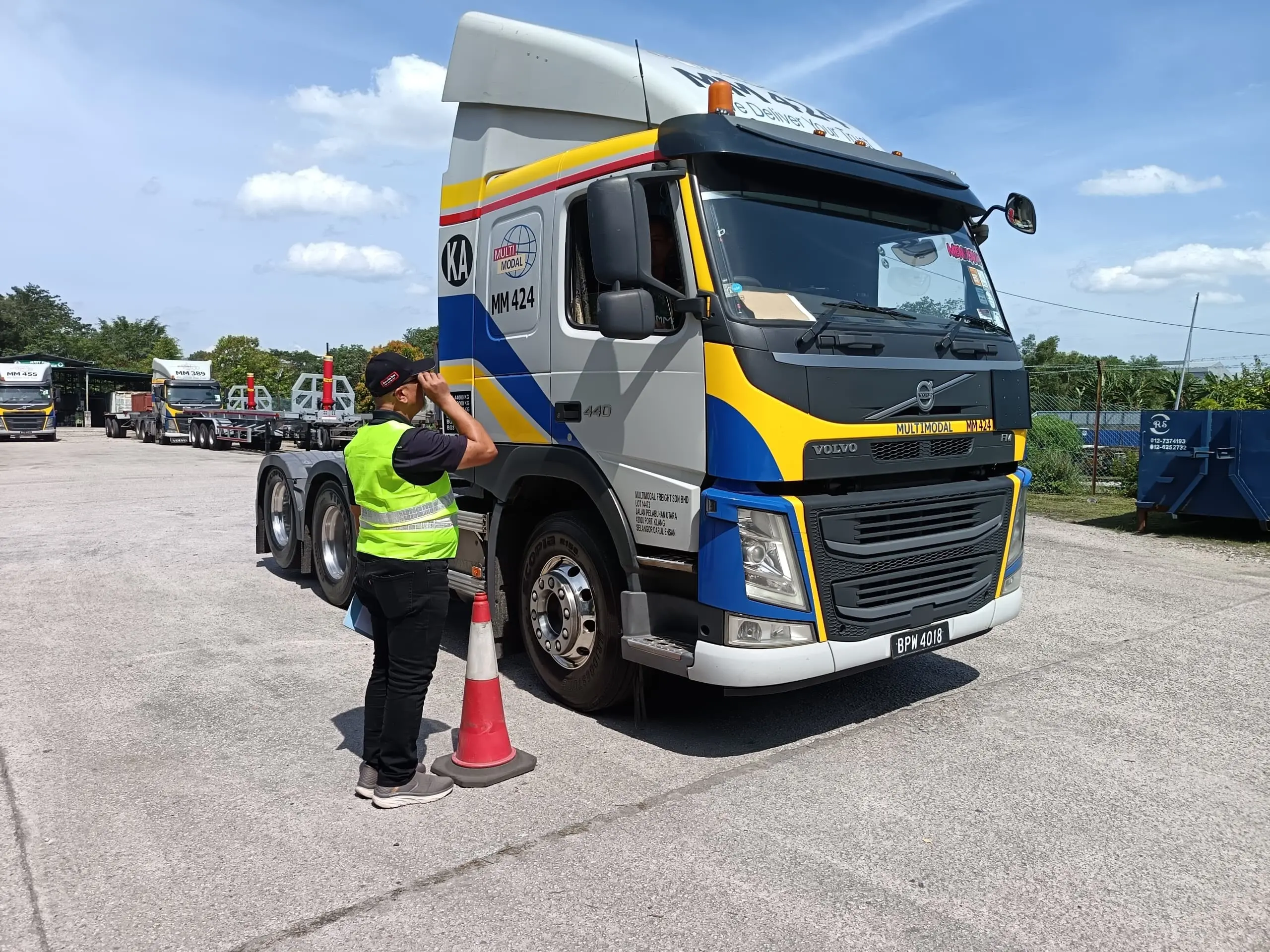
Drivers should understand the controls, warning indications, seating position, mirrors and fitted assistance systems of the vehicle assigned to them. A change of vehicle can introduce different blind spots or operating procedures.
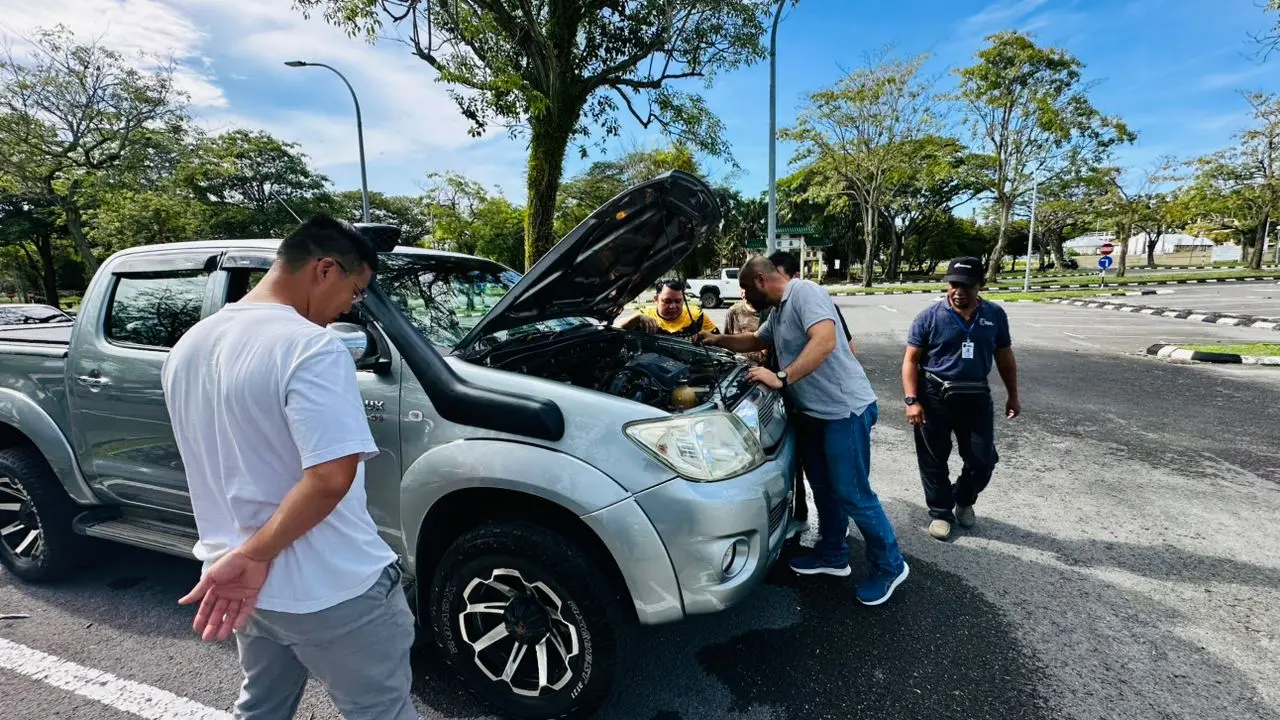
Include the company’s walkaround routine and defect-reporting process. Make clear which checks drivers can perform and which concerns require maintenance assessment.
Check understanding: Have the driver demonstrate the approved check on a parked vehicle, explain an unfamiliar warning using the handbook and identify the person responsible for a release decision.
Cover observation before changing position, turning and moving away. Discuss how pedestrians, cyclists and motorcyclists may be difficult to see, particularly around large vehicles and at site entrances.
Check understanding: In a controlled training area with the vehicle secured, show how the view changes with mirror adjustment. Explain the limits of cameras and sensors so drivers understand why technology does not remove the need for observation.
Road journeys often end in unfamiliar yards or delivery areas. Drivers need to understand site instructions, pedestrian routes, parking arrangements and when to stop and seek assistance.
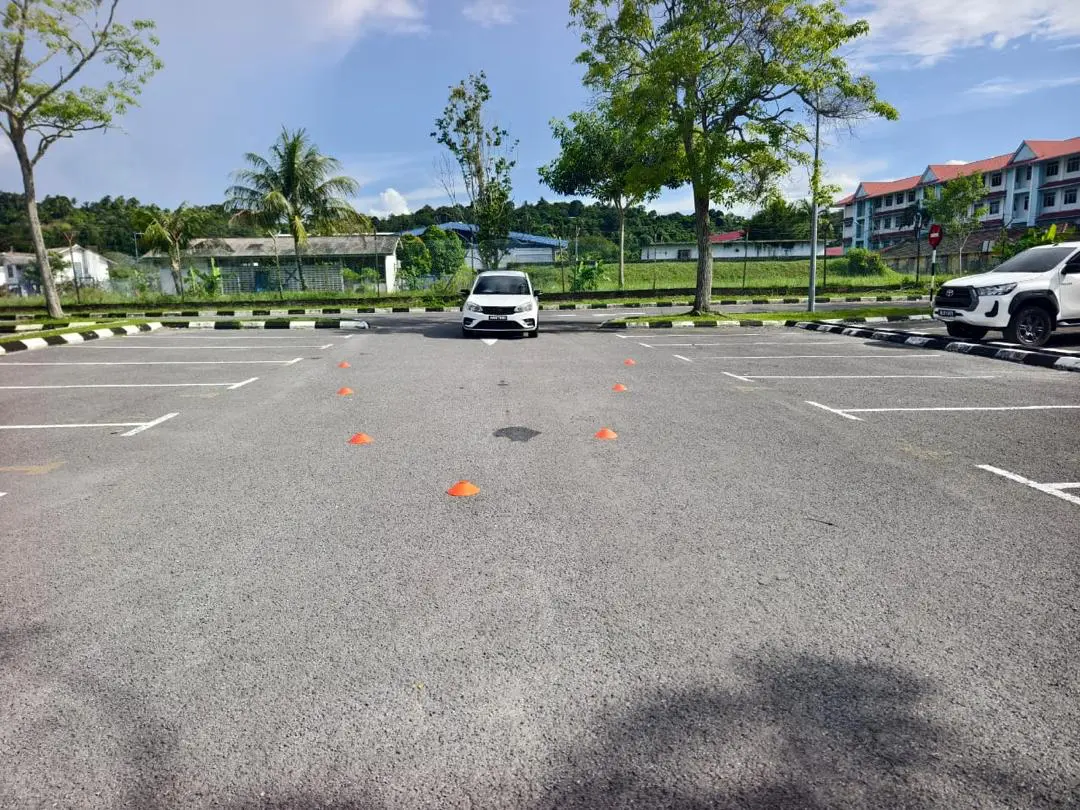
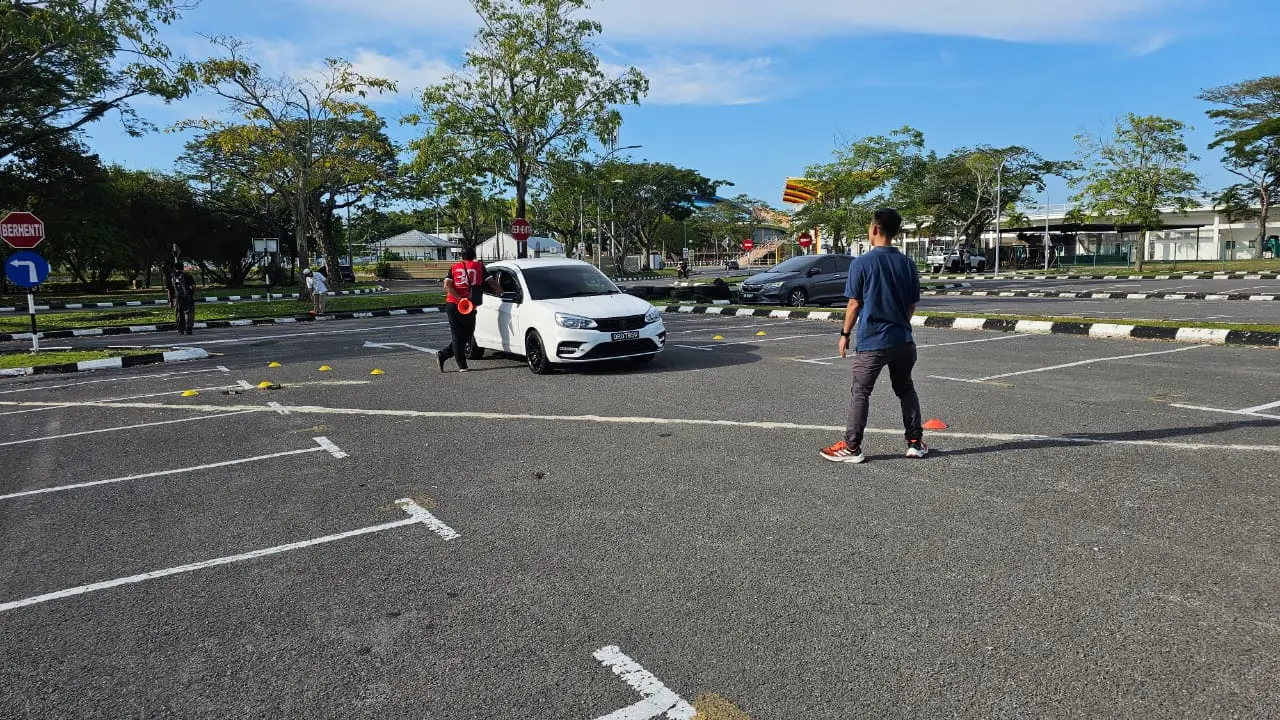
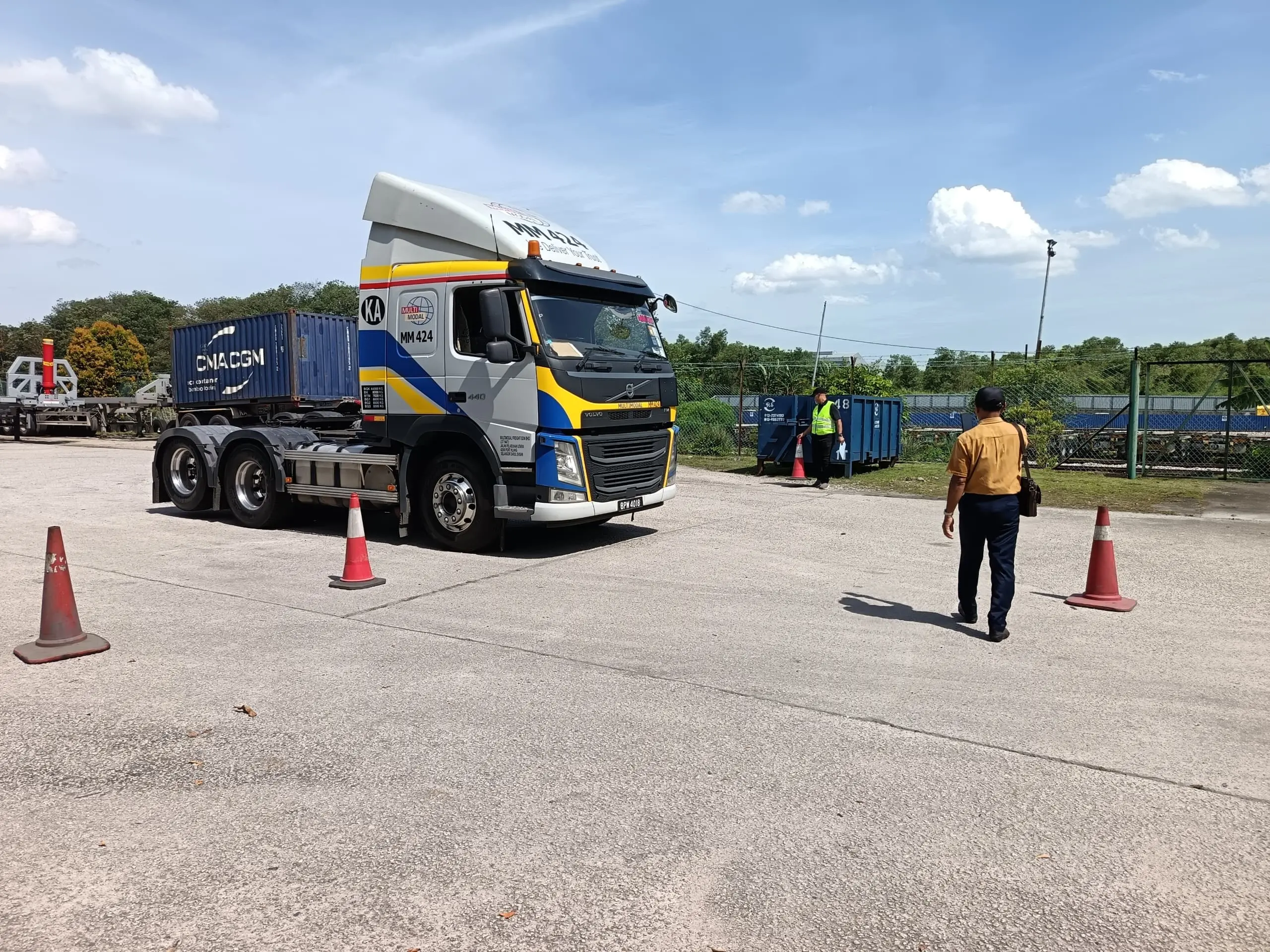
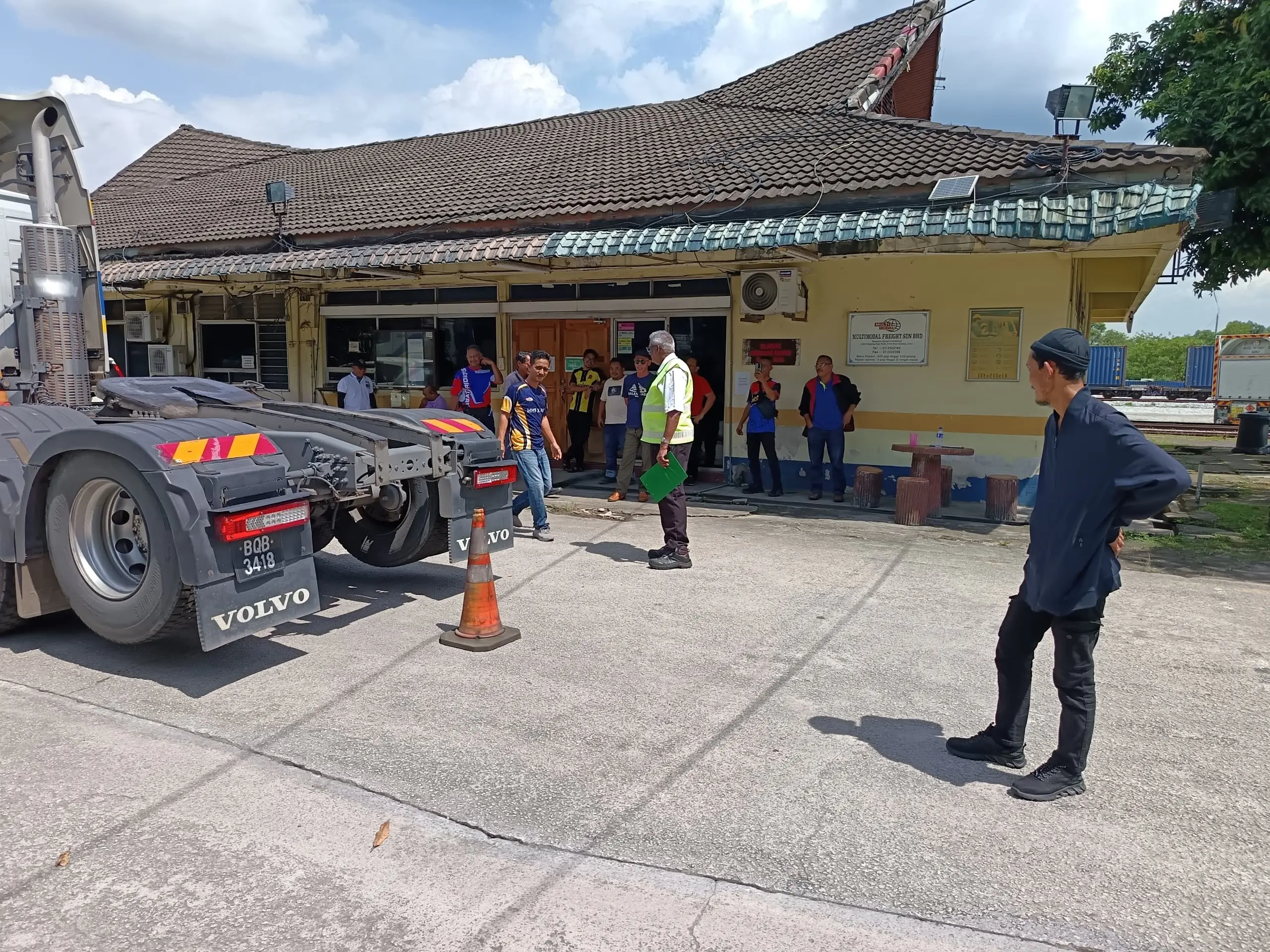
Practical instruction should address the approved reversing method for that site and vehicle. Where a trained signaller is used, explain the agreed communication and what to do if visual contact is lost. Avoid unnecessary reversing where the task can be arranged more safely.
Check understanding: Ask the driver to explain an arrival plan before any manoeuvre begins. Deliver moving exercises only under suitable supervision in a controlled area.
Drivers should know the company’s process for declaring that they are not fit to continue and for requesting a safe change to the assignment. Include expectations for phone use, navigation setup and other competing tasks.
Check understanding: Discuss what happens when a driver feels unable to concentrate or receives repeated work calls. The answer should include a practical reporting route and supervisor support. Training needs to be backed by schedules and communication practices that allow safe decisions.
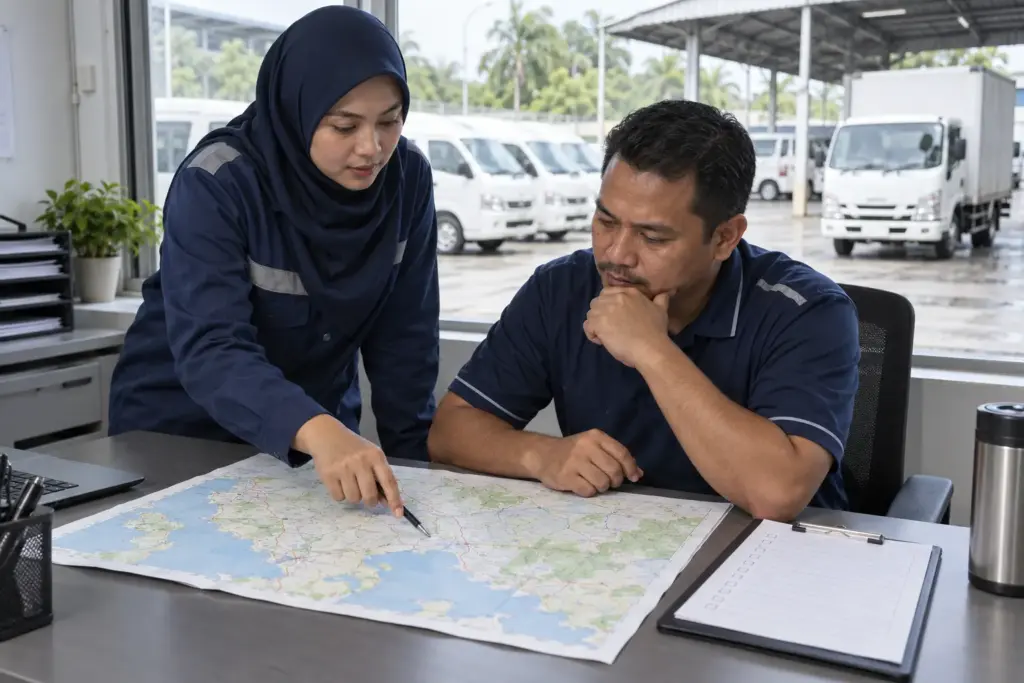
Teach drivers to review the route, vehicle suitability, planned stops and customer access before departure. Explain how to report delays or changes without trying to recover time through risky driving.
The HSE’s journey-planning guidance supports considering schedules, weather, breaks and time spent at collection or delivery points. Apply those planning principles to your own routes and operating requirements.
Check understanding: Present an unexpected road closure or delayed loading scenario. Ask who needs to be contacted and how the plan should be reviewed.
Match this module to the assignment. Drivers transporting goods need instruction on the relevant loading and securing arrangements; those carrying passengers need to understand safe boarding and restraint expectations. Specialist equipment needs its own training and authorisation.
Check understanding: Ask the driver to identify the limits of their responsibility and the checks needed before departure. A general road-safety course should not be treated as qualification to operate every vehicle, load system or attachment.
Cover the company’s response arrangements: how to seek help, provide location information and report an event when it is safe to do so. Use instructions appropriate to the route and vehicle rather than assuming one roadside procedure fits every situation.
Check understanding: Run a desk-based scenario. The driver should know whom to contact, what information to provide and what actions are outside their training. Include near misses so the organisation can learn from concerns before another event occurs.
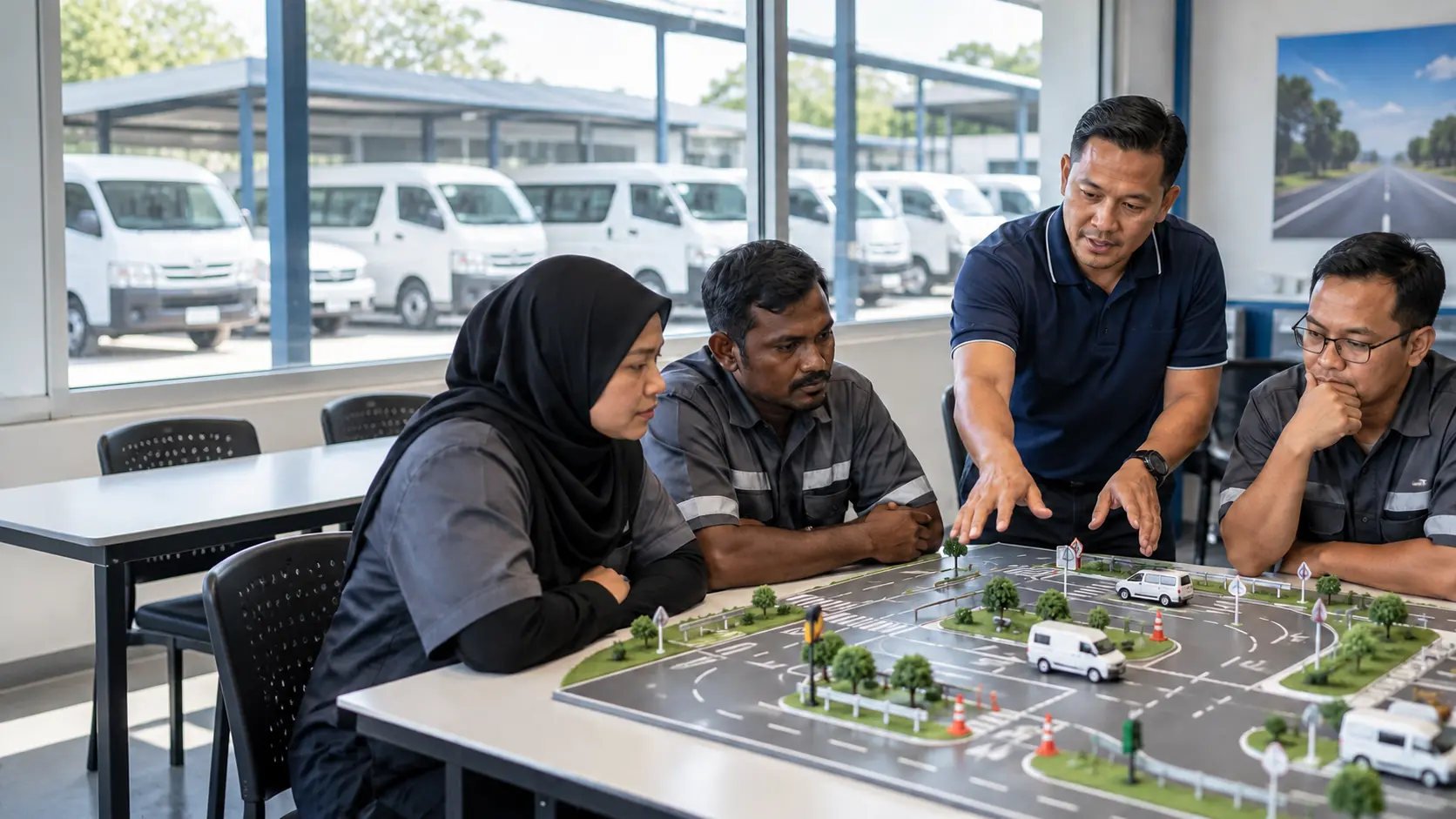
Choose delivery methods that suit the skill. Discussions work well for decisions and escalation; vehicle familiarisation needs access to the vehicle; manoeuvring needs a suitable practical setting.
| Training need | Suitable learning activity | Evidence of understanding |
|---|---|---|
| Recognising hazards | Guided scenario discussion | Driver explains clues and response |
| Pre-trip readiness | Supervised parked-vehicle walkaround | Driver completes checks and reports concerns |
| Site manoeuvring | Controlled practical instruction | Trainer observes the approved method |
| Journey escalation | Route-change exercise | Driver identifies contacts and next decisions |
Record the topics, observations and follow-up needs. Revisit the plan when vehicles, routes or tasks change, or when feedback indicates a gap. Supervisors should reinforce the same expectations during normal work.
ADHINS provides road transport training across light vehicles, heavy vehicles and other specified programmes in its service offering. Share your vehicle types, driver roles and priority road safety training topics with ADHINS to discuss a suitable scope and delivery format.
Begin with the assigned vehicle, company procedures, reporting routes and the risks of the work they will perform. Prioritise any capability required before they can carry out that assignment safely.
Online learning can support knowledge and scenario discussion. Tasks requiring physical vehicle operation or practical assessment need a suitable practical component.
Experience is useful, but a new vehicle, route or task can require further instruction. Review demonstrated capability and operational changes rather than relying on years of driving alone.
No. This is a planning guide. Confirm any additional vehicle, equipment, industry and regulatory requirements that apply to the operation.








©2026 ADHINS Management Sdn Bhd. All Rights Reserved.