
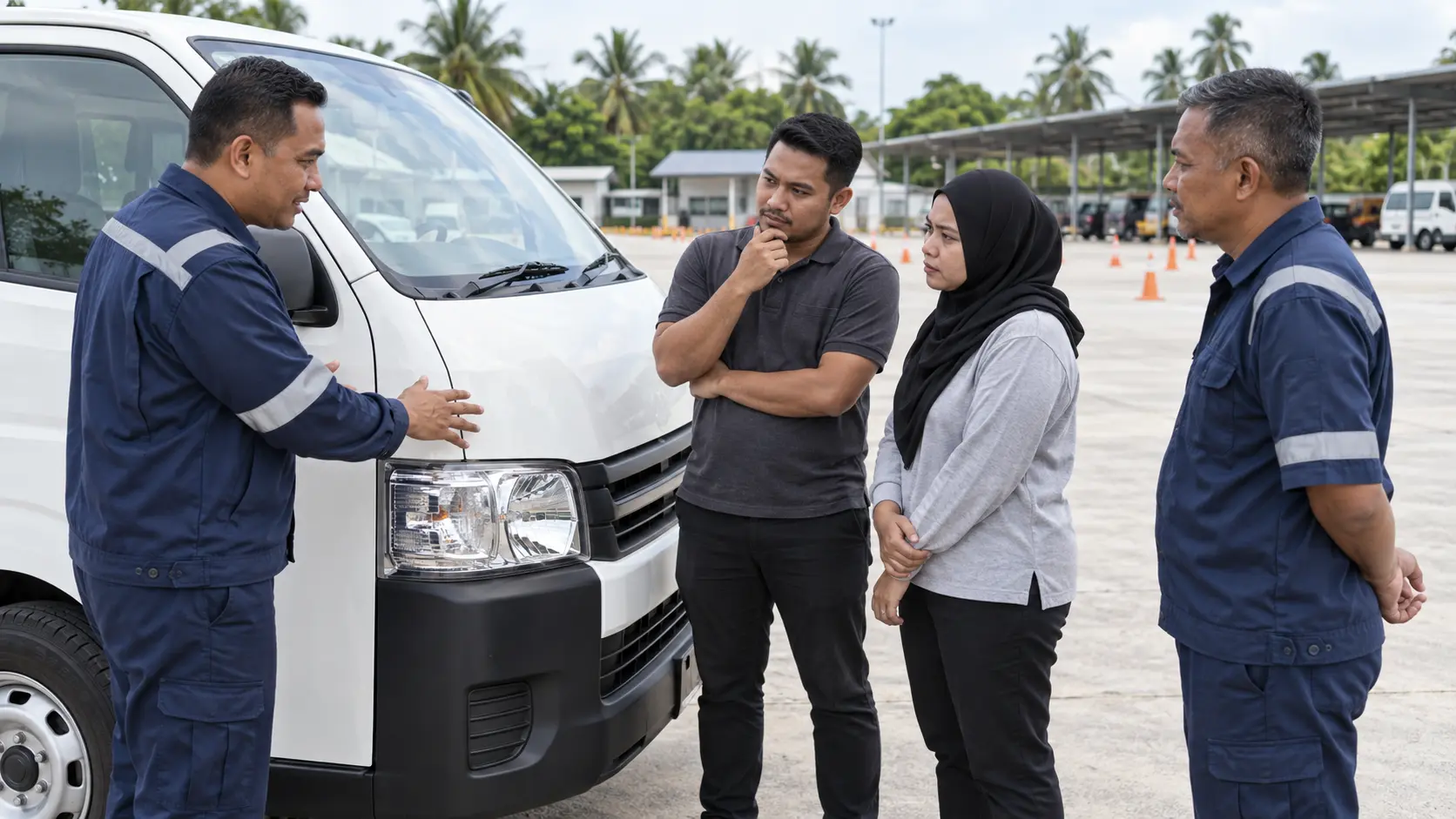
Choosing defensive driving training in Malaysia starts with understanding what your drivers need to do differently at work. A useful programme should connect hazard awareness and vehicle control with the routes, vehicles and pressures your fleet actually manages.
Before comparing quotations, agree your priorities. You may need better observation, safer space management, vehicle familiarisation or more consistent decisions at customer sites. Those needs should shape the course content, practical activities and assessment.
This guide helps fleet operators compare proposals and ask for evidence that a programme fits their workforce. The questions are selection criteria, not a claim that every provider includes the same services.
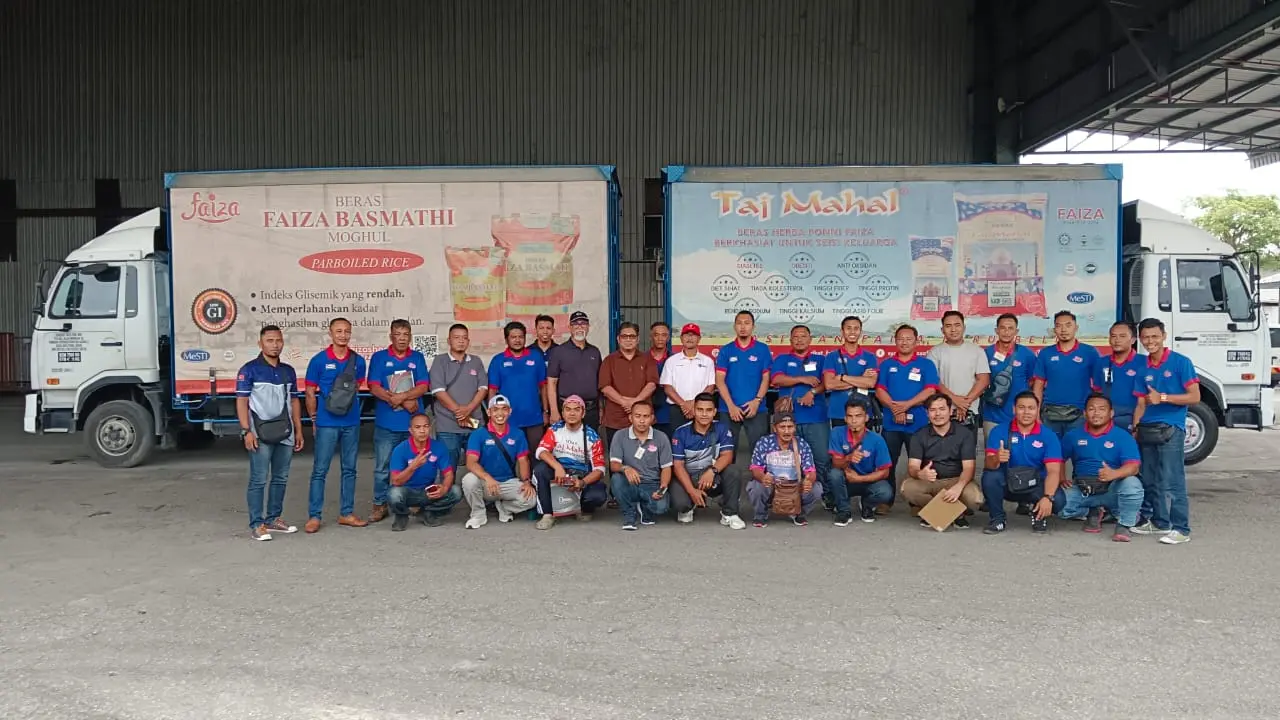
Tell prospective providers about vehicle types, driver numbers, operating areas, language needs and recurring concerns. Include contractors where they form part of the intended audience. Explain whether participants are new to the vehicle or experienced drivers needing focused development.
Describe the concern in observable terms. “Improve safety” is broad. “Drivers need to recognise restricted views earlier and maintain space on congested delivery routes” gives the provider something concrete to address.
Share relevant examples without unnecessary personal information. A summary of recurring issues can support course planning without distributing complete driver records or sensitive incident files.
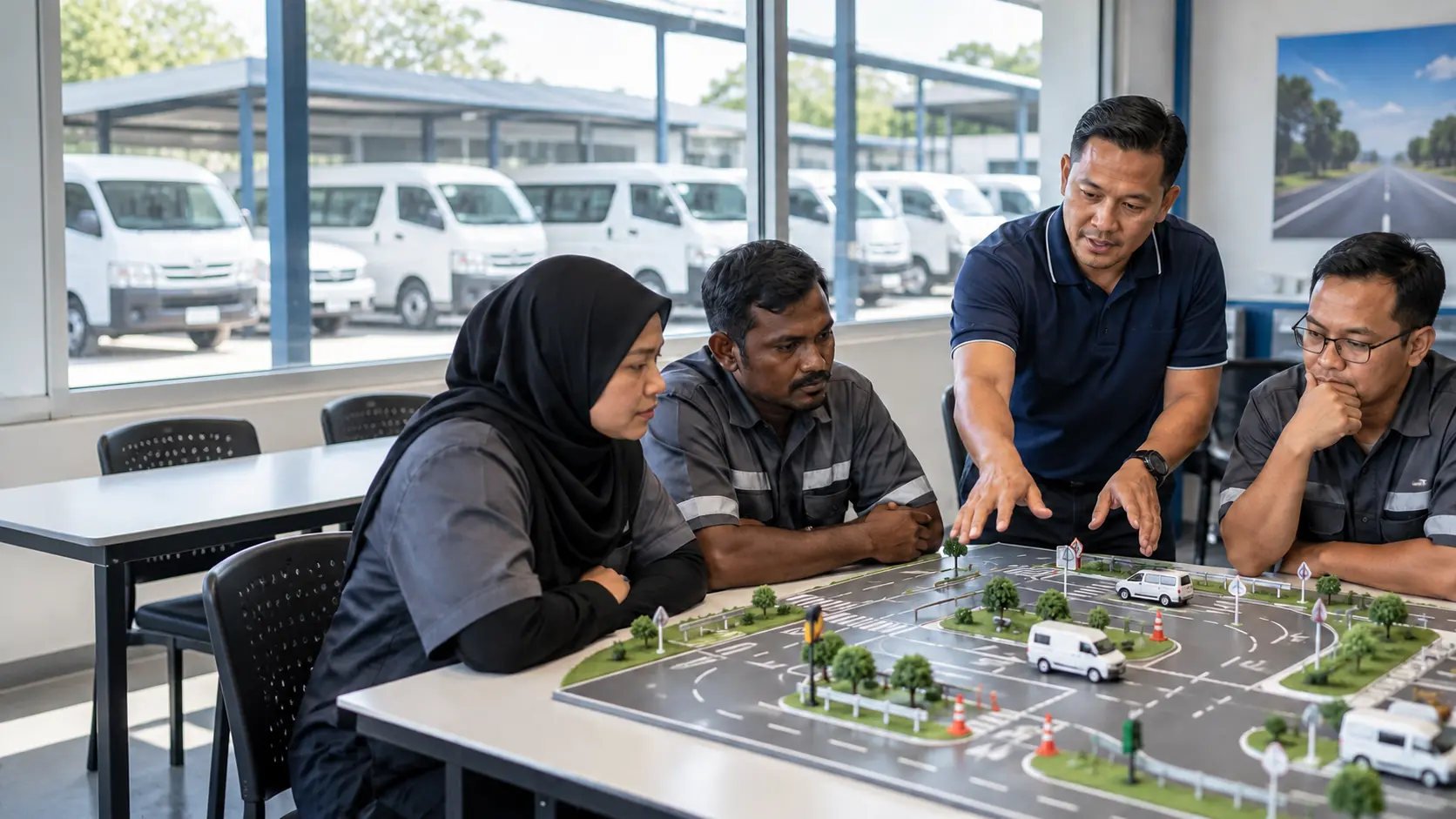
Ask how the provider will connect classroom discussion with your drivers’ assignments. A fleet using passenger cars, a delivery-van operation and a heavy-vehicle fleet may require different examples, familiarisation and practical arrangements.
Look for an explanation of what participants will learn and demonstrate. Topics may include observation, speed and space judgement, junctions, blind spots, distraction, readiness and reporting. The proposal should identify which topics are included and how much attention each receives.
Ask: “Which exercises address our priority concerns, and what would successful performance look like?”
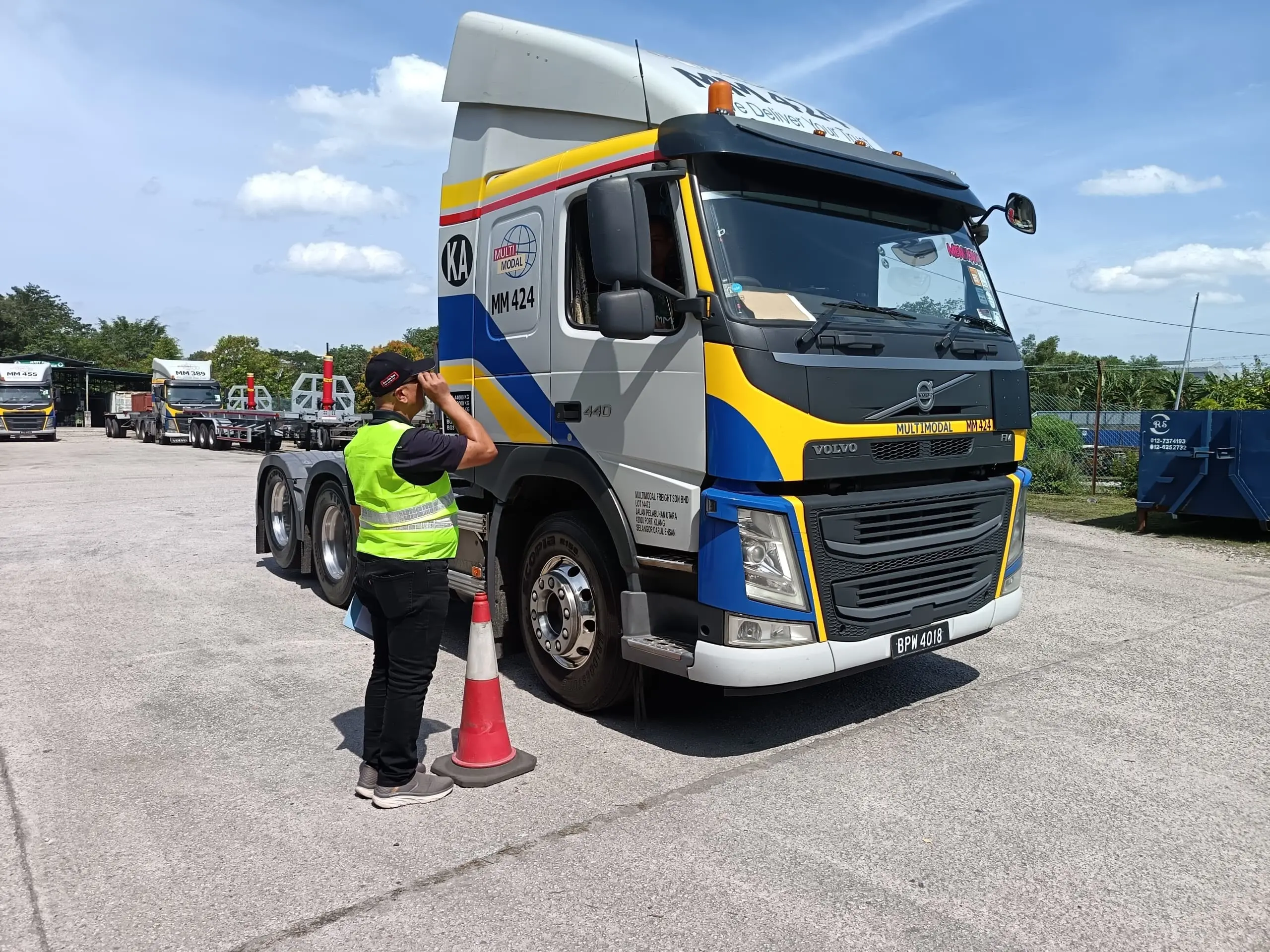
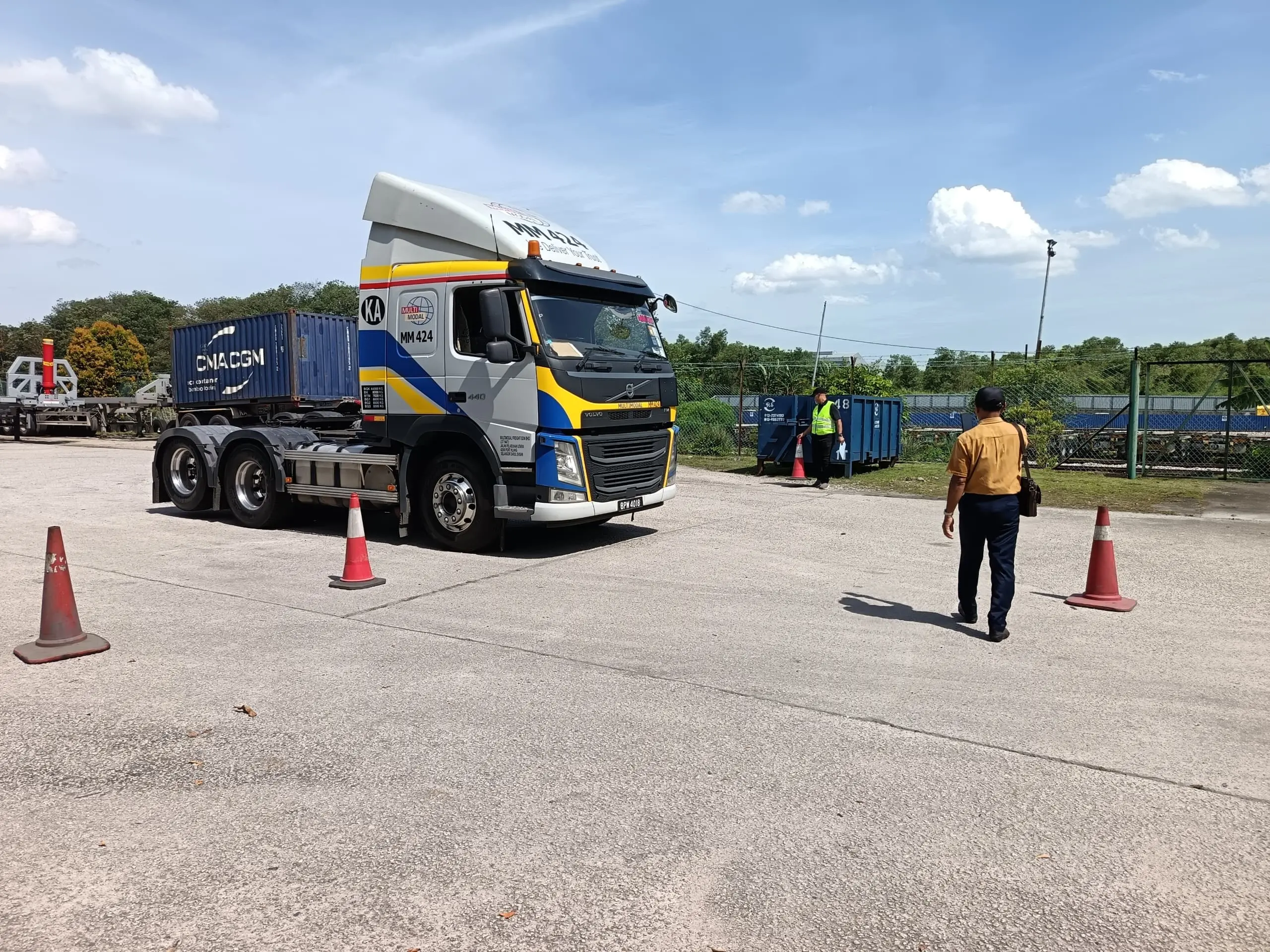
Request the proposed instructors’ experience with the vehicle types and work activities in scope. Clarify who will deliver the practical sessions, especially if the organisation uses several trainers or subcontractors.
Review any claimed qualifications or accreditations against the issuing body and their relevance to the course. A broad training credential and experience assessing the assigned vehicle are different pieces of evidence.
Ask: “Who will teach this group, and what experience do they have with comparable fleet operations?”
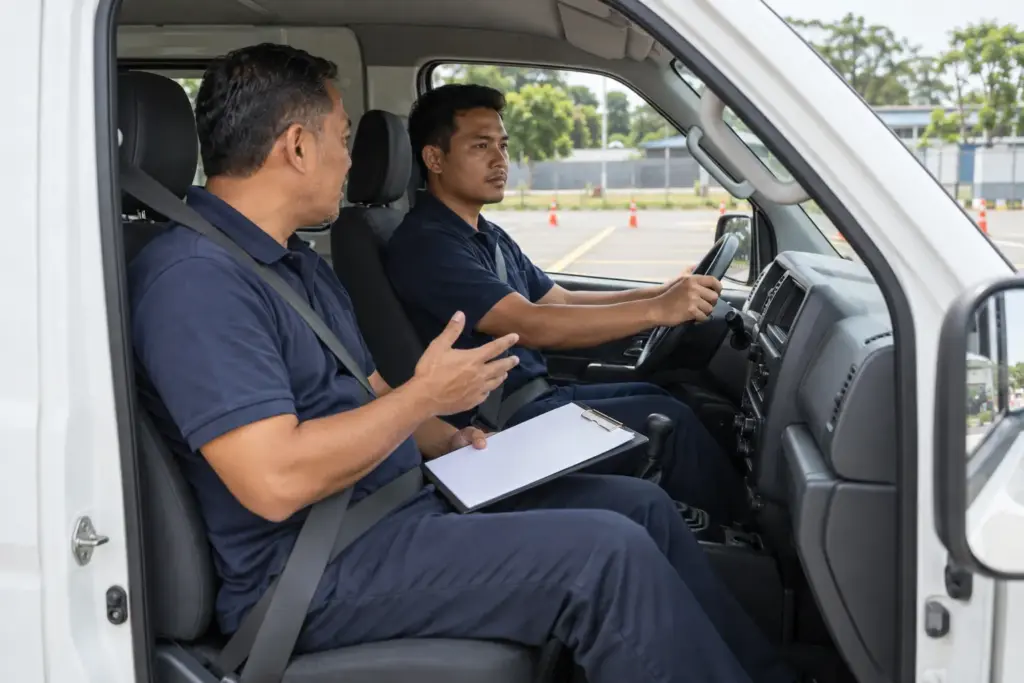
A course timetable can include practical hours without giving each participant much time at the wheel. Ask for the expected individual driving time, group size, available vehicles and how feedback will be delivered.
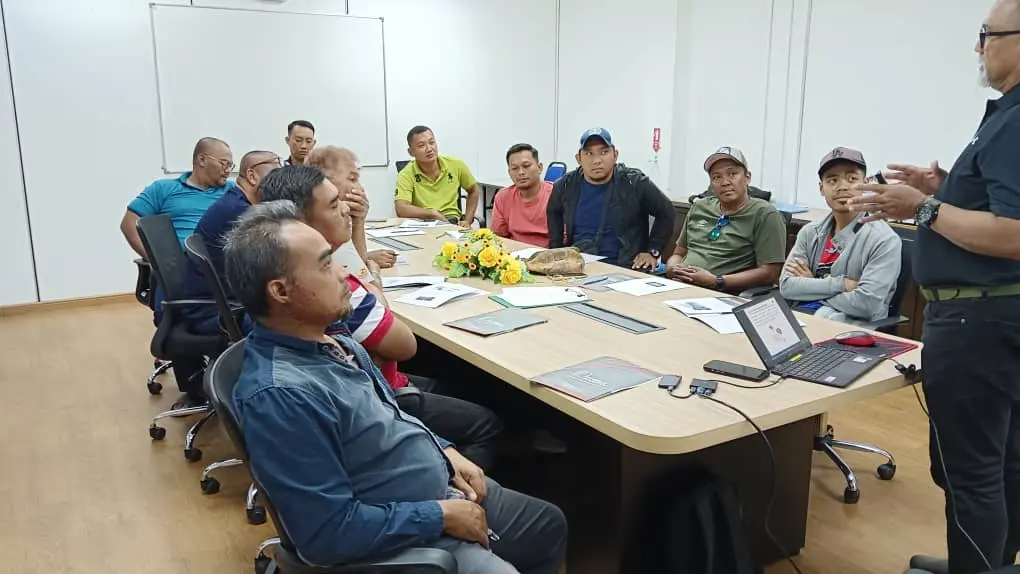
Clarify whether participants drive, observe a demonstration or take part in scenario discussions. Each has a purpose, but they provide different opportunities to assess skill. Classroom-only delivery should be described clearly when that is the selected format.
Ask: “What does each driver personally practise, and how is that practice observed?”
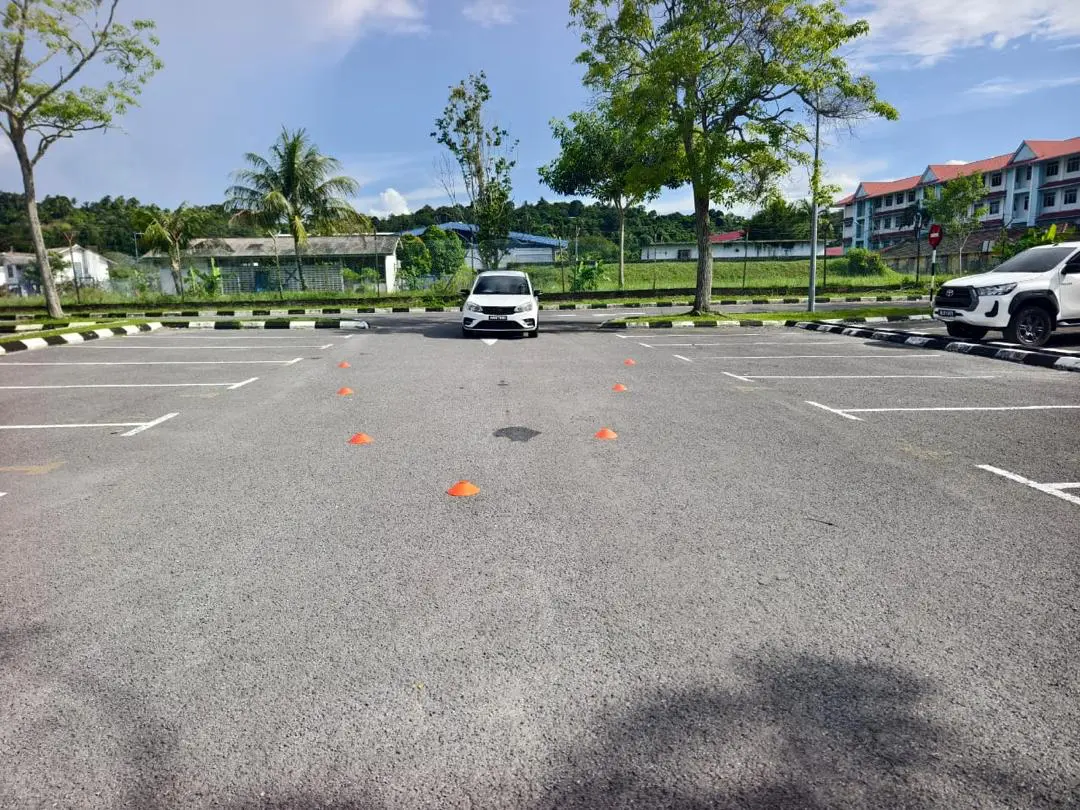
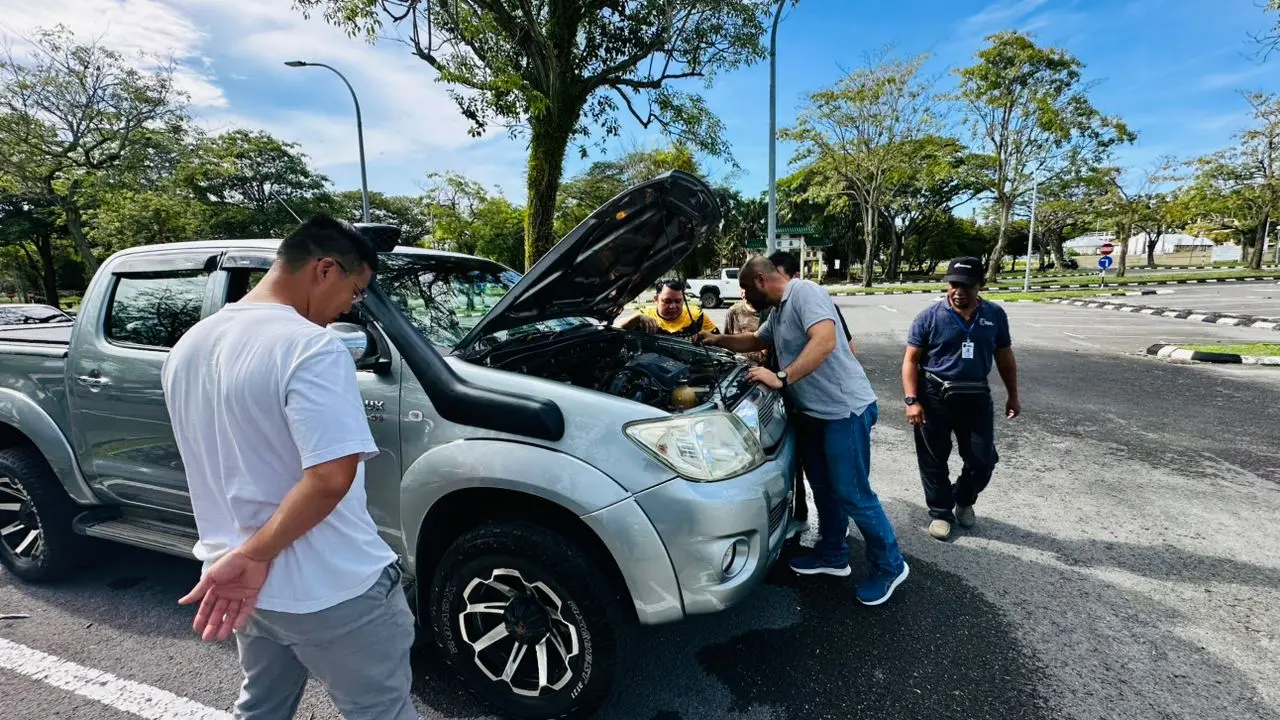
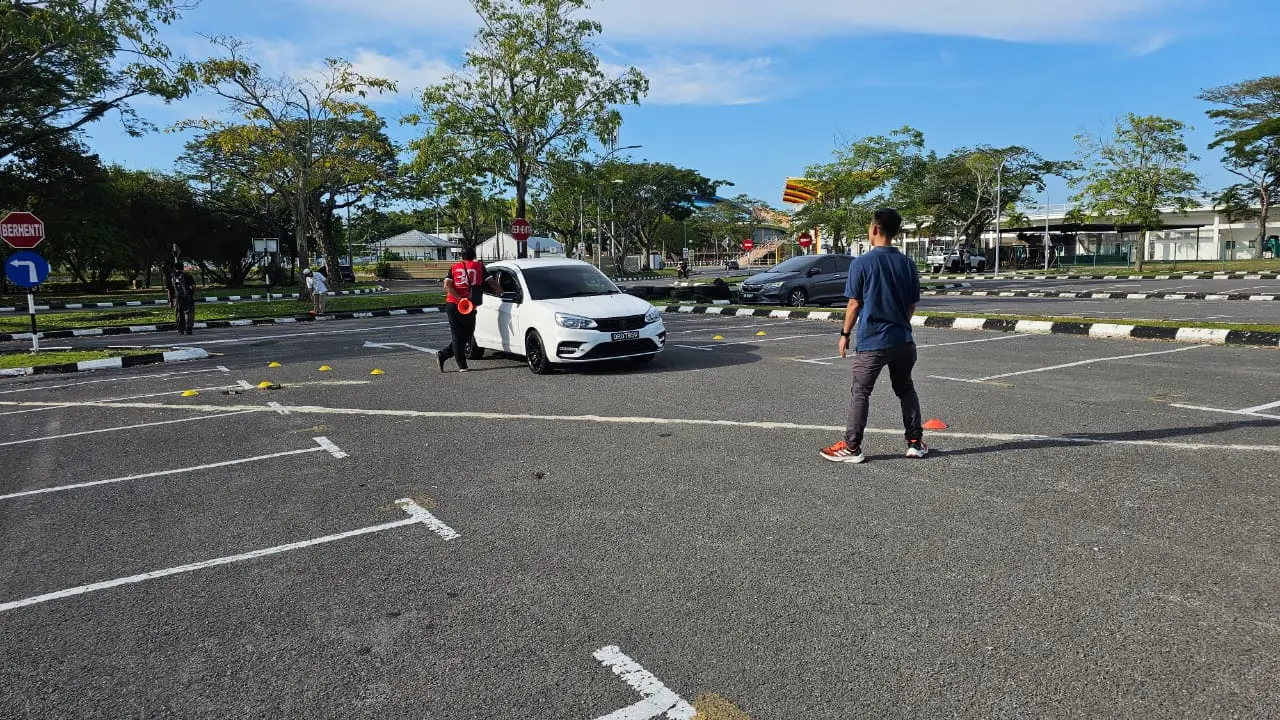
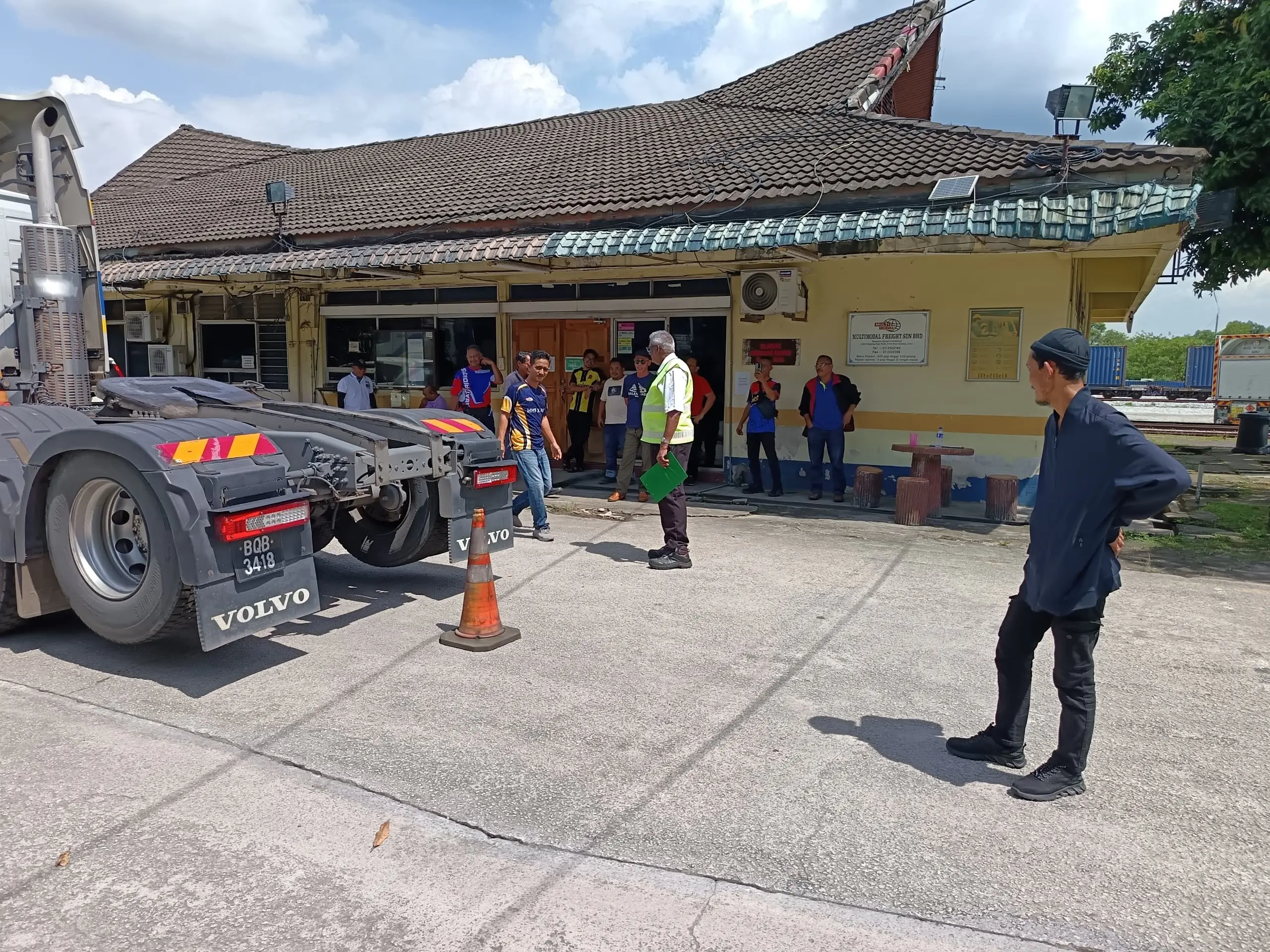
Check how the proposed location supports the exercises. A convenient company car park may not have the space, separation or access controls required. Confirm who provides vehicles, checks their readiness and approves the training area.
For moving exercises, ask about supervision, participant briefing, weather decisions, emergency arrangements and relevant insurance. If road driving is proposed, clarify the route, instructor role and conditions for stopping the activity.
Ask: “What arrangements must be in place before practical training can begin?”
Agree how the provider will evaluate the intended skills. A knowledge quiz can check understanding, while a supervised practical observation can show how a driver applies it. Clarify what is assessed, what the record means and what happens when further development is needed.
The UK HSE’s driver-training guidance highlights checking relevant experience and understanding, with site assessment where appropriate. It is a useful competence reference; its UK legal statements are not Malaysian requirements.
Ask: “Will we receive attendance records, individual observations, development needs or some combination of these?”
Compare proposals on the same basis. Confirm participant limits, vehicle provision, venue, travel, materials, assessments, reports and any follow-up. Check the arrangements for weather disruption, cancellation, replacement participants and rescheduling.
A lower headline fee may cover a different delivery format or level of individual practice. Request an itemised scope before deciding whether the proposals are comparable.
Ask: “What is included, what is optional and what must our company provide?”
If your organisation intends to seek HRD Corp support, verify the exact programme and current employer requirements before committing. HRD Corp’s programme registration guidance addresses course registration under the Claimable Course Scheme. Its employer guidelines are the appropriate place to check current application conditions.
Ask for the programme details needed by your HR team and confirm the approval process directly. Do not assume that a provider’s general registration means every course, date or cost item will be approved for your organisation.
Use the same questions when reviewing each proposal. Record unanswered items before selecting a provider.
| Area | Evidence to request |
|---|---|
| Operational fit | Outline mapped to vehicle types and priority concerns |
| Instructor suitability | Relevant experience and verifiable credentials |
| Practical participation | Individual practice time, group size and vehicle allocation |
| Delivery arrangements | Venue requirements, supervision and disruption plan |
| Assessment | Criteria, records and support for further development |
| Commercial scope | Included costs, exclusions and booking conditions |
| Follow-up | Agreed feedback and supervisor actions after training |

Decide who will review the feedback and act on it. Supervisors can reinforce specific behaviours through briefings and coaching, while operations teams address issues such as unrealistic schedules or unresolved defects.
Agree proportionate follow-up measures. These might include completed coaching actions or observations against the original learning objectives. Incident totals alone cannot establish a training effect: changes in mileage, routes and reporting can affect the figures.
Keep the distinction between individual development and wider operational controls clear. A driver may understand the expected behaviour but still need better route information or a workable escalation process to apply it.
ADHINS’s defensive driving for drivers offering combines classroom learning with practical application, with formats discussed according to client requirements. Share the vehicle types, participant profile, preferred location and priority concerns so the proposed programme can be reviewed against your needs.
Contact ADHINS to discuss defensive driving training for your fleet and confirm the scope, practical arrangements and deliverables before booking.
The appropriate duration depends on the objectives, participant numbers and practical requirements. Compare what each driver will learn and practise rather than relying on the number of course days alone.
Discuss this with the provider. The site must be suitable for the planned activities, with the necessary space, access control and supervision. Confirm suitability before fixing the delivery plan.
Do not assume so. Ask whether the course includes individual driving, observation, assessment and written feedback, and confirm these in the proposal.
No. Check what the certificate records and which activities were assessed. Additional vehicles, equipment or assignments may require further instruction and evaluation.









©2026 ADHINS Management Sdn Bhd. All Rights Reserved.