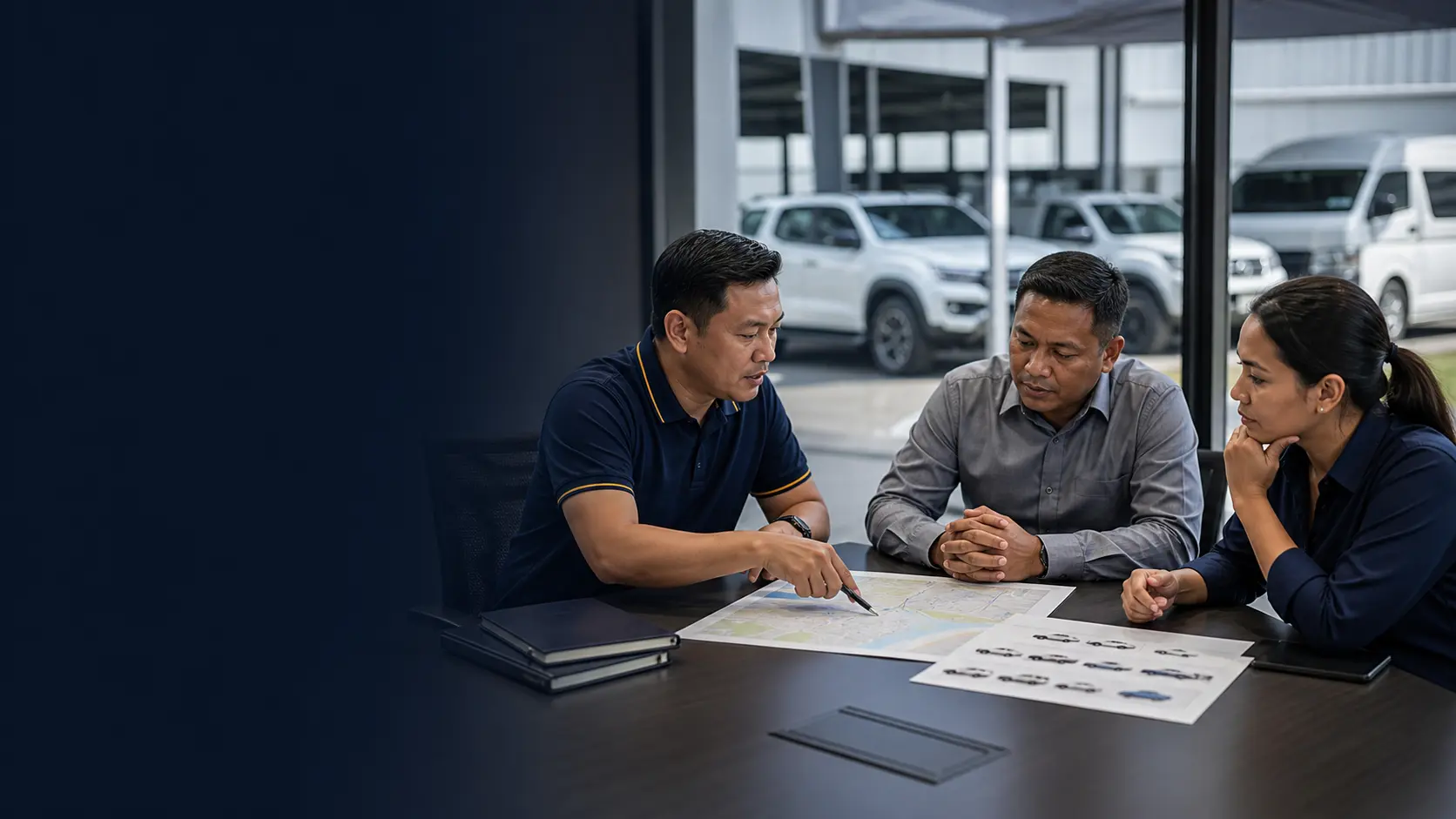
A road transport safety consultation should do more than produce a list of generic recommendations. It should help an organisation understand how work is actually planned and carried out, identify where risks and controls may not align, and agree practical priorities for improvement.
For companies managing fleet vehicles, work journeys or contracted transport, the right consultation brings together people, vehicles, routes, information and leadership decisions. The focus is not to make an operation look good on paper; it is to build clearer, workable controls around real transport activity.
This guide outlines what a consultation may involve, what your team can prepare and how to turn findings into action. It supports the broader road transport consultation service conversation and does not provide legal advice or certify compliance.
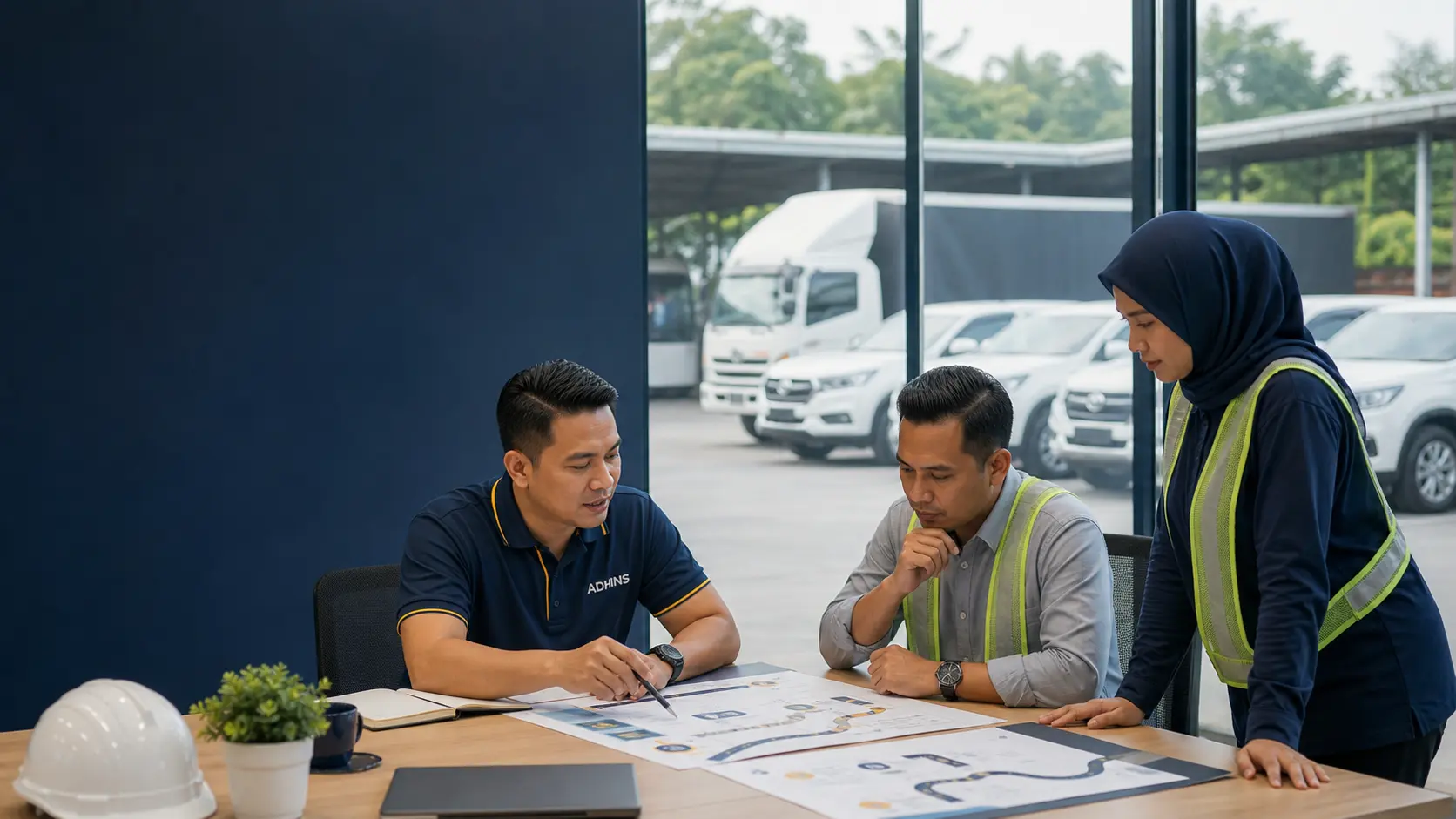
The first stage is usually a structured discovery discussion. The consultant needs to understand the operating context before recommending a solution. This may include the types of vehicles used, where journeys happen, who drives, how routes are planned, what information is already available and which concerns prompted the review.
Expect questions about the practical decisions behind the work:
This discovery prevents a one-size-fits-all solution. A small field-service fleet, a regional sales operation and a logistics-heavy business may all use the road for work, but their risks, controls and priorities can be different.
The agreed scope should be clear from the beginning. Depending on the organisation’s needs, a consultant may review selected areas rather than every part of the transport system. The purpose is to focus effort where it can be most useful.
This can include driver authorisation, role expectations, familiarisation, training needs, coaching, fatigue or distraction controls, and how supervisors reinforce safe decisions. The review should consider whether expectations are practical for the people doing the work.
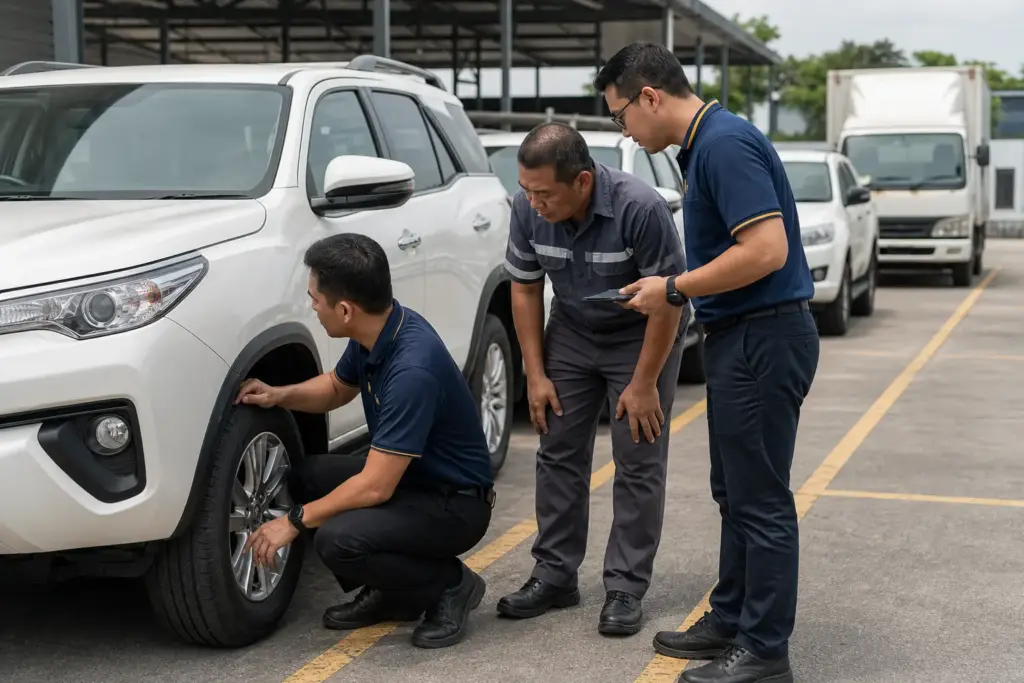
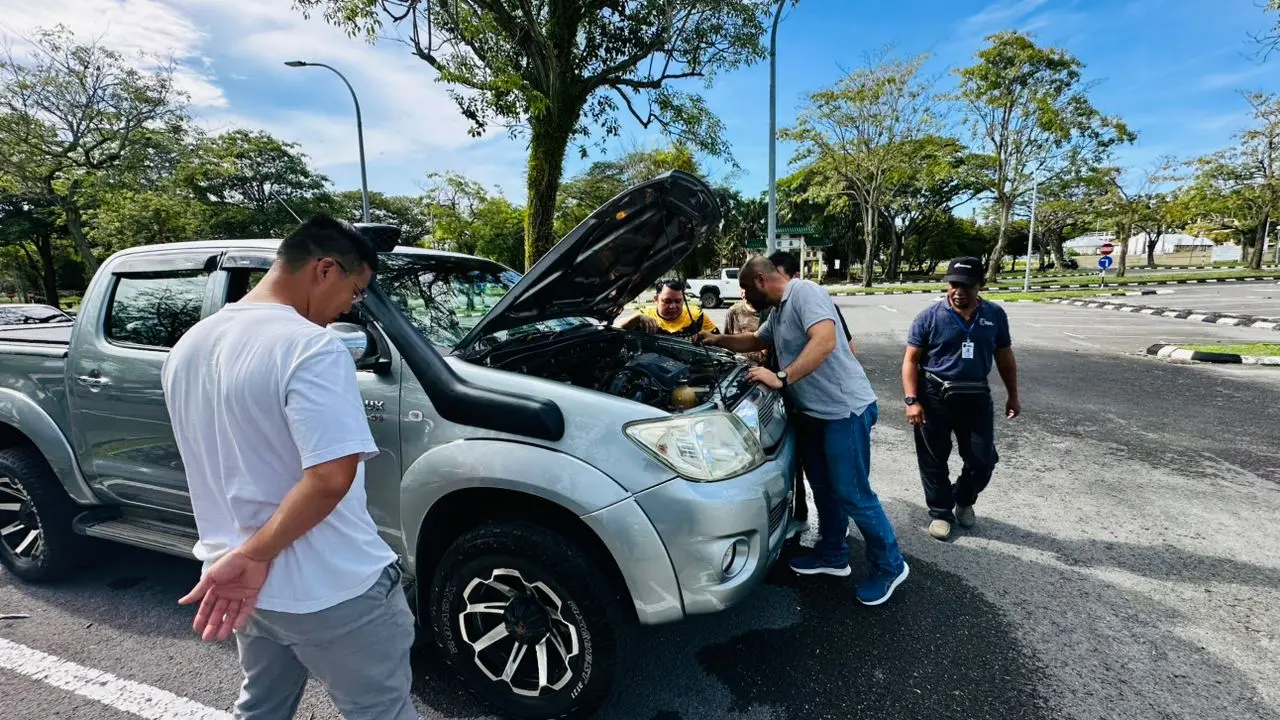
A review may look at pre-use checks, defect reporting, inspection practices, maintenance planning and who decides whether a vehicle can remain in service. The question is not only whether a process exists, but whether drivers and managers know how to use it when a real issue occurs.
Journey planning, routing, workload, delivery windows, weather response and escalation paths all influence driving risk. A consultation can help identify where scheduling or operational decisions unintentionally reduce a driver’s ability to make safe choices.
If the organisation uses fleet tracking, telematics or other reporting tools, the consultation may consider how this information is interpreted and acted on. Data is valuable when it helps a manager identify a pattern, ask the right question and follow through with a proportionate action—not when it becomes a dashboard no one owns.
The consultant may review whether relevant policies and procedures are understood, current and connected to daily work. This can include how responsibilities are allocated across leadership, operations, supervisors, drivers, contractors and maintenance providers. The final policy or legal review remains the organisation’s responsibility unless a different scope is expressly agreed.
You do not need perfect documentation to start a consultation. In fact, gaps can be part of what the review identifies. However, sharing a practical baseline helps the conversation move quickly from assumption to evidence.
Where available, prepare:
Be open about what is unclear or difficult to implement. A consultation is more useful when teams can discuss real constraints, including workload, leadership priorities, hand-offs and system limitations.
After discovery and any agreed review activity, expect a conversation about findings. Good findings distinguish between what is observed, why it matters and what a realistic next step could be. They should not be a long undifferentiated list of issues.
An improvement plan may group actions by priority, owner, dependency and intended outcome. It can include quick operational improvements alongside longer-term work such as revising a policy, strengthening a driver-development plan, improving fleet data use or clarifying escalation processes.

Not every improvement needs to happen at once. Address material risks and weak controls first, then build a realistic sequence for the remaining work. A small number of owned actions that teams can apply is often more valuable than a large report that is never revisited.
Before the engagement closes, agree how your organisation will track implementation. This may involve an action register, management review, supervisor check-in, data review or a follow-up consultation. The method should fit the size of the operation and the complexity of the changes.
A consultation can provide perspective, structure and practical recommendations, but it does not automatically make an organisation compliant or remove management responsibility. Your business still needs to make decisions, provide resources, implement controls and confirm that any applicable legal or contractual requirements are addressed appropriately.
It also does not replace driver development. Where a capability need is identified, consider how it connects with practical road transport training, supervisor support and ongoing fleet-management controls.
An effective road transport safety consultation should leave your team with a clearer picture of the current operation, prioritised actions and a more credible route to implementation. The value comes from the quality of the questions, the relevance of the evidence and the follow-through after the review.
It depends on the agreed scope, number of locations, vehicle types, stakeholders, available information and whether site observation or data review is included. Confirm the timetable and deliverables during the initial discussion rather than assuming a standard duration.
The review may cover people and driver capability, vehicle readiness, journey planning, incidents and reporting, policies, responsibilities, contractor arrangements and fleet or IVMS information. The final selection should match your organisation’s risks and priorities.
No consultation can make that promise. It can identify improvement opportunities and support a structured response, while the organisation remains responsible for meeting the obligations that apply to its operations.
No. Existing reports can be helpful, but a consultation can also identify what information is missing and what measures would be useful. Bring the evidence you have and be clear about its limitations.




©2026 ADHINS Management Sdn Bhd. All Rights Reserved.