

A safe following distance gives a driver time to see, decide and respond without sudden braking or steering. It is not a fixed stretch of road that works in every situation. The right space changes with speed, grip, visibility, vehicle condition, load, traffic behaviour and the driver’s ability to see what is developing ahead.
For fleet drivers, this space is a practical safety control. It creates more options when another vehicle brakes, a motorcycle changes lane, rain reduces grip or traffic compresses unexpectedly. It also supports smoother driving and reduces the pressure to react at the last moment.
This guide explains how to judge and adjust following space across common road conditions. It supports—not replaces—your organisation’s wider road transport safety controls, journey-planning process and driver training.
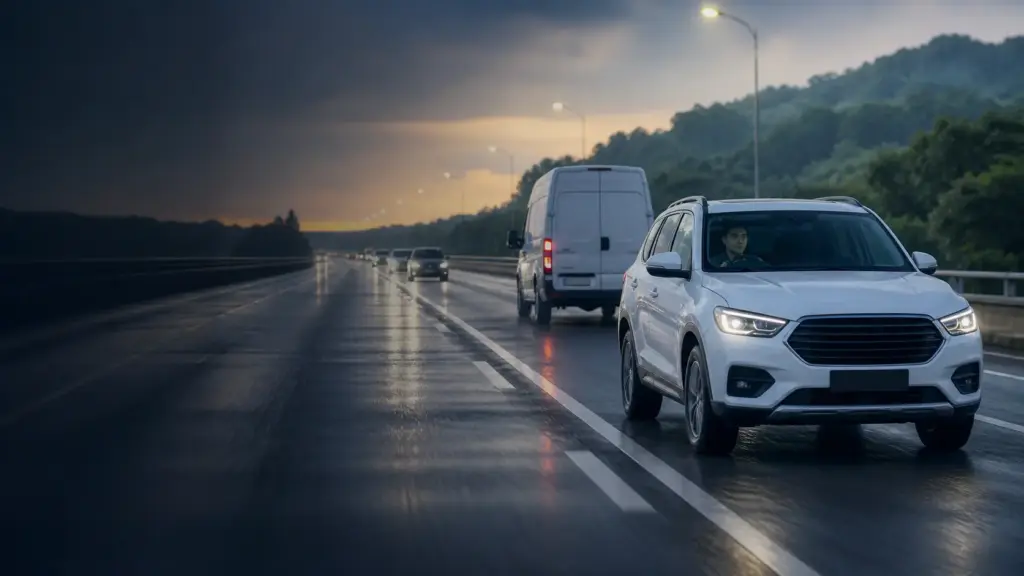
Distance alone does not describe risk. At a higher speed, the road passes beneath the vehicle more quickly. On a wet surface, braking response and tyre grip may be different. When a large vehicle blocks the view ahead, a driver has less information and needs more room to respond.
Time is often a more useful way to think about the gap. Choose a fixed point on the road and observe when the vehicle ahead passes it; then assess whether your vehicle reaches that same point only after a sensible time buffer. The exact method taught or required by your organisation should be consistent with its vehicles, routes and procedures. The key habit is to increase the buffer whenever conditions reduce time, grip or visibility.
Before deciding whether the gap is adequate, scan beyond the vehicle directly ahead. Look for traffic compression, brake lights several vehicles ahead, junctions, pedestrian activity, standing water, road works, large vehicles, curves and changes in light. A following gap should give you room to act on this information smoothly.
Also check your own readiness. Tyres, brakes, wipers, lights, load condition and fatigue all affect the margin available to a driver. If the vehicle or driver is not ready, simply adding a little space is not a complete control.
Rain can reduce visibility and grip while making brake lights, lane markings and surface changes harder to read. Increase the gap early, reduce speed smoothly and avoid assuming that the vehicle ahead will respond in the same way as yours. If spray, standing water or heavy rain affects visibility, create even more space or pause the journey when conditions cannot be managed safely.
Do not wait until traffic is already braking. A wider gap lets you ease off the accelerator and maintain control, rather than relying on a late, hard brake on a reduced-grip surface.
When visibility reduces, the distance at which a driver can identify a hazard may shorten. Use lights appropriately, slow down to a speed that matches what you can actually see and extend the space ahead. If you cannot see far enough to make a calm, informed response, the current speed and following gap are not suitable for the conditions.
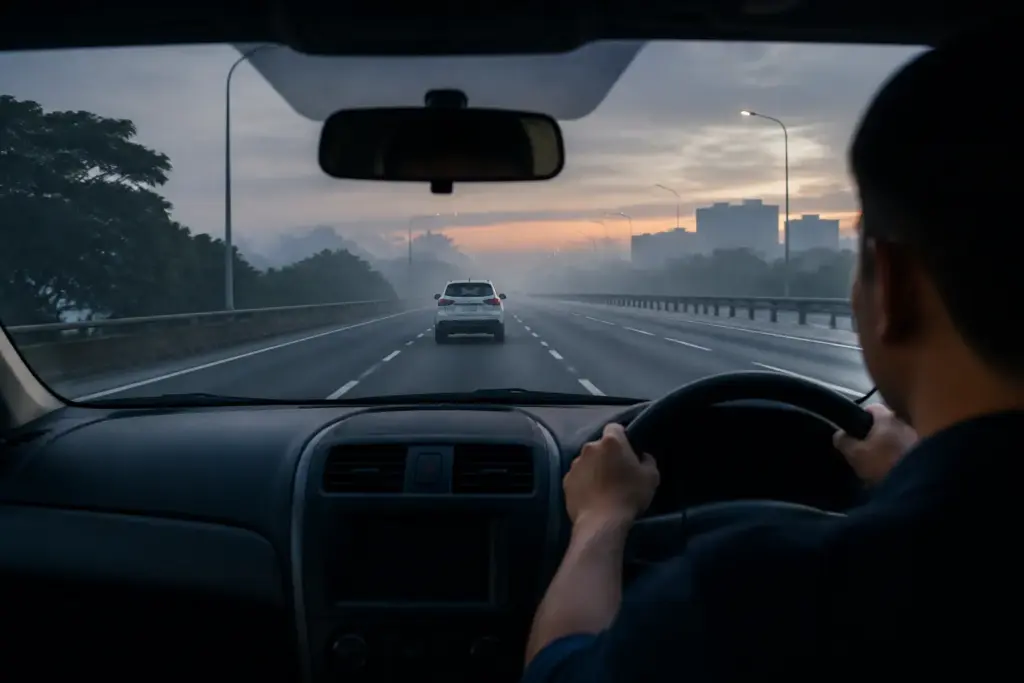
Dense traffic can tempt drivers to close the gap to prevent another vehicle from entering the lane. That removes the room needed for a controlled response. Keep a buffer, continue looking well ahead and expect traffic to change pace. If another vehicle moves into the space, rebuild the buffer gradually instead of responding with abrupt braking, acceleration or aggressive positioning.
A truck, bus or covered load can limit your view of road conditions, braking lights and hazards ahead. Leave enough room to see around it where possible and to respond to its movement. Extra space can also reduce exposure to spray, debris or sudden changes in speed.
On a bend or over a crest, the driver may not be able to see the full route ahead. At junctions and work areas, other road users may stop, merge, turn or move unpredictably. Reduce speed before the restricted-view area and increase space from the vehicle ahead so you are not committed to a late reaction.
A loaded vehicle or one carrying passengers may need a different driving approach from an empty passenger vehicle. The driver should understand the vehicle’s handling characteristics, follow company loading and vehicle procedures, and increase the margin when the load, vehicle size or task reduces stopping or manoeuvring options.
A shrinking gap does not always mean a driver should brake sharply. Often the safer first response is to ease off early, scan for an escape option and let the vehicle settle into a larger buffer. Smooth action gives drivers behind you clearer cues and reduces unnecessary chain braking.
Use a simple decision sequence:
This is defensive driving space management: using observation and controlled inputs before the situation becomes urgent. It should be reinforced through practical coaching, not reduced to a single instruction that ignores different vehicles and operating conditions.

Following distance is not a driver-only issue. Dispatch times, route choices, vehicle maintenance, load planning and supervisor response can either protect or erode a driver’s available margin. A driver who is pressured to recover lost time may be more likely to accept an unsafe gap.
Fleet managers can support safer behaviour by:
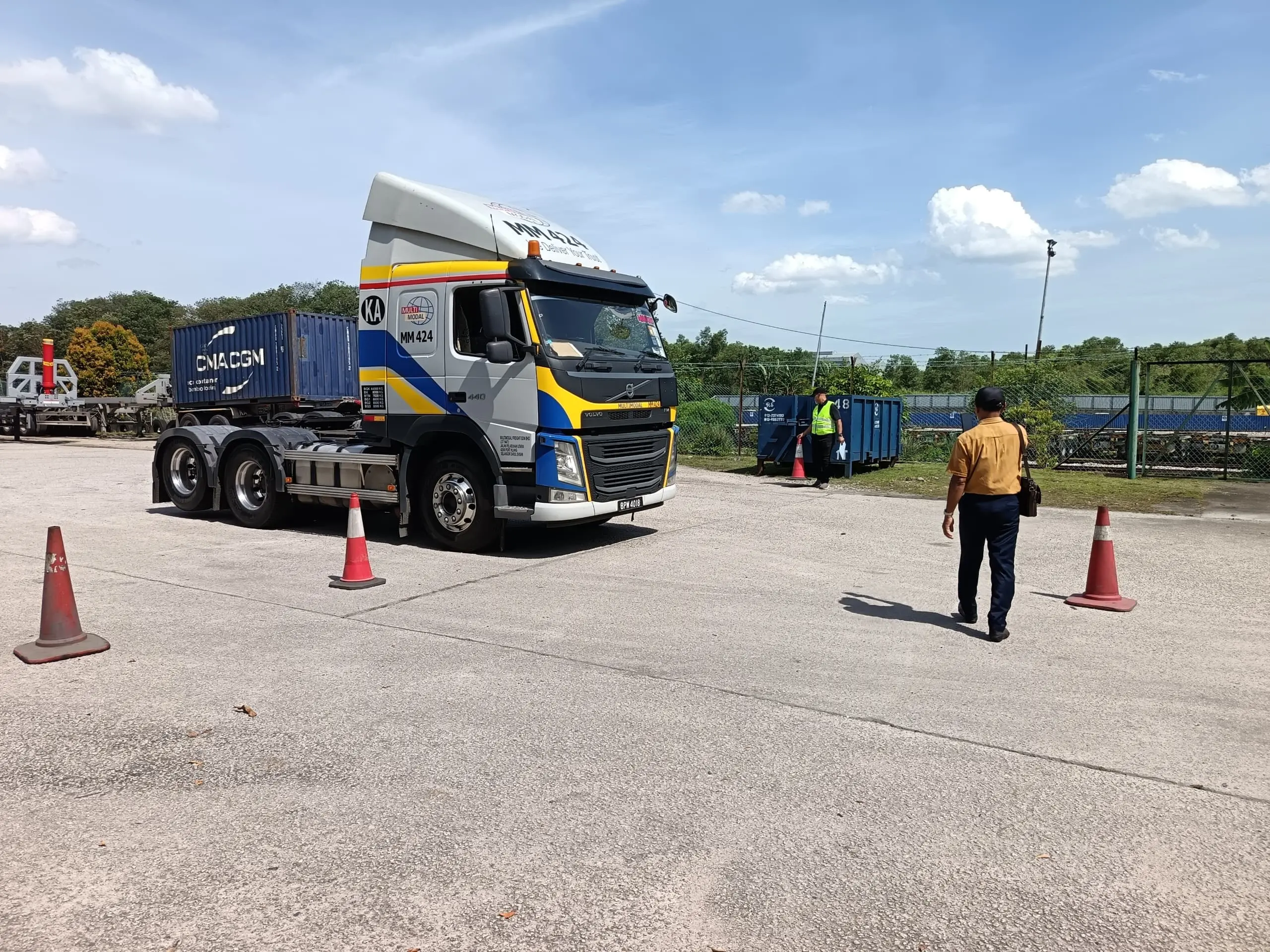
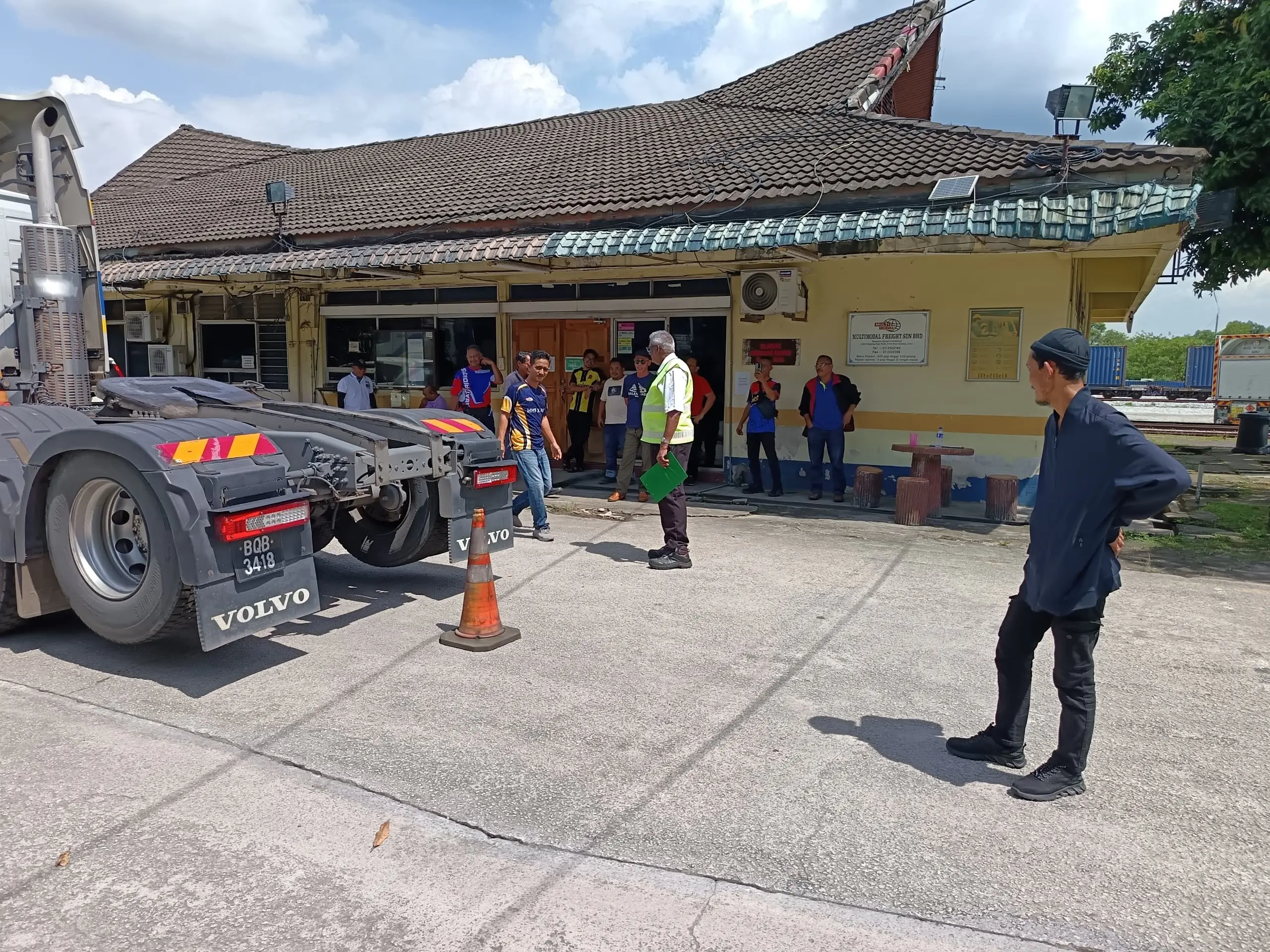
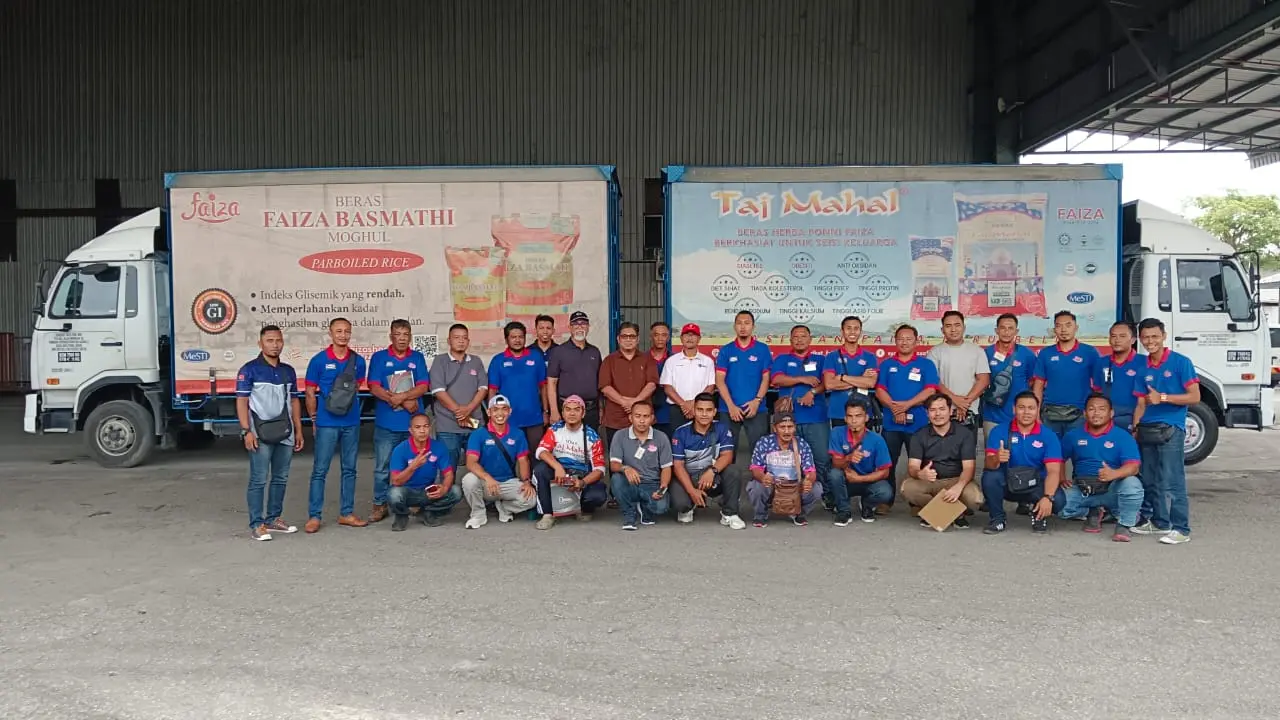
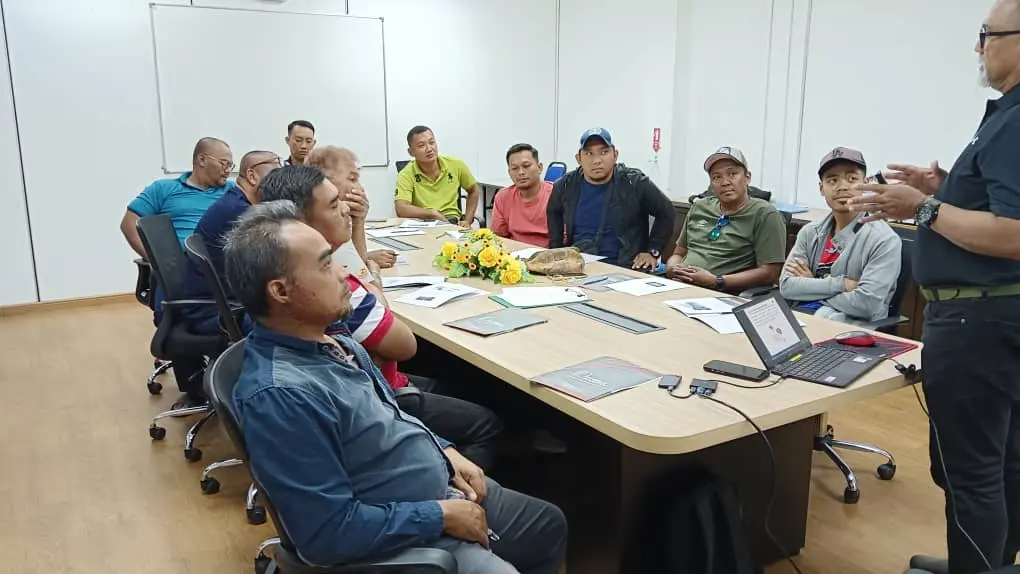
ADHINS provides defensive driving for drivers that can be discussed in relation to vehicle type, driver role, location and operational requirements. It is designed to strengthen hazard awareness, judgement and safer real-road decisions.
A safe following distance is a moving safety margin. It expands when conditions become less predictable and is rebuilt calmly whenever traffic closes the space. When drivers, supervisors and planners treat that margin as an operational priority, they create more opportunities to avoid last-minute decisions.
Speed, road grip, visibility, traffic flow, vehicle condition, load, road layout and the behaviour of the vehicle ahead can all change the space a driver needs. Increase the margin when any of these factors reduces the time or control available.
Yes. Rain can reduce visibility and grip, so drivers should slow down smoothly and create a larger buffer. The safer response is to adapt early rather than wait for heavy braking or a sudden hazard.
Stay calm, avoid aggressive responses and rebuild the space progressively by easing off and scanning ahead. The goal is to restore time and options, not to defend a fixed position in traffic.
No. Training is most effective alongside vehicle-readiness checks, realistic journey planning, supervisor support, clear reporting and wider road transport safety controls.








©2026 ADHINS Management Sdn Bhd. All Rights Reserved.