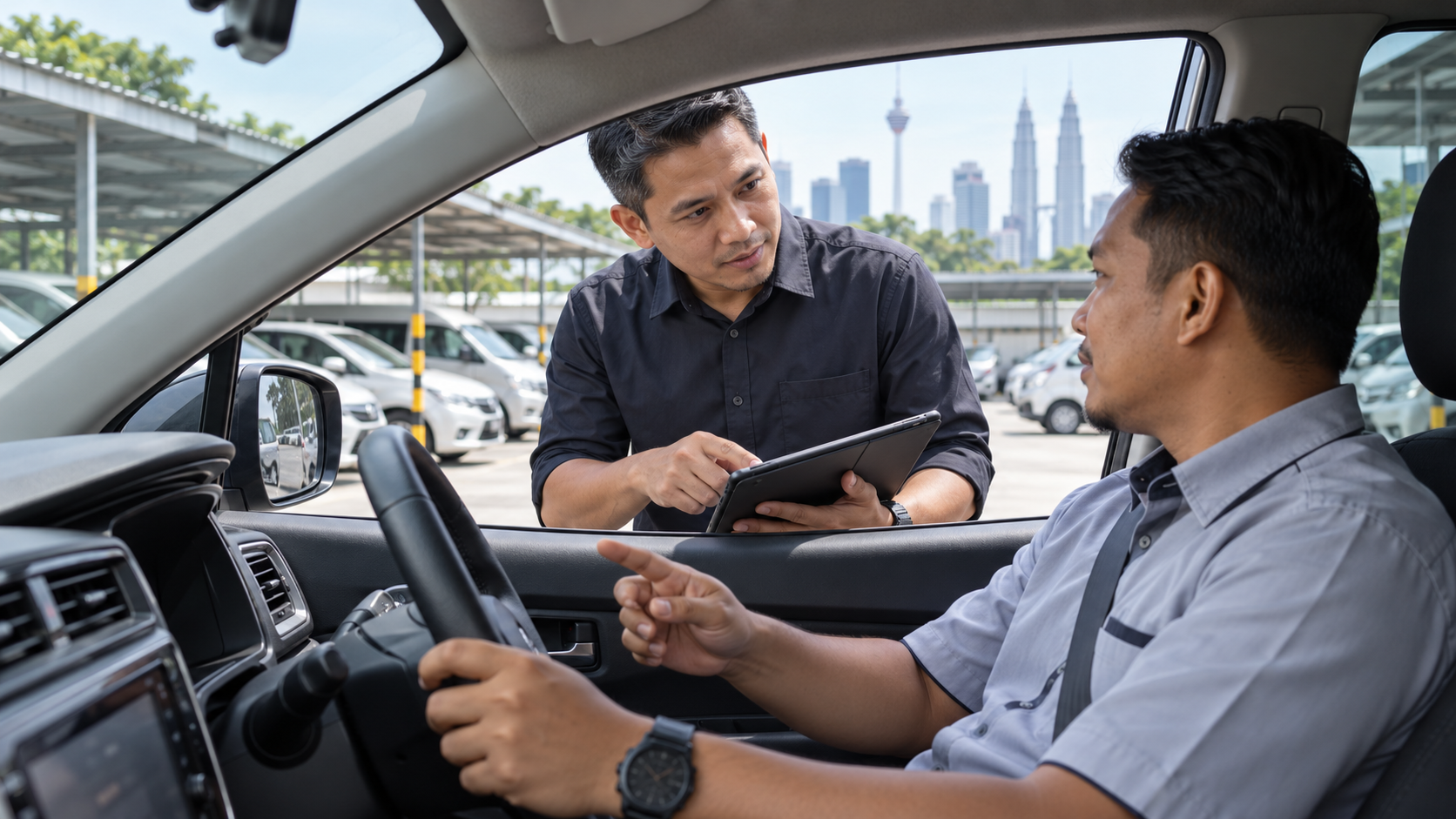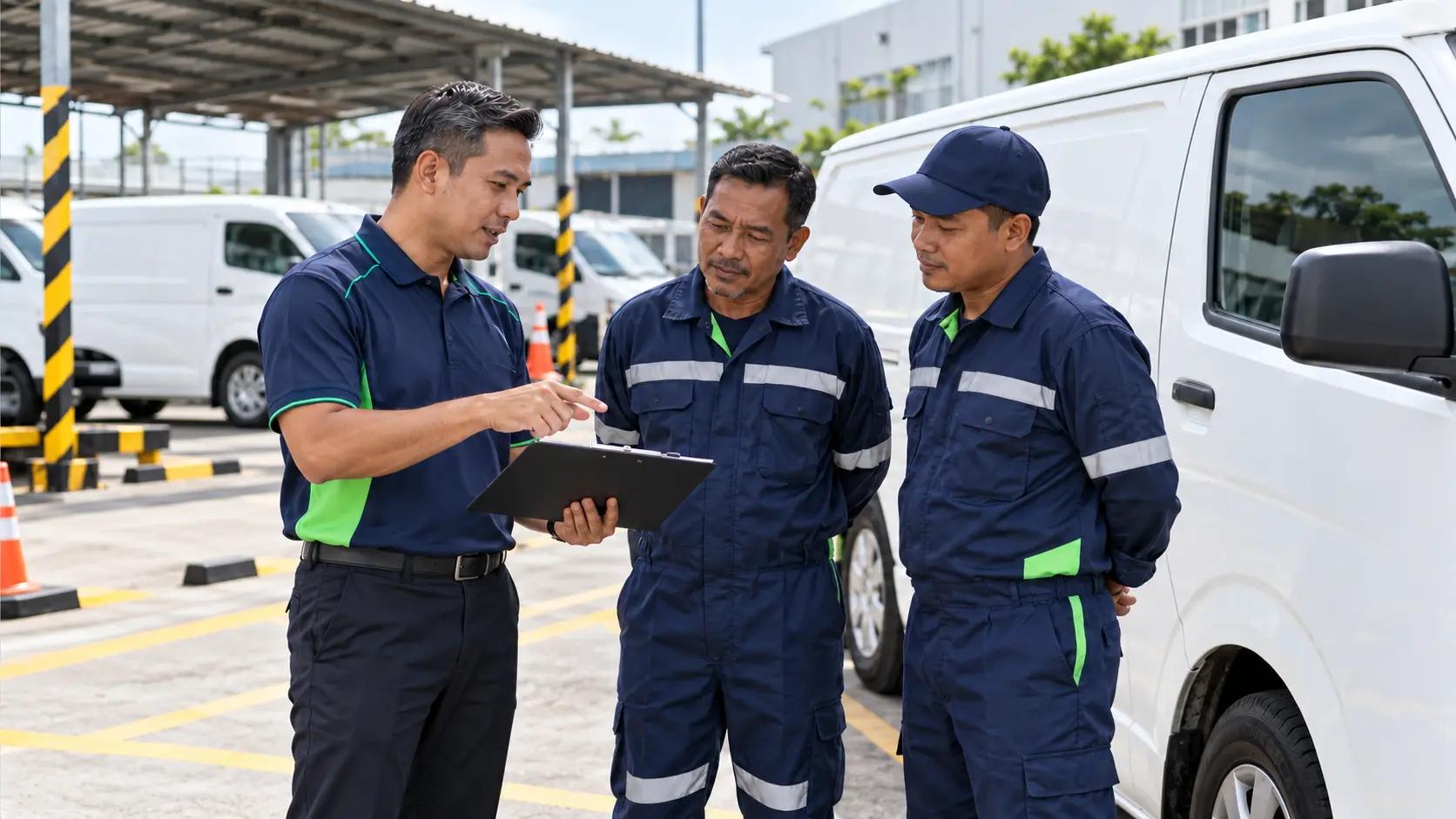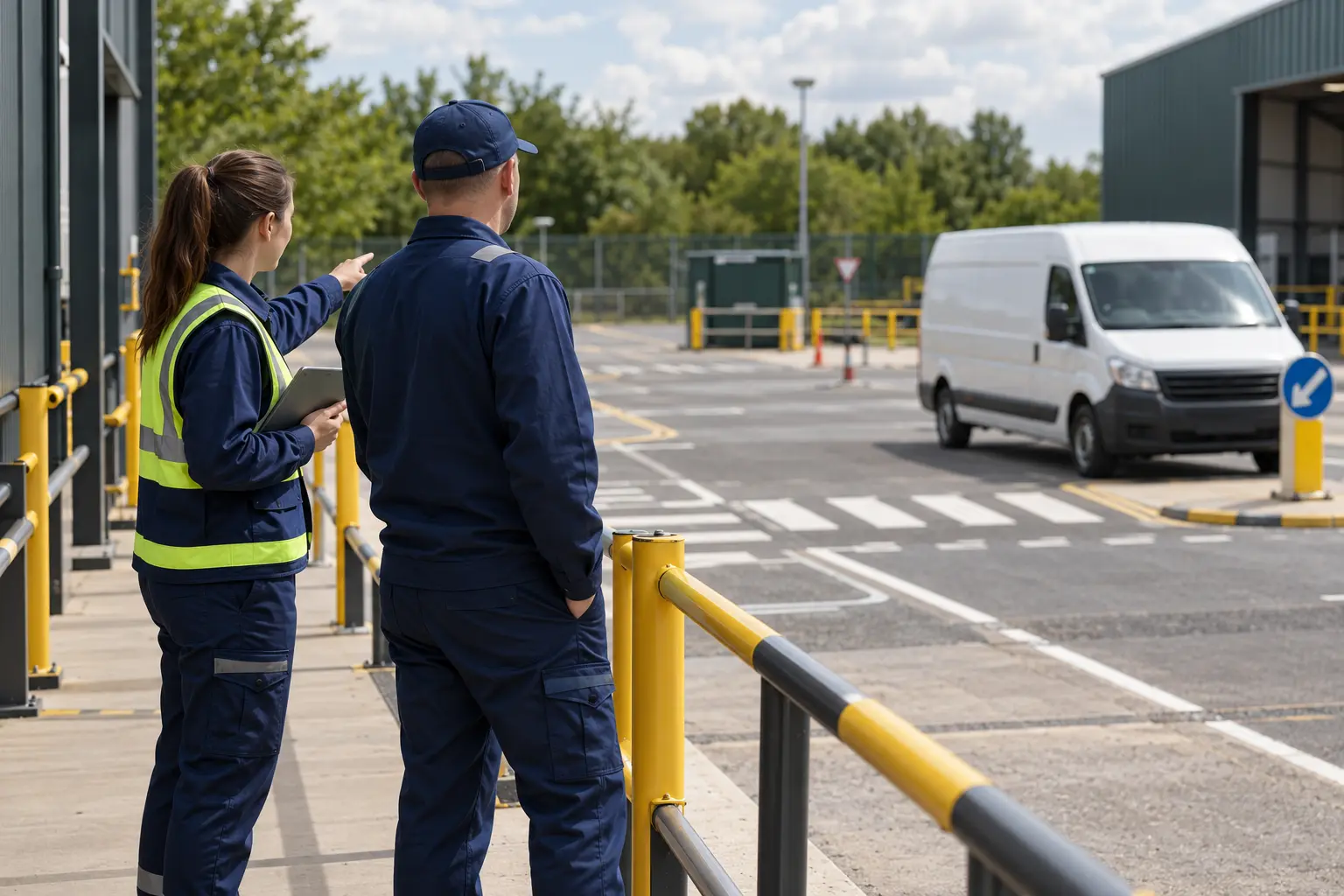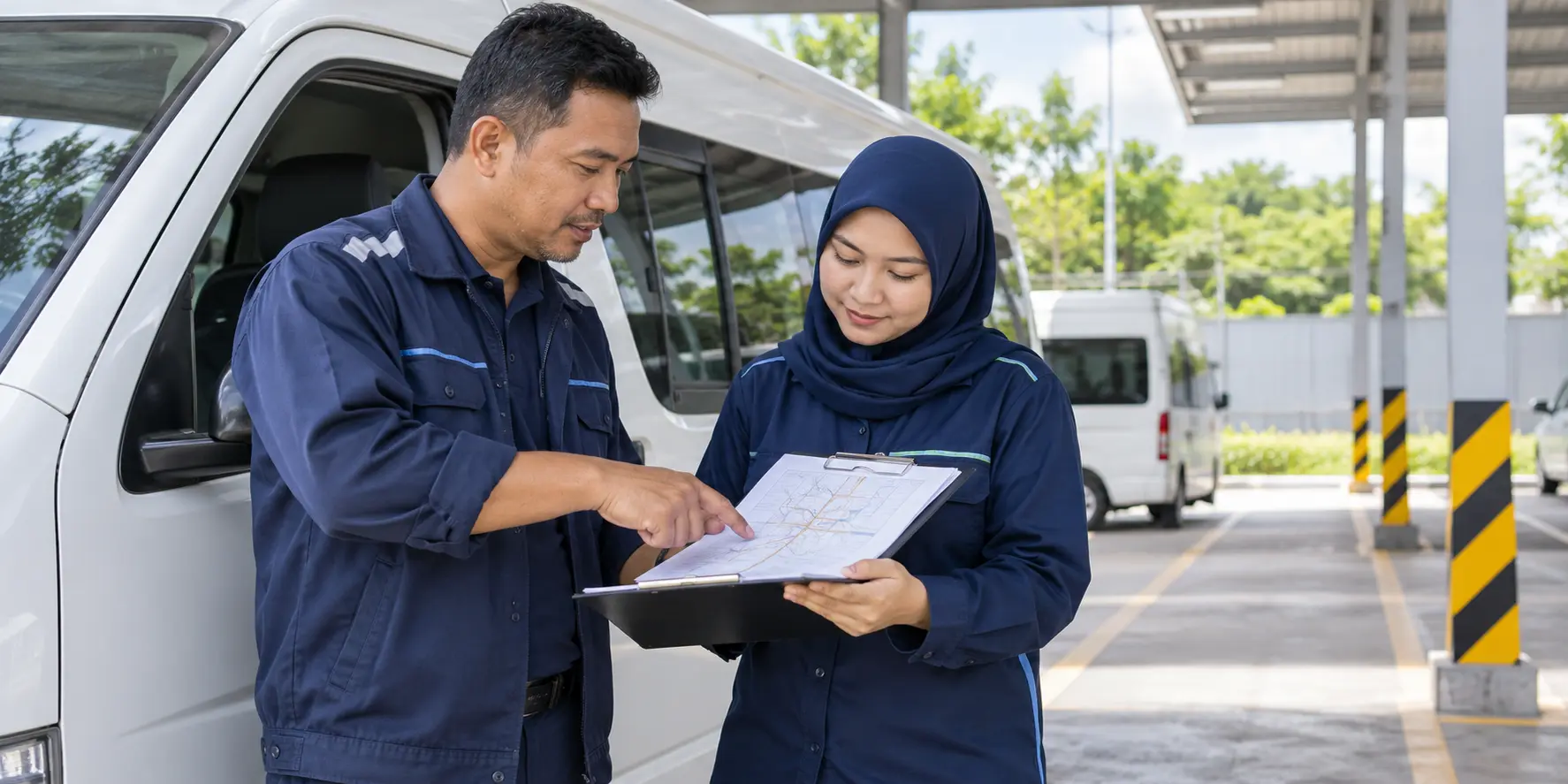
Company drivers make decisions in changing traffic, unfamiliar locations and work schedules shaped by operational demands. Defensive driving training can help them practise how to notice developing hazards, manage time and space, and choose a controlled response. For an employer, the value is strongest when learning is connected to the routes, vehicles and work arrangements drivers actually face.
Training is one part of road-risk management. It does not replace suitable vehicles, realistic journey planning, clear reporting routes or supervisor support, and it cannot guarantee that incidents will not occur. This guide shows fleet and safety managers how to connect a course with practical decisions before, during and after training.
Table of Contents

1. Start with the driving work, not a generic course list
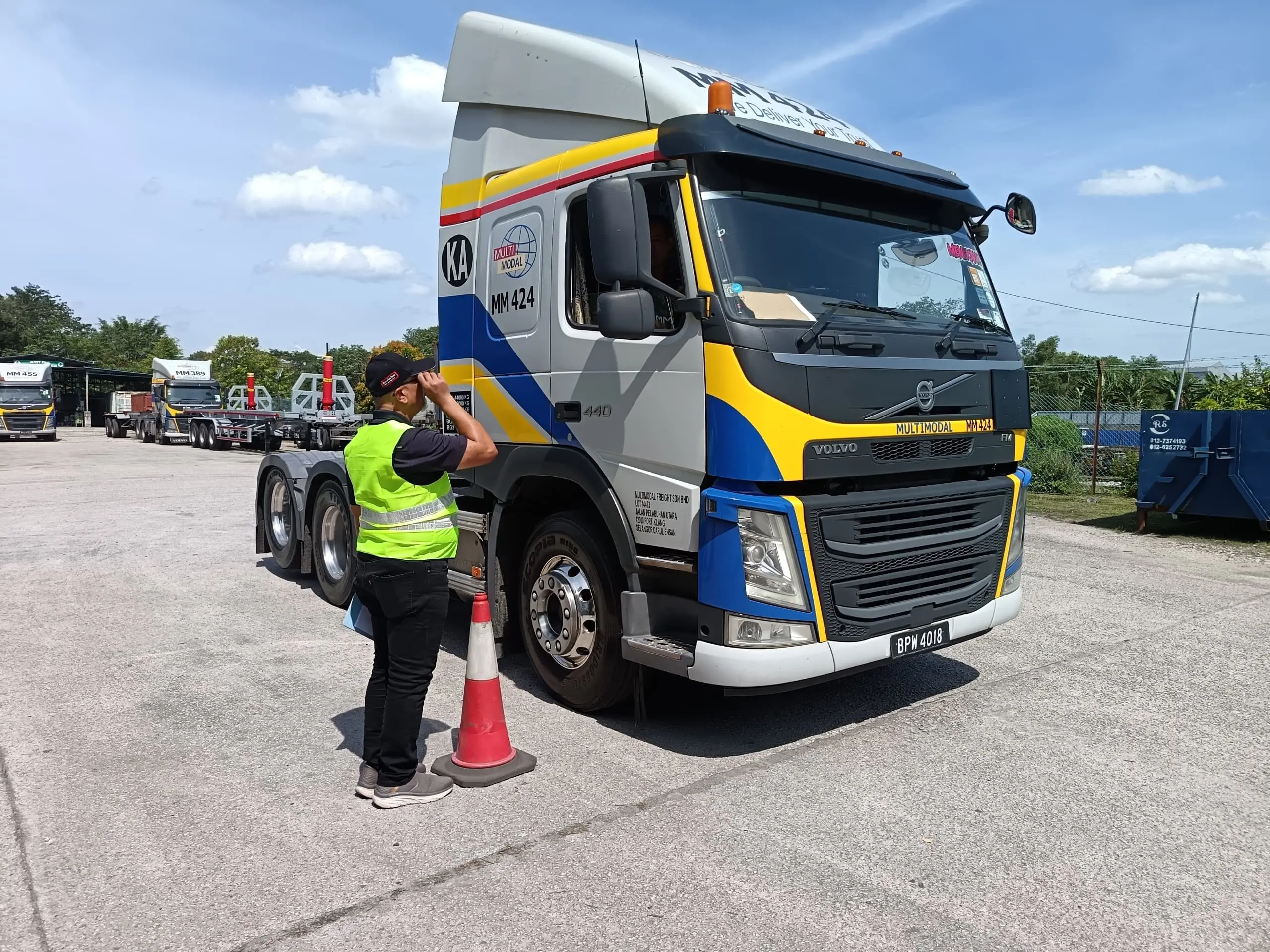
Before choosing a programme, describe the driving your employees do. Consider vehicle types, routes, customer or work sites, journey timing, driver experience and the situations that require judgement. A company-car user visiting clients may face different practical scenarios from a van delivery team or a heavy-vehicle operation.
For company drivers, defensive driving training is most relevant when it reflects the choices they make on real work journeys.
Use appropriate evidence to identify learning needs: driver and supervisor feedback, authorised observations, vehicle familiarisation concerns, near-miss themes and relevant operational information. Review the context behind an event or alert before concluding that it proves a driver lacks skill. The purpose is to define a useful learning need, not to label people.
Defensive driving training should reflect those identified needs, not assume that every driver group faces the same risks.
2. Set observable outcomes for defensive driving training
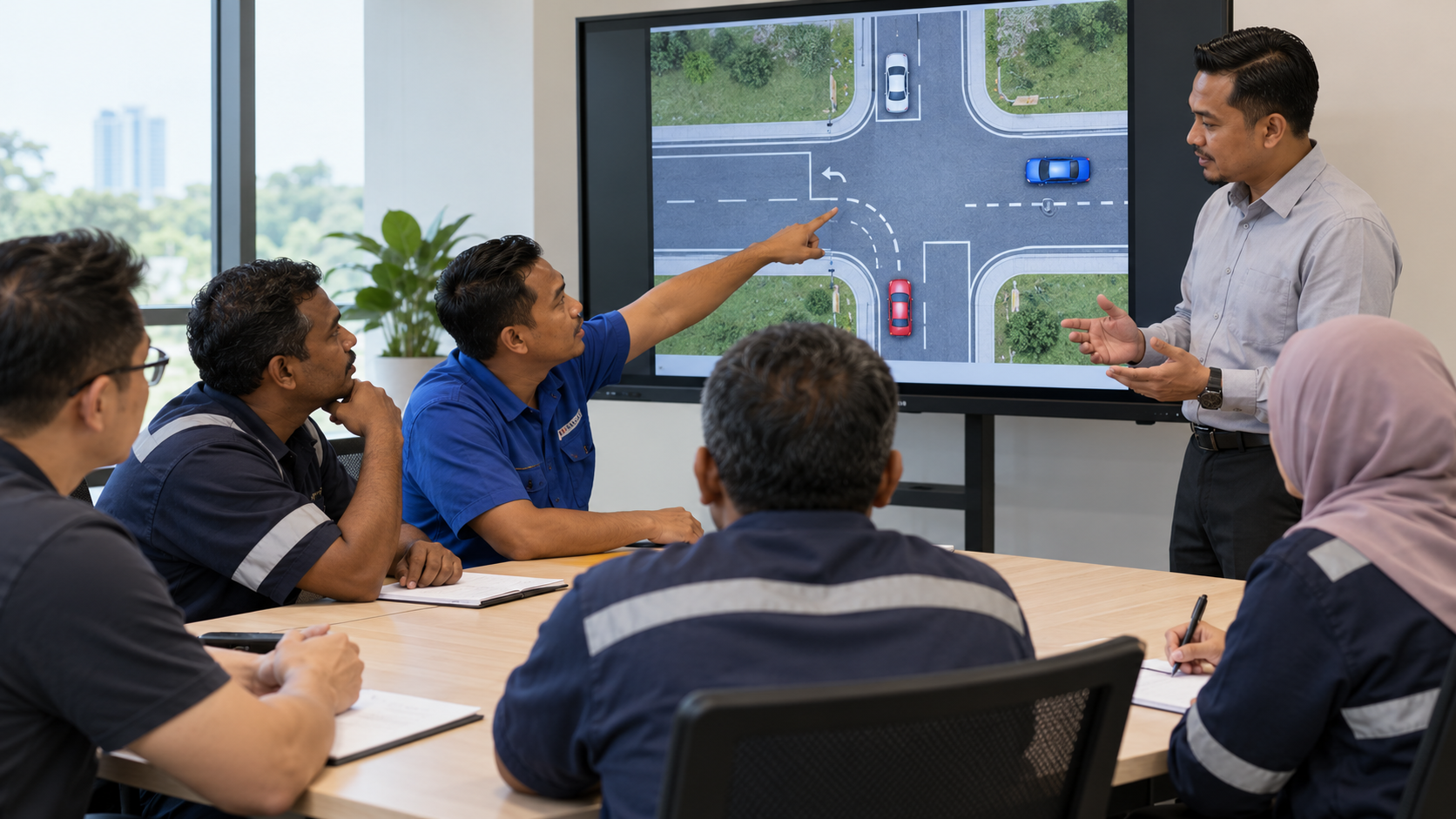
“Drive more safely” is difficult to teach and review. Translate the need into a small number of actions that can be discussed or practised. Depending on the role and vehicle, outcomes might include:
- Scanning ahead and recognising a developing hazard early.
- Choosing speed and following space that reflect visibility, traffic, road surface, vehicle and load.
- Checking mirrors and surroundings before a manoeuvre, while following the vehicle’s and site’s procedures.
- Preparing navigation before departure and managing messages only when stopped safely.
- Explaining when a changing condition means the journey should pause or be reassessed through the company’s process.
Agree which outcomes matter most for the participating driver group. A focused set is easier to practise and reinforce than a long list that treats every risk as equally relevant.
3. Make practice reflect the vehicles and routes
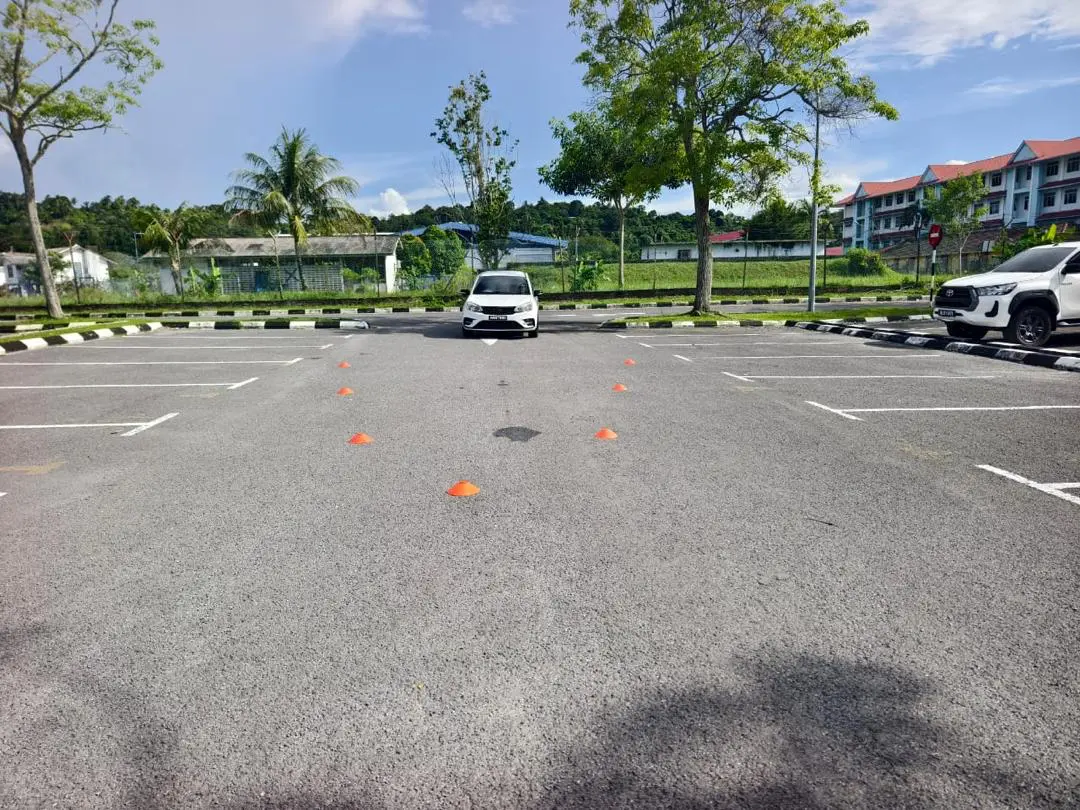
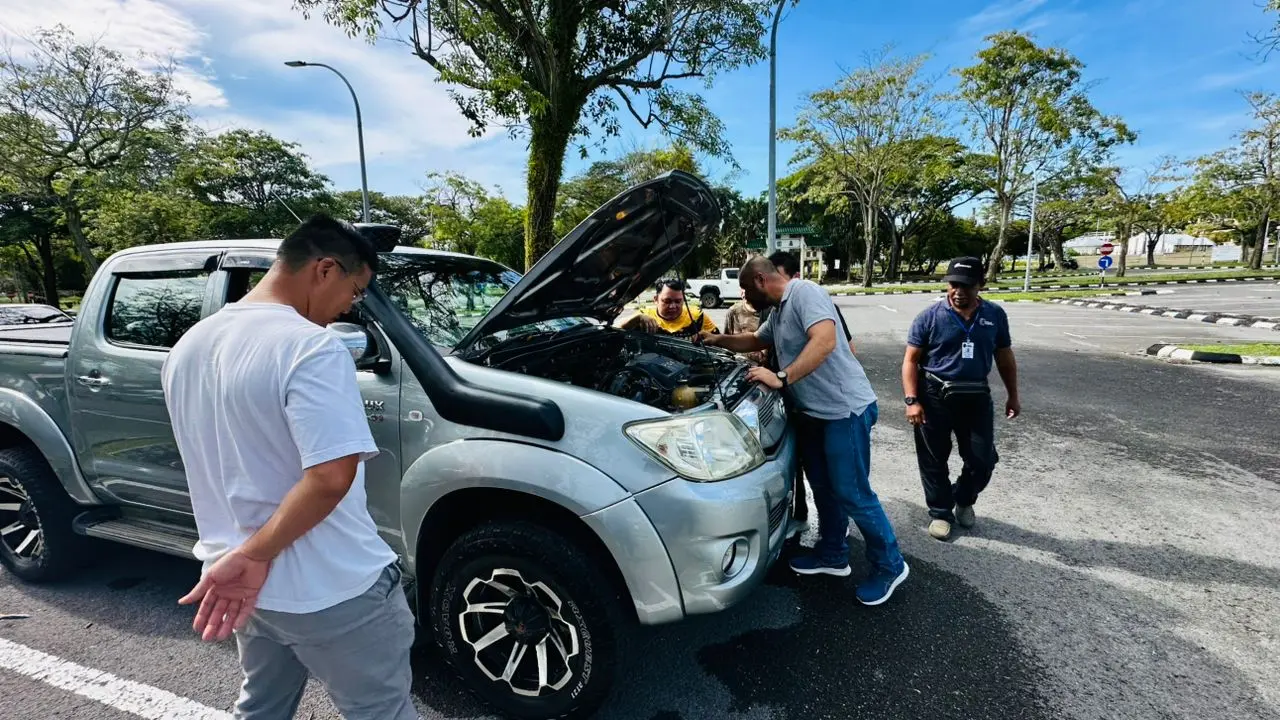
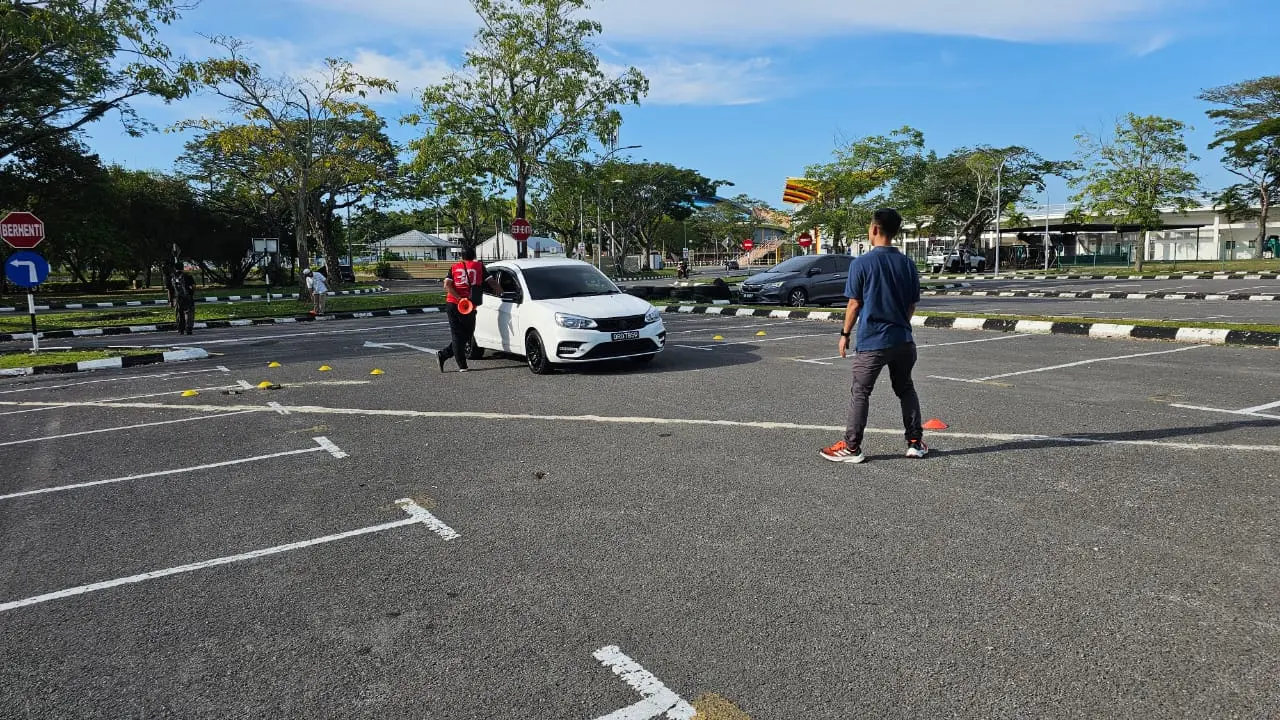
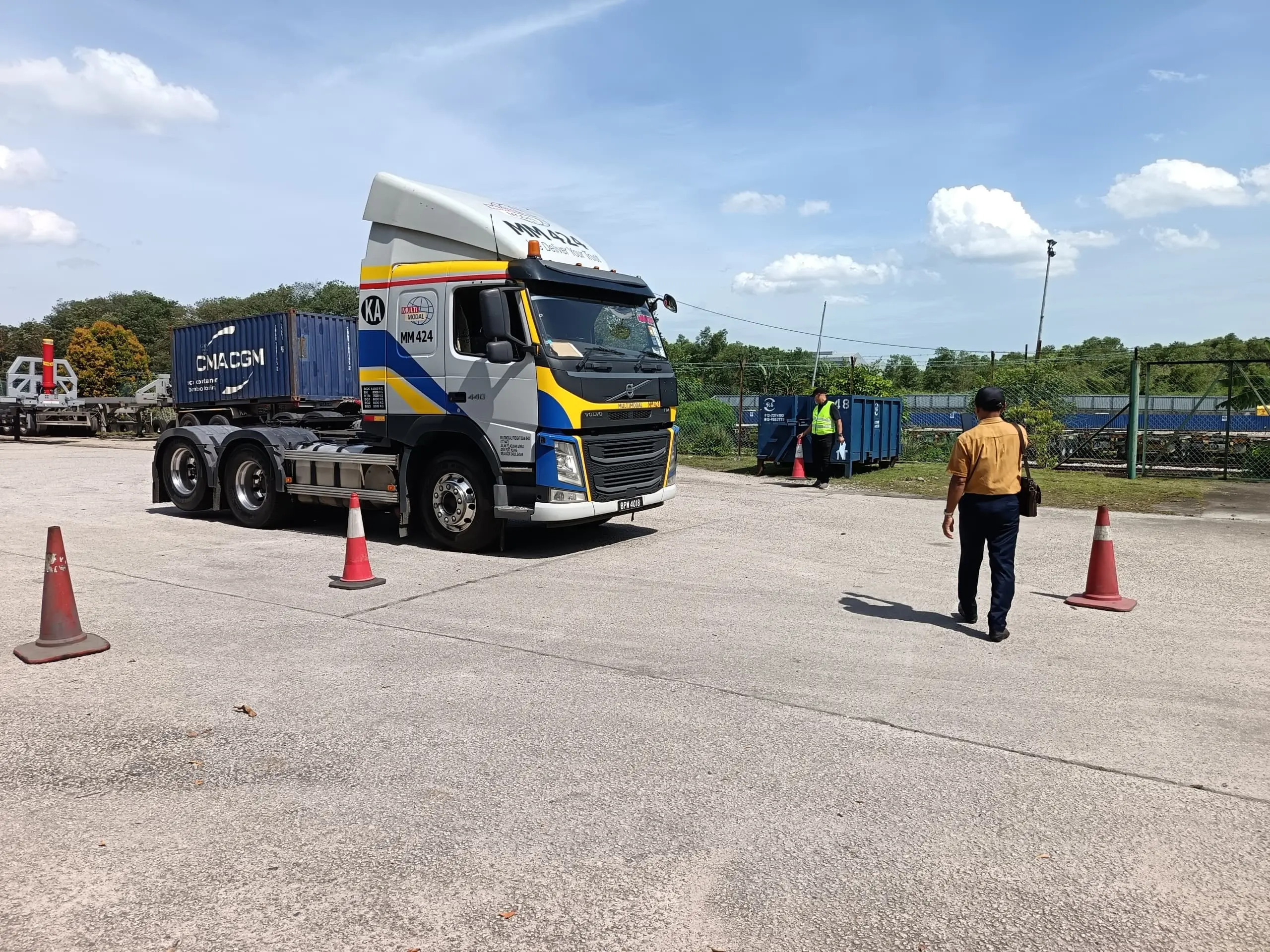
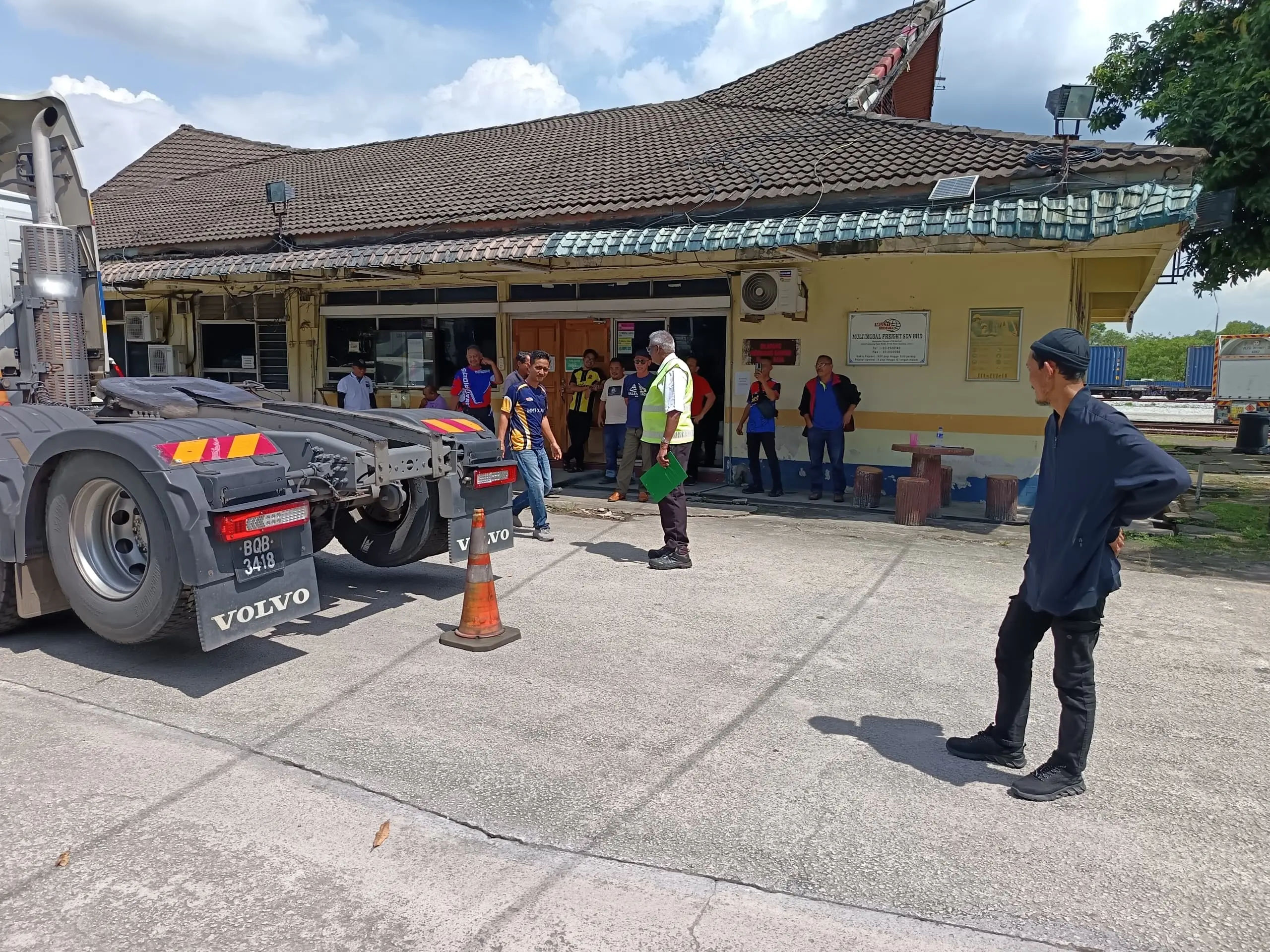
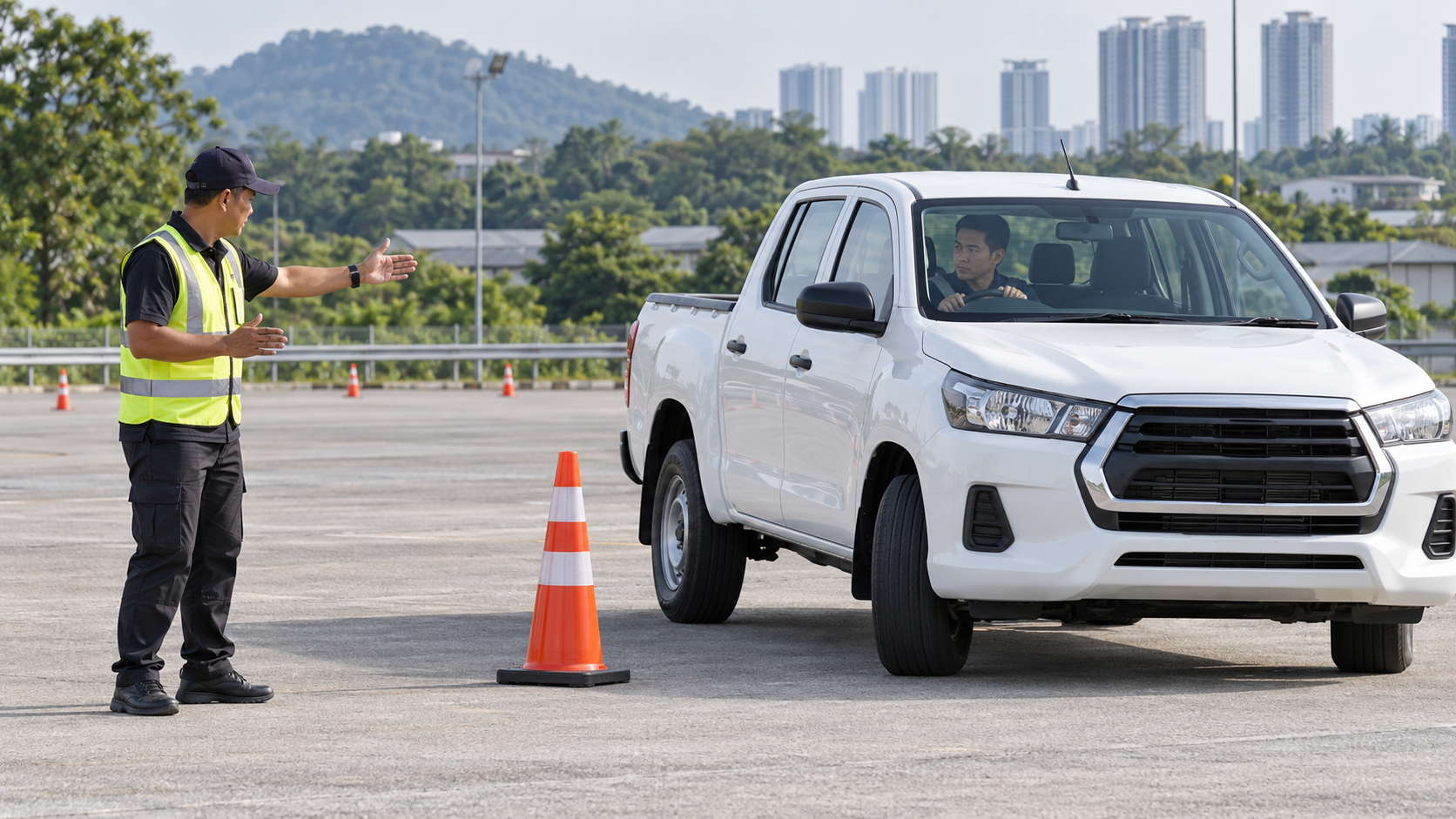
Ask how the learning activities will relate to the work. Scenarios can use familiar situations such as congested approaches, junctions, customer entrances, restricted visibility or weather changes. Practical activity should suit the vehicle, participant experience, location and safe training arrangements.
Participants should have a chance to explain what they notice, what could change and which response is appropriate. Feedback should help them connect observation with judgement and controlled action. If an exercise uses a different vehicle or environment from the job, identify what transfers and what needs separate familiarisation.
Ask how defensive driving training will let participants practise and receive feedback on the outcomes agreed for their role.
4. Plan how learning will carry into daily work
A course ends; work continues. Before training begins, decide how supervisors will support the agreed behaviours. This might include a short post-course conversation, a suitable observation under the organisation’s procedure, or a review of how dispatch and journey arrangements affect driver decisions.
After defensive driving training, keep follow-up proportionate and supportive so drivers can discuss what helps or gets in the way of applying the learning.
Make it practical for drivers to raise concerns about fatigue, vehicle condition, route suitability or changing conditions. Managers should know who receives a report and how the operation responds. Where schedules or instructions create pressure to take an unsafe action, training alone cannot resolve that underlying issue.

5. Review whether the programme is useful
Choose review measures that match the learning outcomes. A company might check participation, completion, scenario-based understanding, practical assessment themes and whether agreed follow-up actions were completed. These measures can show whether a programme was delivered and what participants demonstrated in the assessment; they do not by themselves prove that the course caused a change in road incidents.
For example, MIROS lists a safe driver and rider performance-evaluation guideline covering cognitive and psychomotor components. Treat it as a reference for discussing assessment design, not as a legal requirement or a substitute for a programme suited to your operation.
Incident and near-miss information may help identify topics for future review, but interpret it with care. Consider exposure, route, vehicle, severity, reporting practices and other changes in the operation. Avoid comparing drivers using raw counts without context. Share feedback fairly, protect personal information and use records for the purpose communicated to participants.
Set a review point with the people responsible for fleet operations, safety and training. Ask what was applied, where barriers remain and whether the original learning need has changed. Use the findings to adjust the next learning activity or address an operational control that training cannot fix.
Review whether defensive driving training met the agreed learning outcomes before deciding what support should follow.
Use the review to improve how defensive driving training connects with supervisor follow-up, rather than relying on a score or attendance record alone.
When should a company review driver training needs?
Review needs when the work changes or relevant evidence points to a gap—not only because a calendar date arrives. Examples include introducing a different vehicle, changing routes or duties, expanding the driver group, recurring difficulty with a particular task, or a review that identifies a capability needing reinforcement. Consider the situation and appropriate response before deciding that another course is the answer.
These changes may call for targeted defensive driving training, vehicle familiarisation, a process adjustment or another response. Select the option that addresses the identified need.
For a broader guide to turning course learning into observable fleet routines, see how to improve daily fleet behaviour after defensive driving training. Organisations comparing course scope can also review this fleet guide to defensive driving training in Malaysia.
Frequently asked questions
How can defensive driving training help company drivers?
It can give drivers structured opportunities to recognise hazards, discuss decisions and practise suitable responses for their work context. The programme should be matched to their vehicles and operating conditions.
How should a company assess whether training was useful?
Review whether the planned learning took place, what participants demonstrated against the agreed outcomes and whether follow-up support was completed. Interpret incident information alongside exposure and operational context; do not treat it as proof of cause on its own.
Does driver training alone reduce road risk?
No single course can manage every source of risk. Training should sit alongside suitable vehicle arrangements, journey planning, reporting processes and management support. Review the wider road transport safety approach as well.
Can training be adapted for different company vehicles?
Training scope and practical arrangements should be discussed in relation to the participating drivers, vehicle types, location and operating needs. Confirm the suitable format with the provider before planning delivery.
Discuss a programme for your fleet
ADHINS provides defensive driving training for drivers, with programme details discussed around the organisation’s people, vehicles, location and requirements. Contact ADHINS to discuss your company drivers and training needs.