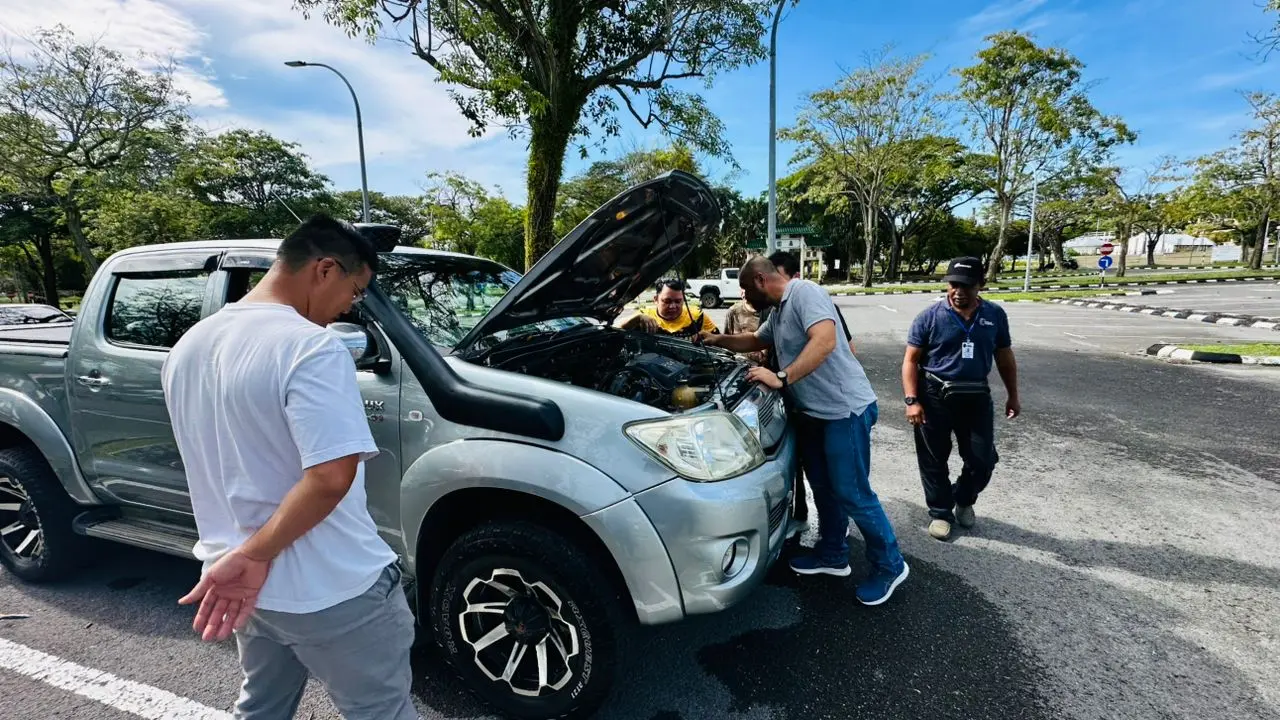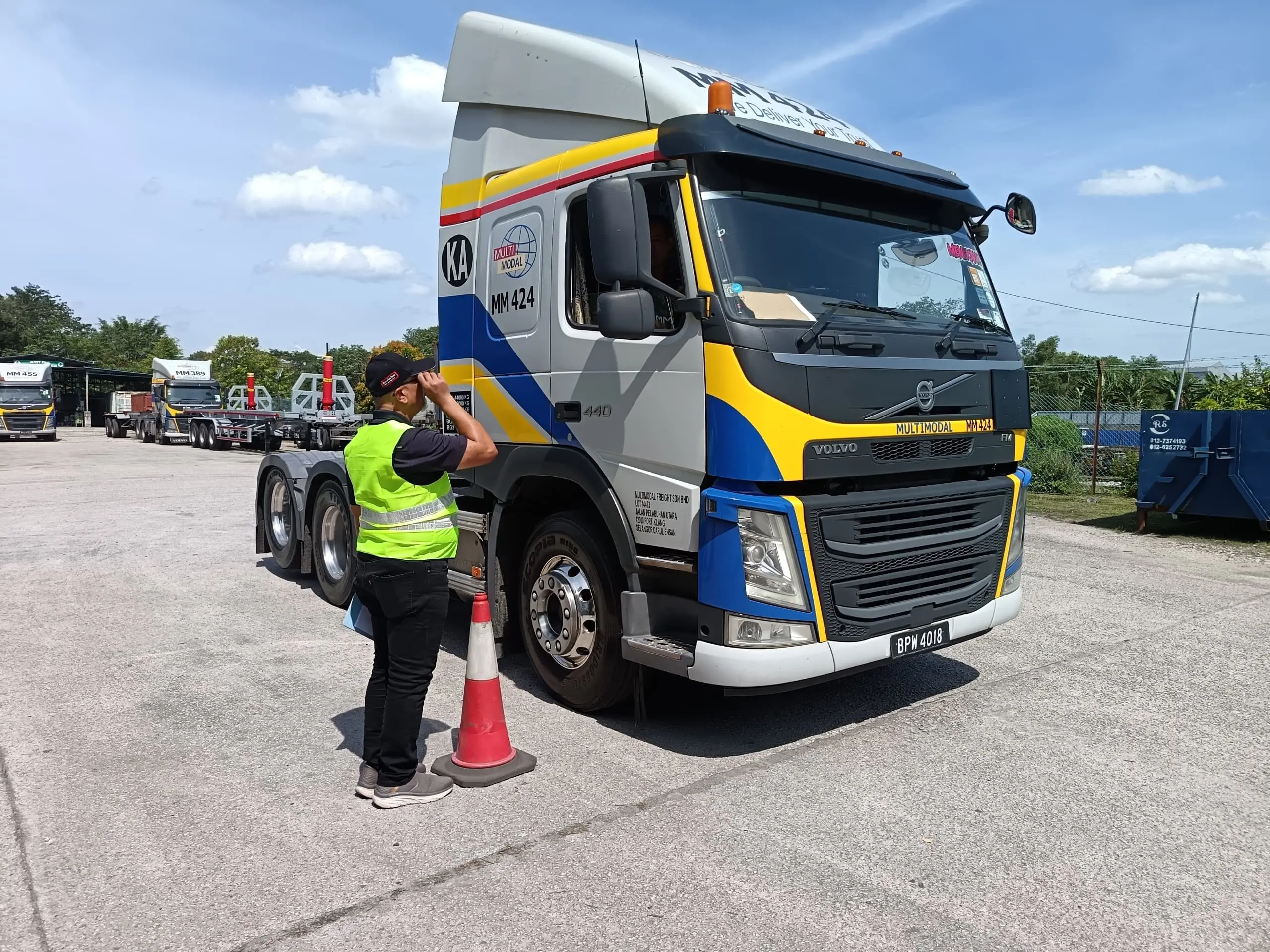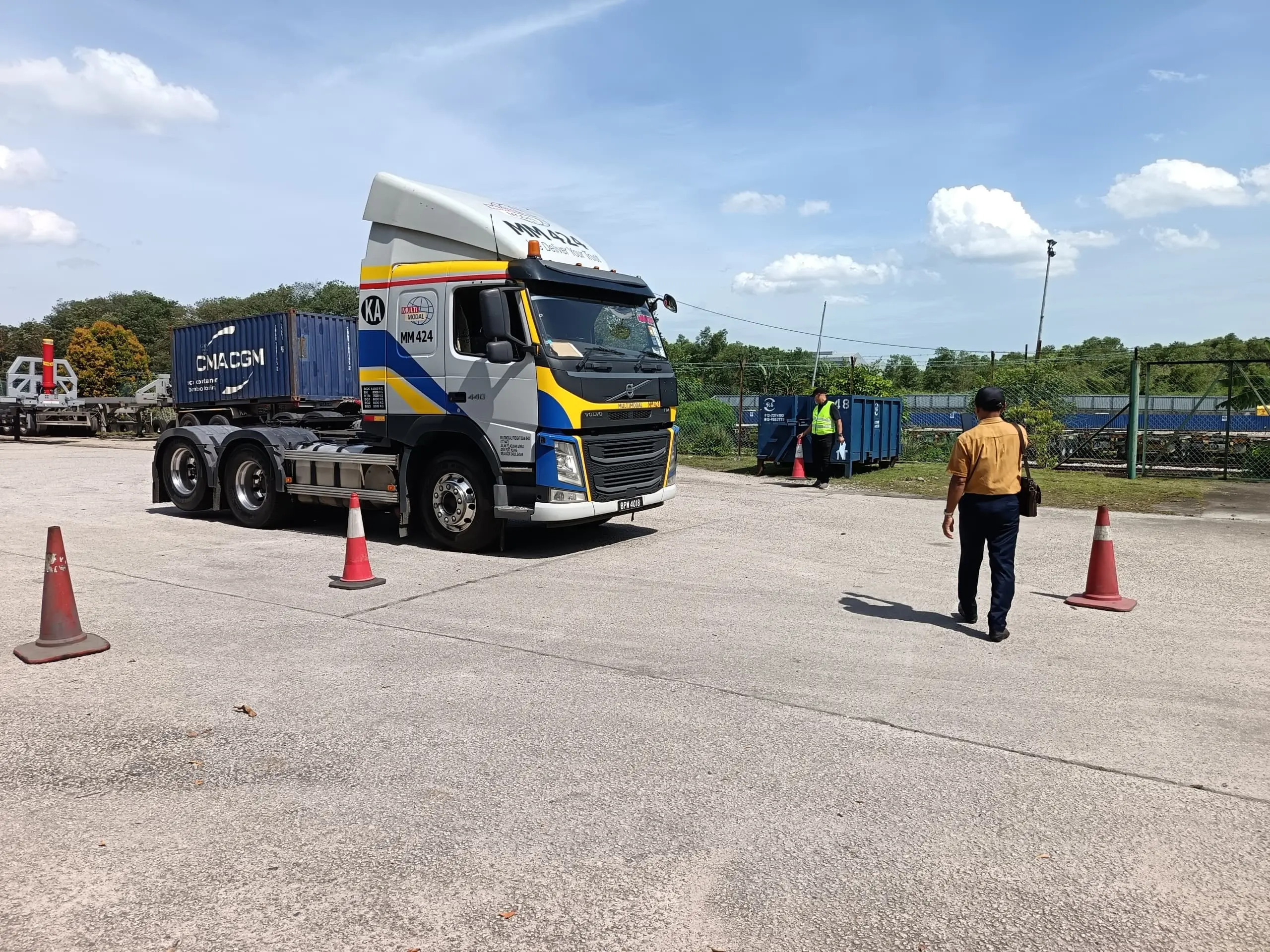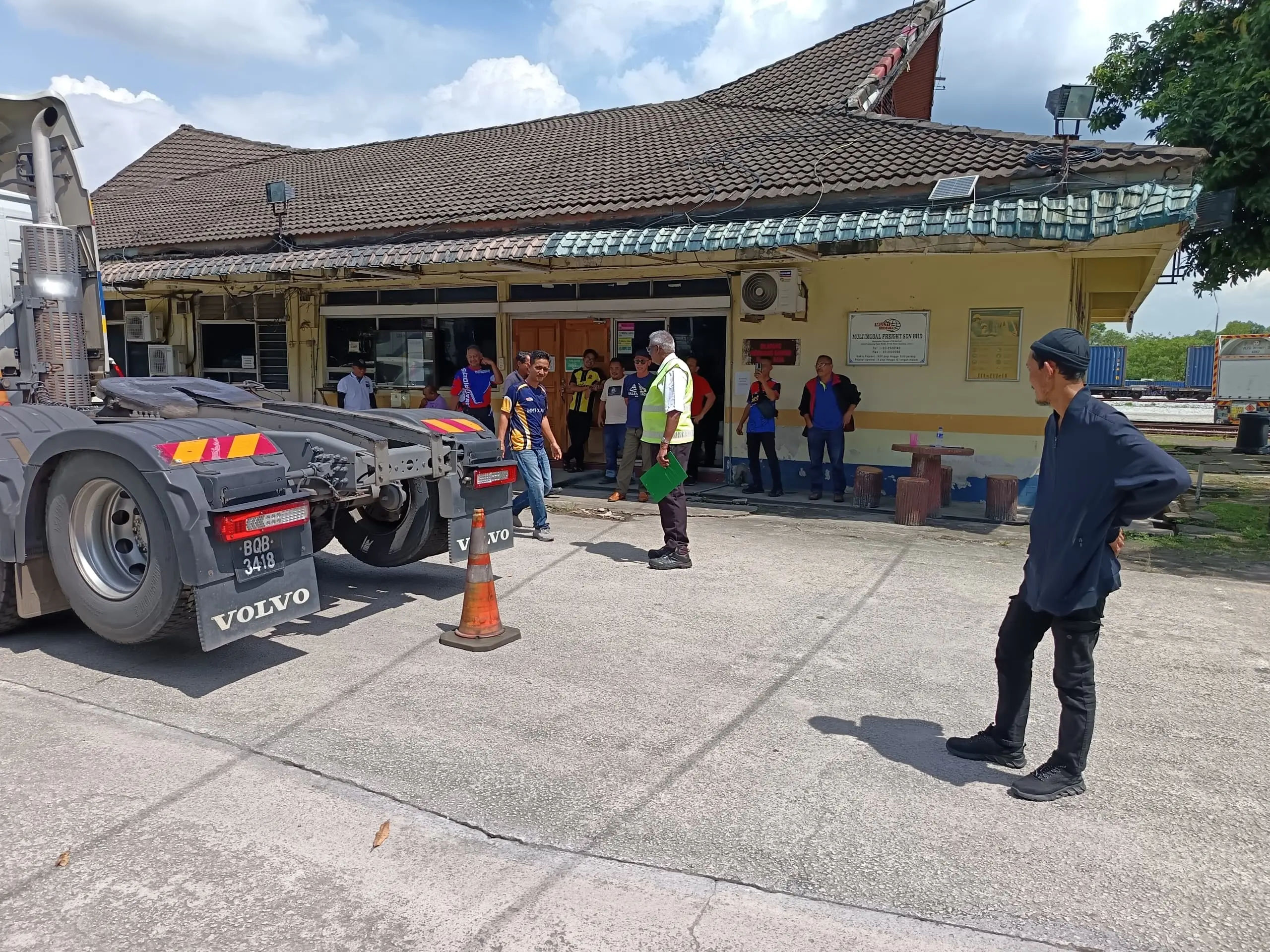
Managing driver fatigue risks starts before a truck or bus leaves the depot. Fleet operators influence when drivers work, how long a trip takes, where they can rest and what support is available when a journey cannot safely continue.
For Malaysian commercial fleets, a practical fatigue management process should connect dispatch, supervisors and drivers. The goal is to make a safe decision possible when loading runs late, traffic builds up or an overnight service places extra demands on the driver.
Understand where driver fatigue risks arise
Fatigue can affect attention, reaction and judgement. NIOSH guidance on driver fatigue identifies insufficient or poor-quality sleep, long periods awake, shift patterns and health factors as contributors. Warning signs can include nodding off, drifting from a lane and difficulty remembering recent driving.
Ask about the whole workday. A truck driver may spend hours dealing with paperwork and loading before the main road journey. A bus driver may face an early start, a split duty or delays between services. Time without driving is not necessarily time spent recovering.
Use these operational examples to identify where schedules need adjustment; they are not a fixed list of legal classifications.
1. Review duty schedules and real journey times
Compare the planned roster with what actually happens. Include reporting time, inspections, passenger boarding, loading, queues, unloading and the return or repositioning journey.
Review delays by route and customer. If a loading slot repeatedly overruns, revise the arrangements with the customer or reschedule departure. Do not make the driver recover the lost time on the road.
For bus services, examine how one delayed trip affects the next departure and whether relief drivers are genuinely available. For trucks, check whether a late unloading finish creates an unsafe return expectation.
Give dispatchers authority to raise a scheduling concern before assigning additional work. A roster change should consider the driver’s completed duties and recovery opportunity.
Review night services explicitly: check the sleep opportunity before departure, relief arrangements and work expected after arrival. When a driver changes between daytime and overnight assignments, review the roster transition rather than assuming an off-duty gap guarantees recovery.
2. Protect usable rest and sleep opportunities
Choose stopping places suitable for the vehicle, with safe parking and access to basic facilities. Confirm where the driver can take a break before the trip begins.
NIOSH’s sleep tips for truck drivers discuss planning sleep and creating a quiet, dark and comfortable sleeping environment. Operators can support those conditions through realistic overnight arrangements.
Do not automatically record loading supervision, passenger assistance or telephone coordination as a rest period. Check the actual activity and the applicable definitions for your operation.

A second driver also needs a workable rest arrangement. Simply adding another person to the vehicle does not demonstrate that either driver has had adequate recovery.
3. Verify the requirements that apply to your service
Identify the current driving, duty and rest requirements, ICOP provisions and licence conditions relevant to your vehicle category, service and operating area. Assign someone to maintain this review and translate the requirements into dispatch checks.
APAD publishes operator guidance and ICOP information. Confirm which authority and requirements apply to your operation, including where services operate outside Peninsular Malaysia.
This guide does not prescribe one driving-hour or rest limit for every truck and bus service. Older manuals and rules from other countries should not be treated as a current Malaysian legal schedule without checking their applicability.
Meeting an applicable maximum is one check; a driver who is already fatigued may need to stop earlier. Keep that decision available in the operating procedure.
4. Make early reporting easy to act on
Give drivers a clear contact and explain what will happen when they report fatigue. Train supervisors to receive the report calmly, confirm the driver’s location and arrange the next step.
Useful reporting prompts include difficulty staying alert, a disrupted rest period or a schedule change that makes the remaining journey questionable. Drivers should not have to wait for a near miss before seeking help.
Discuss reports in private where appropriate and record operational decisions without collecting unnecessary personal health details. If reporting consistently leads to blame or lost support, review the incentives that discourage early disclosure.
5. Use a clear response when continuing becomes unsafe
Agree the response in advance so the driver and controller do not improvise under pressure:
- Reach a safe stopping place: The driver should stop safely as soon as possible, rather than continue to a distant scheduled destination.
- Contact control when stationary: Confirm location, vehicle and any immediate passenger or load concerns.
- Arrange support: Consider relief by a fit, authorised driver, a delayed departure, suitable accommodation or another safe operational arrangement.
- Review before resuming: A timetable, completed break or supervisor’s approval does not by itself establish that the driver is ready to continue.
NIOSH notes that caffeine and a short nap have temporary effects and that sleep is the remedy for fatigue. Do not use coffee, energy drinks, loud music or an open window as the fleet’s clearance to continue a journey.
For buses, include who assists passengers and communicates revised arrangements. For trucks, include vehicle security, customer updates and any load-specific requirements.

6. Connect training with health support
Train drivers, dispatchers and managers together on the company’s reporting and response process. Use scenarios that reflect actual routes and schedules.
NIOSH advises seeking assessment for health problems when fatigue persists despite adequate sleep. Provide a route to qualified healthcare or occupational health advice. Supervisors should manage the work arrangement and refer concerns appropriately rather than diagnose a driver.
Check competence through a scenario: can a dispatcher arrange relief, and can a driver explain how to report a concern while safely stopped? Attendance alone does not show that the process will work.
7. Review data and recurring problems
Use a small set of records that help explain fatigue exposure: actual duty times, delays, missed rest arrangements, reports and relief actions. Where monitoring systems are used, review events in context and tell drivers how the information will be handled.
A camera alert or lane-departure event needs investigation; it is not a diagnosis. Technology should support a response, while rosters, rest arrangements and driver communication remain part of the system.
After an incident or near miss, look at the preceding work pattern and operational pressures. Follow up on repeated causes such as late loading or unavailable relief, then check whether the change helped.
A practical fatigue control example
A truck is ready to leave several hours later than planned because loading has been delayed. The driver reports that the revised return would extend a demanding day.
The controller checks the actual duty record, remaining route and available alternatives. The operator agrees a safe stopping arrangement and a revised customer schedule, records the decision and later reviews the loading delay.
For a bus operation, the same decision process might involve an authorised relief driver and passenger support. The appropriate solution depends on the service; the common requirement is a usable plan and someone able to act.
Frequently asked questions
Is staying within driving-hour limits enough?
No. Applicable limits must be observed, but individual readiness and changing conditions also matter. A driver may need to stop before reaching a maximum.
Can coffee make a fatigued driver safe to continue?
Caffeine may have a temporary effect. It does not replace sleep or establish fitness to complete the remaining journey.
Should a fleet rely on fatigue detection technology?
Use it as one source of information with an agreed response process. It cannot replace suitable schedules, recovery opportunities and driver reporting.
Who is responsible for managing fatigue?
Drivers should report concerns, while operators and managers must provide workable schedules, support and operational decisions. Include dispatchers and supervisors in the process.
Discuss commercial fleet fatigue controls with ADHINS
Contact ADHINS to discuss your truck or bus routes, driver training needs and transport safety procedures. Bring a typical roster, journey plan and examples of recurring delays so the discussion can focus on practical actions.
Confirm the proposed service scope with ADHINS. This article is general operational guidance, not medical or legal advice or a guarantee of regulatory compliance.